
Main Courses
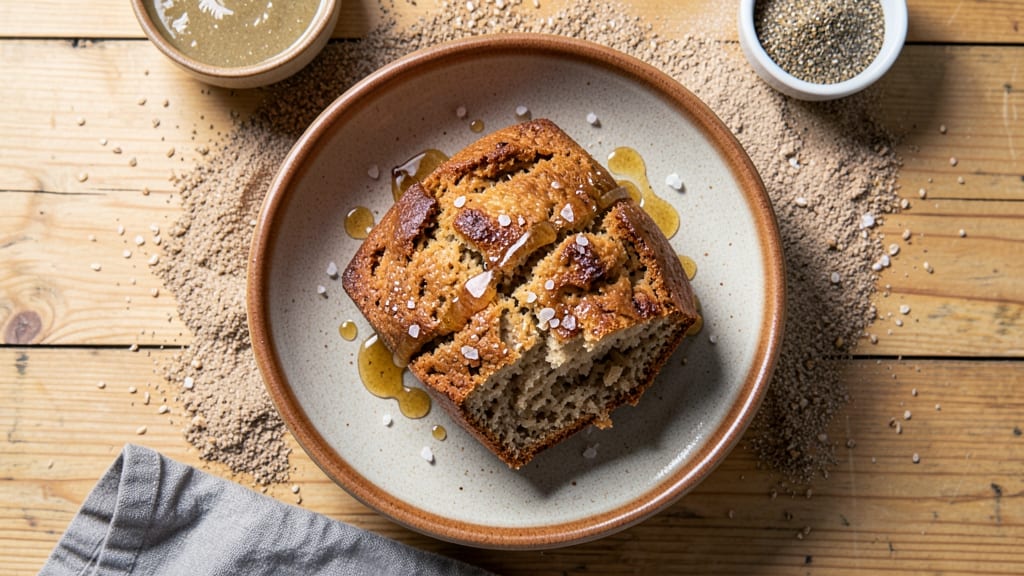
This brown rice bread recipe without yeast delivers a surprisingly light, fluffy loaf using simple pantry staples and a clever fermentation trick.
The secret lies in combining baking soda and apple cider vinegar to create lift—no yeast, no waiting, just a 30-minute prep that yields bread with a tender crumb and nutty flavor. Perfect for those who want homemade bread without the fuss of rising times or yeast substitutes.
The magic happens when ground brown rice flour meets a moist, egg-free batter that develops naturally through chemical reactions. No kneading required—just mix, shape, and bake at 350°F for 40 minutes until golden.
The result? A bread that's vegan, gluten-free-friendly, and packed with fiber, yet so light you'll forget it's made without yeast. Ideal for sandwiches, toast, or serving alongside soups.
Ingredients for brown rice bread recipe without yeast
Simple pantry staples transform into a fluffy, yeast-free loaf with this clever baking technique.
| Ingredient | Amount | Notes |
|---|---|---|
| Ground Brown Rice Flour 🌾 | 2 ½ cups | High-protein variety preferred |
| All-Purpose Flour 🌾 | ½ cup | Gluten-free blend if needed |
| Granulated Sugar 🍚 | ¼ cup | Organic preferred for purity |
| Apple Cider Vinegar 🍏 | 1 tbsp | Raw, unfiltered for tang |
| Baking Soda 🧂 | 1 tsp | Aluminum-free recommended |
| Salt 🧂 | ½ tsp | Diamond Crystal preferred |
| Olive Oil 🫒 | ⅓ cup | Extra-virgin for richness |
| Water 💧 | 1 ¼ cups | Room temperature preferred |
| Ground Flaxseed 🌱 | 1 tbsp | For egg replacement |
| Sesame Seeds 🌻 | 1 tbsp | Toasted for garnish |
| Poppy Seeds 🌼 | 1 tbsp | Optional for texture |
| Black Sesame Seeds 🌻 | 1 tbsp | For visual contrast |
| Cornstarch 🌽 | 1 tbsp | For tender crumb |
The ground brown rice flour is the foundation—opt for a high-protein variety like Bob's Red Mill for best results. Bob's Red Mill or Annie's Homegrown brands offer consistent quality, though any organic brand works. For the vinegar, raw, unfiltered apple cider vinegar adds depth of flavor compared to pasteurized versions. The baking soda must be fresh; if it's more than six months old, test it in vinegar first to ensure it still fizzes. For the flaxseed, Bob's Red Mill ground flaxseed is ideal—it binds perfectly without a grainy texture. If you can't find sesame seeds, sunflower seeds work as a neutral alternative, though they lack the nutty aroma.
No apple cider vinegar? White vinegar or lemon juice in equal measure works, though flavor will differ slightly. Substituting the flaxseed? Chia seeds work at the same ratio, but flaxseed creates a smoother texture. For the flours, a 1:1 gluten-free all-purpose blend can replace the all-purpose flour if needed, though texture may vary. The cornstarch is optional but recommended—it prevents gumminess in the crumb. If you're sensitive to gluten, ensure all flours are certified gluten-free, as cross-contamination can occur. For the seeds, toast them in a dry pan for 2-3 minutes before sprinkling to enhance their nuttiness.
This batter keeps for up to 3 days in the fridge, though it's best used immediately for peak freshness. For longer storage, freeze the batter in an airtight container for up to 3 months. Once baked, the bread stores well at room temperature for 3 days or in the fridge for 5 days. To revive stale slices, wrap them in a damp towel and microwave for 15-20 seconds. The seeds can be toasted and stored in the freezer for up to 6 months, preserving their freshness for future loaves. For best results, bake immediately after mixing—the chemical reaction that creates lift begins right away.
Why You'll Love This Recipe
- No Yeast, No Stress: Mixing this dough takes about five minutes—just stir, pour, and bake. That apple cider vinegar does the magic of lifting the bread without any waiting for yeast to rise, and honestly? I’ve made it while microwaving leftovers.
- Nutty Sweet Crunch: The ground brown rice flour gives it a subtle earthiness that pairs perfectly with the sugar’s caramelized bite. Toast it, and that crispy crust turns into something dangerously addictive—like a cross between a biscuit and a cookie.
- Weeknight Sandwich Hero: Between us, this bread is my go-to for quick lunches or dinner sides. It holds up to grilled cheese, PB&J, or even just butter and jam—no soggy middle in sight. (Yes, even on a Tuesday night.)
- Pantry Staple Power: Uses ingredients you already own, and the leftovers? They last a week in the fridge or freeze beautifully. I make a double batch on Sundays so I’m never scrambling for bread—plus, it’s cheaper than buying loaves.
Step-by-step instructions for brown rice bread without yeast
This method delivers a light, airy loaf without yeast or lengthy fermentation.
Create the Flaxseed Egg Substitute
In a small bowl, combine the 1 tablespoon ground flaxseed with 3 tablespoons of the 1.25 cups water (reserve the remaining 1 cup for later). Let this mixture sit for 10 minutes until it thickens into a gel-like consistency resembling an egg. This substitution provides the binding properties needed for a cohesive dough while keeping the bread vegan.
The flaxseed mixture should be smooth and slightly viscous, similar to raw egg whites. If it remains too thick after 10 minutes, whisk in an additional 1 teaspoon of water. This step is critical—under-mixed flaxseed won't properly bind the ingredients, while over-mixed flaxseed can make the bread dense.
Mix the Wet and Dry Ingredients
In a large mixing bowl, whisk together the 2.5 cups ground brown rice flour, 0.5 cup all-purpose flour, 0.25 cup granulated sugar, 1 teaspoon baking soda, and 0.5 teaspoon salt. In a separate bowl, combine the flaxseed gel, 0.33 cup olive oil, 1 tablespoon apple cider vinegar, and the remaining 1 cup water. Pour the wet mixture into the dry ingredients and stir until just combined.
Add the 1 tablespoon cornstarch and mix until fully incorporated. The dough will be thick and sticky—this is normal. Avoid overmixing, as gluten development in brown rice flour can make the bread dense. The ideal consistency should resemble thick pancake batter with no visible dry spots.
Prepare the Seeds and Bake
Preheat your oven to 350°F and line a 9x5-inch loaf pan with parchment paper, leaving an overhang on the sides for easy removal. Lightly grease the parchment with olive oil. In a small bowl, toast the 1 tablespoon sesame seeds, 1 tablespoon poppy seeds, and 1 tablespoon black sesame seeds in a dry skillet over medium heat for 2-3 minutes until fragrant. Set aside.
Pour the batter into the prepared loaf pan and sprinkle the toasted seeds evenly over the top. Tap the pan gently on the counter to release any air bubbles. Bake for 45-50 minutes until a toothpick inserted into the center comes out clean and the top is golden brown. The bread should spring back slightly when pressed gently in the center.
Cool and Serve
Remove the bread from the oven and let it cool in the pan for 10 minutes. Then transfer it to a wire rack to cool completely for at least 30 minutes. This cooling period is essential—rushing it can make the bread gummy. The internal temperature should drop to 100°F or below for the best texture.
Slice the bread while still slightly warm for the cleanest cuts. Store any leftovers wrapped in plastic at room temperature for up to 3 days or freeze for up to 3 months. This bread pairs beautifully with soups, spreads, or as a base for open-faced sandwiches.
Pro Tips For Making Brown Rice Bread Recipe Without Yeast
- Mix the Vinegar Last: Brown rice flour loves to clump like a stubborn toddler. Wet the all-purpose flour first with the sugar and baking soda, then fold in the vinegar at the very end—this keeps the ground rice from turning into a cement block. Stir just until combined, or you’ll overwork the gluten and end up with a dense brick instead of light bread.
- Preheat Pan and Oven: This isn’t your average cake pan—brown rice bread needs a hot start. Preheat both your loaf pan and oven to 375°F (190°C) for at least 15 minutes. The extra heat helps the baking soda activate faster, giving you that proper rise without yeast. Trust me, skipping this means sad, flat bread.
- Don’t Overmix the Batter: I used to think more stirring = better bread. Wrong. Once the dry ingredients are just moistened, stop. The ground brown rice flour is heavy, and overmixing turns the batter into a gluey mess that won’t rise. Drop the spoon in, give it two gentle folds, and call it done.
- Use a Toothpick for Doneness: The bread’s done when the center holds a light crumb but isn’t wet. Stick a toothpick in—if it comes out clean but the bread still feels slightly underdone, tent it with foil and let it sit 5 minutes. Rushing pulls the moisture out, leaving you with a dry, crumbly loaf. Patience, even if it’s hard.
Troubleshooting this dish
Dense or Gummy Texture
If your bread turns out dense or gummy, it’s usually from overmixing or insufficient baking time. Brown rice flour lacks gluten, so stir the wet and dry ingredients just until combined—no more than 30 strokes with a spatula.
For extra tenderness, add 1 extra tablespoon of cornstarch to the dry mix. Underbaking is another culprit: ensure the internal temperature reaches 205°F before removing from the oven. 🌾
Flat Top or Poor Rise
A flat top or lack of rise often means the baking soda-vinegar reaction didn’t work properly. Double-check that your baking soda is fresh (test it in vinegar first—it should fizz vigorously). Also, ensure the oven is fully preheated to 350°F before baking.
For added lift, whisk the wet ingredients vigorously for 1 full minute before combining with the dry mix to maximize air incorporation.
Bitter Aftertaste
Brown rice flour can develop bitterness if overcooked or if old flour is used. To prevent this, bake the bread for no longer than 50 minutes and avoid opening the oven door during the first 30 minutes of baking.
For a milder flavor, reduce the granulated sugar to 0.2 cup and add 1 teaspoon of honey or maple syrup to the wet mixture. Always store brown rice flour in an airtight container in a cool, dark place.
Sticky or Wet Crumb
A sticky or wet crumb usually means the batter was too wet or the oven wasn’t hot enough. To fix this, reduce the water by 1 tablespoon and increase the cornstarch by 1 teaspoon.
For a drier crumb, bake the bread for 5-10 extra minutes or place it on a wire rack in a 200°F oven for 10 minutes after baking to dry out excess moisture. A fan-assisted oven can also help evaporate moisture more evenly.
Seeds Not Crispy
If your seeds aren’t crispy enough, toast them longer or at a higher heat. Spread them on a parchment-lined baking sheet and toast in a 375°F oven for 3-5 minutes instead of using a skillet.
For extra crunch, sprinkle the seeds on top after the bread has baked for 10 minutes, then return to the oven for 2-3 minutes to toast them in place. 🌻
Cracks or Uneven Baking
Cracks or uneven baking often happen if the batter isn’t spread evenly in the pan or if the oven isn’t calibrated. Tap the pan gently on the counter 3-4 times after pouring in the batter to release air bubbles.
For even baking, place a small baking sheet on the lower rack to create a steam environment. If your oven runs hot, reduce the temperature to 340°F and check for doneness 5 minutes early.
Nutrition facts
Frequently asked questions
Can I substitute white rice flour for brown rice flour?
White rice flour will work, but the texture and flavor will differ significantly. Brown rice flour adds a nutty depth and better moisture retention. If you must substitute, use a 1:1 ratio but expect a lighter, less dense crumb. For best results, stick with brown rice flour to maintain the recipe's intended characteristics.
Why does this bread need flaxseed? Can I skip it?
The flaxseed acts as a vegan egg substitute, providing the binding properties needed for structure. You could replace it with 1 tablespoon chia seeds (mixed with 3 tablespoons water) or 1/4 cup unsweetened applesauce, but the texture may become slightly denser. For a completely egg-free version, these substitutes work well.
How do I make this bread gluten-free?
Replace the 0.5 cup all-purpose flour with a 1:1 gluten-free all-purpose blend (like Bob's Red Mill or King Arthur). Ensure all other ingredients, including seeds, are certified gluten-free. The baking soda and vinegar reaction remains the same, so the rise will still work properly. Just be mindful of texture—gluten-free flours can make bread slightly crumbly.
Can I add other ingredients like herbs or nuts?
Try adding 1/2 cup chopped walnuts or almonds for crunch, or 1 tablespoon dried rosemary or thyme for flavor. For extra moisture, reduce the water by 1 tablespoon if adding wet ingredients like minced garlic or grated zucchini. Just don't exceed the 2.5 cups total flour to maintain the right consistency.
What if I don’t have apple cider vinegar?
Use white vinegar or lemon juice in equal amounts, but expect a slightly different flavor profile. The chemical reaction for leavening will still work, though the tanginess will be milder. For a neutral option, 1 teaspoon baking powder can replace the vinegar, but reduce the baking soda to 1/2 teaspoon to avoid over-rising.