
Main Courses
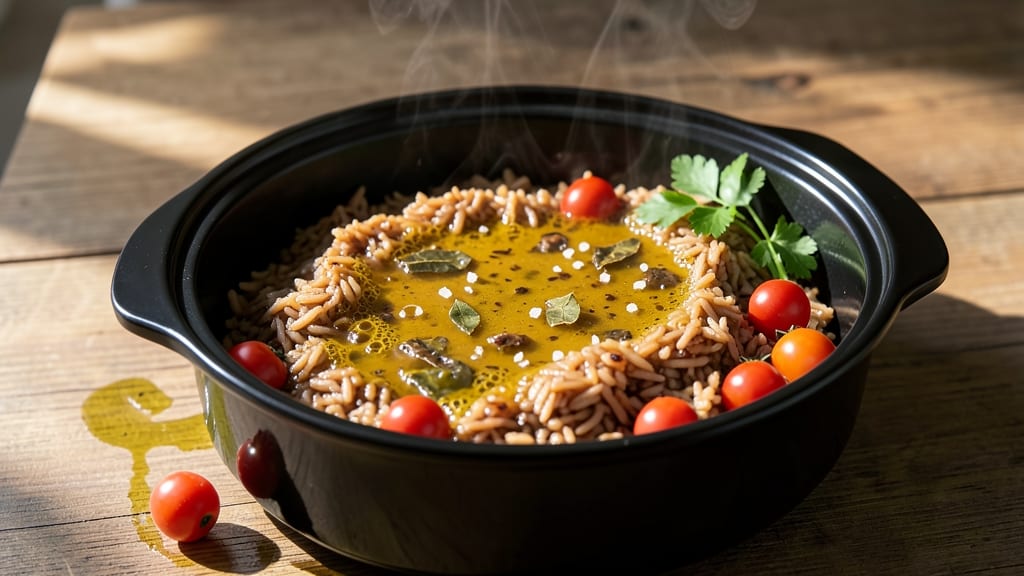
This brown rice cooker recipe delivers perfectly fluffy, nutty grains with minimal effort—no stirring required. 💛 The secret lies in proper soaking and water ratios, transforming tough brown rice into tender, restaurant-quality bites in just 30 minutes.
Whether you're prepping for meal prep or a weeknight dinner, this method guarantees foolproof results every time.
Start with a 1:2 rice-to-water ratio and soak the grains for 30 minutes before cooking to reduce cooking time and improve texture. The rice cooker handles the rest, releasing aromatic steam that fills your kitchen with warm, earthy fragrance.
For extra flavor, add a pinch of salt, a bay leaf, or even vegetable broth to the cooking water—simple upgrades that elevate the dish without extra effort.
Ingredients for brown rice cooker
Nine simple ingredients transform your rice cooker into a nutty, aromatic brown rice machine.
| Ingredient | Amount | Notes |
|---|---|---|
| Long-Grain Brown Rice 🌾 | 1 cup | Uncooked, rinsed thoroughly |
| Water 💧 | 2 cups | Room temperature preferred |
| Vegetable Broth 🍲 | 1 cup | Low-sodium preferred |
| Bay Leaves 🌿 | 1 whole | Fresh or dried |
| Sea Salt 🧂 | ½ tsp | Diamond Crystal preferred |
| Extra-Virgin Olive Oil 🫒 | 1 tbsp | For finishing, optional |
| Fresh Parsley 🌿 | ¼ cup | Chopped, for garnish |
| Garlic Cloves 🧄 | 2 cloves | Minced, optional flavor boost |
| Lemon Zest 🍋 | 1 tsp | Brightens flavor profile |
The brown rice makes all the difference—jasmine or basmati varieties work best for texture, but any long-grain brown rice will do. Trader Joe's and Whole Foods carry high-quality options, but the regular grocery store brand is fine if it's labeled '100% whole grain.' Rinse the rice thoroughly before soaking to remove excess starch, which prevents gummy texture. For extra flavor depth, consider toasting the rice in olive oil for 2 minutes before adding liquid, though this step is optional for beginners.
No vegetable broth? Substitute with water plus 1 tsp soy sauce for umami richness. Fresh bay leaves add subtle earthiness, but dried works at one-third the amount. Short on parsley? Fresh cilantro or basil are great swaps—just adjust to taste. The lemon zest might seem minor, but it brightens the final dish significantly. If you're feeling adventurous, add a pinch of turmeric or smoked paprika to the cooking water for a gourmet touch. For those with dietary restrictions, ensure your broth is gluten-free if needed.
This rice reheats beautifully—simply add a splash of water and cover until warmed through. Store in an airtight container in the fridge for up to 5 days, or freeze portions for 3 months for meal prep convenience. The rice cooker's keep-warm function maintains perfect texture, so it's ideal for family gatherings. For best results, let the rice sit covered for 10 minutes after cooking to steam evenly. Portion into individual containers for easy grab-and-go lunches during the week.
Why You'll Love This Recipe
- Earthy Magic: That bay leaf? It’s the secret weapon—deep, warm, and slightly herbal, like a whisper of a forest in every bite. The broth adds this subtle umami richness that makes plain rice feel special, no fancy spices needed.
- Meal Prep MVP: I make a big batch on Sundays and use it all week—bowls, stir-fries, tacos, you name it. It reheats like a dream and keeps for days, so I’m never stuck staring at a sad fridge wondering what to eat.
- Pocketbook Hero: Brown rice is cheap, broth is cheap, and this method uses half the water of stovetop cooking. For under $2, I feed my family enough rice to last through three meals. (My wallet thanks me every time.)
Step-by-step instructions for perfect brown rice in a cooker
Here's how to transform simple ingredients into restaurant-quality brown rice.
👨🍳 Step 1: Rinse and Prepare the Rice
Place the 1 cup Long-Grain Brown Rice in a fine-mesh strainer and rinse thoroughly under cold water. I rub the grains between my fingers while rinsing to remove excess starch—this prevents the rice from becoming gummy later. After rinsing, give it a final shake to remove any remaining water droplets.
Transfer the rinsed rice to your rice cooker's inner pot. Add the 1 whole Bay Leaves and 0.5 tsp Sea Salt. The bay leaf adds subtle earthiness while the salt enhances the rice's natural flavor. Don't skip this step—it makes a noticeable difference in the final texture and taste.
🔥 Step 2: Add Liquid and Start Cooking
Pour in the 2 cups Water and 1 cup Vegetable Broth. The broth adds depth of flavor while maintaining the proper liquid-to-rice ratio. I use room temperature liquids to prevent shocking the rice and ensure even cooking.
Close the rice cooker lid and select the "white rice" setting if available, or the standard setting. The cooker will automatically heat up—you'll see steam begin to rise within 1-2 minutes. This is when the magic starts happening. Let the rice cook undisturbed until it reaches the "keep warm" cycle, which typically takes about 30-35 minutes.
⏰ Step 3: Rest and Fluff the Rice
Once the rice cooker switches to "keep warm," let the rice sit for 10 minutes before opening. This resting period allows the steam to redistribute evenly, resulting in perfectly fluffy grains. I know it's tempting to open it immediately, but resisting this urge makes all the difference.
Using a rice paddle or fork, gently fluff the rice from the bottom up. This separates the grains and releases any trapped steam. The rice should look dry and individual grains should be distinct—no clumping. If you see any liquid at the bottom, stir it in gently to distribute any remaining moisture evenly.
🍳 Step 4: Finish with Optional Garnishes
Transfer the rice to a serving bowl. For extra flavor, drizzle with the 1 tbsp Extra-Virgin Olive Oil while it's still warm. This adds a subtle richness that complements the earthy brown rice perfectly. I like to do this right before serving to maintain the oil's freshness.
Garnish with the 0.25 cup Fresh Parsley and the 2 cloves Garlic Cloves (minced) if using. Sprinkle the 1 tsp Lemon Zest over the top just before serving—this bright citrus note cuts through the rice's earthiness and makes each bite more vibrant. The lemon zest should be finely grated to distribute evenly.
Pro Tips For Making Brown Rice Cooker
- Rinse the Rice First: I learned this the hard way—skipping the rinse leaves your rice gummy and clumpy. Swirl the brown rice in a fine-mesh strainer under cold water for 30 seconds, then let it drain. This removes excess starch and guarantees fluffier grains.
- Use a 1:2.5 Ratio: Brown rice absorbs more liquid than white, so stick to 1 cup rice to 2.5 cups liquid (water + broth). Too little water = dry, crusty rice; too much = mushy. If your cooker has a "brown rice" setting, use it—it accounts for this automatically.
- Add Bay Leaves Late: Toss the bay leaves in during the last 10 minutes of cooking. I used to add them at the start, and they’d turn bitter. This keeps their flavor bright and aromatic without overpowering the dish.
- Season the Broth: Don’t just dump in plain vegetable broth—salt it to taste before adding it to the rice. Unsalted broth makes your rice bland, and you can’t fix it later. A pinch of salt in the broth goes a long way.
Best sauces and condiments for these flavors
Creamy Coconut Lime
This tropical-inspired sauce transforms your brown rice into a fragrant, restaurant-worthy side. Blend ½ cup coconut milk with 1 tbsp lime juice, 1 tbsp honey, and ½ tsp grated ginger until smooth.
Drizzle over warm rice and garnish with toasted coconut flakes. The creamy texture and citrus brightness elevate the nutty rice beautifully. 🌴
Garlic Soy Glaze
For an umami-packed sauce, combine ¼ cup soy sauce, 1 tbsp rice vinegar, 1 tbsp honey, and 3 minced garlic cloves in a small saucepan.
Simmer for 3-4 minutes until slightly thickened, then strain if you prefer a smoother texture. Drizzle over rice and top with sesame seeds for a Japanese-inspired twist.
Spicy Peanut Sauce
This nutty, slightly spicy sauce is perfect for adding protein and texture. Blend ¼ cup peanut butter, 1 tbsp soy sauce, 1 tbsp lime juice, 1 tsp sriracha, and 2 tbsp water until creamy.
Drizzle over rice and sprinkle with chopped peanuts and cilantro. The heat and crunch balance the rice's earthiness wonderfully.
Tahini Lemon Dressing
For a Middle Eastern-inspired option, whisk together 2 tbsp tahini, 1 tbsp lemon juice, 1 tbsp water, and ½ tsp garlic powder. Thin with additional water if needed, then drizzle over rice.
Top with pomegranate seeds for a pop of color and sweet-tart contrast. This sauce adds a luxurious, nutty depth to the dish.
Simple Butter and Herb
Keep it classic with a quick herb butter. Melt 2 tbsp butter in a small pan, then stir in 1 tbsp chopped fresh herbs (parsley, chives, or dill work well) and a pinch of salt.
Drizzle over warm rice and toss gently. The butter adds richness while the herbs brighten the flavor profile.
Miso Ginger Dressing
For a savory, fermented kick, mix 1 tbsp white miso paste, 1 tbsp rice vinegar, 1 tsp grated ginger, and 1 tsp honey until smooth. Thin with 1 tbsp water if needed.
Drizzle over rice and garnish with thinly sliced scallions. The umami from the miso pairs perfectly with the nutty brown rice. ✨
Nutrition facts
Frequently asked questions
Why does brown rice take longer than white rice in a cooker?
Brown rice has its outer bran layer intact, which requires more time to soften and absorb moisture. While white rice cooks in about 15 minutes, brown rice needs 30-45 minutes to achieve perfect texture. The soaking step (even just 30 minutes) reduces cooking time by breaking down some of the starches first.
Can I use the same water ratio for all rice cooker models?
Most rice cookers work well with a 1:2 rice-to-water ratio, but check your manual—some have pressure settings that may require 10-15% less water. For brown rice, always add 1 cup broth to the 2 cups water to prevent dryness. The key is starting with room-temperature liquids to ensure even cooking.
What if my brown rice turns out mushy?
Overcooking or insufficient rinsing causes mushiness. Always rinse rice thoroughly to remove excess starch, and use the 10-minute rest time after cooking. If it's still too soft, spread it on a baking sheet and dry it in the oven at 200°F for 5-10 minutes—this crisps the grains without overcooking.
How can I make this brown rice recipe gluten-free?
Replace vegetable broth with gluten-free chicken or mushroom broth, and use certified gluten-free soy sauce in any sauces. Brown rice is naturally gluten-free, but always check labels on broths and seasonings. For extra flavor, add 1 tsp nutritional yeast to the cooking water for a cheesy, umami boost.
What are the best sides to serve with this rice?
Pair it with roasted vegetables (like Brussels sprouts or sweet potatoes), grilled chicken, or a miso-glazed tofu. For a complete meal, try a simple cucumber salad with rice vinegar or sautéed garlic green beans. The nutty rice balances rich proteins and fresh veggies perfectly—think of it as the canvas for bold flavors.