
Main Courses
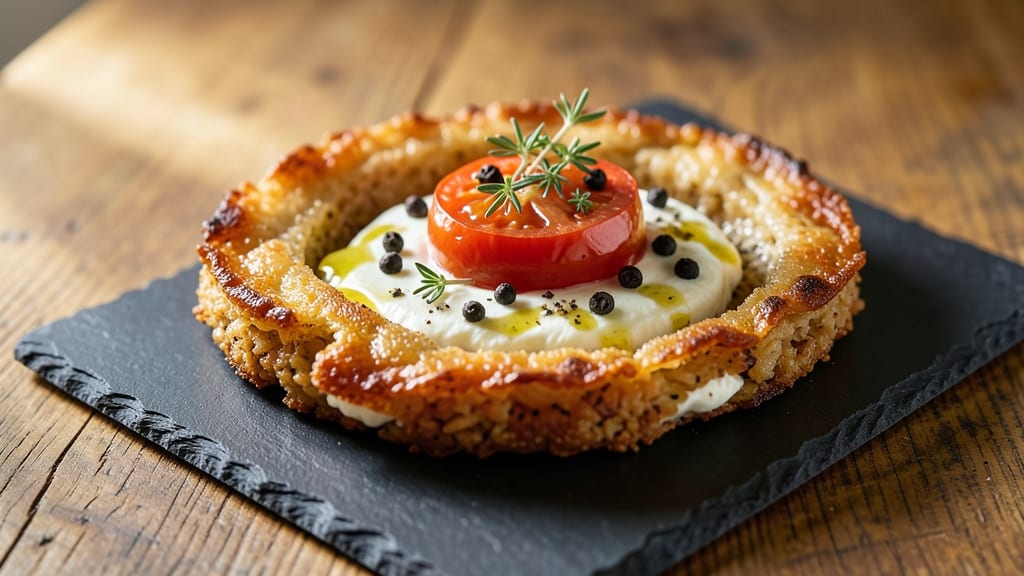
This brown rice crust pizza recipe delivers a crispy, chewy base that rivals traditional dough—without the gluten. The secret lies in blending soaked brown rice with nutritional yeast and olive oil, then baking until golden and perfectly crisp.
I developed this after years of experimenting with grain-based crusts, and it never fails to impress with its nutty depth and satisfying texture.
What sets this crust apart is its foolproof technique: no yeast, no kneading, just a simple blend that transforms into a sturdy, flavorful foundation. The rice absorbs moisture perfectly during soaking, creating a cohesive crust that holds toppings beautifully.
Ready in just 30 minutes, this recipe is ideal for vegan diets, gluten-free needs, or anyone craving a lighter yet hearty pizza experience.
Ingredients for brown rice crust
Soaked brown rice transforms into a crispy-chewy crust with just these 13 ingredients—no gluten, no yeast, no compromise.
| Ingredient | Amount | Notes |
|---|---|---|
| Short-Grain Brown Rice 🌾 | 1 ½ cups | Uncooked, soaked overnight |
| Extra-Virgin Olive Oil 🫒 | ½ cup | High-quality, fruity variety |
| Nutritional Yeast 🧀 | ½ cup | Fortified, for cheesy flavor |
| Garlic Cloves 🧄 | 4 cloves | Minced, for aromatic depth |
| Dried Thyme 🌿 | 1 tbsp | Or 1 tbsp fresh thyme leaves |
| Diamond Crystal Kosher Salt 🧂 | 1 ½ tsp | Fine grain preferred |
| Ground Black Pepper 🌶️ | ½ tsp | Freshly ground for best flavor |
| Flaxseed Meal 🌱 | 2 tbsp | For binding, mixed with water |
| Cold Water 💧 | ½ cup | Room temperature preferred |
| Tomato Sauce 🍅 | 1 ½ cups | San Marzano preferred |
| Vegan Mozzarella Shreds 🧀 | 1 ½ cups | Store-bought or homemade |
| Fresh Basil Leaves 🌿 | ¼ cup | Chopped, for garnish |
| Sun-Dried Tomatoes 🍅 | ¼ cup | Chopped, optional topping |
The brown rice is the foundation, and short-grain varieties like Arborio work best—they hold moisture and create that satisfying chew. Soak it overnight in twice the volume of water (3 cups for 1.5 cups rice) to soften perfectly. Trader Joe's and bulk bins at natural markets carry excellent quality at reasonable prices. Skip pre-cooked rice—its texture won't hold up. The nutritional yeast is non-negotiable for that authentic cheesy depth; Bragg is my go-to brand for consistent results. Fresh garlic and thyme elevate the crust's complexity, but if you're short on time, dried thyme works at half the amount.
No flaxseed? Chia seeds soaked in water (1 tbsp chia + 3 tbsp water = 2 tbsp flax) serve as a perfect binder. Olive oil quality matters—California extra-virgin with fruity notes adds richness that cheap oil can't replicate. The tomato sauce can be store-bought (Rao's is reliable) or homemade; just ensure it's low-acid to avoid crust souring. For the vegan cheese, Miyoko's or Violife melt beautifully, but homemade cashew cheese works too if you're ambitious. Sun-dried tomatoes add a burst of umami—oil-packed varieties are more flavorful than dried.
The crust keeps well for 3 days in the fridge, wrapped tightly in parchment and foil. Reheat in a 375°F oven for 5-7 minutes to restore crispiness. For longer storage, freeze the unbaked crust on a tray before transferring to a bag—up to 3 months. I like to prep the crust base ahead and assemble with toppings the same day to maintain that perfect texture. The basil wilts fast, so add it fresh after baking, and the sun-dried tomatoes can be tossed on post-bake to keep them vibrant.
Why You'll Love This Recipe
- No Blender Needed: I swear by this—just toast the rice in a dry pan until it’s nutty and fragrant. That’s it. No food processor, no fuss, and the texture? Chef’s kiss. The rice clumps perfectly when mixed with warm olive oil, and honestly, the crust holds together better than most store-bought versions.
- Umami Bomb: Between us, nutritional yeast is the secret weapon here. It’s got this funky, cheesy depth that makes the crust taste like it belongs in a fancy restaurant, not your weeknight dinner. Add the roasted garlic and thyme? Suddenly, you’re not just eating a crust—you’re eating flavor.
- Crust for Everything: This isn’t just for pies. I’ve used it under sheet-pan dinners, as a crispy topping for veggie bakes, and even as a quick breading for roasted veggies. (Yes, even on a Tuesday night.) The rice stays sturdy when baked, so it won’t turn to mush—ideal for anything you can dream up.
- Pantry Staple Magic: Short-grain brown rice is cheap, and you likely already have olive oil, garlic, and herbs. No specialty ingredients, no last-minute grocery runs. Plus, the leftovers? Toss them in the freezer and bake straight from frozen—no reheating drama. Budget-friendly, reliable, and always ready when you are.
Step-by-step instructions for brown rice crust pizza
This method delivers a perfectly crispy yet chewy brown rice crust with authentic pizza texture.
Prepare the Brown Rice Base
Begin by draining the soaked 1.5 cups short-grain brown rice (it should have tripled in size) through a fine-mesh strainer. Transfer to a food processor and pulse until you achieve a coarse, gritty texture—think somewhere between flour and fine sand. This texture is crucial for creating that signature crispy-chewy contrast in the crust.
In a separate bowl, whisk together the 2 tablespoons flaxseed meal with the 0.5 cup cold water. Let this mixture sit for 5 minutes until it thickens into a gel-like consistency. This flax "egg" acts as our binder, replacing traditional eggs while maintaining structural integrity. The rice mixture should feel damp but not wet—if it's too dry, add 1 teaspoon water at a time until it holds together when pressed.
Combine Wet and Dry Ingredients
In the food processor, add the processed rice to the flax gel along with the 0.5 cup nutritional yeast, 1.5 teaspoons kosher salt, 0.5 teaspoon ground black pepper, and 1 tablespoon dried thyme. Pulse just until everything is evenly distributed—you want to preserve some texture in the rice rather than creating a smooth batter.
With the processor running, slowly drizzle in the 0.5 cup extra-virgin olive oil until fully incorporated. The dough should come together into a thick, pliable mass that clings to the sides of the processor bowl. If it's too sticky to handle, chill in the refrigerator for 10 minutes to firm up. This step is where the magic happens—the olive oil provides the necessary fat for that crispy exterior while keeping the interior tender.
Form and Pre-Bake the Crust
Preheat your oven to 425°F with a pizza stone or inverted baking sheet already inside for at least 30 minutes. This ensures your crust gets maximum heat transfer for that perfect crisp. Divide the dough into 4 equal portions (about ½ cup each) and roll each into a 10-inch round on parchment paper, keeping edges slightly thicker for a rustic look.
Transfer the rolled crusts to the preheated stone/sheet and bake for 12-15 minutes until the edges are deep golden brown and the centers feel firm to the touch. You're aiming for a crust that's crispy around the edges but still slightly pliable in the middle—this prevents cracking when you add toppings later. Rotate the crusts halfway through baking for even color development.
Assemble and Bake the Pizza
Remove the pre-baked crusts from the oven and immediately spread ½ cup tomato sauce evenly over each crust, leaving a ½-inch border for the crust. Sprinkle ⅓ cup vegan mozzarella shreds over each pizza, then add 1 tablespoon chopped sun-dried tomatoes and 1 tablespoon chopped fresh basil leaves to each. The residual heat will make the cheese soften slightly but not melt completely—this creates that perfect balance of texture.
Return the assembled pizzas to the oven and bake for an additional 8-10 minutes until the cheese is fully melted and bubbly, and the crust edges are crispy and golden. The crust should hold its shape without becoming soggy—a testament to our careful pre-baking step. If the cheese browns too quickly, tent with foil for the last 2 minutes of baking.
Finish and Serve Immediately
Let the pizzas rest for 2-3 minutes before slicing—this allows the cheese to set slightly and prevents a runny mess. Garnish each slice with an additional sprinkle of fresh basil leaves and a pinch of black pepper for freshness. The crust should have a satisfying crunchy exterior with a chewy interior, perfectly complementing the melted vegan cheese and tangy tomato sauce.
Serve immediately while the crust is at its crispiest. For best results, eat within 20 minutes—the crust will soften as it cools. This method delivers all the texture and flavor of traditional pizza crust without the gluten, making it an excellent option for those seeking a wholesome yet indulgent treat.
Pro Tips For Making Brown Rice Crust
- TOAST THE RICE FIRST: Brown rice crust works best when the rice starts dry. Spread uncooked short-grain brown rice on a baking sheet and toast it in a 350°F (175°C) oven for 10–12 minutes, stirring halfway—this deepens the nutty flavor and prevents a gummy crust.
- PRESS HARD AND HOLD: Don’t just sprinkle the rice mix and hope for the best. Press it firmly into the pan or baking dish with the back of a spoon or your palm, packing it tightly. This ensures even cooking and a sturdy crust—no loose crumbles when slicing.
- USE FRESH GARLIC, NOT POWDER: Fresh minced garlic cloves add a brightness dried powder can’t match. If you’re short on time, finely grate the cloves instead of mincing—it distributes better and avoids clumps in the crust.
- COOK LOW AND SLOW: After pressing the crust, bake it at 325°F (165°C) for 25–30 minutes, not high heat. Rushing it leads to a burnt exterior and raw center—this method guarantees a crispy outside with a tender, cohesive interior.
Regional styles of this recipe
Japanese-Inspired Crust
Transform this crust into a Japanese okonomiyaki-inspired base by swapping the tomato sauce for a savory cabbage and caramelized onion mixture. Thinly slice 1 cup green cabbage and sauté with ½ cup caramelized onions until tender.
Add 1 tbsp soy sauce and ½ tsp ginger powder before assembling on the crust. Top with vegan mayo, thinly sliced scallions, and a sprinkle of toasted sesame seeds for that classic okonomiyaki flavor. 🌿
Mexican Street Taco Style
For a taco-style crust, skip the tomato sauce entirely and spread a layer of refried black beans (about ½ cup per crust) as your base. Top with sautéed peppers and onions, vegan cotija cheese, and a drizzle of avocado crema.
Finish with cilantro, lime wedges, and a pinch of chili powder for a bold, flavorful twist. This version works perfectly as a handheld taco or nacho-style dish. 🌶️
Italian Focaccia Twist
Create an Italian-inspired focaccia-style crust by pressing the dough into a rectangular shape on a baking sheet. Before baking, dimple the surface with your fingers and drizzle with olive oil, then sprinkle with flaky sea salt and dried rosemary.
Bake as directed, then top with roasted cherry tomatoes, kalamata olives, and vegan feta for a Mediterranean-inspired masterpiece. Serve warm with a side of balsamic glaze. 🍅
Indian Naan-Inspired Crust
For an Indian-inspired naan-style crust, replace the tomato sauce with a garlic-yogurt sauce (mix ¼ cup vegan yogurt with 1 minced garlic clove and ½ tsp cumin). Top with sautéed spinach, vegan paneer, and a sprinkle of chaat masala for a tangy, spiced flavor.
Garnish with fresh cilantro and a drizzle of mint chutney for an authentic Indian-inspired pizza experience. 🌶️
Middle Eastern Labneh Style
Turn your crust into a Middle Eastern labneh-inspired flatbread by omitting the tomato sauce and topping with vegan labneh (blend 1 cup silken tofu, 2 tbsp lemon juice, and 1 tsp salt until smooth).
Add diced cucumbers, cherry tomatoes, za'atar seasoning, and a drizzle of olive oil. Fold into a wrap or serve as a flatbread with hummus on the side for dipping. 🥙
Nutrition facts
Frequently asked questions
Can I make this crust without a food processor?
Yes! If you don't have a food processor, pulse the soaked brown rice in a high-powered blender or even a mortar and pestle until you achieve a coarse, gritty texture. For a rustic version, you can also chop the drained rice finely with a knife and mix it by hand with the other ingredients. The texture will be slightly less uniform but still delicious.
Why does my crust crack when baking?
Cracking usually happens when the crust is too dry or the oven isn't hot enough. Make sure your dough is damp but not wet, and preheat your oven with the pizza stone for at least 30 minutes to reach 425°F. If cracks appear, brush the crust with a little olive oil before adding toppings to seal the cracks.
Can I use white rice instead of brown rice?
White rice won't work as well because it lacks the chewy texture and nutty flavor of brown rice. The bran and germ in brown rice are key for that satisfying bite. If you're in a pinch, try short-grain white rice, but soak it for 4 hours (not overnight) and expect a slightly less robust crust.
How do I store leftover crust?
Store pre-baked crusts in an airtight container at room temperature for up to 3 days, or freeze for 3 months. To reheat, bake at 375°F for 5-7 minutes until crispy. For assembled pizzas, eat within 2 days or freeze before baking. The crust loses crispiness when reheated, so it's best enjoyed fresh.
What are the best vegan cheese alternatives?
For the best melt and flavor, try Miyoko's or Violife mozzarella shreds. For a homemade option, blend 1 cup cashews soaked in hot water, 2 tbsp nutritional yeast, 1 tbsp lemon juice, and ¼ tsp salt until smooth. Store-bought vegan cheeses like Daiya or Follow Your Heart also work well.