
Main Courses
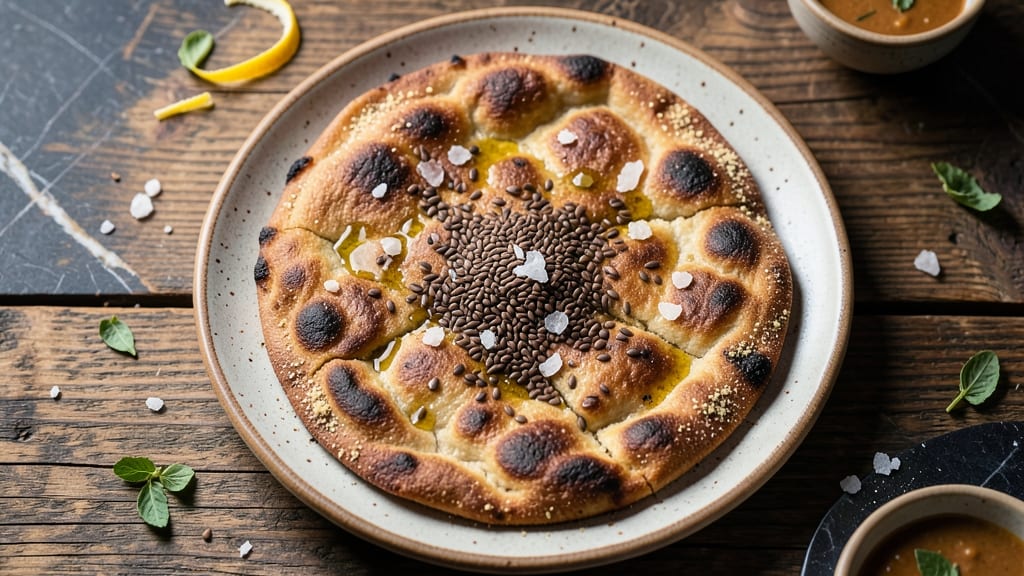
This brown rice flatbread recipe transforms whole grains into a nutty, flexible wrap perfect for any meal—no yeast required. The secret lies in blending brown rice flour with just water, oil, and salt, creating a dough that rolls effortlessly into pliable, slightly chewy flatbreads with a toasty aroma.
It’s a game-changer for gluten-free diets or anyone craving a lighter, whole-grain alternative to traditional wraps.
Pan-fried or baked to golden perfection, these flatbreads hold up beautifully to curries, dips, or even as a sandwich base—all while delivering the satisfying texture of restaurant-quality wraps. The nutty flavor from the brown rice flour adds depth, making them versatile enough for breakfast tacos or dinner wraps.
Ready in under 30 minutes, this recipe proves wholesome ingredients can taste just as indulgent as refined flour.
Ingredients for brown rice flatbread
Whole-grain flour, minimal ingredients, and a touch of spice create restaurant-quality flatbreads with nutty depth.
| Ingredient | Amount | Notes |
|---|---|---|
| Brown Rice Flour 🌾 | 2 cups | Finely milled for smooth texture |
| Filtered Water 💧 | 1 ¼ cups | Room temperature preferred |
| Extra-Virgin Olive Oil 🫒 | ¼ cup | High-quality for nutty flavor |
| Kosher Salt 🧂 | 1 tsp | Diamond Crystal preferred |
| Ground Cumin 🌿 | ½ tsp | Toasted for enhanced aroma |
| Garlic Powder 🧄 | ¼ tsp | Freshly ground preferred |
| Sesame Seeds 🌰 | 1 tbsp | Toasted for crunchy finish |
| Unsalted Butter 🧈 | 2 tbsp | Melted for pan-frying |
| Fresh Cilantro 🌿 | ¼ cup | Chopped for garnish (optional) |
| Lemon Juice 🍋 | 1 tbsp | Freshly squeezed for brightness |
The brown rice flour is non-negotiable for that authentic, toasty flavor—Bob's Red Mill or Anthony's Goods are my go-tos for consistent quality. If you can't find it, substitute half with whole wheat flour, but texture will differ. The olive oil should be extra-virgin—look for Italian or Spanish varieties with fruity notes. Toast the spices (cumin and garlic powder) in a dry pan for 30 seconds before mixing to deepen their aroma. For the sesame seeds, black or white work equally well, but toast them until golden for maximum crunch.
No sesame seeds? Poppy seeds or crushed pistachios add a different but equally delightful texture. Short on butter for pan-frying? Use ghee or avocado oil—both handle high heat beautifully. The cilantro is optional but recommended for a fresh contrast; if you dislike it, skip it entirely or use fresh parsley instead. For extra flavor, add a pinch of smoked paprika to the dough. If your flatbreads crack while rolling, let the dough rest for 10 minutes covered with a damp towel—this prevents tearing and ensures pliability.
Store the dry flour mixture in an airtight container for up to 3 months in a cool, dark place. Once made, flatbreads reheat best in a dry skillet over medium heat for 20-30 seconds per side—they crisp up beautifully. For meal prep, wrap cooled flatbreads in beeswax paper and freeze for up to 1 month. To revive, bake at 350°F for 5-7 minutes until warmed through. These flatbreads are perfect for batch cooking—make a double batch and use them throughout the week for wraps, tacos, or even as a base for grain bowls.
Why You'll Love This Recipe
- No-Fuss Mix-In: I swear by this dough—just flour, water, and oil. No yeast, no waiting, no stress. Mix it, roll it, cook it. That’s it. Even my kids can handle it while I’m pretending to supervise dinner.
- Earthy Warmth: The cumin and olive oil give it this cozy, slightly nutty depth that’s ridiculously satisfying. It’s not just bread—it’s got character, like a hug from your favorite spice rack.
- Packable Magic: Stays fresh for days in the fridge (or freezes like a champ). Wrap a few in a towel, toss them in your bag, and boom—you’ve got a portable, gluten-free snack or a quick lunch base. Perfect for picnics or lazy mornings.
- Budget-Friendly Staple: Brown rice flour is cheap, and this recipe stretches further than store-bought wraps. Use half the dough for dinner, save the rest for tomorrow’s lunch. Plus, no fancy ingredients—just pantry basics. My wallet thanks me every time.
Step-by-step instructions for brown rice flatbread
Mastering these nutty, flexible wraps requires precise technique and patience—here's how to achieve perfect results every time.
Combine Wet Ingredients for a Smooth Batter
In a medium bowl, whisk together the 1.25 cups filtered water, 0.25 cup extra-virgin olive oil, 1 tsp kosher salt, 0.5 tsp ground cumin, and 0.25 tsp garlic powder until fully dissolved. The mixture should look like a pale, slightly oily liquid with no visible dry spots. I like to let this sit for 5 minutes to allow the spices to bloom and infuse the oil with their aromatic qualities.
This step is critical—properly hydrating the spices ensures even flavor distribution throughout the flatbread. If you notice any undissolved salt or cumin, give it another quick whisk. The batter should be smooth enough to pour but thick enough to hold its shape when rolled out later. The olive oil not only adds richness but also helps create that signature tender yet slightly chewy texture.
Gradually Incorporate the Brown Rice Flour
Slowly pour in the 2 cups brown rice flour while whisking continuously. You'll need to use a spatula to scrape down the sides of the bowl and ensure all the flour is fully incorporated. The mixture will become thick and dough-like, similar to hummus in consistency. If it feels too sticky, you can add 1-2 tablespoons more flour—just enough to make it pliable but not dry.
Here's the thing—brown rice flour absorbs moisture differently than wheat flour, so don't be surprised if the dough feels slightly gummy at first. Work it gently with your hands until it comes together into a smooth, cohesive mass. The dough should be soft but not wet, and it should hold its shape when pressed between your fingers. If it's too dry and crumbly, add 1 teaspoon water at a time until it becomes workable. This dough has no gluten development, so it won't spring back when pressed.
Divide and Rest the Dough
Divide the dough into 4 equal portions, each about the size of a golf ball. Gently flatten each portion into a disc about ½-inch thick. Place them on a clean surface, cover with a damp towel, and let them rest for 20 minutes. This resting period allows the dough to relax and prevents cracking when you roll them out later.
I know it seems counterintuitive to let dough rest when making flatbreads, but this step makes all the difference. The brown rice flour has a tendency to be dense, and resting helps distribute the moisture evenly. During this time, I recommend keeping the dough covered to prevent it from drying out. If your kitchen is particularly dry, you might want to increase the resting time to 30 minutes—just make sure not to overdo it, or the dough will become too sticky to handle.
Cook the Flatbreads in Butter
Heat a clean skillet over medium heat until it's hot enough that a drop of water sizzles and evaporates instantly. Add 1 tablespoon unsalted butter to the pan and let it melt completely, coating the surface evenly. Take one of the rested dough discs and gently press it between your palms to create a slightly thicker center—this helps create that characteristic puff when it cooks.
Place the dough in the skillet and cook for 2-3 minutes per side, until golden brown spots appear and the edges begin to lift slightly from the pan. You'll know it's ready when you can see light brown spots forming and the flatbread releases easily from the pan. I press down gently on the flatbread during the first minute to ensure even contact with the pan—this prevents it from curling and ensures the butter coats all surfaces. Flip carefully using a thin spatula, and repeat on the second side. Remove to a plate and keep warm while you cook the remaining flatbreads.
Finish with Sesame Seeds and Garnish
While the flatbreads are still warm, brush each one lightly with a thin layer of the remaining 1 tablespoon lemon juice mixed with 1 tablespoon extra-virgin olive oil. This adds a bright, tangy finish that cuts through the nutty richness of the brown rice flour. Immediately sprinkle each flatbread with ½ tablespoon sesame seeds, pressing them gently into the surface so they adhere.
For the final touch, sprinkle with the 0.25 cup chopped fresh cilantro if using. The contrast between the toasted sesame seeds, fresh herbs, and warm flatbread creates a sensory experience that's both satisfying and balanced. These wraps are best served immediately while still warm and pliable. If you need to store them, let them cool completely, then wrap in a clean kitchen towel and store in an airtight container for up to 3 days. To reheat, simply warm in a dry skillet over medium heat for 1-2 minutes per side.
Pro Tips For Making Brown Rice Flatbread
- STIR FOR 5 MINUTES: Brown rice flour is stubborn—it clumps like a grumpy cat if you don’t work it. Whisk in the water slow at first, then stir vigorously for at least 5 minutes until the dough is smooth and elastic. (Yes, even if it looks like glue at first.)
- SALT THE OIL FIRST: Toss a pinch of kosher salt into the olive oil before heating—it seasons the flatbread from the first crisp. I learned this the hard way after making bland, dry edges. Trust me, the flavor sticks better this way.
- PRESS THIN, COOK FAST: Roll the dough thinner than you think—about ⅛-inch thick—or it’ll steam instead of crisp. Hit medium-high heat and cook for 2-3 minutes per side until golden brown. (No, it won’t be perfect—just keep flipping.)
- REST THE DOUGH 30 MINUTES: Skip the rush and let the dough sit covered at room temp. It’ll relax, making it easier to roll without cracking. I used to skip this, and the flatbreads always tore apart like brittle paper. (Your future self will thank you.)
Essential equipment for brown rice flatbread
Essential Skillet
You’ll need a heavy-bottomed cast iron skillet like the Lodge 10-inch—its heat retention ensures even cooking and prevents hot spots that can burn your flatbreads.
If you don’t have cast iron, a stainless steel skillet with a well-seasoned surface works too, though it may require slightly more butter to prevent sticking. Avoid non-stick pans for this recipe—they won’t develop the same caramelized crust. 🔥
Rolling Pin & Surface
A wooden rolling pin (like the OXO Good Grips) is ideal for this dough—it won’t tear the delicate flatbreads like metal pins can. For your work surface, use a light-colored silicone mat or a clean, dry cotton towel to prevent sticking.
If you don’t have a rolling pin, gently press the dough with your palms or use the bottom of a heavy drinking glass to flatten it evenly.
Measuring Tools
Precision matters with brown rice flour—use a gram-scale for the most accurate measurements, especially if you’re scaling the recipe up or down. For quick measurements, a stainless steel measuring cup (like OXO’s) ensures clean lines.
A small whisk (for the wet ingredients) and a spatula (for mixing the flour) are also essential for smooth dough consistency.
Optional Extras
For toasting spices, a small dry skillet or even a non-stick frying pan works—just keep an eye on them to avoid burning. A microplane comes in handy for fresh garlic if you’re adding it beyond the powdered version.
And for storage, a beeswax wrap or airtight container keeps flatbreads fresh longer than plastic bags.
Budget-Friendly Swaps
No cast iron skillet? A well-seasoned ceramic or enamel pan will work in a pinch. Skip the rolling pin and flatten the dough with a clean wine bottle or your palms.
For sesame seeds, sunflower seeds or crushed peanuts add a similar crunch. The key is keeping your tools clean and dry—this dough is forgiving but hates moisture.
Nutrition facts
Frequently asked questions
Why does my brown rice flatbread dough feel too sticky?
Brown rice flour absorbs moisture differently than wheat flour, so the dough may feel gummy. Add 1 tablespoon more brown rice flour at a time until it becomes pliable but not dry. If it's still too sticky after adding flour, let it rest covered for 10-15 extra minutes—this helps the flour absorb moisture better.
Can I make these flatbreads without a rolling pin?
Use your palms to gently press and stretch the dough into thin circles. For even thickness, place the dough between two sheets of parchment paper and use a heavy pan or wine bottle as a makeshift rolling pin. The key is patience—work slowly to avoid tearing the delicate dough.
How do I prevent my flatbreads from cracking while cooking?
Cracking usually happens when the dough is too dry or the heat is too high. Keep your skillet over medium heat (not high) and press down gently on the flatbread during the first 30 seconds of cooking. If cracks appear, simply cover them with extra sesame seeds or herbs—they'll blend right in!
Are these flatbreads gluten-free?
Yes! Since they're made with 100% brown rice flour, they're naturally gluten-free. However, always check your brown rice flour label to confirm it's processed in a gluten-free facility. These flatbreads are perfect for gluten-sensitive diets while still delivering that satisfying chewy texture.
What's the best way to reheat leftover flatbreads?
For best results, warm in a dry skillet over medium heat for 20-30 seconds per side until crispy again. If you prefer oven reheating, bake at 350°F for 3-4 minutes until warmed through. Avoid microwaving—they'll get soggy instead of crispy!