
Main Courses
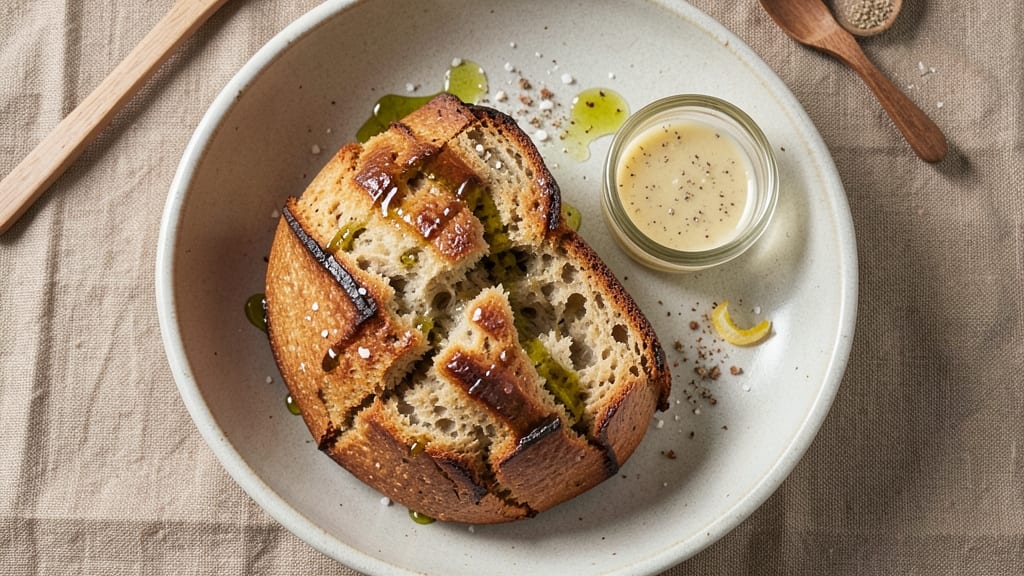
This brown rice flour yeast bread delivers the perfect balance of crispy crust and airy crumb—proof that gluten-free baking can rival traditional loaves. The secret lies in proper hydration and yeast activation, transforming simple ingredients into a satisfying, hearty loaf that's vegan-friendly and packed with nutty flavor.
The magic happens when you combine brown rice flour with yeast, water, and a touch of oil, letting the dough rest before shaping and baking. This method ensures a tender crumb with a golden, crackly exterior that holds up beautifully for sandwiches or toast.
Whether you're adapting for gluten-free needs or simply seeking a wholesome alternative, this bread delivers restaurant-quality results at home.
Ingredients for brown rice flour bread recipe with yeast
Brown rice flour forms the heart of this gluten-free loaf, paired with yeast and hydration secrets for crispy crust and airy crumb.
| Ingredient | Amount | Notes |
|---|---|---|
| Brown Rice Flour 🌾 | 3 cups | Finely milled, unbleached preferred |
| Active Dry Yeast 🍞 | 1 tbsp | Instant yeast preferred for faster activation |
| Warm Water 💧 | 1 ¼ cups | 105-115°F for optimal yeast activation |
| Extra-Virgin Olive Oil 🫒 | ¼ cup | High-quality for richness and flavor |
| Granulated Sugar 🍬 | 1 tbsp | Feeds yeast for proper rise |
| Apple Cider Vinegar 🍎 | 1 tbsp | Enhances gluten-free structure |
| Psyllium Husk Powder 🌿 | ½ tbsp | Essential for gluten-free binding |
| Salt 🧂 | 1 ½ tsp | Diamond Crystal preferred for balance |
| Ground Flaxseed 🌰 | 1 tbsp | Mixed with water for egg substitute |
| Water (for flax egg) 💧 | ¼ cup | Mix with flaxseed for binding |
| Sesame Seeds 🌻 | 1 tbsp | For decorative crust topping |
| Maple Syrup 🍁 | 1 tsp | For crust enhancement and sweetness |
| Cornmeal 🌽 | ¼ cup | For dusting and crispy base |
The brown rice flour is non-negotiable here—Bob's Red Mill or Anthony's Goods brands provide the finest grind for optimal texture. For yeast, Saf-Instant activates faster than active dry, saving precious time. The psyllium husk powder is your gluten-free binding hero; Now Foods organic version works beautifully. Warm the water to 105-115°F—too hot kills yeast, too cold slows activation. The apple cider vinegar might seem unusual, but it mimics gluten's structure when combined with psyllium, creating that satisfying chew.
No psyllium husk? Xanthan gum at half the amount works in a pinch, though texture won't be identical. Substituting flaxseed for the egg? Chia seeds at double the amount also works—just mix with water and let sit. The olive oil can be swapped for avocado oil if you prefer neutral flavor. For extra nuttiness, toast the brown rice flour in a dry pan for 2 minutes before mixing—worth the extra minute for deeper flavor. The sesame seeds? Toast them lightly first for maximum crunch.
This dough needs 1.5 hours of proofing at room temperature, then another hour in the fridge if baking later. Shape the loaf on a parchment-lined pan dusted with cornmeal for easy release. For maximum crispiness, brush the crust with maple syrup after baking. Stored in an airtight container at room temperature, it keeps for 3 days. Freeze slices for up to 3 months—toast straight from frozen for crispy results.
Why You'll Love This Recipe
- No-Fuss Gluten-Free: I’ll admit, gluten-free baking often feels like a science experiment—but this bread? Just mix, let it rise, and bake. The yeast does all the heavy lifting while I sip my coffee.
- Nutty, Earthy Richness: That brown rice flour gives it a subtle toasted depth, almost like a cross between sourdough and a warm muffin. A drizzle of olive oil while it’s still hot? Absolute magic.
- Lunchbox Hero: Between us, this bread stays fresh for days, making it my go-to for sandwiches or toast. Pack it for work, freeze slices for lazy mornings—it’s my secret weapon for busy weeks.
- Pocketbook Approved: Brown rice flour is cheaper than most specialty flours, and a single batch stretches to feed my family for days. Plus, the olive oil and sugar add just enough luxury without breaking the bank.
Step-by-step instructions for brown rice flour yeast bread
Master this gluten-free technique for a bread with restaurant-quality texture and golden crust.
Activate the Yeast and Prepare the Flax Egg
In a small bowl, whisk together the 1 tbsp ground flaxseed and 0.25 cup water (for flax egg). Let this mixture sit for 5 minutes until it thickens into a gel-like consistency—this will replace eggs in our gluten-free dough. Meanwhile, in a separate bowl, combine the 1.25 cups warm water (105-115°F), 1 tbsp granulated sugar, and 1 tbsp active dry yeast.
Let the yeast mixture sit for 5-10 minutes until it becomes foamy and bubbly—this confirms the yeast is active. If it doesn't bubble, your yeast may be expired. The warm water temperature is critical here; too hot kills yeast, too cold prevents activation. I always test the water temperature with my finger—it should feel pleasantly warm, not hot.
Mix the Wet Ingredients and Combine with Dry
In a large mixing bowl, combine the activated yeast mixture, 0.25 cup extra-virgin olive oil, 1 tbsp apple cider vinegar, 1 tsp maple syrup, and the thickened flax egg. Mix thoroughly until well incorporated. The vinegar and maple syrup work together to enhance the gluten-free structure and add subtle sweetness.
In a separate bowl, whisk together the 3 cups brown rice flour, 0.5 tbsp psyllium husk powder, and 1.5 tsp salt. The psyllium husk is our secret weapon—it mimics gluten's binding properties. Gradually add the dry ingredients to the wet mixture, stirring constantly with a wooden spoon or silicone spatula until a shaggy dough forms.
Knead and Rest for Optimal Texture
Transfer the dough to a lightly oiled surface and knead gently for 3-5 minutes until it becomes smooth and elastic. Unlike wheat dough, gluten-free dough doesn't develop gluten, so we're not looking for the same stretchy properties. Instead, focus on distributing the psyllium husk evenly throughout the dough for proper structure.
Place the dough in a lightly oiled bowl, cover with a damp kitchen towel, and let it rise at room temperature for 1-1.5 hours or until it has nearly doubled in size. The dough should feel slightly springy when pressed gently with your finger. If your kitchen is cold, place the bowl in a warm oven with the light on to maintain an ideal rising temperature of 75-80°F.
Shape and Prepare for Baking
Lightly dust a baking sheet with 0.25 cup cornmeal and transfer the risen dough to the prepared surface. Gently shape the dough into a loaf pan or free-form boule, brushing the top with a little water. Sprinkle the 1 tbsp sesame seeds evenly over the top for that signature decorative crust and extra crunch.
Let the shaped dough rest for 15-20 minutes while you preheat your oven to 375°F. This final rest allows the dough to relax and ensures an even rise during baking. The sesame seeds will toast beautifully during baking, creating that irresistible crispy crust you're after.
Bake to Golden Perfection
Bake the bread for 40-45 minutes until the internal temperature reaches 190-195°F and the crust is deep golden brown. The bread is done when it sounds hollow when tapped on the bottom. For extra crispiness, I like to place a small pan of water on the lower oven rack during the last 10 minutes of baking—this creates steam that enhances the crust.
Remove the bread from the oven and let it cool on a wire rack for at least 30 minutes before slicing. The internal temperature will continue to rise as it cools, and this resting period allows the crumb to set properly. The result should be a bread with a crispy, golden crust that gives way to a tender, airy interior—proof that gluten-free baking can deliver restaurant-quality results.
Pro Tips For Making Brown Rice Flour Bread Recipe With Yeast
- Bloom the Yeast First: Skip mixing yeast directly into the flour—it’ll wake up better in warm water with a pinch of sugar (about 1 teaspoon). Stir for 5 minutes until frothy; if it’s sluggish, your oven’s too cold or the yeast’s expired. I learned this the hard way when my dough took three hours to rise.
- Sift the Flour Twice: Brown rice flour is dense and clumpy. Sift it before mixing with dry ingredients, then sift again after adding yeast. This prevents lumps that turn into dense pockets in your bread—no one wants a brick with texture. (Yes, even if you’re impatient like me.)
- Oil the Loaf Pan: Coat your pan with extra-virgin olive oil (not just butter or spray) and dust with a little more flour. The oil keeps the crust from sticking to the pan’s seams, and the flour prevents the bread from tearing when you pull it out. I used to skip this and ended up with half my loaf glued to the sides.
- Steam the First 10 Minutes: Place a metal bowl of boiling water on the lower oven rack while preheating. When you bake, the steam creates a softer crust—critical for brown rice flour bread, which can dry out fast. After 10 minutes, remove the bowl and bake as usual. Sounds weird, but it works: my bread stays moist for days.
Perfect pairings for this recipe
Herb & Seed Toppings
Elevate your bread’s texture and flavor with a mix of toasted sesame seeds and poppy seeds—sprinkle 1 tbsp each before baking for a nutty crunch. For extra depth, try everything bagel seasoning or fresh rosemary finely chopped and mixed into the dough.
I love adding 1 tsp dried thyme to the wet ingredients for a subtle herbal note that pairs beautifully with the nuttiness of the brown rice flour. 🌿
Sweet Spread Pairings
This bread’s subtle sweetness makes it perfect for almond butter or peanut butter sandwiches—try it with sliced bananas or dried apricots for a tropical twist. For breakfast, slather with avocado mash and a sprinkle of sea salt.
The crispy crust also holds up well to fig jam or honey drizzle for a dessert-like treat. 🍯
Savory Sandwich Ideas
Use slices for vegan "Reuben" sandwiches with sauerkraut, caramelized onions, and vegan Swiss cheese. For a Mediterranean twist, layer with hummus, roasted red peppers, and kalamata olives.
The bread’s sturdy structure makes it ideal for open-faced charcuterie boards with olive tapenade and marinated artichokes. 🧀
Beverage Matchups
Pair this bread with chilled hibiscus tea or matcha latte to complement its earthy nuttiness. For a savory match, try dry Riesling or sparkling water with lemon. If serving with sweet spreads, a lightly sweetened chai or cold brew coffee balances the flavors perfectly.
The crispy crust also pairs wonderfully with ginger beer for a refreshing contrast. 🍵
Crunchy Add-Ins
Mix 1 tbsp chopped walnuts or pumpkin seeds into the dough for extra texture. For a cheesy flavor without dairy, add 1 tsp nutritional yeast to the dry ingredients—it adds a savory umami depth.
I also recommend toasting the seeds in 1 tbsp olive oil for 2 minutes before adding them to the dough for maximum flavor. 🌰
Dipping Sauces
Serve with garlic aioli (mix 2 tbsp vegan mayo, 1 minced garlic clove, and ½ tsp lemon juice) or spicy harissa for dipping. A simple olive oil and balsamic reduction (simmer 2 tbsp olive oil and 1 tbsp balsamic vinegar until thickened) adds a tangy contrast.
The bread’s neutral flavor makes it a perfect canvas for bold sauces. 🍴
Nutrition facts
Frequently asked questions
Why does this brown rice flour bread need psyllium husk?
Psyllium husk is essential for gluten-free structure—it mimics gluten's binding properties when hydrated. The 0.5 tbsp creates elasticity and prevents crumbling. Without it, your bread will be dense and fall apart. Think of it as the "glue" that holds the crumb together during baking.
Can I make this bread without a loaf pan?
Shape the dough into a free-form boule or baguette on a parchment-lined baking sheet. Brush with water and sprinkle seeds before baking. For extra crispiness, score the top with a sharp knife before baking. The crust will be even more rustic and flavorful.
What if my dough doesn't rise properly?
Check your yeast first—it should be fresh (within 4 months) and activated (foamy in 5-10 minutes). Warmth is key: place the dough in a 75-80°F environment (like a turned-off oven with light on). If still flat, try adding 1 extra tsp sugar to feed the yeast. Patience is crucial—gluten-free dough rises slower.
How do I store this bread to keep it fresh?
Cool completely, then wrap tightly in beeswax wrap or place in an airtight container. It stays fresh for 3 days at room temperature. For longer storage, freeze slices for up to 3 months. Toast straight from frozen for maximum crispiness. The crust will soften slightly over time—best enjoyed within 2 days of baking.
Can I substitute brown rice flour with white rice flour?
Yes, but expect a lighter flavor and less nuttiness. Use the same amount of white rice flour, but add 1 tbsp extra oil for moisture. The texture will be slightly less dense, but still excellent for sandwiches. For best results, blend half brown, half white rice flour for a balanced flavor and structure.