
Salads
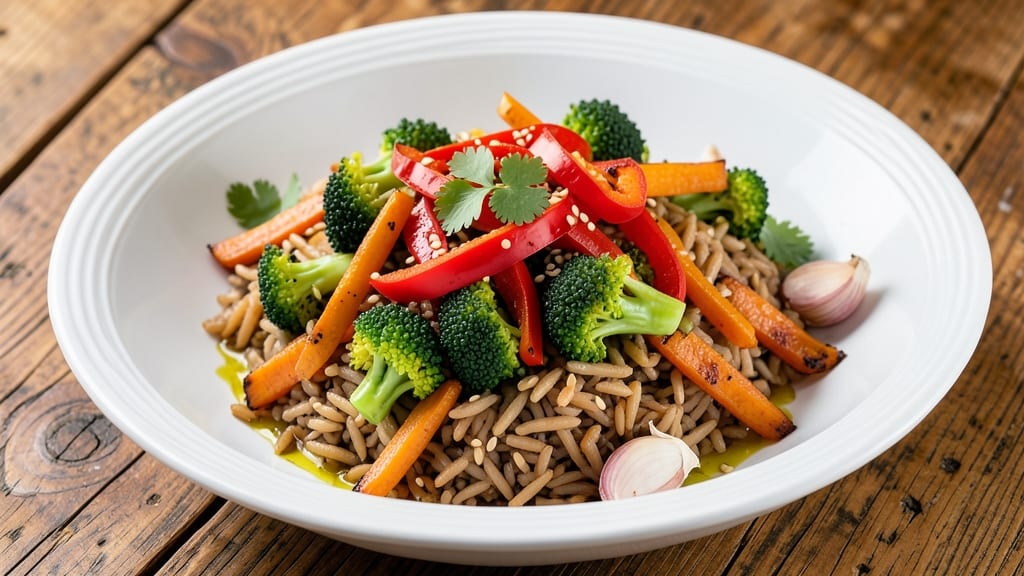
This one-pot brown rice and mixed vegetables recipe transforms simple ingredients into a nutrient-packed meal that’s ready in just 25 minutes. Perfect for weeknight dinners, it delivers fiber-rich brown rice and vibrant vegetables in one flavorful, easy-to-make dish.
The secret lies in balancing textures and seasonings to create a satisfying, protein-friendly plate that works as a side or light main.
With minimal prep and a single pot, you’ll achieve tender brown rice and perfectly cooked vegetables—carrots, bell peppers, and broccoli—all infused with aromatic herbs and a touch of garlic. The dish stays light yet filling, making it ideal for meal prep or a quick, healthy dinner.
No complicated techniques required—just layer flavors and let the rice and veggies cook together for effortless harmony.
Ingredients for brown rice mixed vegetables
Simple whole-food ingredients that harmonize perfectly in one pot for a balanced, nutrient-rich meal.
| Ingredient | Amount | Notes |
|---|---|---|
| Long-Grain Brown Rice 🌾 | 1 cup | Uncooked, rinsed thoroughly |
| Vegetable Broth 💧 | 2 cups | Low-sodium preferred |
| Carrots 🥕 | 1 cup | Baby carrots or diced |
| Red Bell Pepper 🌶️ | 1 whole | Diced, seeds removed |
| Broccoli Florets 🥦 | 2 cups | Fresh or frozen |
| Garlic Cloves 🧄 | 3 cloves | Minced finely |
| Extra-Virgin Olive Oil 🫒 | 2 tbsp | For sautéing |
| Fresh Parsley 🌿 | ¼ cup | Chopped finely |
| Fresh Thyme Leaves 🌿 | 1 tbsp | Or 1 tsp dried |
| Lemon Juice 🍋 | 1 tbsp | Freshly squeezed |
| Diamond Crystal Kosher Salt 🧂 | ¾ tsp | Adjust to taste |
| Ground Black Pepper 🌶️ | ½ tsp | Freshly ground |
| Tofu 🧈 | ½ lb | Firm, cubed |
| Sesame Oil 🫒 | 1 tsp | For finishing |
The brown rice is the foundation—opt for long-grain varieties like jasmine or basmati for optimal texture, though traditional brown rice works splendidly. Whole Foods or Trader Joe's carry excellent organic options, or check the bulk section for cost-effective choices. Rinse thoroughly before cooking to remove excess starch and prevent gumminess. For the vegetables, fresh is ideal, but frozen broccoli and bell peppers (thawed) work equally well without sacrificing flavor. The tofu adds protein while maintaining the dish's lightness—firm or extra-firm holds its shape best during cooking.
No fresh thyme? Dried thyme at one-third the amount delivers comparable depth of flavor. Substitute bell pepper with zucchini or mushrooms if preferred, though the sweetness of bell peppers balances the earthy notes of the rice. For the tofu, marinate in soy sauce and a touch of maple syrup for 15 minutes before adding to enhance texture. The vegetable broth can be homemade or a low-sodium store-bought variety—avoid high-sodium options to maintain balance. Lemon juice brightens the dish, but lime juice** works equally well for a tangy twist.
Store cooked rice and vegetables in an airtight container for up to 5 days in the refrigerator, though flavor peaks within the first 2 days. Freeze portions for up to 3 months by spreading in a single layer before transferring to a sealed bag—this prevents clumping. Reheat gently with a splash of water or broth to restore moisture. For meal prep, double the recipe and portion into containers for 3-4 days of effortless lunches. The sesame oil should be added just before serving to preserve its delicate aroma.
Why You'll Love This Recipe
- One-Pot Magic: I swear by this recipe when I’m too tired to wash dishes—just chop the veggies, toss them in with the rice and broth, and let it simmer. The rice absorbs all the flavors while the veggies soften perfectly, and honestly? I’ve never had a single pot left behind.
- Sweet-Savory Balance: That caramelized edge on the carrots and bell pepper? It’s the secret. The broccoli stays bright and crisp in spots, while the rice soaks up the broth’s depth—like a little flavor party in every bite. My picky eater even asks for seconds now.
- Meal Prep MVP: Between us, this is my lunchbox staple. Cook a big batch on Sunday, and you’ve got five days of easy, filling meals. The rice holds up for days, and the veggies just get better as they mellow—no sad soggy leftovers here.
- Budget-Friendly Powerhouse: Brown rice and seasonal veggies won’t break the bank, and you’re getting fiber, protein, and vitamins without the grocery shock. I’ve made this for under $3 per serving, and it still feels like a proper meal—not just scraps.
Step-by-step instructions for brown rice mixed vegetables
This one-pot method delivers perfectly balanced flavors and textures in under 25 minutes.
Sauté the Aromatics and Tofu
Heat the 2 tablespoons extra-virgin olive oil in a large, deep skillet or pot over medium-high heat. Add the 0.5 pound cubed tofu and cook for 5-6 minutes, stirring occasionally, until lightly golden on all sides. This initial sear develops flavor and prevents the tofu from becoming rubbery.
Once the tofu is golden, remove it from the pan and set aside. In the same skillet, add the 3 minced garlic cloves and 1 tablespoon fresh thyme leaves. Sauté for 30-45 seconds until fragrant—you'll smell that aromatic punch that forms the base of your dish. This step is crucial for building flavor depth before adding the vegetables.
Cook the Vegetables Until Tender-Crisp
Add the 1 cup diced carrots, 1 cup diced red bell pepper, and 2 cups broccoli florets to the skillet. Stir to combine with the garlic and thyme, then cook for 4-5 minutes over medium heat. You want the vegetables to soften slightly but still retain their vibrant color and crisp texture—this ensures they stay pleasant to eat rather than becoming mushy.
Real talk: If you're using frozen broccoli, there's no need to thaw it first. The heat will handle it just fine, and you'll save time. Stir occasionally to ensure even cooking and prevent any pieces from sticking to the bottom of the pan.
Combine Rice and Broth for Perfect Texture
Add the 1 cup rinsed long-grain brown rice to the skillet and stir to coat it evenly with the vegetables and aromatics. Pour in the 2 cups vegetable broth, ensuring the rice is fully submerged. Bring the mixture to a gentle simmer over medium heat, then reduce the heat to low. Cover the skillet with a tight-fitting lid and let it cook for 15 minutes.
This low-and-slow cooking method allows the rice to absorb the broth gradually, resulting in fluffy grains rather than sticky clumps. Don't be tempted to peek or stir—this disrupts the cooking process and can lead to unevenly cooked rice. The lid creates a steam environment that's perfect for developing that nutty brown rice flavor.
Finish with Seasoning and Fresh Herbs
After 15 minutes, remove the lid and stir in the 0.75 teaspoon kosher salt, 0.5 teaspoon black pepper, and 0.25 cup chopped fresh parsley. The parsley adds a bright, fresh element that cuts through the richness of the tofu and vegetables. Taste and adjust the seasoning if needed—this is your chance to balance the flavors before the final touch.
Return the tofu to the skillet and stir gently to distribute it evenly. Cook uncovered for an additional 2-3 minutes to heat the tofu through. The rice should be tender but still have a slight bite—this is characteristic of properly cooked brown rice. If the mixture appears dry, add 1-2 tablespoons water and stir to combine.
Add Lemon and Sesame Oil for Bright Finish
Remove the skillet from heat and stir in the 1 tablespoon fresh lemon juice and 1 teaspoon sesame oil. The lemon juice brightens the dish and adds a subtle tang that complements the earthy flavors of the brown rice and vegetables. The sesame oil adds a nutty aroma and subtle heat that ties everything together.
Let the dish rest for 2-3 minutes before serving. This resting period allows the flavors to meld and the rice to finish absorbing any remaining liquid. The result is a harmonious blend of textures and flavors—creamy tofu, tender vegetables, nutty brown rice, and a bright, aromatic finish. Serve immediately while still warm for the best experience.
Pro Tips For Making Brown Rice Mixed Vegetables
- Toast the Rice First: Brown rice sticks to pans like glue if you skip this—toss it in a dry skillet over medium-high heat for 2-3 minutes until it smells nutty and looks slightly darker. This isn’t just about flavor; it prevents a gummy mess later, especially when you’re adding broth. (Yes, even if you’re impatient like me.)
- Cut Veggies Evenly: Carrots in ½-inch matchsticks, bell peppers in ¼-inch strips, broccoli florets no bigger than 1-inch—uniform sizes mean everything cooks at the same pace. I learned this the hard way when my broccoli turned to mush while the carrots stayed stubbornly crunchy.
- Boil Broth Hard: Bring the vegetable broth to a full rolling boil before adding the rice and veggies—no simmering first. Cold broth slows the start, and you’ll end up with rice that’s undercooked on the outside but mushy inside. Trust me, the extra 30 seconds saves you 20 minutes of waiting.
- Salt the Broth: Skip the pre-salted broth and add ½ teaspoon of salt directly to the water—brown rice absorbs flavor better this way, and you control the seasoning. (I used to use low-sodium broth and still ended up bland; this fixes it.)
Wine and beer pairings for this brown rice mixed vegetables
Crisp White Wine
A dry Riesling from Germany or Alsace is my go-to pairing for this dish—its crisp acidity and subtle citrus notes mirror the lemon finish in the recipe. The slight mineral undertones complement the earthy brown rice and tofu beautifully.
For something even lighter, try an Italian Vermentino—its bright, herbal profile enhances the fresh parsley and thyme. 🍷
Light-Bodied Reds
If you prefer red wine, a Pinot Noir from Oregon or Burgundy works surprisingly well. Its delicate fruitiness and silky texture won’t overpower the dish’s delicate flavors. Avoid heavy Cabernets—their bold tannins clash with the tofu and vegetables.
A Chianti with its cherry notes also pairs nicely, especially if you’ve added a splash of red wine to the cooking process. 🍇
Refreshing Beer Options
A wheat beer like Blue Moon or Hoegaarden adds a creamy, slightly sweet contrast to the dish’s savory elements. The citrusy notes in these beers echo the lemon juice, while the effervescence cleanses your palate between bites.
For a hoppier option, try a German Helles—its malty sweetness balances the dish’s earthy tones without overpowering. 🍺
Non-Alcoholic Pairings
Don’t overlook sparkling water with a squeeze of lemon or lime—it’s a refreshing alternative that enhances the dish’s bright flavors. For something more substantial, try hibiscus iced tea—its tart, floral notes complement the thyme and sesame oil beautifully.
A cucumber-mint infused water also works wonders, especially on warmer days. ✨
Pro Pairing Tips
Serve wine or beer slightly chilled—around 50-55°F for whites and 55-60°F for reds—to preserve their crispness. If using beer, pour it into a tulip-shaped glass to concentrate the aromas and enhance the experience. For the best pairing, let the beverage breathe for 10-15 minutes before serving alongside the dish. 💡
Nutrition facts
Frequently asked questions
Can I use white rice instead of brown rice?
While you can substitute white rice, the dish will lose its nutritional benefits and nutty flavor. Brown rice takes about 15 minutes longer to cook but provides fiber and minerals. If you're short on time, use white rice but reduce the liquid by 2 tablespoons and cook for 10 minutes instead. The texture will be lighter but less hearty.
What vegetables can I swap in for broccoli or bell peppers?
This recipe is flexible! Swap broccoli for green beans, snap peas, or zucchini. Bell peppers can be replaced with mushrooms, asparagus, or even sweet potatoes (reduce cooking time by 2 minutes). Keep portions similar—about 2 cups total of mixed veggies—to maintain balance. Frozen veggies work too, but stir them in 1 minute earlier to avoid overcooking.
Why does my brown rice turn out mushy?
Mushy rice usually means overcooking or insufficient liquid absorption. Always rinse the rice first to remove excess starch. Use a tight-fitting lid and cook on low heat—never peek! If the rice is still undercooked after 15 minutes, add 2 tablespoons water and cook 5 more minutes. For extra fluffiness, fluff with a fork after removing the lid and let it rest for 3 minutes.
Can I make this ahead of time?
Yes! This dish reheats beautifully. Cook as directed, then store in an airtight container for 4-5 days in the fridge. For best texture, reheat gently with 1-2 tablespoons water or broth on the stove or microwave. Freeze portions for 3 months—thaw overnight in the fridge before reheating. The flavors actually improve after 24 hours as they meld together.
How can I make this dish more protein-rich?
Add ½ pound chickpeas (rinsed) or ½ cup lentils (cooked) to the pot when adding vegetables. For meat-eaters, stir in ½ pound shredded chicken or ½ cup crumbled tempeh at the end. If using tofu, press and drain it first for 10 minutes to remove excess water before cooking. These additions keep the dish vegetarian-friendly while boosting protein content.