
Main Courses
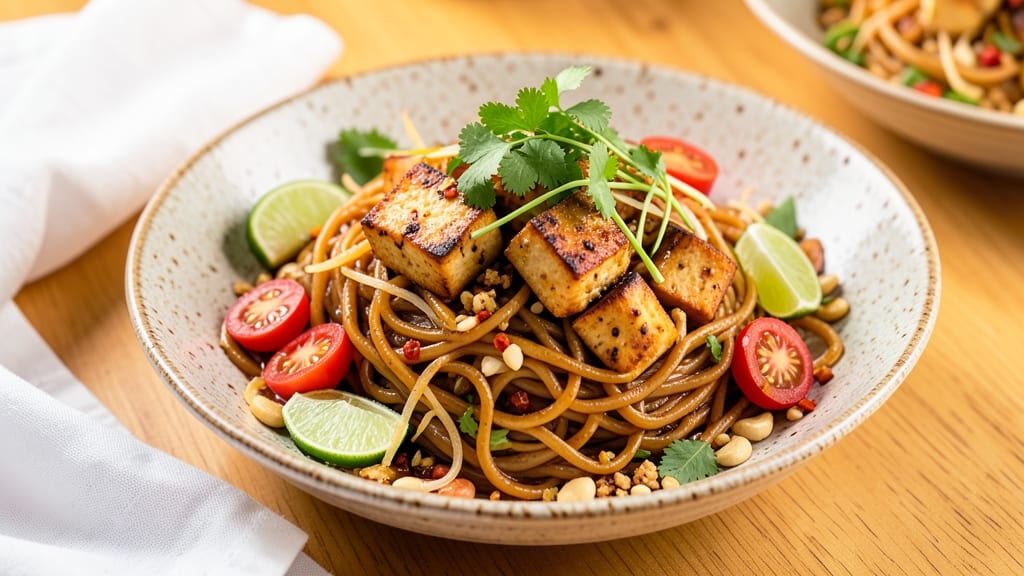
This brown rice pad Thai noodles recipe transforms the classic Thai dish into a nutty, protein-packed meal that keeps all the tangy, savory magic. The key? Swapping traditional white rice noodles for heartier brown rice noodles—soaking them just right ensures they hold up to stir-frying while delivering that satisfying chew.
Crispy tofu adds texture, while tamarind and fish sauce create the signature balance of sweet, sour, and umami.
The result is a vibrant, restaurant-quality dish that’s packed with flavor but lighter than traditional versions. You’ll get perfectly cooked noodles with a glossy, tamarind-kissed sauce clinging to every strand, crispy tofu that stays crunchy, and a medley of fresh vegetables.
It’s the kind of meal that feels indulgent yet nourishing—ideal for weeknight dinners or meal prep. Let’s get cooking!
Ingredients for brown rice pad thai noodles
These 15 ingredients deliver restaurant-quality brown rice Pad Thai with nutty depth and crispy texture.
| Ingredient | Amount | Notes |
|---|---|---|
| Brown Rice Pad Thai Noodles 🍜 | 8 oz | Dried, medium-width preferred |
| Extra-Firm Tofu 🍱 | 1 lb | Pressed, cubed for crispiness |
| Tamarind Paste 🍯 | ⅓ cup | Unadulterated, block preferred |
| Fish Sauce 🍶 | 2 tbsp | Red Boat brand recommended |
| Lime Juice 🍋 | ¼ cup | Freshly squeezed, seeds strained |
| Soy Sauce 🥢 | 2 tbsp | Low-sodium preferred |
| Brown Sugar 🍚 | 2 tbsp | Light or dark, packed |
| Vegetable Oil 🫒 | ¼ cup | High smoke point for frying |
| Garlic Cloves 🧄 | 4 cloves | Minced, fresh preferred |
| Green Onions 🧅 | ¼ cup | Thinly sliced, green parts only |
| Bean Sprouts 🌱 | 2 cups | Fresh, rinsed thoroughly |
| Crushed Peanuts 🥜 | ¼ cup | Roasted, unsalted preferred |
| Sesame Seeds 🌿 | 1 tbsp | Toasted lightly for aroma |
| Diamond Crystal Kosher Salt 🧂 | ½ tsp | For seasoning, not iodized |
| Ground White Pepper 🌶️ | ¼ tsp | Freshly ground preferred |
The brown rice noodles are the foundation—Thai Kitchen brand or any medium-width variety works best. Soak them for 20-30 minutes until pliable but still firm; over-soaking makes them mushy. For the tofu, press it for 30 minutes wrapped in a towel to remove excess water—this ensures maximum crispiness. Tamarind paste can be tricky to find; look for unadulterated blocks at Asian markets or use Mae Ploy brand if available. The fish sauce is non-negotiable for authentic flavor—Red Boat is the gold standard, but any reputable brand will do.
No tamarind? Substitute with 1 tbsp lime juice plus 1 tbsp date syrup for a similar tang. Swap crushed peanuts for cashews or almonds if preferred, though texture will differ. For extra protein, add edamame or shredded carrots—both hold up well to stir-frying. The bean sprouts should be fresh and crisp; if they feel limp, soak them in ice water for 10 minutes before using. For a gluten-free option, ensure your soy sauce is tamari-based.
Store cooked noodles in an airtight container with a thin layer of oil on top to prevent sticking; they keep for 3-4 days in the fridge. The tofu can be pan-fried ahead and reheated in a dry skillet for 2-3 minutes to restore crispiness. For meal prep, portion the sauce separately and toss with noodles just before serving to maintain texture. Freeze portions for up to 2 months—thaw in the fridge overnight and reheat gently with a splash of water.
Why You'll Love This Recipe
- No-Fuss Assembly: I swear by this recipe when I’m too tired to chop a mountain of veggies—just toss in the pre-cooked brown rice noodles, crispy tofu cubes, and a splash of tamarind-fish sauce mix. The noodles soften in minutes, no standing over a pot required.
- Tamarind Tang Magic: That first bite of sticky-sweet tamarind balanced with fish sauce and lime? It’s the kind of flavor that makes you pause mid-chew. Honestly, the umami from the tofu and the bright citrus cut-through make it taste like a proper Thai street stall, not just a home-cooked hack.
- Lunchbox Hero: Between us, this is my go-to for meal prep—stir-fry a big batch, portion it into containers, and it stays fresh for days. The tofu holds up, the noodles don’t get mushy, and the lime keeps it tasting fresh even reheated. (Yes, even on a Tuesday night.)
- Budget-Friendly Crunch: Brown rice noodles stretch further than white, and extra-firm tofu gives that satisfying texture without breaking the bank. A jar of tamarind paste lasts ages, and you’re using basic pantry staples—no specialty ingredients, just big flavor for minimal cost.
Step-by-step instructions for tamarind-kissed brown rice Pad Thai
This method delivers authentic Thai flavors with crispy tofu and perfectly balanced tamarind sauce.
Prepare and Press the Extra-Firm Tofu
Begin by draining the 1 lb extra-firm tofu and wrapping it tightly in a clean kitchen towel. Place a heavy object like a cast-iron skillet on top for 15 minutes to press out excess moisture. This step is critical—wet tofu won't crisp properly. After pressing, cut the tofu into 1-inch cubes using a sharp chef's knife. Arrange them on a wire rack and let sit for 10 minutes to ensure maximum crispiness when fried.
While the tofu dries, prepare the tamarind sauce by dissolving the 0.33 cup tamarind paste in ½ cup hot water in a small bowl. Stir until completely smooth—you should end up with a thick, syrupy consistency. If it's too thick, add 1 teaspoon water at a time until it reaches a pourable state. Set aside to cool slightly while you prepare the remaining ingredients.
Cook the Brown Rice Pad Thai Noodles
Bring a large pot of water to a rolling boil and add 8 oz brown rice pad thai noodles. Cook for 5-6 minutes until the noodles are tender but still retain a slight bite—al dente is key. Drain immediately and rinse under cold water to stop the cooking process and remove excess starch. This prevents the noodles from becoming mushy when tossed with the sauce.
While the noodles cook, heat 0.25 cup vegetable oil in a large wok or skillet over medium-high heat. Add the pressed tofu cubes in a single layer and fry for 3-4 minutes per side until deep golden brown and crispy. Remove the tofu with a slotted spoon and set aside on a paper towel-lined plate. The oil should remain shimmering—if it's smoking, reduce the heat slightly. This crispy texture is what makes the dish stand out.
Build the Tamarind Sauce and Combine Ingredients
In the same wok, reduce heat to medium and add 4 cloves minced garlic. Sauté for 30 seconds until fragrant—don't let it brown or it will become bitter. Pour in the cooled tamarind mixture and stir continuously for 2 minutes until it thickens slightly. Add 2 tbsp fish sauce, 2 tbsp soy sauce, 2 tbsp brown sugar, 0.25 cup lime juice, 0.5 tsp diamond crystal kosher salt, and 0.25 tsp ground white pepper. Simmer for 1 minute to allow the flavors to meld together.
Return the crispy tofu to the wok and toss gently to coat in the sauce. Add the drained noodles and toss again until everything is evenly coated. The sauce should cling to the noodles and tofu without making them soggy. If it's too thick, add 1-2 tablespoons hot water to loosen it. The balance of sweet, sour, and umami flavors should be evident—this is where the tamarind truly shines.
Assemble and Garnish for Serving
Transfer the noodles to serving plates and immediately top with 2 cups bean sprouts, 0.25 cup green onions, and 0.25 cup crushed peanuts. Sprinkle with 1 tbsp toasted sesame seeds for added texture and aroma. The combination of crispy peanuts, fresh sprouts, and aromatic sesame seeds adds layers of flavor and crunch to each bite.
Serve immediately while the tofu is still crispy and the noodles retain their texture. The tamarind sauce should glaze the noodles beautifully, with a perfect balance of sweetness from the brown sugar and tang from the lime juice. Each forkful should deliver a harmonious blend of nutty brown rice, crispy tofu, and vibrant Thai-inspired flavors.
Pro Tips For Making Brown Rice Pad Thai Noodles
- SOAK NOODLES 15 MINUTES: Brown rice noodles are finicky—skip the soak, and they’ll turn mushy or stay rock-hard. Fill a bowl with warm (not boiling) water, add noodles, and let them sit covered for 15 minutes. Drain just before cooking, then rinse briefly with cold water to stop the process. I learned this the hard way after serving a plate of sad, gummy noodles at a dinner party.
- PRESS TOFU DRY: Extra-firm tofu still holds water, and soggy tofu in Pad Thai is a crime. Wrap the block in a clean towel, place a heavy pan on top, and let it sit for 10 minutes. Slice it thin—about ¼-inch—and pat each piece with a paper towel before frying. Sounds tedious, but crispy tofu makes all the difference in texture.
- BALANCE TAMARIND FIRST: Tamarind paste is the soul of Pad Thai, but too much turns your dish into dessert. Mix it with 2-3 tablespoons of warm water before adding to the wok—this helps control the sourness. Taste as you go, then adjust with fish sauce and lime later. I was skeptical until I tried it; now I double-check the ratio every time.
- STIR-FRY IN BATCHES: Overcrowding the wok steams the noodles instead of searing them. Cook the tofu first, then set it aside. Work in two batches—half the noodles, then the rest—so they sizzle and get that perfect chewy-crisp edge. Yes, it takes an extra minute, but your Pad Thai won’t taste like it was boiled.
Best sauces and condiments for these flavors
Tamarind Base Essentials
The heart of Pad Thai sauce starts with tamarind paste—look for unadulterated blocks at Asian markets or brands like Mae Ploy. Dissolve ⅓ cup in ½ cup hot water until smooth, then balance it with 2 tbsp fish sauce (Red Boat brand) and 2 tbsp soy sauce.
This trio creates the signature sweet-sour-umami trifecta. For a shortcut, substitute 1 tbsp lime juice + 1 tbsp date syrup if tamarind is unavailable. 🍯
Sweet and Tangy Balance
Brown sugar adds depth while lime juice brightens the sauce. Use 2 tbsp packed brown sugar and ¼ cup freshly squeezed lime juice (strain seeds). The acidity from lime cuts through the richness, while sugar enhances the tamarind’s natural sweetness.
For extra tang, add ½ tsp lime zest—it elevates the aroma without overpowering. Adjust ratios to taste: more sugar for sweetness, more lime for acidity.
Umami Boosters
Fish sauce and soy sauce provide the umami backbone, but don’t skimp on quality. Red Boat fish sauce delivers authentic depth, while low-sodium soy sauce prevents salt overload. For a vegetarian twist, replace fish sauce with 2 tbsp coconut aminos (though flavor will differ slightly).
A pinch of white pepper (¼ tsp) adds subtle warmth, while 4 minced garlic cloves sautéed in the wok infuse aromatic complexity.
Texture Enhancers
Crushed peanuts and sesame seeds aren’t just garnishes—they’re flavor multipliers. Toast ¼ cup peanuts in a dry pan for 2 minutes until fragrant, then crush lightly for crunch. Sprinkle 1 tbsp toasted sesame seeds at the end for nutty aroma.
For extra texture, add ½ cup shredded carrots or edamame—both hold up to stir-frying and add freshness. Pro tip: Toast seeds and nuts separately to control heat and avoid burning.
Fresh Finishing Touches
Bean sprouts and green onions bring crispness and freshness to each bite. Use 2 cups fresh sprouts (rinsed well) and ¼ cup sliced green onions (whites and greens). For a smoky note, add ½ tsp chili flakes or a drizzle of sriracha at the table.
Garnish with lime wedges—squeezing fresh lime over hot noodles wakes up all the flavors. The contrast of cold citrus and warm noodles is pure magic. 🌿
Nutrition facts
Frequently asked questions
Why use brown rice noodles instead of white rice noodles?
Brown rice noodles add a nutty depth and extra fiber compared to traditional white rice noodles. They hold up better to stir-frying when properly soaked (20-30 minutes) and give the dish a satisfying chew. The slightly earthy flavor also pairs beautifully with the tamarind sauce's tangy-sweet profile. Plus, they're a healthier alternative with more nutrients!
How do I get the tofu extra crispy?
Press the tofu for 30 minutes before cutting to remove excess moisture, then pat it dry with paper towels. Cut into 1-inch cubes and let them air-dry on a wire rack for 10 minutes before frying. Use medium-high heat and fry in batches until deep golden brown (3-4 minutes per side). The key is patience—don't overcrowd the pan or the oil will cool down.
Can I make this recipe ahead of time?
Cooked noodles can be stored in an airtight container with a thin layer of oil on top for 3-4 days in the fridge. For meal prep, portion the sauce separately and toss with noodles just before serving to maintain texture. The tofu can be pan-fried ahead and reheated in a dry skillet for 2-3 minutes to restore crispiness. Freeze portions for up to 2 months—thaw in the fridge overnight.
What if I can't find tamarind paste?
No problem! Substitute with 1 tbsp lime juice + 1 tbsp date syrup for a similar tangy-sweet balance. For extra depth, add ½ tsp smoked paprika to mimic tamarind's complexity. The sauce will still taste delicious, though the authentic Thai flavor profile will differ slightly. Always taste as you go and adjust sweetness/acidity to preference.
How do I prevent the noodles from getting mushy?
Cook the brown rice noodles for 5-6 minutes until al dente, then drain immediately and rinse under cold water to stop cooking. Toss with a tiny bit of oil to prevent sticking while you finish the sauce. When tossing with the sauce, work quickly over medium-high heat for just 1-2 minutes to warm through without overcooking. The sauce should coat but not soak the noodles.