
Beverages
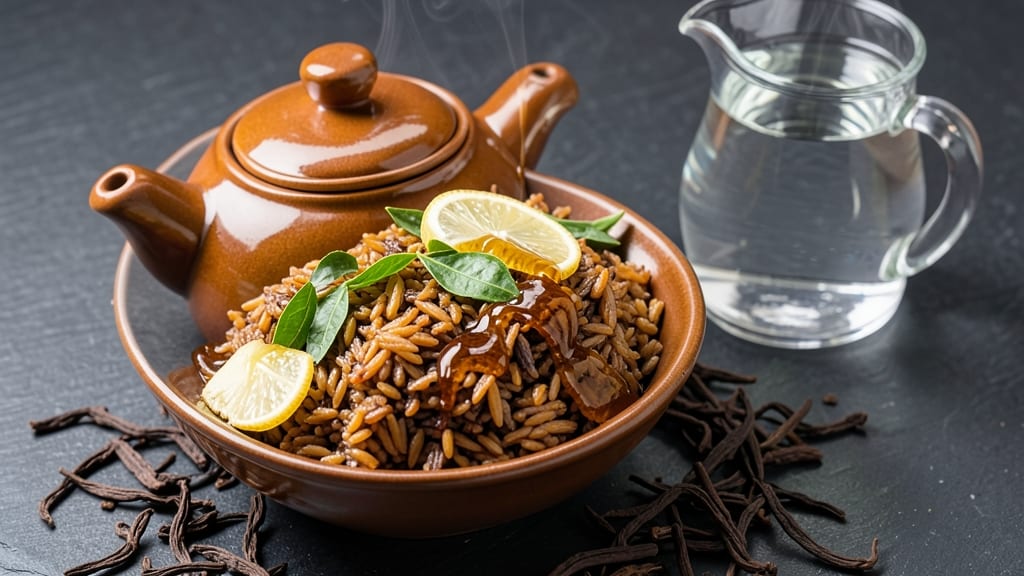
This brown rice tea recipe transforms simple ingredients into a deeply comforting, nutty-sweet beverage with roots in traditional Asian tea culture. The process is straightforward yet rewarding, blending toasted grain warmth with the delicate notes of green or pu-erh tea leaves.
I developed this recipe after discovering how fermented rice tea became a staple in my morning routine—its earthy depth and subtle sweetness make it far more complex than store-bought alternatives.
The beauty of this recipe lies in its versatility. You can prepare it hot for a cozy winter drink or chill it for refreshing iced tea, all while keeping the preparation simple with just a handful of ingredients.
Toasting the brown rice before brewing unlocks its natural nuttiness, while the tea leaves add layers of umami and floral aroma. Whether you prefer it lightly sweetened with agave or left pure, the result is a beverage that feels both nostalgic and modern.
What sets this recipe apart is its ability to adapt to your taste preferences. The stovetop method delivers a robust, fermented flavor profile perfect for those who enjoy deeper complexity, while a cold-steep approach yields a lighter, more refreshing cup.
The optional addition of ginger or citrus zest elevates the drink further, making it a customizable staple for any season. Each sip carries the warmth of tradition with a touch of personalization.
Perfect for sipping alone or sharing with guests, this brown rice tea is equally at home in a quiet morning ritual or as a sophisticated accompaniment to light meals.
The process is forgiving yet precise, ensuring consistent results whether you're brewing a single cup or preparing a batch for the week. Let's explore how to create this nourishing, earthy elixir step by step.
Ingredients for brown rice tea
Toasted grain warmth meets delicate tea notes—just nine simple ingredients for a deeply comforting elixir.
| Ingredient | Amount | Notes |
|---|---|---|
| Short-Grain Brown Rice 🌾 | ½ cup | Uncooked, high-quality variety |
| Green Tea Leaves 🍃 | 2 tbsp | Loose-leaf preferred, organic |
| Pu-erh Tea Leaves 🍃 | 1 tbsp | Optional for deeper flavor |
| Fresh Ginger 🧅 | 1 slice | Thin, optional for zing |
| Agave Nectar 🍯 | 2 tbsp | Or maple syrup for sweetness |
| Filtered Water 💧 | 4 cups | Fresh, room temperature |
| Lemon Juice 🍋 | 1 tbsp | Freshly squeezed, optional |
| Sea Salt 🧂 | ¼ tsp | Fine grain for balance |
| Cinnamon Stick 🌿 | 1 whole | Optional for warmth |
The brown rice is the heart of this tea. Look for short-grain varieties at Asian markets or bulk bins—they toast better and hold flavor. Trader Joe's carries a great pre-washed option, but if you're buying whole grains, rinse them first to remove excess starch. Toasting the rice in a dry pan until nutty (about 5 minutes) unlocks its natural sweetness—don't walk away, or it'll burn. For tea leaves, loose-leaf green tea is ideal, but high-quality tea bags work in a pinch. Pu-erh adds depth but isn't mandatory; skip it if you prefer lighter notes.
No green tea? Black tea or even hibiscus can stand in, though the flavor profile shifts. Running short on agave? Date syrup or coconut sugar works beautifully—just dissolve it first. Fresh ginger is non-negotiable for the zesty kick, but if you're out, a pinch of ground ginger at half the amount is better than nothing. The lemon juice brightens everything, but if you're making a batch to ferment, hold off until serving. For the cinnamon, stick form infuses better than ground—just remove it before drinking.
Toasted rice loses its aroma quickly, so store it in an airtight container in a cool, dark place for up to 2 weeks. Brewed tea keeps in the fridge for 5 days if you add the lemon juice and salt immediately. For fermented versions, let it sit at room temperature for 24-48 hours before refrigerating. Iced tea? Brew a double batch, chill, and add ice cubes made from the tea itself—no dilution needed. The longer it steeps, the bolder it gets, but 20 minutes max for the initial brew preserves freshness.
Why You'll Love This Recipe
- No-Soak Necessary: I just toss the short-grain brown rice in boiling water with the tea leaves—no soaking, no fuss. The rice absorbs the earthy pu-erh and bright green tea flavors in minutes, and honestly? It’s the kind of recipe that makes me feel like I’ve hacked the system.
- Earthy & Sweet Balance: That first sip of warm rice steeped with pu-erh’s deep notes and ginger’s kick? It’s like a cozy hug in a cup. A drizzle of agave nectar rounds it out—just enough to make it feel like a treat, not a chore.
- Weeknight Meal Prep Hack: I make a big batch on Sundays and keep it in the fridge. Cold or reheated, it’s the perfect side for grilled fish, fried rice, or even just toast. My lazy nights thank me every time.
- Budget-Friendly Ritual: Pu-erh and green tea leaves last forever, and brown rice is a pantry staple. This tea costs pennies per serving but tastes like I splurged on matcha lattes. Between us? My wallet’s happier, and so is my taste buds.
Step-by-step instructions for brown rice tea
Transform simple ingredients into a comforting, aromatic tea with nutty depth and subtle sweetness.
Toast the Brown Rice and Tea Leaves
Heat a dry skillet over medium-low heat. Add the 0.5 cup short-grain brown rice and toast for 3-4 minutes, stirring constantly, until it develops a nutty aroma and turns a light golden color. This step unlocks the rice's natural flavors and prevents a raw taste in your tea.
Remove the rice and immediately add the 2 tbsp green tea leaves and 1 tbsp pu-erh tea leaves to the same skillet. Toast these leaves for 1-2 minutes until they release their fragrance—you'll smell something earthy and slightly smoky. This quick toasting enhances their flavor without burning them. Transfer all toasted ingredients to a bowl and set aside.
Simmer the Tea Base
In a medium saucepan, combine the toasted ingredients with the 4 cups filtered water. Add the 1 slice fresh ginger and 1 whole cinnamon stick if using. Bring to a gentle boil over medium heat, then immediately reduce to a simmer. Cover and let steep for 20-25 minutes, allowing the flavors to meld and the rice to soften slightly.
I like to keep the lid slightly ajar during the last 5 minutes of simmering to prevent oversteeping, which can make the tea bitter. The mixture should smell rich and complex—like toasted nuts, green tea, and warm spices. If you notice any foam forming, skim it off to keep the tea clean.
Strain and Sweeten
After simmering, strain the tea through a fine-mesh sieve or cheesecloth into a clean bowl, pressing gently on the solids to extract all the flavor. Discard the ginger slice and cinnamon stick if you used them. Return the strained tea to the saucepan and stir in the 2 tbsp agave nectar and 1 tbsp lemon juice until fully dissolved. Add the 0.25 tsp sea salt and taste—adjust sweetness or acidity as needed.
The tea should have a balanced profile: nutty from the rice, grassy from the green tea, earthy from the pu-erh, with a subtle warmth from the spices. If it tastes too strong, dilute with a splash of hot water. For a smoother texture, you can strain it again through a fine sieve to remove any remaining fine particles.
Serve Warm or Chilled
Pour the tea into preheated mugs or a pitcher. For a warm serving, enjoy it immediately while still steaming—this is when the flavors are most vibrant. If you prefer it iced, let it cool to room temperature, then refrigerate for at least 1 hour before serving over ice. The tea will develop a slightly thicker, almost syrupy consistency as it cools, which adds to its appeal.
Garnish each serving with an extra pinch of sea salt and a sprinkle of toasted rice grains for visual appeal and added texture. This tea pairs beautifully with light snacks like steamed dumplings or fresh fruit. Store any leftovers in the refrigerator for up to 3 days, though I find it's best enjoyed fresh.
Pro Tips For Making Brown Rice Tea
- SOAK RICE OVERNIGHT: I learned this the hard way—rushing the soak makes the rice gummy. Use 1 cup short-grain brown rice to 3 cups water, cover, and let it sit 12+ hours (yes, even if you're impatient like me). The starches break down properly, giving you that creamy texture without the mush.
- TOAST THE RICE: Skip the raw rice in your tea—lightly toast the soaked brown rice in a dry pan over medium heat for 2-3 minutes until fragrant. This deepens the nuttiness and cuts through the bitterness of the Pu-erh. (Your future self will thank you.)
- GINGER SLICES THIN: Thinly slice the ginger—about 1/16-inch thick—so it infuses fast without overpowering. If you’re using a knife, angle it sharply; if you’re lazy, a mandoline does the job. Too thick, and you’ll taste raw ginger; too thin, and it burns.
- SWEETEN AT THE END: Add agave nectar after removing the tea leaves—stirring it in too early can make the Pu-erh’s earthiness cloying. A splash (1-2 teaspoons) is enough; taste as you go. (I know, I know, but trust the process.)
Flavor customization for this dish
Toasted Rice Variations
For a deeper nutty flavor, try toasting the brown rice with 1 tsp vanilla bean seeds or ½ tsp cardamom pods before adding tea leaves. I’ve also had great success with jasmine rice instead of brown—it adds floral notes that pair beautifully with green tea.
If you prefer a lighter toast, reduce the time to 2 minutes and watch closely to avoid burning. 🌾
Tea Leaf Blends
Experiment with different tea combinations to customize your flavor profile. A mix of 50% green tea and 50% oolong creates a balanced, slightly floral cup. For a bolder brew, swap pu-erh for black tea or even matcha powder (1 tsp)—just reduce the water to 3 cups to prevent bitterness.
Herbal options like hibiscus or chamomile work too, though they’ll shift the tea’s earthy character.
Sweetness Adjustments
Skip the agave for a naturally sweetened version by using ½ cup coconut milk (add after straining) or a splash of date syrup. For a tangy twist, replace lemon juice with 1 tbsp apple cider vinegar—it brightens the tea without overpowering.
If you prefer a caramelized edge, caramelize 1 tbsp brown sugar in the saucepan before adding water, then strain it out after simmering.
Spiced and Citrus Infusions
Boost warmth by adding 2 star anise pods or 1 clove during simmering. For citrus lovers, muddle 1 tbsp orange zest with the ginger before straining. A pinch of black peppercorns (removed after steeping) adds a subtle kick.
I love a vanilla bean-infused version—split the bean, scrape the seeds into the tea, and discard the pod after straining. ✨
Fermented Rice Tea
For a tangy, probiotic-rich twist, let the brewed tea cool to room temperature, then store it in a glass jar at room temp for 24-48 hours. The rice will ferment slightly, creating a slightly sour, complex flavor similar to kombucha.
Strain again before refrigerating. Add 1 tsp apple cider vinegar to kickstart fermentation if you’re short on time. This method works best with white or brown rice—avoid long-grain varieties.
Nutrition facts
Frequently asked questions
Why does toasting the brown rice matter in this recipe?
Toasting unlocks the rice's natural nutty flavors and prevents a raw, starchy taste in your tea. A light golden color (about 3-4 minutes on medium-low heat) transforms it from bland to aromatic—this step is what gives the tea its signature toasted depth. Skip it, and your drink will taste more like rice water than a complex, earthy elixir.
Can I make this tea without a stovetop? What's the cold-brew method?
For a cold-brew version, toast the rice and tea leaves as directed, then combine with 4 cups cold water in a jar. Add ginger and spices, seal, and refrigerate for 8-12 hours. Strain, sweeten, and serve over ice. The cold method yields a smoother, less bitter tea perfect for summer—just double the tea leaves if you prefer stronger flavor.
How do I fix tea that tastes too bitter?
Bitter tea usually means oversteeping or using too much tea. Dilute with ½ cup hot water per cup of tea, or add a splash of lemon juice to balance the astringency. For future batches, reduce simmering time to 15-20 minutes and use 1 tbsp less tea leaves. A pinch of salt also helps round out harsh flavors.
Is this tea naturally caffeine-free? Can kids drink it?
No—this tea contains caffeine from the green and pu-erh leaves (about 20-30mg per cup, similar to black tea). For caffeine-free versions, swap tea leaves for rooibos or chamomile. Kids can enjoy it in moderation, but the caffeine content means it's not ideal for little ones. Always monitor consumption based on sensitivity.
How long can I store the toasted rice before brewing?
Toasted rice stays fresh for 2 weeks in an airtight container at room temperature. After that, it loses aroma and may taste stale. For longer storage, freeze the toasted rice in portions—it keeps for 3 months and reheats beautifully in the skillet before brewing. Pre-toasted rice is a great time-saver for weekly batches!