
Main Courses
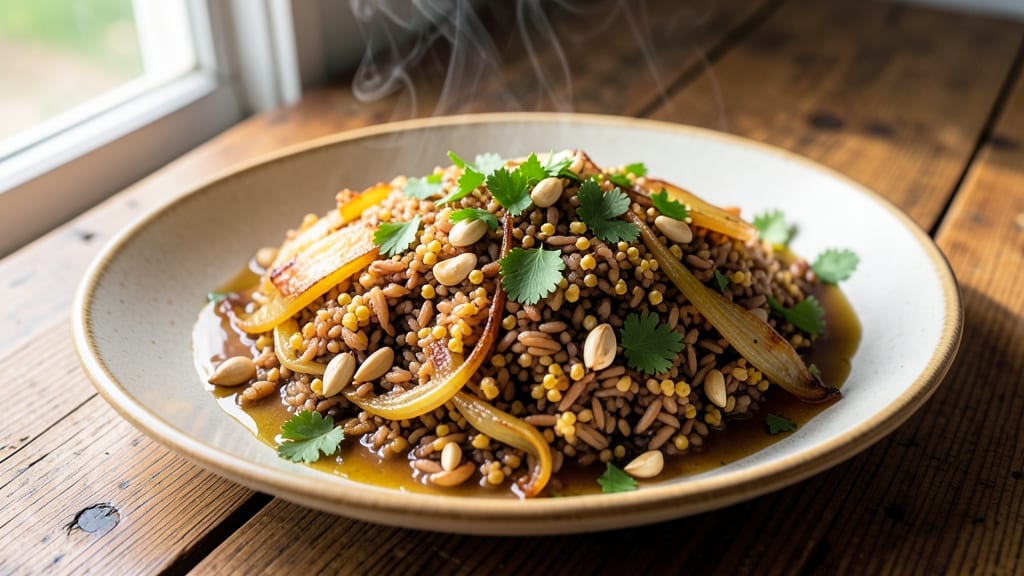
A brown rice and quinoa pilaf transforms simple grains into a hearty, flavorful dish with toasted spices and nutty crunch—perfect for weeknight dinners or meal prep.
This one-pan recipe combines the earthy texture of brown rice with quinoa’s protein-rich bite, all simmered in aromatic broth for a satisfying, balanced meal.
The secret lies in toasting the spices and grains first, unlocking deeper flavors before simmering in a savory broth.
With optional garnishes like toasted nuts or fresh herbs, this pilaf adapts effortlessly to salads, bowls, or as a standalone vegetarian main. Gluten-free, high-protein, and ready in under 40 minutes, it’s the ultimate versatile side or dish.
Ingredients for brown rice and quinoa pilaf
Earthy grains meet aromatic spices in this one-pan vegetarian masterpiece—simple yet sophisticated.
| Ingredient | Amount | Notes |
|---|---|---|
| Brown Rice 🌾 | 1 cup | Uncooked, long-grain preferred |
| Quinoa 🌾 | ½ cup | Rinsed thoroughly before cooking |
| Vegetable Broth 💧 | 2 ½ cups | Low-sodium preferred for flavor control |
| Extra-Virgin Olive Oil 🫒 | 2 tbsp | High-quality, fruity variety |
| Yellow Onion 🧅 | 1 whole | Diced, medium-sized preferred |
| Garlic Cloves 🧄 | 4 cloves | Minced, fresh preferred |
| Ground Cumin 🌿 | ½ tsp | Toasted for enhanced aroma |
| Ground Coriander 🌿 | ½ tsp | Freshly ground preferred |
| Smoked Paprika 🌶️ | ½ tsp | For subtle smoky depth |
| Salt 🧂 | 1 tsp | Diamond Crystal preferred |
| Black Peppercorns 🌶️ | ½ tsp | Freshly cracked for texture |
| Fresh Parsley 🌿 | ¼ cup | Chopped, for garnish |
| Toasted Pine Nuts 🥜 | ¼ cup | Optional, for crunch |
| Lemon Zest 🍋 | 1 tsp | Brightens final flavor |
The foundation starts with rinsed quinoa—skipping this step leaves a bitter aftertaste. For the grains, Bob's Red Mill brown rice or Trader Joe's quinoa are my go-tos, but any high-quality brands work. The vegetable broth should be low-sodium to control seasoning; homemade is ideal, but Pacific Foods or Imagine store-bought versions are reliable. Toast your spices in the olive oil until fragrant—this unlocks deeper flavor than simply adding them raw. Freshly cracked black peppercorns add subtle texture, while the smoked paprika brings a subtle complexity that elevates the dish.
No fresh parsley? Dried Italian seasoning at half the amount works in a pinch, though texture suffers. Short on pine nuts? Toasted almonds or walnuts provide similar crunch. The lemon zest is non-negotiable for brightness—organic lemons from the store's produce section deliver the most vibrant flavor. For extra depth, a splash of white wine (about 2 tbsp) can replace some broth. If using pre-toasted nuts, re-toast them briefly before adding to restore crispness. The onion and garlic should be finely diced for even distribution throughout the pilaf.
This pilaf reheats beautifully—cover with a damp paper towel to retain moisture. Stores for 4-5 days in the fridge, making it ideal for meal prep. Freeze portions for up to 3 months by spreading in a single layer before bagging. For extra flavor, deglaze the pan with a splash of broth after toasting the spices and scrape up all the browned bits—that's where the magic happens. Garnish just before serving to preserve freshness, and adjust salt at the end based on your broth's sodium content.
Why You'll Love This Recipe
- One-Pot Magic: I swear by this recipe because it’s actually one-pot—no rice cooker, no separate quinoa pan, just brown rice and quinoa simmering together in the same pot. The quinoa plumps up while the rice cooks, and that onion base caramelizes into something deeper than just "onion flavor." (Yes, even on a Tuesday night.)
- Nutty, Toasty Crunch: The secret’s in the olive oil and broth—low and slow until the edges get that just-right crispiness while the center stays tender. That nutty quinoa mixed with chewy brown rice? It’s the kind of texture combo that makes you pause mid-bite. Honestly, I’ve tried fancier grains, but this is the one that sticks around.
- Meal Prep MVP: This pilaf keeps for days in the fridge, reheats like a dream, and turns into something entirely new each time. Pack it for lunch, serve it cold with grilled fish, or warm it up with roasted veggies—it’s the ultimate blank canvas. Between us, it’s my go-to for feeding the family without stress.
- Budget Bright Spot: Brown rice and quinoa are cheap staples, and vegetable broth stretches to feed four for under $5. No fancy ingredients, no waste—just a dish that’s hearty enough to feel special but simple enough to make weekly. (My wallet thanks me every time.)
Step-by-step instructions for brown rice and quinoa pilaf
This method delivers perfectly toasted spices and nutty grains with minimal effort.
Toast the Grains and Aromatics
Heat the 2 tablespoons extra-virgin olive oil in a large skillet over medium-high heat until shimmering. Add the 1 cup brown rice and ½ cup quinoa to the pan, stirring constantly for 3-4 minutes until the grains begin to turn golden and fragrant. This toasting step develops their natural nutty flavors and prevents a raw taste in the finished pilaf.
Next, add the diced yellow onion and minced garlic cloves to the skillet. Cook for an additional 2-3 minutes until the onions are translucent and the garlic is lightly golden. The onions should soften but not brown—this ensures they'll cook through completely during the simmering phase without becoming bitter.
Season and Add Broth
Reduce the heat to medium-low and sprinkle the ½ teaspoon ground cumin, ½ teaspoon ground coriander, and ½ teaspoon smoked paprika evenly over the grains. Stir for 30 seconds to coat everything thoroughly with the spices. The spices should be evenly distributed but not burnt—you want to see them clinging to the grains rather than creating a dark crust.
Pour in the 2½ cups vegetable broth, then add the 1 teaspoon salt and ½ teaspoon freshly cracked black peppercorns. Stir once more to combine, then bring the mixture to a gentle simmer. The liquid should just barely cover the grains—if it doesn't, add a splash of water to maintain the proper ratio. The goal is a moist but not soupy pilaf.
Simmer to Perfect Texture
Cover the skillet with a tight-fitting lid and reduce heat to low. Let the mixture simmer undisturbed for 30 minutes. After this initial cooking time, check the grains—they should be tender but still have a slight bite. If they're not yet al dente, continue simmering for another 5-10 minutes, checking periodically.
Here's the thing about brown rice and quinoa: they absorb liquid at different rates. The brown rice will need the full 30-40 minutes of cooking time, while the quinoa will be done in about 15 minutes. The key is to cook until the brown rice is tender, as the quinoa will continue cooking slightly from the residual heat.
Finish with Bright Flavors
Once the grains are tender, remove the skillet from heat and let it sit covered for 5 minutes. This resting period allows the grains to finish absorbing any remaining liquid and develop their final texture. Stir in the 1 teaspoon lemon zest and ¼ cup toasted pine nuts, reserving a small portion of the pine nuts for garnish. The lemon zest brightens the earthy flavors, while the pine nuts add a delightful crunch.
Finally, fold in the ¼ cup chopped fresh parsley and adjust the seasoning if needed. The parsley adds freshness and visual appeal, while the parsley and lemon zest together create a beautiful contrast against the warm spices. For best results, serve immediately while the grains are still warm and the pine nuts are crisp.
Pro Tips For Making Brown Rice And Quinoa Pilaf
- Toast the Grains First: I learned this the hard way—skipping the toasting step means your pilaf will taste bland. Heat the olive oil in a deep pan until shimmering, then add both the brown rice and quinoa together. Stir for 2-3 minutes until the grains turn a deeper gold and smell nutty. This develops flavor and prevents mushiness later.
- Rinse Quinoa Only: Quinoa’s natural bitterness is the last thing you want in a pilaf. Rinse it thoroughly under cold water until the water runs clear, but skip rinsing the brown rice—it only strips away nutrients and makes the grains gummy. Pat both dry with a towel before toasting.
- Use Two Pots: Brown rice and quinoa cook at different rates—don’t mix them in one pot unless you want uneven texture. Cook the brown rice in a separate pot first (it takes 40-45 minutes), then add the quinoa (15 minutes) to the same pot with fresh broth. This keeps the grains distinct and perfectly tender.
- Finish with a Splash: Right before serving, stir in 2-3 tablespoons of warm vegetable broth. The grains will absorb it instantly, adding brightness and preventing dryness. Sounds small, but it’s the thing that matters most when reheating leftovers—your pilaf will taste fresh, not sad.
Troubleshooting your brown rice and quinoa pilaf
Grain Undercooked
If your brown rice and quinoa still have a firm bite after 40 minutes, you likely need more liquid or time. Brown rice requires 30-40 minutes while quinoa cooks faster—about 15 minutes. The fix? Add ¼ cup more broth, cover, and simmer for another 10 minutes.
If the grains are still tough, they may need 5-10 extra minutes on low heat. Pro tip: Use a heavy-bottomed pot like All-Clad to distribute heat evenly and prevent burning at the edges. 🌡️
Broth Too Absorbed
When the pilaf turns out dry, it usually means the grains absorbed all the liquid too quickly. For future batches, add ¼ cup extra broth or replace some with water to create a moister texture.
If it's already cooked, sprinkle 1-2 tablespoons warm broth or water over the top, cover, and let steam for 5 minutes off the heat. For extra richness, stir in 1 teaspoon olive oil or a dollop of Greek yogurt to restore moisture without altering flavor. 💧
Mushy Texture
Overcooked grains lead to a mushy pilaf, especially if left simmering too long after the grains are tender. Remove the lid and cook on medium-low heat for the last 5-10 minutes to evaporate excess moisture.
If it's already too soft, mix in ¼ cup chopped toasted nuts or seeds (like sunflower or pumpkin seeds) to add crunch and texture. For a quicker fix, spread the pilaf on a baking sheet and bake at 350°F for 10 minutes to dry it out slightly. ✨
Uneven Cooking
If some grains are undercooked while others are mushy, you likely didn’t stir enough during simmering. The brown rice and quinoa cook at different rates, so stir once gently after 20 minutes to redistribute heat.
For future batches, use a wooden spoon to stir the outer edges of the pot toward the center every 10 minutes. A slow cooker on low for 3-4 hours ensures even cooking without monitoring. 🔥
Spices Too Strong
If the spices overpower the dish, balance them with acidity or sweetness. A squeeze of lemon juice or 1 teaspoon honey brightens the flavors, while a handful of fresh herbs like parsley or cilantro mellows the intensity.
For a smoky flavor without overpowering spices, add ½ teaspoon liquid smoke (like Coltman’s) to the broth. Always taste as you go—adjust seasoning gradually to avoid overcorrecting. 🌿
Burnt Onions or Grains
Burnt aromatics happen when heat is too high or the pan isn’t wide enough. Keep heat at medium-low after adding onions and garlic to prevent browning. For next time, use a 12-inch skillet or larger to give ingredients room to cook evenly.
If the grains stick, stir more frequently or add 1 tablespoon olive oil to the pot. A nonstick skillet like Calphalon helps prevent sticking, but avoid nonstick for toasting grains—they need direct contact with the pan for proper browning. 🔥
Nutrition facts
Frequently asked questions
Why mix brown rice and quinoa in one dish?
This combo delivers the best of both worlds: brown rice adds hearty texture and fiber while quinoa boosts protein and cooks faster. The quinoa's fluffy bite contrasts beautifully with the chewier brown rice, creating a satisfying mouthfeel. Plus, quinoa's quick cooking time ensures even doneness when paired with longer-cooking grains.
Can I substitute white rice for brown rice?
Not ideal—white rice cooks in 15 minutes while brown rice needs 30-40 minutes. If you must substitute, use jasmine or basmati rice (cooked separately) and reduce cooking time to 12-15 minutes. The texture and flavor won't match, but it'll work in a pinch for a quicker meal. For best results, stick with brown rice for that nutty depth.
How do I make this pilaf ahead of time?
Cook the pilaf completely, then let it cool to room temperature. Store in an airtight container in the fridge for 4-5 days or freeze for 3 months. To reheat, sprinkle with 1 tablespoon broth or water, cover, and microwave for 2-3 minutes or reheat on the stovetop over low heat until warmed through. The flavors actually improve overnight!
What proteins pair well with this pilaf?
This vegetarian dish works beautifully with grilled chicken, shrimp, or tofu for a complete meal. For plant-based options, try roasted chickpeas, black beans, or marinated tempeh. The earthy spices complement smoky meats like salmon or lamb, while the lemon zest brightens seafood pairings. Serve with a side salad for a balanced plate.
Can I make this in an Instant Pot?
Yes! Toast the grains and aromatics first, then add broth and spices. Cook on high pressure for 12 minutes, then quick-release. Let sit covered for 5 minutes before fluffing with a fork. The Instant Pot version cooks faster but may need ¼ cup extra liquid to prevent drying out. Stir in lemon zest and nuts after cooking to preserve their texture.