
Main Courses
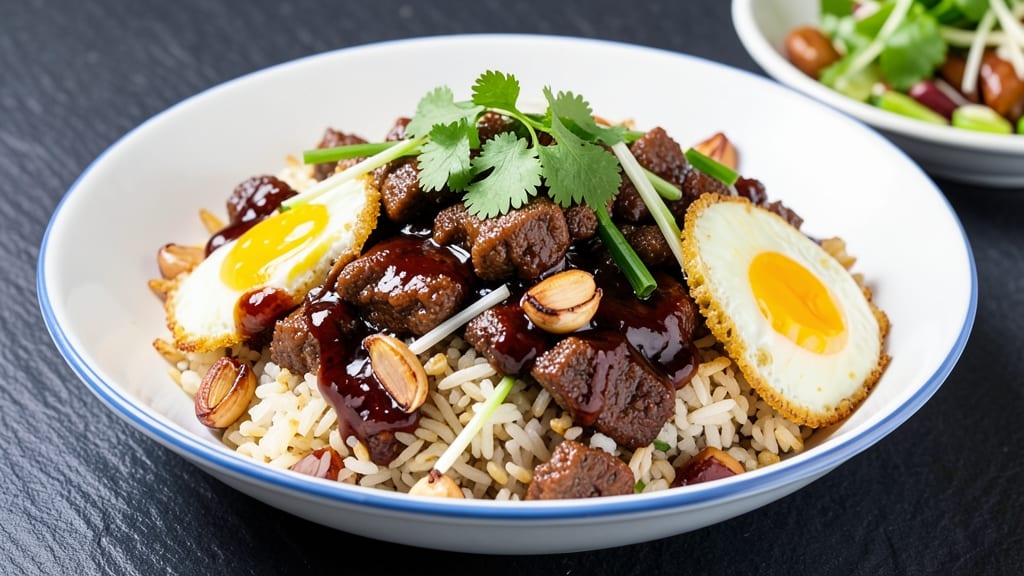
This Buldak fried rice recipe delivers the perfect balance of spicy, sweet, and savory—just like your favorite Korean fried chicken spot. 🌟 The secret lies in using Buldak sauce, which transforms simple ingredients into a dish with bold flavors and irresistible crunch from toasted garlic and crispy beef.
With perfectly cooked rice, tender beef, and a rich sauce that coats every bite, this recipe brings restaurant-quality results to your kitchen. The key steps ensure the right texture—crispy edges on the beef and toasted garlic that adds depth to every mouthful.
Ready in under 30 minutes, it’s ideal for weeknight dinners or meal prep.
Ingredients for buldak fried rice
The foundation of this bold fried rice lies in crispy beef, toasted garlic, and rich Buldak sauce.
| Ingredient | Amount | Notes |
|---|---|---|
| Day-Old Cooked White Rice 🍚 | 4 cups | Cold, unseasoned, long-grain preferred |
| Buldak Sauce 🌶️ | ½ cup | Korean chili crisp sauce, store-bought or homemade |
| Ground Beef 🥩 | 1 lb | 80/20 fat ratio for crispy edges |
| Large Eggs 🥚 | 4 whole | Fresh, cold from refrigerator |
| Garlic Cloves 🧄 | 8 cloves | Minced, peeled, for toasting |
| Green Onions 🧅 | ½ cup | Thinly sliced, white and green parts |
| Sesame Oil 🫒 | 1 tbsp | Toasted, for aroma |
| Vegetable Oil 🫒 | 3 tbsp | High smoke point for frying |
| Soy Sauce 🥢 | 1 tbsp | Light or all-purpose |
| Sesame Seeds 🌾 | 1 tbsp | Toasted, for garnish |
| Salt 🧂 | ½ tsp | Kosher or sea salt |
| Black Pepper 🌶️ | ¼ tsp | Freshly ground |
| Butter 🧈 | 1 tbsp | Unsalted, for richness |
The Buldak sauce is non-negotiable—it delivers that signature spicy, sweet, and umami punch. Korean grocery stores carry it in bottles, or you can find it in the international aisle at Walmart or H Mart. For homemade versions, look for chili crisp pastes or blend dried red chili flakes with sugar and vinegar. The ground beef needs to be 80/20 fat ratio—anything leaner won't achieve those crispy edges. If you're using pre-ground beef, pat it dry with paper towels before cooking to ensure maximum crispiness. The garlic deserves special attention: toast it in oil until golden before adding to the rice for that nutty depth.
No Buldak sauce? Substitute with a mix of gochujang (1 tbsp), soy sauce (1 tbsp), and a dash of sugar—it won’t be identical, but it’ll get you close. Short on green onions? Scallions or chives work, though the flavor will be milder. The sesame oil is purely for aroma—use the toasted kind from Asian markets if you want to splurge. For the eggs, cold eggs from the fridge create those perfect ribbons when scrambled. If you’re prepping ahead, cook the beef and set it aside—it reheats beautifully, though the texture will soften slightly. The butter at the end is key for that restaurant-quality richness—don’t skip it.
This dish reheats like a dream—30 seconds in the microwave with a splash of water revives the crispiness. Store leftovers in an airtight container for up to 4 days in the fridge, or freeze for 3 months. For meal prep, portion the rice and sauce separately—combine when reheating to maintain texture. The sesame seeds should be toasted fresh before serving, as store-bought versions lose their crunch. If making a double batch, divide the sauce into small containers—it absorbs into the rice quickly and loses potency when reheated.
Why You'll Love This Recipe
- No Chopping Needed: This recipe lives on day-old rice—no fresh cooking required. Honestly, I keep a stash in the fridge just for this, and the texture? Perfectly crispy edges every time.
- Sauce Does the Work: That rich Buldak sauce cuts through the beef and eggs like a flavor bomb. One tablespoon, stir it in, and suddenly you’ve got depth without extra effort.
- Lunchbox Magic: Pack it cold or reheat—it’s my go-to for lunches that don’t taste like leftovers. My kids actually finish their school lunches now. (Yes, even on a Tuesday.)
- Budget Crunch Saver: Ground beef and eggs stretch for days, and Buldak sauce lasts forever. I’ve fed four people for under $10 with this—no guilt, just full stomachs.
Step-by-step instructions for Buldak fried rice
Here's the method for crispy, spicy perfection with perfectly toasted garlic and tender beef.
🍳 Step 1: Toast the Garlic and Cook the Beef
Heat 3 tablespoons vegetable oil in a large wok or skillet over medium-high heat until shimmering. Add the 8 cloves minced garlic cloves and stir constantly for 30-45 seconds until fragrant and light golden brown. Immediately remove from heat and set aside—this prevents burning.
In the same pan, add the 1 lb ground beef (80/20 ratio) and cook over medium-high heat for 4-5 minutes until browned and fully cooked. The fat ratio is crucial here—it creates crispy edges while keeping the beef juicy. Drain any excess fat if needed, but leave about 1 tablespoon to add flavor.
👨🍳 Step 2: Scramble the Eggs and Prepare the Rice
In a bowl, whisk together the 4 whole large eggs, 1 tablespoon soy sauce, 0.5 teaspoon salt, and 0.25 teaspoon black pepper. Heat 1 tablespoon vegetable oil in a separate clean pan over medium heat and pour in the egg mixture. Scramble gently with a spatula until just set—soft curds that still look slightly moist. Remove and set aside.
Add the 4 cups day-old cooked white rice to the beef pan and break up any clumps with a spatula. Stir-fry for 2-3 minutes until the rice is evenly heated and slightly crispy at the edges. The rice should be hot but not steamed—you're looking for texture, not mushiness.
🍳 Step 3: Combine and Add the Buldak Sauce
Return the garlic to the pan and add the scrambled eggs, spreading them evenly over the rice. Drizzle in the 0.5 cup Buldak sauce and toss everything together vigorously for 1-2 minutes until the sauce coats the rice and beef. The Buldak sauce will be thin at first, but it thickens as it absorbs into the hot rice.
Cook for another 1-2 minutes until the rice is evenly coated and the sauce has reduced slightly. You'll see the rice grains become glossy and separated. If the mixture seems dry, add 1-2 tablespoons water to loosen it—just enough to create a slightly saucy texture without making it soggy.
🥘 Step 4: Finish with Aromatics and Garnish
Reduce heat to low and stir in the 0.5 cup thinly sliced green onions and 1 tablespoon sesame oil. Toss gently to combine, letting the sesame oil infuse throughout the dish. The green onions should brighten the rich, spicy flavors while adding freshness.
Remove from heat and stir in the 1 tablespoon butter and 1 tablespoon toasted sesame seeds. The butter adds richness while the sesame seeds provide a nutty crunch. Taste and adjust seasoning if needed—you might want to add a pinch more salt to balance the spicy Buldak sauce.
Pro Tips For Making Buldak Fried Rice
- CRISP THE RICE FIRST: Spread your day-old rice on a baking sheet and microwave it for 2-3 minutes before frying. I learned this the hard way—skipping this step means soggy rice that soaks up sauce instead of absorbing it properly. The goal is dry, separate grains that’ll sizzle and crisp up in the pan.
- SEAR THE BEEF LOW AND SLOW: Cook the ground beef on medium-low heat until just browned—don’t rush it. High heat makes the beef greasy, and grease + Buldak sauce = a mess. Break it into small, even pieces while it cooks so it distributes evenly in the rice.
- GARLIC: SMASH IT FIRST: Mince the garlic cloves and press them flat with the side of your knife before adding them to the pan. This releases more flavor and prevents them from burning. I was skeptical until I tried it—now I never skip this step.
- EGG TRICK: FRIZZLE IT SEPARATELY: Scramble the eggs in a small pan first, then chop them into small pieces before mixing into the rice. This keeps them tender and prevents them from turning rubbery in the final stir-fry. (Yes, it’s an extra step, but it’s worth it.)
Troubleshooting your buldak fried rice
Rice Too Dry?
If your rice feels dry or crumbly, it’s likely because you’re using freshly cooked rice. Day-old rice absorbs flavors better and stays separate. To fix it, add 1-2 tablespoons water or 1 teaspoon soy sauce while cooking and stir gently.
If it’s already dry, sprinkle a little water and fold in—just don’t overdo it or the texture will turn mushy. 💧
Sauce Not Coating?
The Buldak sauce should coat every grain, but if it’s pooling or not sticking, your rice might be too hot or the sauce too thick. Reduce heat to medium-low and stir continuously for 1-2 minutes longer.
For extra cling, mix 1 teaspoon cornstarch with 1 tablespoon water, add to the sauce, and toss until glossy. If the sauce is too thick, thin it with ½ teaspoon water before adding to the rice.
Beef Too Greasy?
Ground beef releases a lot of fat, which can make your fried rice greasy. Drain excess fat after cooking by placing the beef on a paper towel-lined plate for 2-3 minutes. For extra crispiness without grease, use a wire rack over a baking sheet to drain while cooking.
If the beef is already greasy, sprinkle ½ teaspoon sesame seeds or 1 tsp toasted garlic powder to balance the richness. 🌟
Eggs Overcooked?
Overcooked eggs turn rubbery and ruin the dish’s texture. Scramble eggs on medium-low heat and remove them as soon as they’re just set—soft curds, not firm. If you’ve already overcooked them, fold them in later in the cooking process to absorb heat from the rice.
For a smoother texture, whisk eggs with 1 tablespoon cold water before cooking. This helps create silky ribbons instead of dry clumps.
Garlic Burnt?
Garlic burns quickly, turning bitter and ruining the dish. Toast it over medium-high heat for only 30-45 seconds—it should be fragrant and light golden, not dark brown. If it burns, remove it immediately and set aside.
For extra insurance, chop garlic slightly larger (about ¼-inch slices) so it cooks faster. If you’ve already burnt it, replace it with ½ teaspoon garlic powder or a pinch of toasted garlic flakes for flavor without the bitterness.
Lacks Spice?
If your Buldak fried rice isn’t spicy enough, it might be because the sauce wasn’t distributed evenly or the heat was too low. Stir vigorously while adding the sauce to ensure full coverage.
For extra kick, add ½ teaspoon gochugaru (Korean chili flakes) or a dash of hot sauce at the end. If the sauce is too mild, reduce it by half and replace with a stronger Buldak sauce or a mix of gochujang and soy sauce. 🌶️
Nutrition facts
Frequently asked questions
Can I use fresh rice instead of day-old rice?
Fresh rice is too moist and will turn mushy when stir-fried. For the best texture, use day-old cold rice that's slightly dried out. If you must use fresh rice, spread it on a tray and refrigerate for 1 hour to remove excess moisture before cooking. This prevents a gummy, gluey consistency.
What if I don't have Buldak sauce?
You can make a quick substitute by mixing 2 tablespoons gochujang, 1 tablespoon soy sauce, 1 tablespoon honey, and 1 teaspoon rice vinegar. For extra depth, add ½ teaspoon garlic powder and a pinch of black pepper. While not identical, this blend captures the spicy-sweet essence of Buldak sauce.
How do I make this dish spicier?
Add ½ teaspoon gochugaru (Korean chili flakes) directly to the rice after adding the sauce, or stir in 1 teaspoon sriracha at the end. For heat lovers, increase the Buldak sauce quantity by 1 tablespoon—it contains concentrated spice. Always taste before serving to adjust to your preference.
Can I make Buldak fried rice ahead of time?
Yes! Cook the beef and eggs separately, then store them in the fridge for up to 3 days. When ready to serve, reheat the rice separately and combine everything with fresh Buldak sauce. For best results, reheat in a skillet over medium heat with 1 tablespoon water to restore crispiness.
What's the best way to store leftovers?
Store in an airtight container in the fridge for up to 4 days or freeze for 3 months. For reheating, microwave for 1-2 minutes with a splash of water, or stir-fry in a pan for 3-4 minutes to revive the texture. Avoid microwaving without moisture—it makes the rice rubbery.