
Side Dishes
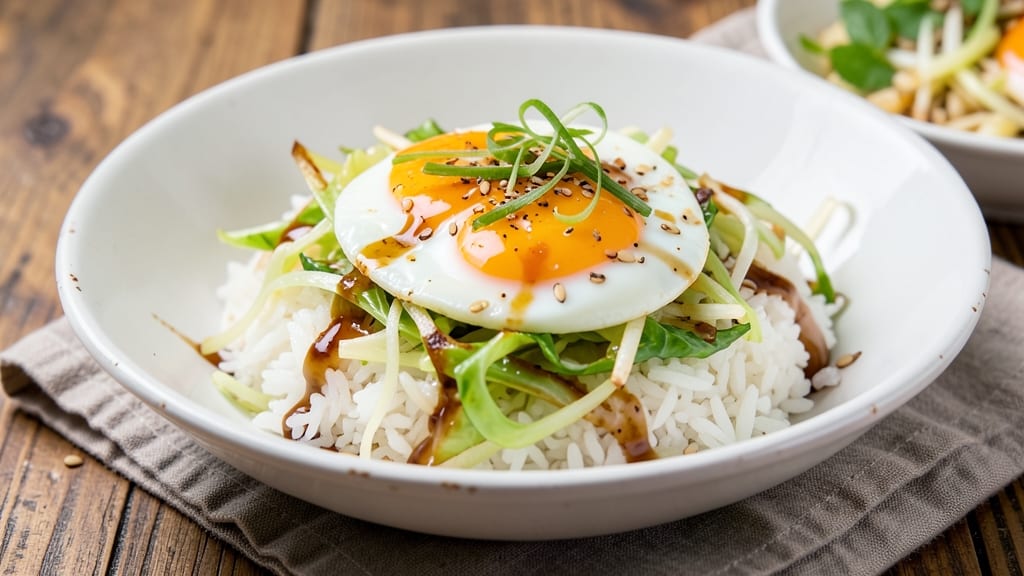
This cabbage egg rice recipe transforms simple ingredients into a fragrant, one-pot dish where tender cabbage, silky egg ribbons, and fluffy rice harmonize perfectly.
The secret lies in cooking everything together—sautéing cabbage until crisp-tender, folding in rice and eggs at the right moment, and finishing with a light soy-ginger glaze for depth. No chopping ahead? No problem—this method keeps prep under 10 minutes while delivering restaurant-quality results.
The magic happens when high heat caramelizes the cabbage edges while the eggs cook into delicate ribbons that cling to each rice grain. A splash of sesame oil at the end adds nutty aroma, and a sprinkle of green onions brightens the dish.
What you’ll end up with is a balanced plate—savory, slightly sweet, and satisfyingly textured—ready in 25 minutes with minimal cleanup. Perfect for weeknight dinners or meal prep, this one-pot wonder proves comfort food doesn’t require complicated steps.
Ingredients for cabbage egg rice
Twelve simple ingredients create a fragrant, one-pot cabbage egg rice dish with restaurant-quality depth.
| Ingredient | Amount | Notes |
|---|---|---|
| Green Cabbage 🥬 | 4 cups | Shredded, outer leaves removed |
| Large Eggs 🥚 | 6 whole | Room temperature for even cooking |
| Jasmine Rice 🍚 | 1 cup | Uncooked, long-grain preferred |
| Sesame Oil 🫒 | 1 tbsp | Toasted, for aroma and finish |
| Light Soy Sauce 🥢 | 2 tbsp | Kikkoman preferred for balance |
| Fresh Ginger 🧄 | 1 tbsp | Minced, for bright ginger flavor |
| Green Onions 🧅 | ¼ cup | Thinly sliced, white and green parts |
| Vegetable Oil 🫒 | 2 tbsp | High smoke point for sautéing |
| Salt 🧂 | 1 tsp | Diamond Crystal preferred |
| Black Pepper 🌶️ | ½ tsp | Freshly ground for aroma |
| Sesame Seeds 🌾 | 1 tsp | Toasted, for garnish |
| Water 💧 | 1 ½ cups | For rice cooking |
The cabbage is the foundation—look for heads with crisp, vibrant green leaves and minimal yellowing. Whole Foods or local farmers markets often carry the freshest varieties, but standard grocery store cabbage works fine if it's firm to the touch. For the eggs, room temperature is key—cold eggs cook unevenly and can break apart when stirred. The jasmine rice should be uncooked but not stale—check the package date, as older rice absorbs liquid poorly. Toasted sesame oil adds depth, so buy a small bottle from an Asian market if possible—it has a richer flavor than the clear, odorless kind. Fresh ginger is non-negotiable here; pre-minced from a jar lacks the bright, zesty punch of freshly grated.
No sesame oil? Toasted peanut oil or neutral vegetable oil works in a pinch, though the flavor will differ. Short on green onions? Substitute with 1 tbsp chopped cilantro plus 1 tsp scallions—it won’t be identical, but adds freshness. The soy sauce can be tamari for gluten-free, though the dish loses some depth without wheat. For the ginger, jarred minced ginger in water is better than nothing, but drain and rinse it well to avoid excess moisture. The cabbage can be pre-shredded from a bag to save time, though fresh shredding yields slightly better texture. If you’re meal prepping, cook the rice separately and stir it in at the end to maintain texture.
This dish reheats beautifully—microwave with a splash of water for 30 seconds to restore moisture. Store leftovers in an airtight container for up to 4 days in the fridge, though the texture softens slightly after day two. For longer storage, portion into freezer-safe containers and freeze for up to 3 months. The sesame oil and seeds are best added fresh when serving, as they lose their aroma when reheated. Garnish with extra green onions and a drizzle of soy sauce for restaurant-style presentation.
Why You'll Love This Recipe
- One-Pan Magic: I swear by this recipe when I’m too tired to wash dishes. Toss the cabbage, fry the eggs right in the pan, and stir in the rice—no extra pots, no stress. The sesame oil gives everything a golden sheen that looks fancy, even though it’s basically hands-off.
- Crispy Eggs, Soft Rice: That first bite of the eggs—still runny inside, crispy at the edges—paired with the slightly charred cabbage and fragrant jasmine rice? It’s the kind of combo that makes you pause mid-bite. Honestly, the light soy sauce ties it all together without overpowering, so you taste every layer.
- Lunchbox Hero: I pack this cold the next day, and it’s still a hit. The cabbage stays crisp, the eggs hold their shape, and the rice doesn’t turn to glue—perfect for work lunches or school lunches. (Yes, even my picky teenager asks for seconds when it’s in his bento box.)
- Pantry Staple Power: Green cabbage lasts forever, eggs are cheap, and rice? Always on hand. I make this when I’m low on groceries or need to stretch a budget—it’s filling, hearty, and never feels like a sacrifice. Plus, leftovers reheat like a dream, so it’s my go-to for busy weeks.
Step-by-step instructions for cabbage egg rice
This one-pot method delivers fragrant jasmine rice with tender cabbage and silky egg ribbons every time.
Prepare the Cabbage and Aromatics
Begin by rinsing the 4 cups of shredded green cabbage thoroughly under cold water and patting it completely dry with a clean kitchen towel. Remove any tough outer leaves as directed in the ingredients preparation. In a large, deep skillet that can accommodate all ingredients without overflowing, heat the 2 tablespoons of vegetable oil over medium heat until shimmering.
Add the 1 tablespoon of minced fresh ginger and sauté for 30 seconds until fragrant. Immediately add the shredded cabbage and stir gently to distribute evenly. Cook for 5 minutes, stirring occasionally, until the cabbage begins to soften slightly but still retains its vibrant green color. This step prevents a mushy texture while building flavor.
Toast the Rice and Build the Base
Push the cabbage to one side of the skillet and add the 1 cup of uncooked jasmine rice to the empty space. Toast the rice for 1 minute, stirring constantly, until it becomes translucent at the edges and releases an enticing nutty aroma. This toasting step is crucial for developing the rice's natural flavors and preventing a pasty texture.
Return the cabbage to the center of the skillet and stir everything together. Add the 2 tablespoons of light soy sauce and 1 teaspoon of salt, mixing well to distribute the seasoning. Pour in the 1.5 cups of water and bring to a gentle simmer. Cover the skillet tightly with a lid and reduce heat to low. Cook for 15 minutes, allowing the rice to absorb the liquid and the cabbage to soften further.
Create Silky Egg Ribbons
After 15 minutes, remove the lid and carefully push the rice and cabbage mixture to one side of the skillet. Crack all 6 whole large eggs into the empty space. Let them sit undisturbed for 10 seconds to form a thin layer before gently stirring them with a heatproof spatula, creating delicate ribbons throughout the mixture. This technique ensures even cooking and prevents scrambled eggs.
Immediately add the 0.25 cup of thinly sliced green onions and 0.5 teaspoon of freshly ground black pepper. Stir everything together gently to combine. Cover the skillet again and cook for an additional 5 minutes on low heat, allowing the eggs to set completely while maintaining the rice's moisture. The eggs should be fully cooked but still tender with a silky texture.
Finish with Sesame Aroma
Remove the skillet from heat and let it sit covered for 2 minutes. This resting period allows the flavors to meld and the rice to finish absorbing any remaining liquid. In a small dry skillet, toast the 1 teaspoon of sesame seeds over medium-low heat for 1 minute until fragrant and golden brown. Immediately transfer them to a small bowl to prevent further browning.
Before serving, drizzle the 1 tablespoon of toasted sesame oil over the cabbage egg rice mixture. Stir gently to distribute the oil evenly, enhancing the dish's aroma and adding a nutty depth of flavor. Garnish each serving with the toasted sesame seeds and any remaining green onions. Serve immediately while hot, as the texture and flavors are at their peak.
Pro Tips For Making Cabbage Egg Rice
- CRISP THE CABBAGE FIRST: I learned this the hard way—soft cabbage turns into sad, limp rice filler. Sear the shredded cabbage in a dry pan for 3-4 minutes before adding oil, until edges just blister. This keeps texture sharp even after sitting with rice.
- SALT THE EGGS 10 MINUTES IN: Skip the pre-boil salt—just crack eggs into cold water, then add a pinch of salt after they’re submerged. This keeps whites firm and yolks bright, so they don’t turn out rubbery when mixed with rice.
- STOP WHEN RICE IS 90% DONE: Overcooked rice turns gummy when mixed with cabbage. Test at 90% doneness (grains should still have a slight bite), then fold in the cabbage-egg mix off-heat. Heat revives the rice while keeping it separate.
- USE SESAME OIL LAST: Drizzle sesame oil over the finished dish after plating—it burns fast and smells amazing when fresh. If you add it too early, the aroma disappears, and the oil can taste bitter. A few drops at the end make all the difference.
Perfect pairings for cabbage egg rice
Side Dish Harmony
This cabbage egg rice pairs beautifully with miso-glazed salmon—the umami depth of the miso complements the dish's bright ginger and soy notes. I like to serve it alongside steamed bok choy for a double-cabbage family meal.
For a heartier option, add crispy pork belly on the side to balance the dish's lightness. 🍣
Protein Pairings
For a complete meal, serve with grilled chicken thighs marinated in soy and garlic. The crispy skin contrasts perfectly with the tender cabbage. If you prefer seafood, pan-seared scallops with a lemon-ginger sauce add a luxurious touch. For vegetarians, tofu stir-fried with chili oil brings bold flavors to the plate.
Drink Recommendations
A green tea like japanese sencha enhances the dish's delicate flavors without overpowering them. For something more robust, try a light lager like Asahi Super Dry—its crispness cuts through the richness. If you prefer wine, a dry Riesling offers acidity that balances the soy and sesame notes. 🍶
Garnish Upgrades
Add pickled ginger for a tangy contrast to the dish's savory base. A sprinkle of toasted nori flakes introduces an oceanic depth, while fresh cilantro brightens the plate.
For extra crunch, try crushed peanuts—just toast them lightly in a dry pan until fragrant. These garnishes elevate the dish from simple to restaurant-worthy.
Meal Prep Pairings
This dish reheats well, so pair it with pre-cooked proteins like rotisserie chicken or microwaveable shrimp for quick assembly. For a cold meal, serve it with cucumber salad and steamed edamame—the cool, fresh elements balance the warm rice.
Store components separately in airtight containers to maintain texture and freshness for up to 4 days.
Nutrition facts
Frequently asked questions
Can I use frozen cabbage instead of fresh?
Fresh cabbage gives the best texture, but you can use frozen if needed. Thaw it completely first and drain well to avoid excess moisture in your dish. For a slightly different texture, frozen cabbage will be softer after cooking, but it still works well in this recipe.
Why are my eggs turning out scrambled instead of silky ribbons?
This happens when you stir too soon or use high heat. Let the eggs sit undisturbed for 10 seconds after cracking them, then stir gently over low heat. The key is patience—silky ribbons form when the eggs cook slowly and evenly in the hot rice mixture.
Can I make this recipe without sesame oil?
Yes! Substitute with 1 teaspoon toasted peanut oil or neutral vegetable oil. While sesame oil adds nutty depth, these alternatives still work. For extra flavor, add a pinch of garlic powder or a dash of soy sauce to compensate.
How do I adjust this for meal prep?
Cook the rice and cabbage separately, then combine with the eggs when reheating. Store components in airtight containers for up to 4 days. When ready to eat, reheat with a splash of water for 30 seconds to restore moisture and texture.
What’s the best way to make this dish spicier?
Add ½ teaspoon chili flakes or 1 teaspoon gochujang (Korean chili paste) to the cabbage while sautéing. For heat, stir in ½ teaspoon sriracha with the soy sauce. Adjust to taste—start small and increase gradually!