
Side Dishes
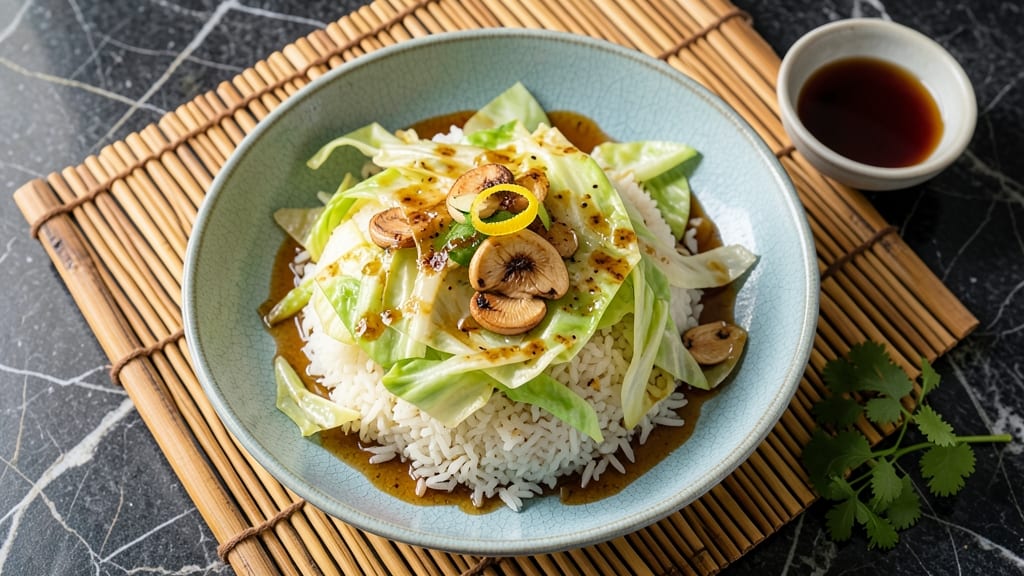
This crispy-edged cabbage rice dish delivers the perfect balance of wok-fried texture and fragrant aromatics—exactly what makes Chinese home cooking so irresistible. The secret lies in high-heat stir-frying, which transforms cabbage into tender, caramelized bites while keeping the rice perfectly separate yet infused with wok hei. What starts as simple ingredients becomes a restaurant-worthy side dish with just the right amount of garlic, ginger, and soy sauce.
What makes this recipe stand out is the two-step cooking method: first, the cabbage gets crispy edges from rapid searing in a hot wok, then it's combined with steamed rice for a dish that's both hearty and elegant. The result is a fragrant, slightly sweet cabbage with just enough crunch, all while maintaining the distinct texture of each ingredient. This is the kind of side dish that elevates any meal—whether served alongside roasted meats or as a light vegetarian main.
Ingredients for cabbage rice chinese
Simple ingredients transformed by wok-frying into a fragrant, crispy-edged Chinese side dish.
| Ingredient | Amount | Notes |
|---|---|---|
| Green Cabbage 🥬 | 8 cups | Shredded, outer leaves removed |
| Jasmine Rice 🍚 | 2 cups | Uncooked, long-grain preferred |
| Garlic Cloves 🧄 | 6 cloves | Minced, fresh preferred |
| Fresh Ginger 🌿 | 1 ½ tbsp | Grated, peeled |
| Light Soy Sauce 🥄 | ½ cup | Kikkoman preferred |
| Sesame Oil 🫒 | 1 ½ tbsp | Toasted, for aroma |
| Neutral Oil 🫒 | 2 tbsp | Vegetable or peanut oil |
| Sugar 🍚 | 1 tbsp | White granulated |
| Oyster Sauce 🍜 | 2 tbsp | Lee Kum Kee preferred |
| White Pepper 🌶️ | ½ tsp | Freshly ground |
| Salt 🧂 | 1 tsp | Kosher or sea salt |
| Green Onions 🧅 | 4 whole | Thinly sliced, white parts only |
The cabbage is the star—look for firm heads with crisp leaves at the market. Trader Joe's or Asian grocery stores often carry the best quality, especially in the fall and winter. Fresh ginger and garlic should smell vibrant and pungent—no mustiness. The jasmine rice? Day-O brand is my go-to for that authentic aroma. For the wok, cast iron or carbon steel heats up fastest, but a heavy skillet works in a pinch. Just make sure it's smoking hot before adding the cabbage—this is where those crispy edges happen.
No sesame oil? Toasted peanut oil works in a bind, though it lacks the nutty aroma. Substitute oyster sauce with hoisin plus a splash of soy sauce if needed, but you'll lose some depth. The sugar can be swapped for brown sugar or honey, though white keeps things balanced. For extra crunch, add 1/4 cup crushed peanuts at the end. The green onions can be omitted if you're sensitive to their sharpness, but they add a fresh finish. If you're using a nonstick pan, add a little more oil—nonstick surfaces don't get as hot as cast iron.
Steamed rice keeps best in an airtight container for 3-4 days in the fridge. The cabbage mixture reheats beautifully—just 2 minutes in the wok with a splash of water revives the crispy edges. For meal prep, store components separately: rice in one container, cabbage mix in another. When ready to serve, toss them together and give it a quick stir-fry to restore that wok hei aroma. Freezes well for up to 3 months—just thaw and reheat gently.
Why You'll Love This Recipe
- Pantry Staples Only: I swear by this recipe when my fridge is bare—just cabbage, rice, and a few spices. The light soy sauce and ginger do all the heavy lifting, so you’re not scrambling for fancy ingredients.
- Crispy-Creamy Magic: That first bite? Crispy cabbage edges with tender centers, all wrapped in fragrant jasmine rice. The garlic and ginger hit like a warm hug—simple, but ridiculously satisfying.
- Lunchbox Hero: Pack it cold or reheat it—this holds up perfectly. My kids grab it for school lunches, and honestly? It’s way better than sad sandwiches. (Yes, even on a Tuesday night.)
- Budget Buster: A whole head of cabbage and a bag of rice feed us for days. Leftovers taste just as good the third time around—no takeout guilt here. My wallet thanks me every time.
Step-by-step instructions for wok-fried cabbage rice
Master this technique for restaurant-quality texture—crispy cabbage edges and perfectly cooked rice every time.
Prepare the Cabbage and Rice Separately
First, rinse the 8 cups shredded green cabbage thoroughly under cold water and drain completely in a colander. I press out as much moisture as possible with my hands—this ensures crispy edges later. In a separate bowl, combine the 2 cups uncooked jasmine rice with 1 teaspoon salt and 1 tablespoon sugar, tossing gently to coat evenly.
While the cabbage drains, measure out the 6 cloves minced garlic and 1.5 tablespoons grated fresh ginger into a small bowl. This prep keeps your workspace organized and prevents cross-contamination between raw ingredients. The garlic and ginger will infuse the entire dish with aromatic depth, so don't skip the freshness—jarred versions won't deliver the same punch.
Cook the Jasmine Rice to Al Dente Perfection
Use a rice cooker for foolproof results: add the seasoned rice to the pot with 2.5 cups water (standard 1:1.25 rice-to-water ratio for jasmine). Start the cooker and let it work its magic—this will take about 15 minutes. If you don't have a rice cooker, cook the rice in a pot over medium heat for 12-14 minutes until tender but still slightly firm to the bite.
I always check doneness by pressing a grain between my fingers—it should be tender but resist complete flattening. Overcooked rice becomes mushy when stir-fried later. Once cooked, fluff the rice gently with a fork and set it aside to steam, covered, while you prepare the cabbage. This resting period helps develop the grains' texture.
Stir-Fry the Cabbage Until Crispy
Heat a wok or large skillet over high heat until smoking, then add 2 tablespoons neutral oil. Swirl to coat the surface evenly. Add the 8 cups shredded cabbage in batches, stirring constantly for 3-4 minutes until the edges begin to soften but remain vibrant green. This high-heat cooking is crucial—it prevents the cabbage from turning limp while developing those crispy edges we're after.
After the initial stir-fry, reduce heat to medium-high and add the garlic and ginger. Cook for 30 seconds until fragrant—this is where the magic happens. The garlic should sizzle and turn golden without burning. Immediately add 0.5 cup light soy sauce, 2 tablespoons oyster sauce, and 0.5 teaspoon white pepper, stirring to combine. Taste and adjust seasoning if needed, remembering that the rice will absorb some flavors.
Combine Rice and Cabbage for Maximum Flavor
Add the cooked rice to the wok and toss vigorously with tongs for 2-3 minutes until everything is evenly coated and heated through. The residual heat from the wok will finish cooking the rice perfectly. Here's the pro move: add 1.5 tablespoons sesame oil and toss again. This final step infuses the dish with that unmistakable nutty aroma that defines authentic Chinese wok-fried rice.
Watch the texture closely—you want the cabbage to remain slightly crisp while the rice achieves that signature "sticky but separate" consistency. If the mixture looks dry, add 1-2 tablespoons water and toss again. The dish should be moist but not saucy. Remove from heat immediately to preserve the cabbage's texture.
Garnish and Serve Immediately
Transfer the cabbage rice to serving plates and garnish with the 4 whole green onions, sliced thinly into rings. I like to sprinkle an additional pinch of white pepper on top for that final aromatic kick. Serve while piping hot—this dish tastes best immediately after cooking when the cabbage still has that satisfying crunch.
The perfect plate should show crispy cabbage edges contrasting with tender rice, vibrant green flecks throughout, and that irresistible sesame aroma wafting from every bite. For extra authenticity, serve with a side of chili oil or a simple cucumber salad to cut through the richness. Leftovers keep well in the fridge for up to 3 days, though I rarely have any lasting that long!
Pro Tips For Making Cabbage Rice Chinese
- STIR-FRY CABBAGE FAST: Use a sharp knife and cut the cabbage into 1-inch-wide strips—thicker than usual—so they stay crisp longer and don’t turn into mush from overcrowding the wok. I learned this the hard way after making a sloppy, soggy mess the first time.
- COOK RICE AL DENTE: Jasmine rice should be slightly undercooked when you drain it—press a grain between your fingers, and it should feel firm but still tender. Overcooking turns it gluey, and that’s a disaster when mixing with cabbage. Trust the texture, not the time on the package.
- SALT THE CABBAGE BEFORE COOKING: Toss the shredded cabbage with a pinch of salt and let it sit for 5 minutes before stir-frying. This draws out moisture, so it crisps up better and absorbs the soy sauce flavor like a sponge. Sounds weird, but it works—my grandmother swore by it.
- GINGER-GARLIC PASTE SAVES TIME: Instead of chopping fresh ginger and garlic every time, make a paste with 3 cloves garlic, 1-inch ginger, and 1 tablespoon water—blend until smooth. Keeps for a week in the fridge, and you won’t waste time mincing while the wok heats up. (Your future self will thank you.)
Flavor customization for this cabbage rice chinese
Spicy Kick
Add ½ teaspoon of chili crisp or 1 tablespoon of chili garlic sauce when combining the cabbage and rice. For extra heat, toss in 1 teaspoon of gochujang (Korean chili paste) with the soy sauce.
This transforms the dish into a fiery, umami-packed side that pairs perfectly with grilled meats or tofu. 🌶️
Sweet and Tangy Twist
Brighten the flavors by adding 1 tablespoon of rice vinegar and 1 teaspoon of honey when stir-frying the cabbage. The tanginess cuts through the richness, while the honey adds a subtle sweetness that balances the savory soy sauce. Finish with a sprinkle of toasted sesame seeds for texture.
Smoky Charred Cabbage
For a smoky depth, char the cabbage edges first by placing them directly over a gas flame for 30 seconds before stir-frying. This technique mimics traditional Chinese street food flavors.
Add ½ teaspoon of smoked paprika to the seasoning mix for an extra layer of complexity. The charred edges add a bold, almost caramelized flavor that elevates the dish.
Nutty Crunch Finish
Stir in ¼ cup of crushed peanuts or toasted cashews during the final toss with sesame oil. The nuts add a satisfying crunch and nutty flavor that contrasts beautifully with the tender cabbage and rice.
For a sweeter nut option, use honey-roasted peanuts—they add a subtle caramelized sweetness that complements the dish perfectly.
Herbaceous Freshness
Incorporate 2 tablespoons of chopped cilantro or thai basil when combining the rice and cabbage. These herbs add a bright, fresh note that cuts through the richness of the soy and oyster sauces.
For a more aromatic touch, add 1 teaspoon of chopped mint—it pairs especially well with the ginger and garlic flavors. Garnish generously for a vibrant, restaurant-worthy finish.
Umami Boost
Enhance the savory depth by adding 1 tablespoon of fish sauce or 1 teaspoon of mushroom powder to the stir-fry. These ingredients amplify the umami flavor without overpowering the dish.
For a vegetarian option, use 1 tablespoon of soy sauce plus ½ teaspoon of nutritional yeast to mimic the umami richness. The result is a more complex, layered flavor profile that keeps every bite interesting.
Nutrition facts
Frequently asked questions
Can I substitute regular rice for jasmine rice in this recipe?
Yes, but you'll lose some of the dish's signature aroma. Jasmine rice has a delicate floral scent that pairs perfectly with the cabbage. For a neutral substitute, use long-grain white rice—just reduce the cooking time by about 2 minutes since it absorbs liquid faster. Brown rice works too, but it requires 50% more water and takes 30-40 minutes to cook.
Why does my cabbage turn soggy instead of crispy?
This happens when the cabbage isn't dry enough before cooking or the wok isn't hot enough. First, squeeze out ALL moisture from the shredded cabbage—even a little water will steam it instead of crisp it. Second, heat your wok until it's smoking hot before adding oil. If the cabbage sticks, your pan isn't hot enough. For extra crispiness, stir-fry in batches and don't overcrowd the pan.
Can I make this dish ahead of time?
Store the cooked rice and cabbage mixture separately in airtight containers for up to 3 days. To reheat, spread the cabbage mixture on a dry skillet over medium-high heat for 3-4 minutes, stirring constantly, until the edges crisp again. Then toss with the rice and a splash of water to restore moisture. The texture won't be identical to fresh, but it's still delicious.
What's the best way to cut cabbage for this recipe?
For even cooking, cut the cabbage into 1-inch wide shreds—thicker pieces stay crunchy longer while thinner ones soften faster. Remove the tough outer leaves first, then slice from the core outward. A sharp chef's knife works best, but a mandoline with the 1/8-inch blade gives perfectly uniform pieces. Pro tip: Keep a bowl of cold water nearby to soak the cut cabbage for 10 minutes before draining to remove excess sulfur compounds that can make it bitter.
How can I make this vegetarian?
Skip the oyster sauce and replace it with 3 tablespoons soy sauce plus 1 teaspoon nutritional yeast for umami depth. For extra protein, stir in ½ cup cooked mushrooms or ½ cup shredded carrots with the cabbage. The dish already has plenty of savory notes from the garlic, ginger, and soy, so no additional seasoning adjustments are needed unless you're sensitive to salt.