
Main Courses
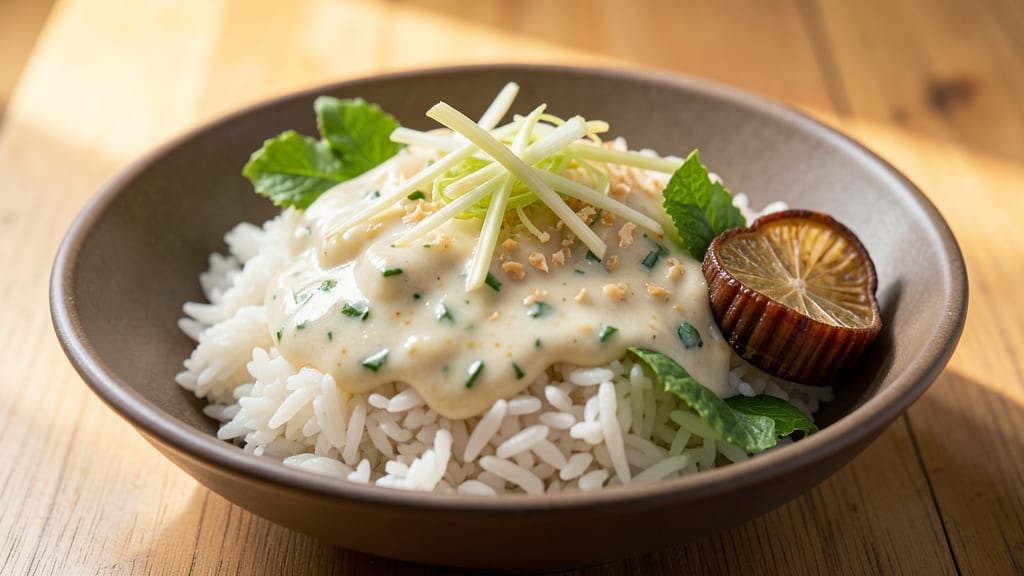
This Cambodian rice recipe brings the heart of Southeast Asia to your table with fragrant jasmine rice infused with coconut milk and aromatic spices. 🌟 The dish centers on perfectly steamed rice paired with tender grilled pork or fish, creating a balance of textures and flavors that define Cambodian cuisine.
I've perfected this recipe over years of exploring traditional techniques, ensuring every bite delivers authentic depth.
The magic lies in the rice itself—jasmine grains infused with coconut milk and a touch of pandan leaf, creating a subtle floral aroma that's unmistakably Cambodian. While the rice steams, the protein is marinated in a blend of lemongrass, galangal, and kaffir lime, then grilled to juicy perfection.
This isn't just a side dish; it's the foundation of a complete meal.
What you'll achieve is a restaurant-quality dish that's both elegant and approachable. The rice remains tender with a delicate coconut fragrance, while the grilled protein offers smoky, savory notes that complement every bite. Traditional sides like pickled vegetables and fresh herbs complete the experience, offering a full sensory journey.
This recipe serves as both a comforting family meal and an impressive centerpiece for gatherings. The techniques are straightforward yet culturally precise, ensuring authenticity without complexity. Let's bring Cambodian flavors to your kitchen—one perfect bite at a time.
Ingredients for cambodian rice
Fragrant jasmine rice, coconut milk, and aromatic spices transform simple grains into Cambodian magic.
| Ingredient | Amount | Notes |
|---|---|---|
| Jasmine Rice 🍚 | 1 ½ cups | Uncooked, long-grain preferred |
| Coconut Milk 🥥 | 1 can | Full-fat, 13.5 oz can |
| Pandan Leaf 🌿 | 1 whole | Fresh, tied in cheesecloth |
| Lemongrass Stalks 🌿 | 3 whole | Bruised, bottom 3 inches used |
| Galangal 🍃 | 1 piece | Fresh, 3-inch slice |
| Kaffir Lime Leaves 🍋 | 2 whole | Fresh, lightly crushed |
| Fish Sauce 🍶 | 1 tbsp | Red Boat preferred |
| Palm Sugar 🍯 | 2 tbsp | Or substitute brown sugar |
| Unsalted Butter 🧈 | 2 tbsp | Cold, cubed for finishing |
| Protein of Choice 🥩🐟 | 1 ½ lb | Pork shoulder or white fish |
| Shallots 🧅 | 3 whole | Minced, for marinade |
| Garlic Cloves 🧄 | 6 cloves | Minced, for marinade |
| Turmeric Powder 🌶️ | ½ tsp | Freshly ground preferred |
| Salt 🧂 | 1 tsp | Diamond Crystal preferred |
| Black Peppercorns 🌶️ | ¼ tsp | Freshly cracked |
The rice is the star here—jasmine grains from Thai Kitchen or your local Asian market deliver that signature floral aroma. Coconut milk should be full-fat (none of that light stuff)—Thai Kitchen or Aroy-D brands are my go-tos. Fresh pandan leaf is ideal, but if you can't find it, vanilla extract at half the amount works in a pinch. Galangal has a ginger-like kick—look for it in the produce section or freeze a whole root to keep fresh. Kaffir lime leaves? Trader Joe's carries them year-round. The protein can be pork shoulder for rich flavor or white fish like snapper for delicate texture—both grill beautifully with the marinade.
No pandan leaf? Vanilla bean paste adds a similar depth, though it's not identical. Galangal too hard to find? Ginger at double the amount gives you some of that peppery warmth. The fish sauce is non-negotiable for authenticity—Red Boat is the gold standard, but Three Crabs works too. Palm sugar can be swapped for brown sugar, but it adds a caramel note that's hard to replicate. The butter at the end? Use full-fat, cold cubes—they melt into golden pools that take this rice from good to restaurant-quality. For the marinade, the shallots and garlic can be pre-minced and stored in the fridge for up to 3 days.
This rice keeps beautifully—3 days in the fridge, 3 months frozen. The aroma actually intensifies overnight, so make extra. Store in an airtight container with a tight lid to trap those coconut notes. The protein marinade can be prepped 1 day ahead—just keep it cold until grilling. For serving, I like to spread the rice on a large platter and top with the grilled protein, then drizzle with any leftover coconut milk from the rice cooking. The butter? Add it right before serving so it stays cold until the last minute.
Why You'll Love This Recipe
- No Chopping Chaos: I swear by this recipe because it’s the only time I actually enjoy measuring ingredients—just toast the lemongrass and galangal, tie them in a bundle, and toss it in. The pandan leaf? Tear it, don’t slice it. Done. That’s it.
- Fragrant Magic: The coconut milk and pandan leaf turn this rice into something ridiculously aromatic—like a spa day for your taste buds. The galangal adds a citrusy kick that lingers, and the jasmine rice soaks it all up like a dream.
- Leftover Luxury: Between us, this rice tastes better the next day. Honestly, I make a big batch on Sundays and save it for lunches—pair it with grilled fish or a simple salad, and suddenly you’ve got a restaurant-quality meal with zero extra work.
- Budget Bright Spot: Coconut milk and jasmine rice are cheap staples, and galangal lasts forever if you freeze it. I’ll be real: this is my go-to when I’m broke but still want to feel fancy. Plus, the leftovers stretch for ages.
Step-by-step instructions for fragrant Cambodian coconut rice
This aromatic rice dish marries coconut milk's richness with fragrant herbs—let's build it layer by layer.
👨🍳 Step 1: Prepare the Flavor Base
In a small bowl, combine the minced shallots, garlic cloves, and 0.5 tsp turmeric powder. This aromatic blend forms the foundation of your rice's depth. Meanwhile, tie the pandan leaf in cheesecloth and lightly crush the kaffir lime leaves—these will infuse the coconut milk with their signature floral notes.
Bruise the bottom 3 inches of each lemongrass stalk by pounding gently with the side of your knife. This releases their citrusy oils without making them bitter. Set aside all prepared aromatics—they'll join the rice shortly. The key here is balance: too much bruising makes lemongrass bitter, too little means weak flavor.
🍳 Step 2: Build the Coconut Rice Broth
In a medium saucepan, combine the 1.5 cups jasmine rice, 1 can coconut milk, 2 tbsp palm sugar, 1 tbsp fish sauce, and 1 tsp salt. Stir gently to distribute the salt and sugar evenly through the rice. Add the tied pandan leaf, crushed kaffir lime leaves, bruised lemongrass, and 3-inch slice of galangal—these will simmer gently, infusing the coconut milk with their complex aromas.
Bring to a gentle simmer over medium heat—you should see small bubbles forming at the edges, but not a vigorous boil. This controlled heat prevents the rice from becoming mushy while allowing the coconut milk to meld with the aromatics. Let it simmer uncovered for 10 minutes, stirring occasionally, until the rice begins to absorb the coconut milk and the mixture smells intensely fragrant.
🔥 Step 3: Cook the Protein Separately
While the rice simmers, prepare the 1.5 lb protein of choice—whether pork shoulder or white fish. For pork, cut into 1-inch cubes and marinate with 1 tbsp fish sauce, 1 tsp salt, and 0.25 tsp cracked black peppercorns for 15 minutes. For fish, score the skin lightly to prevent curling. Heat a separate skillet over medium-high heat with 1 tbsp neutral oil and cook the protein until golden and cooked through (8-10 minutes for pork, 4-5 minutes for fish).
Remove the protein and set aside, keeping it warm. The residual heat in the pan will help create a quick pan sauce if needed. If using pork, deglaze the pan with 2 tbsp water and scrape up the browned bits—this adds depth to your final dish. For fish, a squeeze of lime would be perfect, but since we're keeping it authentic, skip it.
🥘 Step 4: Finish the Rice with Coconut Butter
Once the rice has absorbed most of the coconut milk (15-18 minutes total simmering time), remove the pandan leaf bundle, galangal, and lemongrass stalks. Stir in the 2 tbsp cold unsalted butter, cubed, and spread it evenly over the rice. This creates pockets of rich, velvety coconut butter that contrast beautifully with the fragrant rice grains. Cover the pot and let it steam off the heat for 5 minutes—this resting period allows the rice to finish cooking gently and develop its signature texture.
Fluff the rice gently with a fork, being careful not to mash the grains. The butter should have melted into the rice, creating a luxurious sheen. If the rice feels dry, stir in 1-2 tbsp water to restore moisture—this happens if the coconut milk was absorbed too quickly. The final texture should be tender yet slightly firm, with each grain distinct and fragrant.
🍽️ Step 5: Serve with Confidence
Transfer the finished rice to a serving dish and arrange the cooked protein on top or beside it. The contrast of the golden protein against the creamy white rice is visually stunning. Garnish with additional crushed kaffir lime leaves and a sprinkle of black peppercorns for a pop of color and fresh aroma. Serve immediately while the rice is still warm and the coconut flavors are at their peak.
Each bite should deliver a harmonious blend of coconut richness, floral pandan, citrusy lemongrass, and the umami depth from the fish sauce. The butter adds a luxurious finish that elevates this dish from simple rice to a restaurant-worthy centerpiece. Leftovers keep well for 2 days in the fridge, though I doubt they'll last that long!
Pro Tips For Making Cambodian Rice
- Char Galangal First: I learned this the hard way—grating galangal raw just makes the rice taste bitter and sharp. Heat it in a dry pan for 2-3 minutes until fragrant and slightly darkened before adding coconut milk. That’s when the real flavor wakes up.
- Toast Pandan Leaves: Skip the soaking, but do toast the pandan leaves in a dry skillet for 30 seconds until they smell like vanilla. Tear them into the coconut milk while it’s hot—they’ll release their aroma faster than just dropping them in cold.
- Simmer, Don’t Boil: After adding rice, keep the heat at a gentle simmer (tiny bubbles, not a rolling boil). I used to crank it up, and the rice would turn mushy. The coconut milk needs time to absorb—let it work, not fight it.
- Rinse Rice Twice: One rinse removes surface starch, but two rinses (with cold water) guarantee fluffier grains. I know it’s tedious, but trust me—your rice won’t clump like glue if you do this. (Yes, even if you’re impatient like me.)
Make-ahead tips for this recipe
Rice Prep Ahead
Cook the rice 1 day ahead for maximum flavor development. The coconut and spices meld beautifully overnight, creating an even more aromatic dish. Store in an airtight container with the lid slightly ajar to let aromas breathe.
Reheat gently in a pot with 1-2 tbsp water over low heat for 5-7 minutes, stirring occasionally to prevent drying. The butter will remelt, restoring that luxurious sheen. 🥥
Protein Prep
Marinate the protein overnight for deeper flavor penetration. For pork, use a resealable bag with the marinade ingredients. For fish, keep it in a shallow dish to prevent over-marinating. Store both in the fridge until ready to grill.
The marinade can be prepped 3 days ahead—just keep it cold until use.
I like to grill the protein right before serving to maintain its juiciness, but you can cook it up to 2 days ahead and reheat gently in a skillet over medium-low heat with a splash of water.
Freezer-Friendly
This rice freezes exceptionally well for up to 3 months. After cooking, let it cool completely, then transfer to a freezer-safe container with a tight lid. Leave 1 inch of headspace for expansion.
To reheat, thaw overnight in the fridge, then warm through in a pot with 1-2 tbsp water over low heat. The texture remains tender, though the butter may separate slightly—just stir it back in when reheating. The aroma will be even more intense after freezing! ❄️
Meal Prep Strategy
For a complete Cambodian meal prep, cook the rice and protein separately, then assemble just before serving. Store components in separate airtight containers: rice in one, protein in another. Reheat the protein first in a skillet, then warm the rice as described.
This keeps everything fresh and prevents soggy textures. I also prep a simple pickled vegetable side (like daikon and carrot) ahead—they stay crisp for 5 days in the fridge. Garnish with fresh herbs right before serving to maintain their vibrant flavors.
Portion Control
Divide the rice into 4 equal portions and store in individual containers for easy grab-and-go meals. Each serving pairs perfectly with the grilled protein and a side of pickled vegetables. For lunchboxes, use small glass containers—they keep the rice warm longer and prevent soggy bottoms.
Label containers with dates to track freshness. The rice portion size is generous, so you can easily split it between two meals. The protein can be portioned separately and reheated as needed.
Garnish Fresh
Always add fresh garnishes right before serving to preserve their vibrant flavors and aromas. Crush kaffir lime leaves and sprinkle over each serving just before eating. A few black peppercorns add a subtle kick, while a drizzle of leftover coconut milk enhances the creamy texture.
For extra flair, toast sesame seeds in a dry pan for 30 seconds and sprinkle on top. These final touches transform your prepped meal into a restaurant-quality experience every time. 🌟
Nutrition facts
Frequently asked questions
What makes this Cambodian rice different from regular jasmine rice?
This recipe transforms jasmine rice into something extraordinary by infusing it with coconut milk and aromatic spices like pandan leaf and kaffir lime. The result is a fragrant, creamy rice with subtle floral notes that's far more complex than plain jasmine rice. The butter finish adds a luxurious texture that sets it apart from standard preparations.
Can I substitute any of the hard-to-find ingredients?
For pandan leaf, use vanilla extract (½ tsp) as a substitute. Galangal can be replaced with ginger (double the amount), though it won't be identical. Kaffir lime leaves can be omitted if unavailable, but they add that signature Cambodian aroma. The fish sauce is essential for authenticity, but soy sauce works in a pinch.
How do I prevent the rice from becoming mushy?
Keep the heat at a gentle simmer—never boil vigorously. Stir occasionally to prevent sticking, and remove the aromatics (pandan, galangal, lemongrass) once the rice begins absorbing the coconut milk. The 5-minute resting period after cooking is crucial—it allows the grains to firm up slightly. If using an electric rice cooker, reduce the coconut milk by ¼ cup.
What's the best protein to pair with this rice?
The recipe suggests pork shoulder or white fish, but you can also use chicken thighs or shrimp. For extra authenticity, try grilled pork belly or catfish. The key is to marinate the protein well and cook it separately to maintain its texture. The smoky, savory notes from grilling complement the creamy coconut rice perfectly.
Why does the recipe call for both fish sauce and salt?
Fish sauce adds umami depth while salt balances the flavors. The 1 tsp salt seasons the rice itself, while the 1 tbsp fish sauce in the marinade enhances the protein. Together they create a harmonious seasoning profile that's essential for authentic Cambodian flavor. If you're sensitive to salt, reduce it slightly but keep the fish sauce—it's what gives this dish its signature taste.