
Main Courses
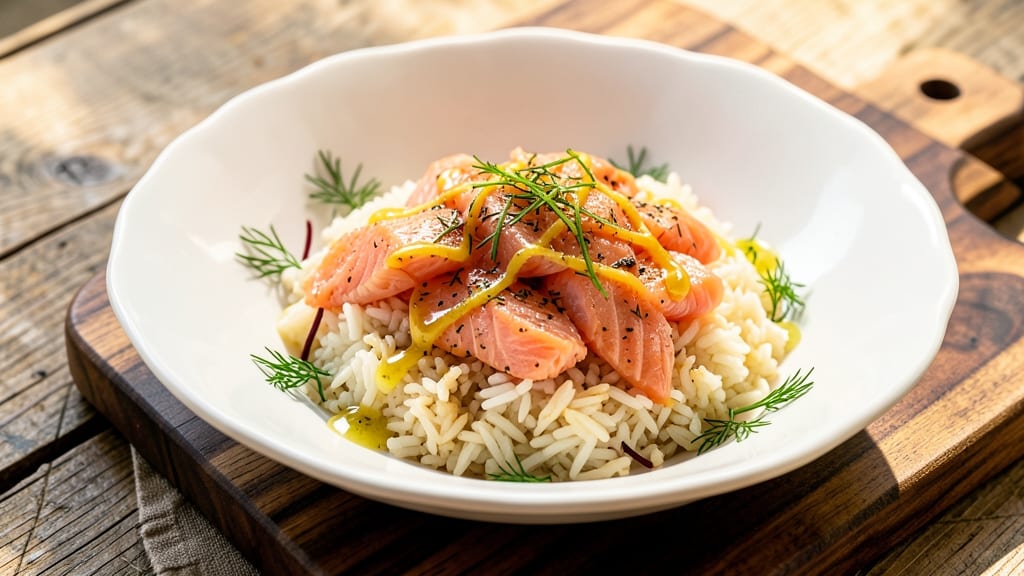
This canned pink salmon and rice recipe transforms simple pantry staples into a smoky, lemon-zest-infused one-pot meal that tastes like a restaurant dish in under 30 minutes.
The secret lies in balancing the natural richness of the salmon with bright citrus and aromatic dill, creating a dish that's both hearty and refreshing—perfect for pescatarians or anyone craving a light yet satisfying meal.
This recipe combines flaky canned salmon with perfectly seasoned rice in a single pot, eliminating cleanup while maximizing flavor. The salmon gets heated just enough to melt its oils into the rice, creating a fragrant, cohesive dish that's infused with smoky dill and zesty lemon—no fancy techniques required.
The result is tender salmon flakes nestled in fragrant rice, ready to be topped with your choice of fresh herbs or a drizzle of tangy sauce.
What makes this dish truly special is its versatility—serve it as a standalone meal or pair it with a crisp green salad for a complete, balanced plate. The bright lemon zest cuts through the richness of the salmon, while the dill adds an earthy depth that elevates the entire dish.
Whether you're feeding a family or meal prepping for the week, this recipe delivers foolproof, restaurant-worthy results without the fuss.
For an extra layer of flavor, consider adding a splash of soy sauce or a sprinkle of sesame seeds before serving. The one-pot method ensures minimal effort, while the combination of textures—tender salmon, fluffy rice, and crisp garnishes—makes every bite satisfying.
Let's bring this flavorful, easy-to-make meal to your table today.
Ingredients for canned pink salmon and rice
Simple pantry staples meet restaurant-worthy flavors in this one-pot salmon and rice dish.
| Ingredient | Amount | Notes |
|---|---|---|
| Canned Pink Salmon 🐟 | 2 cans | 5 oz each, boneless preferred |
| Long-Grain White Rice 🍚 | 1 ½ cups | Uncooked, jasmine or basmati ideal |
| Dried Dill 🌿 | 1 ½ tbsp | Or 0.5 cup fresh dill leaves |
| Lemon Zest 🍋 | 1 tbsp | From 1 medium lemon |
| Lemon Juice 🍋 | 2 tbsp | Freshly squeezed |
| Low-Sodium Soy Sauce 🥢 | 1 tbsp | For umami depth |
| Vegetable Broth 💧 | 2 cups | Low-sodium preferred |
| Extra-Virgin Olive Oil 🫒 | 1 tbsp | For cooking rice |
| Garlic Cloves 🧄 | 2 cloves | Minced for aroma |
| Sesame Seeds 🌰 | 1 tbsp | Toasted for garnish |
| Sea Salt 🧂 | 1 ½ tsp | Adjust to taste |
| Ground Black Pepper 🌶️ | ½ tsp | Freshly ground |
| Green Onion 🧅 | 2 whole | Sliced for garnish |
| Fresh Cilantro 🌿 | ¼ cup | Chopped, optional garnish |
The canned pink salmon is the star here—opt for 5 oz cans with the skin removed for easier flaking. Trader Joe's or Wild Planet brands offer high-quality options without added fillers. Fresh dill is ideal, but dried works in a pinch (use one-third the amount). For the rice, jasmine or basmati varieties hold up best to the one-pot method, absorbing flavors beautifully. The lemon zest should be vibrant—bright yellow means fresh. If you can't find fresh, bottled zest works, but it lacks the same punch. The garlic cloves should be plump and firm, not shriveled or sprouting. Toast them lightly in the olive oil before adding to the rice for deeper flavor.
No fresh dill? Dried works at one-third the amount, but you'll lose some of that smoky aroma. Substitute tarragon for half the dill if you're feeling adventurous. Short on lemon zest? A splash of bottled lemon juice (like ReaLemon) can help, but fresh zest is non-negotiable for that bright pop. The soy sauce adds umami—low-sodium is key to avoid over-salting. For a vegan version, swap the salmon for chickpeas or tofu and use vegetable broth. The green onions and cilantro are purely for garnish, so don't stress if you're missing either—sesame seeds alone still make it look restaurant-worthy.
This dish reheats beautifully—microwave 2 minutes, stir, and let sit covered for another minute. Keeps in the fridge for 4-5 days in an airtight container, though the rice texture softens over time. For meal prep, portion into containers with a small drizzle of olive oil on top to keep the rice from drying out. The salmon flavor actually deepens overnight, so leftovers often taste even better. Freeze for up to 3 months if you're prepping for a busy week. Store the dried dill and sesame seeds in airtight containers away from light to preserve their flavor.
Why You'll Love This Recipe
- Five-Ingredient Magic: I swear by this one—just salmon, rice, dill, lemon, and boom. No chopping, no fuss, no stress. The canned salmon does all the heavy lifting while I stir.
- Bright & Tangy: That lemon zest and juice cut through the richness of the salmon like a summer breeze. Honestly, the bright, herby finish makes it taste like a vacation in a bowl.
- Lunchbox Hero: Between us, this is my go-to for meal prep. Pack it in containers, and it stays fresh for days—perfect for work lunches or school lunches (my kid’s favorite, weirdly enough).
- Budget Win: Canned salmon is my secret weapon for feeding the family without breaking the bank. A single can stretches into multiple meals, and the rice keeps everyone full for hours.
Step-by-step instructions for canned pink salmon and rice
This one-pot method delivers perfectly balanced flavors with minimal cleanup.
Toast the Rice and Aromatics
Heat the 1 tablespoon extra-virgin olive oil in a large pot over medium heat. Add the 1.5 cups long-grain white rice and toast for 2-3 minutes, stirring frequently, until the grains become translucent at the edges. This step enhances the rice's nutty flavor and prevents mushiness.
Add the 2 minced garlic cloves and toast for another 30 seconds until fragrant. The garlic should smell pungent but not burn—watch closely as it darkens quickly. Immediately stir in the 1.5 teaspoons sea salt and 0.5 teaspoon ground black pepper, coating the rice evenly. This seasoning step ensures every grain absorbs the flavors uniformly.
Build the Flavor Base
Pour in the 2 cups vegetable broth and bring to a gentle boil. Once boiling, reduce heat to low and stir in the 1 tablespoon low-sodium soy sauce, 1.5 tablespoons dried dill, 1 tablespoon lemon zest, and 2 tablespoons lemon juice. The lemon zest will infuse the liquid with bright citrus notes, while the dill adds that signature smoky depth.
Add the 2 cans canned pink salmon, drained but not rinsed, breaking up any large chunks with your hands. Stir gently to distribute the salmon evenly throughout the mixture. This step ensures the salmon's natural oils permeate the rice, creating a cohesive, flavorful dish. Let the mixture simmer uncovered for 10 minutes, allowing the liquid to reduce slightly and the flavors to meld.
Simmer to Perfect Texture
Cover the pot with a tight-fitting lid and reduce heat to lowest setting. Let the rice simmer for 15-18 minutes, checking occasionally. You'll know it's done when the liquid has been absorbed and the rice is tender with a slight bite—what we call "al dente." Avoid lifting the lid during this time, as steam is crucial for even cooking.
If the rice seems underdone after 18 minutes, add 2-3 tablespoons water and continue cooking for another 5 minutes. Overcooking turns rice mushy, so focus on achieving that perfect balance of tenderness and texture. The salmon should be fully integrated, with no dry spots remaining.
Finish and Garnish
Once the rice is fully cooked, remove from heat and let it sit covered for 5 minutes. This resting period allows the rice to absorb any remaining moisture and develop a slightly firmer texture. Fluff the rice gently with a fork, breaking up any clumps while preserving the salmon's flaky pieces.
Transfer to a serving dish and garnish with 1 tablespoon toasted sesame seeds, 2 sliced green onion, and 0.25 cup chopped fresh cilantro. The sesame seeds add a nutty crunch, while the green onion and cilantro provide fresh contrast to the smoky, citrusy flavors. Serve immediately while the rice is still warm and the aromas are at their peak.
Pro Tips For Making Canned Pink Salmon And Rice
- Flake Salmon Early: Grab a fork and break up the salmon chunks before mixing with rice—this keeps the texture light and prevents a fishy clump in the middle. I used to just stir it in whole, and it always felt dense. Five minutes of flaking makes all the difference.
- Toast the Rice: Dry-toast the rice in the pot for 2–3 minutes before adding liquid—it prevents mush and adds a subtle nutty depth. I learned this the hard way after serving a bowl that looked like oatmeal. Just a little patience at the start saves you later.
- Measure Lemon Zest: Use a microplane and scrape just the yellow part—no white pith, or it’ll turn bitter. I once used a knife and scraped too much, ruining the bright flavor. A teaspoon is plenty; taste as you go.
- Drain Salmon Twice: Open the can, drain the salmon, then rinse it under cold water to remove any lingering brine. The first drain only gets half the job done, and leftover salt makes the rice taste flat. Takes 10 seconds but makes the dish taste fresher.
Troubleshooting this recipe
Salmon Too Dry
If your canned salmon ends up dry or crumbly, it’s often because it was overcooked or drained too aggressively. Always drain the salmon but leave the liquid in the can—this oil-rich brine is flavor gold.
When adding it to the rice, break up the salmon gently with your hands rather than a fork to preserve its moisture. For extra richness, stir in 1 teaspoon of the salmon’s reserved oil after cooking. 💫
Rice Mushy Texture
Mushy rice usually means too much liquid or overcooking. Start with exactly 2 cups of broth and adjust only if needed—adding water later can dilute flavors.
If your rice is still undercooked after 18 minutes, use the lowest heat setting and add no more than 2 tablespoons of water at a time. For next time, try jasmine rice, which holds up better in one-pot methods.
Stirring the rice once during the final 5 minutes of cooking can also help distribute steam evenly.
Flavor Imbalance
The bright lemon and smoky dill should shine, but if the dish tastes bland, it’s likely under-seasoned. Taste the broth before adding rice—it should be noticeably seasoned. If the salmon dominates, add ½ teaspoon more soy sauce or a pinch of smoked paprika for depth.
For a tangier kick, increase the lemon juice to 3 tablespoons and add a splash of rice vinegar at the end. 🍋
Dill Overpowering
Dried dill is potent—if the flavor is too strong, reduce it to 1 teaspoon and balance with extra lemon zest (1.5 tablespoons) or fresh parsley. For a milder profile, swap half the dill for tarragon or thyme.
If using fresh dill, measure ¼ cup instead of the dried amount. Always toast the dill in the pot for 30 seconds to mellow its intensity before adding liquid.
Rice Not Absorbing Liquid
If the rice sits in excess liquid after cooking, it’s often due to improper heat control or too much broth. For future batches, reduce the broth to 1.75 cups and simmer uncovered for 5 minutes before covering.
If the rice is still watery, spread it on a baking sheet and bake at 350°F for 10 minutes to dry it out. A wooden spoon helps distribute steam more evenly than metal during cooking.
Salmon Too Fishy
Canned salmon can taste overly fishy if not balanced properly. Counteract this by increasing the lemon juice to 3 tablespoons and adding 1 teaspoon of honey to the broth. A pinch of salted capers or pickle juice also neutralizes fishiness.
For extra freshness, stir in 2 tablespoons of plain yogurt or sour cream before serving. If the flavor persists, opt for wild-caught salmon brands like Wild Planet, which have a cleaner taste. 🐟
Nutrition facts
Frequently asked questions
Can I use any type of rice for this recipe?
Long-grain white rice (like jasmine or basmati) works best for this one-pot method, as it holds up well to simmering without becoming mushy. For extra fluffiness, try jasmine rice, which absorbs flavors beautifully. Avoid short-grain varieties like sushi rice—they'll turn gluey when cooked in liquid.
How do I prevent the salmon from breaking apart too much?
Break up the salmon gently with your hands when adding it to the rice—never use a fork. The natural oils in the canned salmon help bind the flakes together. For extra tenderness, stir in 1 teaspoon of the reserved salmon oil after cooking. This keeps the texture intact while adding richness.
Can I make this recipe ahead of time?
Yes! This dish reheats beautifully—store leftovers in an airtight container for up to 4-5 days. For meal prep, portion into containers with a small drizzle of olive oil on top to keep the rice from drying out. The flavors actually deepen overnight, making leftovers even more delicious.
What can I serve with this salmon and rice dish?
Pair it with a crisp green salad (try a citrus vinaigrette) or steamed asparagus for a complete meal. For extra protein, add a side of edamame or avocado slices. The bright lemon and dill flavors also complement pickled vegetables or a simple cucumber salad.
Is there a way to make this dish spicier?
Add ½ teaspoon of red pepper flakes or 1 teaspoon of sriracha to the broth for heat. For a smoky kick, stir in ½ teaspoon smoked paprika with the dill. If you love fresh heat, top with sliced jalapeños or a sprinkle of chili crisp before serving.