
Side Dishes
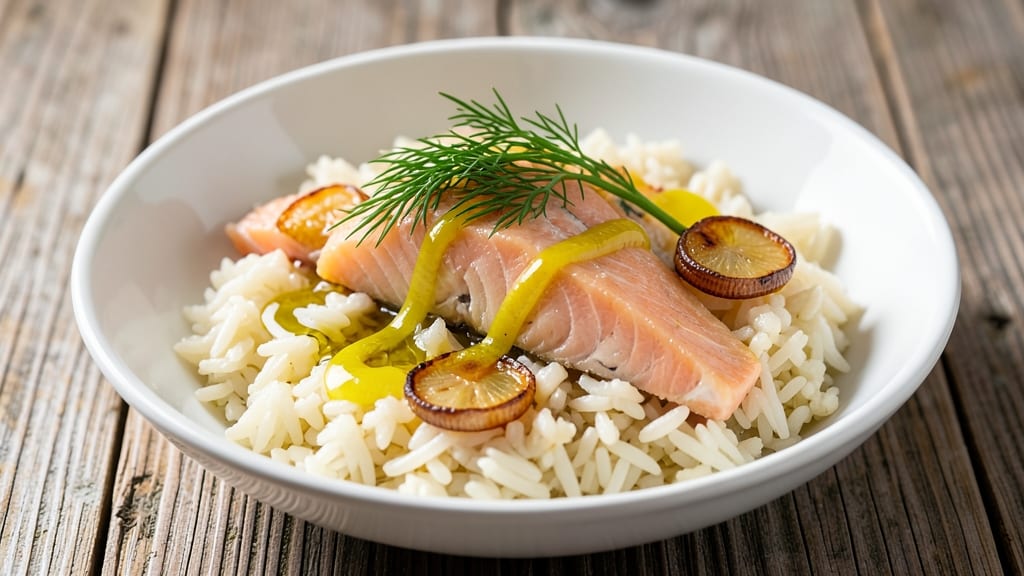
This canned salmon and rice recipe transforms pantry staples into a pescatarian powerhouse with just 20 minutes of active time. The secret lies in balancing smoky salmon, fluffy rice, and fresh dill for a dish that feels restaurant-worthy yet requires no fancy ingredients.
I developed this after realizing how often canned salmon gets overlooked—it’s packed with protein, omega-3s, and that unmistakable briny depth that elevates simple rice into something extraordinary.
The beauty of this recipe is its one-pan simplicity: no chopping, no frying, and minimal cleanup. You’ll start with perfectly cooked rice as your base, then layer in drained canned salmon (bonus points for keeping the juices!) and a bright dill-lemon dressing that ties everything together.
The texture contrast—tender rice, flaky salmon, and crisp dill—makes every bite satisfying, while the smoky notes from the salmon add depth without overpowering.
What you’ll end up with is a complete meal that’s nutritious, budget-friendly, and ready in under 30 minutes—ideal for weeknight dinners or meal prep. The salmon’s natural oils infuse the rice with flavor, while the dill adds a fresh, herbaceous brightness.
This isn’t just a side dish; it’s a full, protein-rich plate that pairs perfectly with steamed greens, a simple salad, or even avocado slices for extra richness.
Whether you’re feeding a family or meal prepping for the week, this recipe delivers restaurant-quality results with minimal effort. The best part? You can customize it with your favorite veggies or a squeeze of lemon for extra zing.
Let’s get cooking—this dish is about to become a staple in your rotation.
Ingredients for canned salmon and rice
Pantry staples meet restaurant-worthy flavor in this one-pan salmon and rice dish.
| Ingredient | Amount | Notes |
|---|---|---|
| Long-Grain White Rice 🍚 | 1 ½ cups | Uncooked, jasmine or basmati preferred |
| Canned Salmon (with bones) 🐟 | 2 cans | Wild-caught preferred, drained but juices reserved |
| Fresh Dill 🌿 | ½ cup | Chopped, stems removed, packed |
| Extra-Virgin Olive Oil 🫒 | 2 tbsp | For cooking and dressing |
| Lemon Juice 🍋 | 2 tbsp | Freshly squeezed, seeds removed |
| Shallot 🧅 | 1 whole | Minced finely, or 2 tbsp shallot powder |
| Garlic Cloves 🧄 | 2 cloves | Minced or pressed, fresh preferred |
| Low-Sodium Chicken Broth 💧 | 1 cup | For extra depth, optional |
| Diamond Crystal Kosher Salt 🧂 | ½ tsp | For seasoning rice and dressing |
| Black Pepper 🌶️ | ¼ tsp | Freshly cracked preferred |
| Toasted Almond Slices 🥜 | ¼ cup | For crunch, optional garnish |
| Avocado Oil 🫒 | 1 tbsp | For cooking rice, high smoke point |
| Water 💧 | 3 cups | For rice cooking, filtered preferred |
The salmon is the star, so wild-caught with bones makes all the difference—those bones add calcium and extra flavor. Trader Joe's and Wild Planet brands are my go-tos for quality, but any canned salmon works in a pinch. Fresh dill is ideal here (the bright, herbaceous notes cut through the salmon's richness), but dried dill at one-third the amount will work if you're short on time. For the rice, jasmine or basmati grains stay separate and fluffy—perfect for this dish. If you're using pre-cooked rice, cut the amount to 1 cup cooked and add an extra splash of broth.
No fresh dill? Dried dill at one-third the amount works, but fresh is worth hunting down at the grocery store's produce section—look for vibrant green stems, not wilted leaves. Swapping the salmon juices for a splash of lemon juice or white wine vinegar keeps the flavor bright if you accidentally drain them all. The shallot can be swapped for 1 tbsp minced red onion if that's what you've got. For extra richness, add 1 tbsp of Greek yogurt or crème fraîche to the dressing. The almond slices are optional but add a lovely crunch—toasted walnuts or pecans work just as well. If you're meal prepping, skip the almonds until serving to keep things crisp.
This dish reheats beautifully—just add a splash of water or broth to keep the rice from drying out. Keeps 4-5 days in the fridge, though the flavor actually improves overnight as everything melds. For meal prep, store the rice and salmon separately, then mix when ready to eat. The dressing can be made ahead and stored in a small jar for up to 5 days. If you're making this for a crowd, double the recipe—it scales perfectly. The salmon's natural oils infuse the rice with flavor, so don't skip the juices unless you're adding extra lemon or vinegar to compensate.
Why You'll Love This Recipe
- I swear by this trick: just drain the salmon, flake it into the rice, and toss with olive oil and lemon while it’s still warm. Five minutes of hands-off work—no chopping, no waiting for salmon to thaw.
- No-Cook Shortcut: I swear by this trick: just drain the salmon, flake it into the rice, and toss with olive oil and lemon while it’s still warm. Five minutes of hands-off work—no chopping, no waiting for salmon to thaw.
- Bright & Zesty: That lemon juice and fresh dill? They turn basic canned salmon into something vibrant and fresh. The bright acidity cuts through the richness, and the dill gives it a Nordic café vibe—no fancy ingredients needed.
- Lunchbox Hero: Between us, this is my go-to for meal prep. Pack it cold or reheat it—it stays fluffy and flavorful. Honestly, I’ve sent this in thermoses for hikes, packed it for work, and even served it at potlucks. No one ever questions the canned salmon.
Step-by-step instructions for smoky dill salmon rice
This one-pan method delivers perfectly fluffy rice infused with smoky salmon flavor and bright dill notes.
Sauté Aromatics in Avocado Oil
Heat the 1 tablespoon avocado oil in a large skillet over medium-high heat until shimmering. Add the 1 whole shallot and 2 cloves garlic cloves, cooking for 2-3 minutes until the shallot softens and becomes translucent. Here's where the foundation builds - the shallot should caramelize just slightly at the edges, adding subtle sweetness that balances the salmon's richness.
Watch carefully as the garlic cooks - it burns quickly. As soon as you catch that irresistible aroma (about 30 seconds after the shallot softens), remove the pan from heat. This quick cooking preserves the garlic's freshness while developing its flavor. The residual heat will keep everything warm while you prepare the next components.
Cook the Rice with Salmon Juices
Add the 1.5 cups long-grain white rice to the skillet and stir to coat with the aromatic oil. Pour in the 3 cups water and bring to a gentle boil. Once boiling, reduce heat to medium-low and add the 2 cans canned salmon (with bones) and their reserved juices. The salmon juices will infuse the rice with depth while the bones add natural umami.
Cover the skillet tightly with a lid and simmer for 15 minutes. Here's the crucial part - don't peek! The steam needs to build pressure for perfectly fluffy grains. After 15 minutes, remove the salmon cans (you can save them for another use) and fluff the rice gently with a fork, leaving it slightly undercooked at this stage.
Build the Dill-Lemon Dressing
In a small bowl, whisk together the 2 tablespoons extra-virgin olive oil, 2 tablespoons lemon juice, 0.5 cup fresh dill, 0.5 teaspoon diamond crystal kosher salt, and 0.25 teaspoon black pepper. The lemon juice should cut through the richness of the salmon while the dill adds that signature bright freshness. This dressing transforms simple rice into a restaurant-worthy side.
Taste the dressing before adding it to the rice. It should be tangy with a peppery kick - adjust the lemon or salt if needed. The dressing will both flavor and bind the rice, creating that perfect one-pan texture where every bite is moist and flavorful.
Finish with Broth and Almond Crunch
Return the skillet to low heat and stir in the 1 cup low-sodium chicken broth. The broth will carry the flavors throughout the rice while adding subtle depth. Let it simmer for 3-4 minutes until the rice absorbs all the liquid and becomes tender. You'll know it's done when the rice is fluffy with a slight resistance when pressed between fingers.
Remove from heat and stir in the 0.25 cup toasted almond slices. The almonds add a delightful textural contrast that prevents the dish from feeling too heavy. Let the rice sit covered for 5 minutes before serving - this resting period allows the flavors to meld completely and the rice to reach its perfect consistency.
Pro Tips For Making Canned Salmon And Rice
- Rinse the Salmon: Drain the canned salmon and give it a quick cold-water rinse—even if it’s labeled "boneless." The oil from the can clings to the flakes, turning your dish greasy if you skip this. I learned this the hard way after serving a plate that looked like it belonged in a deep fryer.
- Toast the Rice First: Cook the rice in olive oil for 2 minutes before adding water—just until the grains look translucent at the edges. This prevents mushy rice later, especially with white rice, which absorbs liquid like a sponge. (Yes, even if you’re impatient like me.)
- Mash the Bones: Crush the salmon bones with a fork before mixing them into the rice. This releases more flavor into the dish instead of letting them sit like awkward, chewy surprises. My grandmother swore by this, and she was right: the broth tastes richer.
- Use Lemon Zest: Skip the extra lemon juice and add a teaspoon of fresh zest instead. It brightens the dish without overpowering the salmon’s natural flavor, and it looks prettier too. (Bonus: zest is cheaper than buying fancy lemon juice.)
Troubleshooting great canned salmon and rice
Rice Too Dry?
If your rice turns out dry, you likely didn’t account for the salmon’s natural oils absorbing moisture. Start by using 1 cup less water (2 cups instead of 3) for 1.5 cups rice, and stir in 2 tbsp reserved salmon juices during the final 3-minute simmer.
For extra insurance, cover the pan with a damp towel while cooking to trap steam. I’ve also found that adding 1 tbsp Greek yogurt at the end helps restore moisture without altering texture. 💧
Salmon Overpowering?
The smoky flavor can dominate if you don’t balance it properly. First, rinse the canned salmon under cold water to remove excess salt and oil. Then, boost the dill-lemon dressing to 3 tbsp lemon juice and 0.75 cup fresh dill—the acidity cuts through the richness.
For a lighter touch, fold in 1 cup steamed zucchini or asparagus at the end to add volume and freshness. 🌿
Dressing Too Thick?
If your dill-lemon dressing separates or feels clumpy, it’s likely from over-chopping the dill or using cold ingredients. Whisk in 1 tsp honey or maple syrup to emulsify, then thin with 1 tbsp warm water if needed.
For a smoother texture, pulse the dill in a food processor for 2 seconds before mixing. I also recommend adding the dressing gradually to the rice while stirring—this prevents clumping and ensures even distribution. ✨
Almonds Too Crunchy?
Toast your almonds for 2-3 minutes over medium heat until golden, then immediately transfer to a bowl. If they’re still too hard after adding to the rice, pulse them briefly in a food processor (just 3-4 pulses) to create a mix of textures.
For a softer crunch, swap almonds for toasted breadcrumbs or crumbled feta cheese—both add texture without overpowering. 🥜
Rice Sticking Together?
Undercooked rice clumps when the starches aren’t fully gelatinized. After removing the salmon cans, stir in 1 tbsp avocado oil and let the rice sit covered for 5 extra minutes off the heat. For future batches, use jasmine rice (its grains stay separate better than basmati).
If clumping persists, fluff the rice with a fork dipped in cold water—this prevents sticking by creating a slight barrier. 🍚
Lemon Dressing Too Sour?
If the lemon flavor dominates, balance it with 1 tsp honey or 1 tsp maple syrup in the dressing. For a richer profile, add 1 tsp Dijon mustard—it adds depth while mellowing the acidity.
I also recommend tasting the dressing before mixing it with the rice, so you can adjust immediately. If the dish still tastes too sharp, serve it with sweet pickles or a dollop of crème fraîche to neutralize. 🍋
Nutrition facts
Frequently asked questions
Can I use pre-cooked rice for this recipe?
Yes, but adjust the liquid ratio. For 1 cup cooked rice, use ½ cup reserved salmon juices and ¼ cup broth instead of starting fresh. Heat everything together for 3-4 minutes on low to restore moisture and infuse flavor. This works well for meal prep when you want to save time!
What if I don't have fresh dill?
Use 1 tablespoon dried dill (about one-third the amount) and add it directly to the rice during the final 3-minute simmer. For extra brightness, boost the lemon to 3 tablespoons and add ½ teaspoon dried tarragon as a substitute. The flavor won't be identical, but it'll still taste fresh and aromatic!
How do I make this dish spicier?
Add ½ teaspoon smoked paprika to the shallot-garlic sauté or stir in ½ teaspoon cayenne pepper with the broth. For heat with depth, mix 1 teaspoon sriracha into the dill-lemon dressing. Start with small amounts—salmon's natural oils amplify spice! For a smoky kick, top with chopped chipotle peppers in adobo before serving.
Can I make this vegetarian?
Swap the salmon for 1 can (15 oz) chickpeas, drained and rinsed, plus 1 tablespoon olive oil for richness. Boost the dill to ⅔ cup and add 1 teaspoon lemon zest for brightness. For umami depth, stir in 1 teaspoon soy sauce with the broth. The texture will differ, but the one-pan method remains the same!
How should I store leftovers?
Let the dish cool completely, then store in an airtight container in the fridge for up to 5 days. Reheat gently with 1-2 tablespoons water or broth in a skillet over low heat to restore moisture. For best texture, avoid microwaving—it can make the rice gummy. The flavors actually improve overnight as everything melds!