
Main Courses
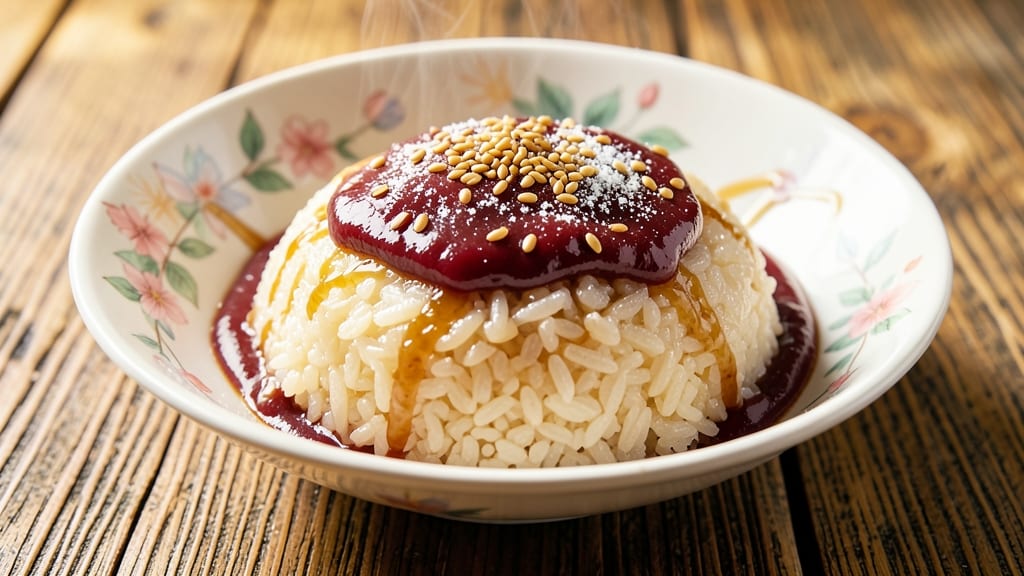
Cantonese-style glutinous rice transforms simple ingredients into a dessert that’s both nostalgic and luxurious—sweet, sticky, and topped with a crunch of toasted sesame. The secret lies in steaming the rice just right, achieving that signature chewy texture while keeping it moist, then finishing with a drizzle of coconut milk or lotus paste for depth. This isn’t just rice; it’s a dish that bridges tradition and indulgence, perfect for dim sum gatherings or a quiet night of homemade treats.
What sets this recipe apart is the balance of textures: the rice’s natural stickiness, the toasted sesame’s nutty crunch, and the smooth sweetness of the syrup or coconut milk. No special equipment is needed—just a steamer and patience for the perfect steam.
Whether served warm with red bean paste or chilled with mango, it’s a versatile canvas for Cantonese flavors. Let’s make it step by step.
Ingredients for cantonese style glutinous rice
Sweet glutinous rice meets toasted sesame and coconut milk for a Cantonese dessert that’s nostalgic yet refined.
| Ingredient | Amount | Notes |
|---|---|---|
| Glutinous Rice (Sweet Rice) 🍚 | 1 ½ cups | Uncooked, short-grain preferred |
| Water 💧 | 2 cups | Room temperature preferred |
| White Sugar 🍬 | ½ cup | Granulated, for syrup |
| Toasted Sesame Seeds 🥜 | ¼ cup | Lightly toasted, store-bought or homemade |
| Coconut Milk 🥥 | ½ cup | Full-fat for creaminess |
| Red Bean Paste 🌱 | 1 cup | Store-bought or homemade |
| Lotus Paste 🌸 | ¼ cup | Optional, for floral depth |
| Salt 🧂 | ¼ tsp | Fine sea salt |
| Vegetable Oil 🫒 | 1 tbsp | For greasing steamer |
| Mango Slices 🍈 | 1 cup | Fresh, for serving |
| Lime Zest 🍋 | 1 tsp | Optional, for brightness |
The glutinous rice is the heart of this dish—short-grain varieties like Thai jasmine or Japanese mochi rice are ideal, available at Asian markets or specialty stores like Whole Foods. If using pre-cooked rice, rinse it thoroughly to remove excess starch, which can make the texture gummy. For best results, soak the rice for 30 minutes before steaming to ensure even cooking. Costco often carries bulk packages, but 99 Ranch or H Mart will have a wider selection of authentic brands.
No toasted sesame seeds? Lightly toast white sesame seeds in a dry pan over medium heat for 2-3 minutes—stir constantly to avoid burning. For the coconut milk, full-fat canned versions like Aroy-D or Chaokoh work best, but Thai Kitchen coconut milk is a budget-friendly alternative. The red bean paste can be store-bought (look for Lotus brand or Lee Kum Kee for quality), or homemade if you prefer. Lotus paste adds a floral note but isn’t essential—substitute with rose water (1 tsp) if unavailable. The sugar should be white granulated, not powdered, to dissolve smoothly into the syrup.
Store cooked glutinous rice in an airtight container in the fridge for up to 5 days, though it’s best enjoyed fresh. The toasted sesame seeds keep for 2 weeks in a sealed jar, while coconut milk lasts unopened for 2 years and opened for 7 days in the fridge. For serving, chill the rice for 30 minutes before drizzling with coconut milk and sesame seeds—this enhances the textures. Portion into small bowls for individual servings, and pair with mango slices or red bean paste just before eating to maintain crispness.
Why You'll Love This Recipe
- Five-Ingredient Magic: I swear, this is the kind of recipe where you measure, steam, and boom—no fancy techniques. Just rice, water, a touch of sugar, and those little crunchy sesame seeds sprinkled on top like confetti. My lazy Sundays just got a whole lot sweeter.
- Coconut-Sugar Crunch: That first bite? Creamy coconut milk meets sticky, caramelized rice, all topped with toasted sesame seeds that add this perfect textural contrast. It’s like dessert had a flavor upgrade—no baking required.
- Lunchbox Hero: Between us, this is my go-to for packed lunches. Cold or at room temp, it’s still just as good (yes, even on a Tuesday night). The rice holds up, the coconut stays rich, and the sesame seeds keep it from getting boring.
- Budget Sweetness: Honestly, this costs me less than takeout coffee. Glutinous rice is affordable, coconut milk is a pantry staple, and sugar? Well, you already have that. Plus, leftovers reheat like a dream—no soggy rice here.
Step-by-step instructions for Cantonese style glutinous rice
Mastering this recipe delivers perfectly sticky, aromatic rice with a delicate balance of sweetness and nutty crunch.
Prepare the Glutinous Rice and Steaming Setup
Rinse the 1.5 cups glutinous rice under cold running water until the water runs clear—this removes excess starch that can make the rice gummy. Soak it in fresh water for at least 30 minutes (or up to 2 hours for better texture). The rice should absorb water and become pliable but not mushy.
While the rice soaks, prepare your steaming setup. Grease a heatproof dish with 1 tablespoon vegetable oil—this prevents sticking and creates a non-stick surface for easy removal. Line the bottom with parchment paper for extra insurance, especially if using a bamboo steamer.
Steam the Rice to Perfect Texture
Drain the soaked glutinous rice thoroughly using a fine-mesh strainer, pressing gently to remove excess water. Transfer it to your prepared steaming dish and spread it evenly in a single layer. This even distribution ensures uniform cooking.
Bring a pot of water to a rolling boil, then reduce to a gentle simmer (small bubbles breaking the surface). Place your rice dish on a steamer rack positioned 1-2 inches above the water—this creates proper steam circulation. Cover with a tight lid and steam for 45-50 minutes until the rice is tender and translucent at the edges. The center should still feel slightly resistant to pressure—this indicates perfect doneness.
Prepare the Sweet Syrup Mixture
In a small saucepan, combine 2 cups water, 0.5 cup white sugar, and 0.25 tsp salt. Bring to a boil over medium-high heat, then reduce to a simmer and cook for 10-12 minutes until the sugar dissolves completely and the mixture thickens slightly. You're aiming for a light syrup consistency—it should coat the back of a spoon but still pour easily.
Remove from heat and stir in 0.5 cup coconut milk and 1 cup red bean paste, mixing until smooth. The paste should dissolve completely into the syrup, creating a velvety texture. If using 0.25 cup lotus paste, add it now and whisk vigorously to break up any lumps. This step builds the signature sweet-savory flavor profile.
Combine and Finish with Sesame Crunch
Carefully transfer the steamed glutinous rice to a large mixing bowl. Pour the warm syrup mixture over the rice and gently fold together using a silicone spatula. Work quickly but thoroughly to distribute the syrup evenly—you want every grain coated for maximum flavor. The rice should become glossy and slightly sticky as it absorbs the liquid.
Sprinkle 0.25 cup toasted sesame seeds evenly over the rice mixture and gently toss to distribute. The seeds should cling to the surface, adding their signature nutty crunch. For an optional brightness, mix in 1 tsp lime zest at this stage. Let the rice sit covered for 10 minutes to allow the flavors to meld completely.
Serve with Fresh Mango
Gently fluff the rice with a fork to separate any clumped grains while maintaining its sticky texture. Transfer to a serving platter and arrange 1 cup mango slices on top or alongside. The contrast between the warm, sweet rice and cool, juicy mango creates a perfect balance of temperatures and textures.
Serve immediately while the rice is still warm and the mango slices are at their peak freshness. Each bite should deliver a harmonious blend of chewy rice, sweet syrup, nutty sesame, and floral notes from the lotus paste, finished with the tropical brightness of mango and lime.
Pro Tips For Making Cantonese Style Glutinous Rice
- SOAK THE RICE OVERNIGHT: Glutinous rice is stubborn—it needs a proper soak (12+ hours) to soften enough for that signature chewy texture. I used to rush it with 4 hours, and the result was gummy instead of tender. Use room-temperature water in a bowl, cover loosely, and stir once to prevent mold.
- STEAM NOT BOIL: This isn’t regular rice—boiling it turns it mushy. Use a bamboo steamer or heatproof bowl over simmering water (about 1 inch below the bottom) for 20-25 minutes. The steam coaxes out that delicate, slightly sticky texture without overcooking. My first attempt in a pot was a disaster.
- TOAST SESAME SEEDS LOW: Toast your sesame seeds in a dry pan over low heat, stirring constantly, until they’re golden—not brown. Burnt seeds taste bitter and ruin the dish. Do this right before serving so they stay crisp, and use about 1 teaspoon per serving. I learned this after a batch tasted like charred popcorn.
- SWEETEN WITH COCONUT MILK LAST: Mix coconut milk and sugar after steaming the rice, then fold gently with a spatula. Adding it earlier makes the rice soggy and dulls the flavor. For extra richness, warm the coconut milk slightly first—just enough to melt the sugar smoothly. This is the trick my aunt used to keep the texture light.
Health benefits of this dish
Energy-Boosting Carbs
Glutinous rice is a complex carbohydrate that provides sustained energy thanks to its high starch content and slow digestion rate. The 1.5 cups of glutinous rice in this recipe delivers about 250 calories and 55 grams of carbohydrates, making it an excellent choice for active individuals or post-workout recovery.
Unlike refined white rice, glutinous rice retains its natural fiber, which helps stabilize blood sugar levels and prevents energy crashes. 💪
Rich in Resistant Starch
When cooled, glutinous rice develops resistant starch, a type of fiber that acts like soluble fiber in your digestive system. This promotes healthy gut bacteria and may improve digestion, especially when paired with the red bean paste in this recipe.
Resistant starch also helps regulate appetite, making this dessert surprisingly satisfying while keeping calories in check. The coconut milk adds healthy fats that further support digestive health.
Protein from Red Beans
The 1 cup of red bean paste contributes 7 grams of plant-based protein per serving, making this dessert more than just a sweet treat. Red beans are also rich in iron and folate, essential for red blood cell production and energy metabolism.
The combination of glutinous rice and red beans creates a complete protein profile, though it’s still important to pair it with other protein sources (like grilled chicken or tofu) for a balanced meal.
Antioxidant-Rich Sesame
Toasted sesame seeds are packed with antioxidants like sesamin and sesamol, which help combat oxidative stress in the body. Just ¼ cup provides 12% of your daily magnesium needs, supporting muscle function and nerve signaling.
The seeds also contain healthy polyunsaturated fats, including omega-3s, which contribute to heart health. For extra antioxidants, the lime zest adds vitamin C, enhancing the dish’s nutritional profile while brightening the flavor. 🌟
Coconut Milk Benefits
The ½ cup of coconut milk in this recipe isn’t just for creaminess—it’s a source of medium-chain triglycerides (MCTs), which are metabolized quickly for instant energy. Coconut milk also contains lauric acid, known for its antimicrobial properties.
While it’s higher in saturated fat, the full-fat version used here ensures a rich texture without compromising flavor. For a lighter option, you could substitute with light coconut milk, though the texture may be slightly less luxurious.
Balanced Blood Sugar
Despite its sweetness, this recipe is surprisingly low glycemic when prepared correctly. The fiber in glutinous rice and protein from red beans slow down sugar absorption, preventing blood sugar spikes. The toasted sesame seeds add healthy fats that further moderate glucose release.
For those monitoring blood sugar, serving this dessert with fresh mango (which has a lower glycemic index than expected) creates a balanced, satisfying treat that won’t derail dietary goals. ✨
Nutrition facts
Frequently asked questions
Can I substitute regular rice for glutinous rice?
No, glutinous rice is essential for this recipe—it contains extra starch that gives the dish its signature chewy, sticky texture. Regular rice will turn out dry and crumbly. If you can't find glutinous rice, look for "sweet rice" or "mochi rice" at Asian grocery stores. It's worth the search for that authentic Cantonese texture!
How do I know when the glutinous rice is perfectly cooked?
The rice is done when it's tender and translucent at the edges but still slightly resistant to pressure in the center. This usually takes 45-50 minutes of steaming. Overcooking will make it mushy, while undercooking leaves it pasty. Test by pressing gently with a spoon—it should hold its shape but yield slightly.
Can I make this recipe without a steamer?
Yes! If you don't have a bamboo steamer, use a heatproof dish with a tight-fitting lid in a pot of simmering water. Place the dish on a rack or directly in the pot (if heatproof) with 1-2 inches of water below. The key is maintaining gentle steam—never boiling water directly against the rice. A metal colander with a lid also works in a pinch!
What's the best way to store leftovers?
Store in an airtight container in the fridge for up to 5 days. The texture becomes slightly firmer when chilled, so reheat gently in the microwave with a damp paper towel for 20-30 seconds. For best flavor, enjoy within 2 days—the toasted sesame loses its crunch over time, and the coconut milk may separate slightly.
Why does my rice turn out gummy?
Gummy rice usually means excess starch wasn't rinsed properly or the rice was overcooked. Always rinse the rice thoroughly until the water runs clear, and press gently to remove excess water before steaming. Also, check your steaming time—45-50 minutes is ideal. If using a bamboo steamer, ensure it's not too tightly packed, which can trap steam and make the rice mushy.