
Main Courses
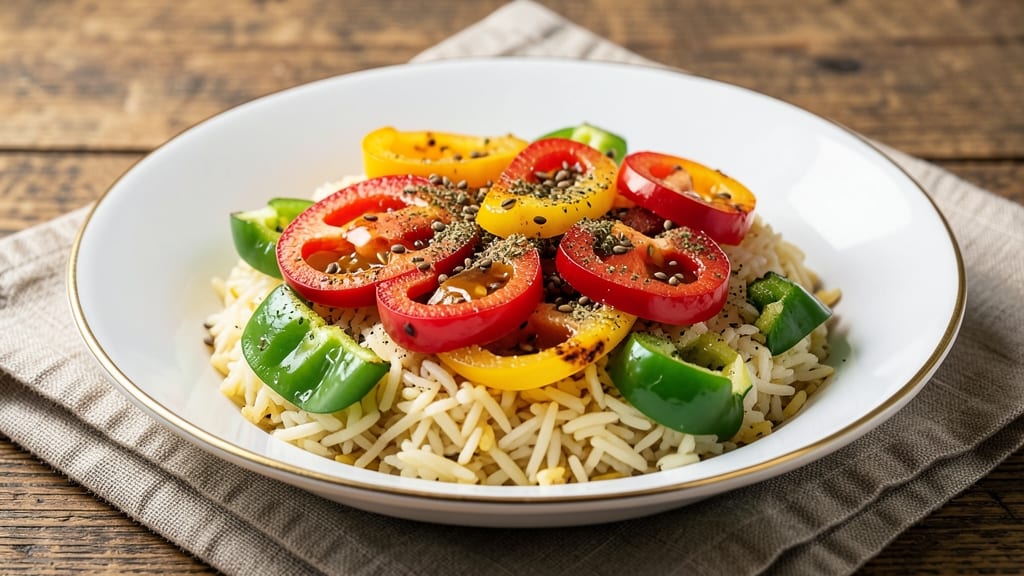
This smoky cumin capsicum rice transforms simple ingredients into a fragrant, one-pot Indian masterpiece with deep flavors and vibrant colors. The secret lies in tempering whole spices with hot oil until they release their aromatic magic—creating layers of warmth that infuse every grain of basmati rice and tender bell pepper.
What makes this dish special is its balance: the smoky cumin, sweet peppers, and subtle tang of tamarind create a harmony that’s both comforting and sophisticated. Ready in just 45 minutes, it’s perfect for weeknight dinners or special occasions when you crave restaurant-quality Indian flavors without the fuss.
The rice stays fluffy, the peppers melt into tender perfection, and the spices deliver that signature Indian aroma that fills your kitchen—and your heart.
Ingredients for capsicum rice indian
Simple ingredients that pack deep, smoky Indian flavors into every bite.
| Ingredient | Amount | Notes |
|---|---|---|
| Basmati Rice 🍚 | 1 cup | Uncooked, long-grain preferred |
| Red Bell Peppers 🍅 | 2 whole | Large, sliced into strips |
| Yellow Bell Peppers 🍅 | 1 whole | Large, sliced into strips |
| Green Bell Peppers 🍅 | 1 whole | Large, sliced into strips |
| Whole Cumin Seeds 🌿 | 1 tbsp | Toasted for deeper flavor |
| Ground Coriander 🌿 | 1 tbsp | Freshly ground preferred |
| Turmeric Powder 🌶️ | ½ tsp | Bright yellow color |
| Ginger 🧄 | 1 tbsp | Freshly grated |
| Garlic Cloves 🧄 | 4 cloves | Minced for aromatic base |
| Tamarind Paste 🍋 | 1 tbsp | Adjust for tang preference |
| Vegetable Oil 🫒 | ½ cup | High smoke point preferred |
| Salt 🧂 | 1 tsp | Diamond Crystal preferred |
| Black Pepper 🌶️ | ¼ tsp | Freshly ground for heat |
| Fresh Cilantro 🌿 | ¼ cup | Chopped for garnish |
| Lemon Juice 🍋 | 1 tbsp | Freshly squeezed |
The spices are where the magic happens. Whole cumin seeds need toasting—don't skip this step, or you'll miss that signature smoky aroma. Grab them from the bulk section at Whole Foods or any Indian grocery store for the freshest batch. Turmeric should be bright yellow, not dull—M.P. Birla or Everest brands are reliable. For ginger and garlic, buy fresh and grate them yourself. Pre-minced garlic loses flavor fast, and jarred ginger is just sad. The bell peppers? Trader Joe's carries the sweetest, most vibrant ones—look for ones that are firm and heavy for their size.
No whole cumin seeds? Ground cumin at double the amount works in a pinch, but the texture won't be the same. Fresh ginger? Ginger powder at half the amount gets you close, though it lacks that bright punch. Tamarind paste hard to find? Lemon juice plus a pinch of salt mimics the tang, though it won't have that complex depth. The bell peppers can be swapped for zucchini or eggplant if you're feeling adventurous—they absorb the spices beautifully. Just make sure they're firm and free of soft spots. And if you're out of cilantro, fresh parsley works as a garnish, though it won't have that same zesty kick.
This dish tastes even better the next day as the flavors meld. Store leftovers in an airtight container in the fridge for up to 4 days. For longer storage, portion into freezer-safe containers and freeze for up to 3 months. The rice stays fluffy if you let it cool completely before sealing. I always make extra—it reheats perfectly and makes great lunches. Pro tip: Sprinkle a little water over the top before reheating to keep it from drying out.
Why You'll Love This Recipe
- One-Pot Wonder: I swear by this recipe when I’m too tired to scrub pots—just sauté the cumin seeds in oil, toss in the chopped bell peppers (no fancy dice needed, chunks work fine), and let the rice simmer in the same pan. The peppers soften into sweet, caramelized bits while the rice absorbs all that smoky cumin flavor.
- Sweet-Savory Magic: Between us, the combo of red, yellow, and green peppers is chef’s kiss—each adds a different texture and depth, but they all blend into this bright, slightly tangy dish. The cumin seeds? They crackle like tiny fireworks, giving it that warm, earthy kick that makes it taste like a hug.
- Lunchbox Hero: This is my go-to for meal prep because it reheats like a dream and keeps for days without drying out. Pack it in containers with a sprinkle of chaat masala, and suddenly you’ve got a lunch that feels like a restaurant takeout. (Yes, even on a Tuesday night.)
- Pocketbook Friendly: Basmati rice and bell peppers are budget staples, but they still feel special—no fancy ingredients needed. A single batch stretches into leftovers that taste just as good cold the next day, and you’ll use up those peppers before they turn sad in your crisper drawer. Win-win.
Step-by-step instructions for smoky cumin capsicum rice
This one-pot wonder delivers vibrant peppers and aromatic spices in perfect harmony.
Toast the Spices for Maximum Flavor
Heat the vegetable oil in a heavy-bottomed pot over medium heat. Add the whole cumin seeds and toast for 30-45 seconds until they release their signature aroma and begin to sizzle. You'll know they're ready when the kitchen fills with that warm, earthy cumin scent.
Immediately add the minced garlic cloves and freshly grated ginger. Sauté for 1-2 minutes until the garlic turns golden and the ginger loses its raw bite. This step builds the aromatic foundation that will infuse every grain of rice. If the garlic starts to brown too quickly, reduce the heat slightly to prevent burning.
Cook the Peppers Until Tender-Crisp
Add the sliced red, yellow, and green bell peppers to the pot, stirring to combine with the spices. Cook for 8-10 minutes over medium heat, stirring occasionally, until the peppers soften but still retain a slight crunch. You want them tender enough to eat but not mushy - they should yield slightly when pierced with a fork.
During this time, sprinkle in the ground coriander, turmeric powder, and salt. Stir well to distribute the spices evenly throughout the peppers. The turmeric will begin to develop its characteristic bright yellow color, signaling it's properly incorporated. This is where the dish gets its vibrant color and subtle earthy depth.
Add Rice and Tamarind for Tangy Balance
Rinse the basmati rice under cold water until the water runs clear, then add it to the pot with the peppers. Stir everything together for 1 minute to coat each grain with the spiced oil and peppers. This ensures even cooking and maximum flavor absorption.
Add the tamarind paste and lemon juice, stirring vigorously to combine. The tamarind will give the dish its signature tangy depth, while the lemon juice brightens all the flavors. You'll notice the mixture become slightly sticky as the rice begins to absorb the liquid. If the mixture seems too dry at this stage, you can add up to ½ cup water now, but we'll add more later.
Simmer to Perfect Texture
Pour in 1½ cups water (enough to cover the rice by about ½ inch) and bring to a gentle boil. Once boiling, reduce heat to low, cover the pot with a tight-fitting lid, and simmer for 15 minutes. During this time, the rice will absorb the liquid and the peppers will continue to soften slightly.
After 15 minutes, remove the lid and check the rice. If it's still slightly underdone (there might be a bit of liquid remaining), cover and cook for another 5 minutes. The rice should be tender but still have a slight bite - al dente. If it's too dry, you can add 2-3 tablespoons water now and cook covered for another 2-3 minutes.
Finish with Fresh Herbs and Rest
Once the rice is perfectly cooked, stir in the black pepper and chopped fresh cilantro. The cilantro adds a bright, fresh contrast to the smoky, spiced peppers. Let the dish sit covered for 5 minutes before serving - this resting period allows the flavors to meld together and the rice to reach its ideal texture.
Serve immediately while still hot. The rice should be perfectly cooked with tender peppers that have just the right amount of bite. Each bite should deliver a harmonious blend of smoky cumin, sweet peppers, and the bright tang of tamarind and lemon. The dish pairs beautifully with yogurt or a simple raita for dipping.
Pro Tips For Making Capsicum Rice Indian
- CHAR THE PEPPERS FIRST: I learned this the hard way—sautéing whole capsicums in oil until they blister and soften before cutting them makes all the difference. The edges caramelize and release flavor into the rice, while the texture stays just crisp enough. (Yes, even if you're impatient like me, resist the urge to skip this.)
- USE DRY RICE: Soak your basmati for 20 minutes max, then drain and spread it on a tray to dry the surface completely. This guarantees separate grains instead of clumpy mush—no matter how much you stir during cooking. (Your future self will thank you when serving.)
- SALT THE WATER LATE: Wait until the rice has absorbed half the water before adding salt. Early salting makes the rice absorb too much liquid and turn mushy, while late salting lets the grains firm up first. (This isn’t the prettiest method, but it’s the tastiest.)
- TOAST THE CUMIN LOW: After adding whole cumin seeds, drop the heat to medium-low and let them sizzle for 30 seconds—just until they’re fragrant, not burned. Over-toasting turns them bitter, while under-toasting leaves them raw. (Sounds weird, but it works: the aroma is the soul of this dish.)
Dietary considerations for this capsicum rice indian
Vegetarian-Friendly
This dish is naturally vegetarian, relying on plant-based ingredients like bell peppers, spices, and aromatic rice. The tamarind and lemon juice provide tangy depth without any animal products, making it perfect for veggie diets.
I always double-check my pantry staples to ensure no accidental cross-contamination with non-vegetarian items—especially when using shared utensils or cutting boards. 🌱
Gluten-Free
Since this recipe uses only rice, fresh vegetables, and spices, it's inherently gluten-free. Always verify your spice blends for hidden wheat additives—some pre-mixed curry powders contain gluten. I prefer using individual spices like M.P.
Birla or Everest brands, which are certified gluten-free. The tamarind paste and lemon juice also contain no gluten, making this dish safe for those with celiac disease or gluten sensitivities.
Low-Fat Option
For a lighter version, reduce the vegetable oil to ¼ cup instead of ½ cup while ensuring the peppers still cook evenly. The spices will still release their aromas with less oil, though the dish might be slightly less rich.
I've found that using a non-stick pot helps reduce oil needs while maintaining flavor. The bell peppers and rice provide natural moisture, so you won't sacrifice texture or taste. 💡
Protein Boost
Add ½ cup cooked chickpeas or 1 cup scrambled tofu to increase protein content without altering the dish's core flavors. Chickpeas blend seamlessly into the rice, while tofu absorbs the spices beautifully.
For extra protein, sprinkle 2 tablespoons nutritional yeast on top before serving—it adds a cheesy, umami note. This modification works especially well for post-workout meals or high-protein vegetarian diets.
Spice Adjustments
For those sensitive to heat, reduce the black pepper to ¼ teaspoon or omit it entirely. If you prefer more spice, add ½ teaspoon cayenne pepper or 1 teaspoon red chili powder> with the other spices.
I keep a small jar of Penzeys Spice Company cayenne on hand for precise adjustments. The tamarind and lemon juice naturally balance any added heat, keeping the dish harmonious. 🌶️
Nutrition facts
Frequently asked questions
Can I substitute bell peppers with other vegetables?
Swap bell peppers for zucchini, eggplant, or even cauliflower for a different texture. Zucchini cooks faster (5-6 minutes instead of 8-10), while eggplant needs 10-12 minutes to soften properly. Just slice them similarly and adjust cooking time accordingly.
Why does my rice turn out mushy?
Overcooking or using the wrong rice ratio causes mushiness. Always use 1½ cups water for 1 cup uncooked basmati rice and cook on low heat after boiling. If your rice is still firm at 15 minutes, add 2-3 tbsp water and cook 2 more minutes—never stir while cooking!
What's the best way to store leftovers?
Store in an airtight container in the fridge for up to 4 days. For freezing, portion into containers and freeze for 3 months. Reheat covered on low heat with 1 tbsp water to prevent drying. The flavors actually improve overnight as spices meld!
Can I make this dish without tamarind?
Yes! Replace tamarind with 1 tbsp lemon juice + ½ tsp salt for tang. For deeper flavor, try ½ tsp white vinegar. The dish will still taste great, though tamarind adds that unique Indian complexity.
How do I adjust the spice level?
For milder heat, reduce black pepper to ¼ tsp or omit. For extra spice, add ½ tsp cayenne or 1 tsp red chili powder when cooking peppers. The tamarind and lemon balance heat perfectly—don't worry about overpowering the dish!