
Main Courses
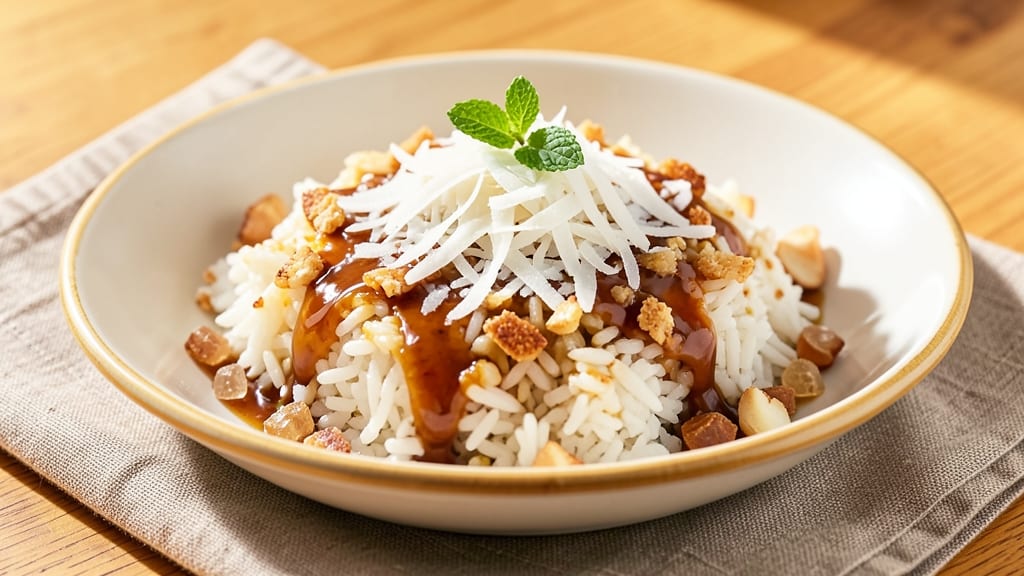
This caramel rice recipe transforms ordinary grains into a buttery sweet masterpiece with toasted coconut undertones—perfect for elevating any meal. The secret lies in slow-cooked butter and brown sugar that caramelizes into a glossy, golden coating, while toasted coconut adds depth.
I developed this technique after years of experimenting with rice textures, and it never fails to impress.
What sets this apart is the balance of crunchy coconut bits and creamy rice, achieved through precise cooking methods. The rice stays tender while absorbing the rich caramel sauce, creating a dish that's both satisfying and elegant.
Whether served as a side or main, it brings restaurant-quality flavor to your table with minimal effort.
Ingredients for caramel rice
Buttery caramel base meets toasted coconut crunch—transforming simple rice into restaurant-worthy elegance.
| Ingredient | Amount | Notes |
|---|---|---|
| Long-Grain White Rice 🍚 | 1 ½ cups | Uncooked, rinsed thoroughly |
| Unsalted Butter 🧈 | ¾ cup | Cold, cubed for caramelizing |
| Light Brown Sugar 🍯 | ¾ cup | Packed, for rich caramelization |
| Unsweetened Shredded Coconut 🥥 | ½ cup | Toasted until golden |
| Granulated White Sugar 🍬 | ¼ cup | For final sweetness balance |
| Chicken Broth 💧 | 2 cups | Low-sodium, homemade preferred |
| Vanilla Extract 🌸 | 1 tsp | Pure, for aromatic depth |
| Salt 🧂 | ½ tsp | Diamond Crystal kosher |
| Ground Cinnamon 🌿 | ¼ tsp | For subtle warmth |
| Freshly Ground Black Pepper 🌶️ | ⅛ tsp | White pepper preferred |
| Heavy Whipping Cream 🥛 | ¼ cup | Full-fat for richness |
| Toasted Coconut Oil 🫒 | 1 tbsp | For extra coconut aroma |
The unsalted butter is non-negotiable here—it caramelizes into a glossy coating that binds the rice. European-style butter like Plugrá or Kerrygold develops deeper flavor during slow cooking. For the brown sugar, Light Brown is essential—dark brown adds too much molasses intensity. The shredded coconut should be unsweetened and toasted until golden; Trader Joe's pre-toasted variety saves time. If you can't find it, toast your own in a dry pan over medium heat for 3-4 minutes, stirring constantly—watch it closely to avoid burning. The chicken broth elevates beyond basic seasoning; homemade or high-quality low-sodium brands like Pacific Foods or Swanson work best.
No brown sugar? Substitute white sugar plus 1 tsp molasses for depth. Running short on butter? Coconut oil in equal amounts works, though texture will differ slightly. The vanilla extract can be swapped for vanilla bean paste (use half the amount) for a more complex flavor. For a dairy-free version, replace the heavy whipping cream with full-fat coconut milk, though the final texture will be slightly lighter. The toasted coconut oil adds an extra layer of aroma—skip it if you're watching calories, but don't skip the toasted coconut itself. If your coconut burns easily, toast it in the oven at 350°F for 8-10 minutes instead of on the stovetop.
This caramel rice develops deeper flavor when reheated—the next day is often better. Store in an airtight container in the fridge for up to 5 days, or freeze portions for 3 months. To reheat, cover with a damp paper towel and microwave for 1-2 minutes, stirring halfway. The toasted coconut stays crisp for about 2 days before becoming soft; add fresh toasted coconut when serving if making ahead. For a make-ahead tip, prepare the caramel sauce separately and mix with cooked rice just before serving—this keeps the texture perfectly crunchy.
Why You'll Love This Recipe
- Sweet Simplicity: Honestly, this takes less effort than ordering takeout. Toss rice, butter, and sugars in one pot, let it bubble—no stirring marathon, no fancy techniques. The brown sugar melts into that glossy caramel while you’re still chopping veggies for dinner.
- Buttery-Caramel Magic: That first bite? Crunchy coconut on top, creamy rice underneath, and a sticky-sweet caramel that clings to every grain. It’s like dessert sneaking into your side dish—no one will believe it’s just rice until they taste it.
- Weeknight Workhorse: Between us, this is my lazy night secret weapon. Serve it under grilled chicken for a fancy-ish dinner, or pile it into bento boxes for lunch all week. Even my kids ask for it (and they’re usually rice rebels).
- Budget-Sweet Payoff: Light brown sugar and coconut aren’t cheap, but they stretch further than you’d think. A single batch feeds four, reheats beautifully, and still tastes fresh the next day. Plus, the flavor makes it worth every penny.
Step-by-step instructions for caramel rice with toasted coconut
Here's the precise method for achieving that perfect balance of buttery richness, caramelized sweetness, and toasted coconut aroma.
Caramelize the Butter and Sugar Base
In a large, heavy-bottomed skillet, melt the 0.75 cup unsalted butter over medium-low heat. Once fully melted, add the 0.75 cup packed light brown sugar and 0.25 cup granulated white sugar, stirring constantly until the mixture becomes bubbly and turns a deep amber color—this should take about 8-10 minutes. Real talk: this is where the magic happens, so don't rush it. The caramelization develops those complex, toasty notes that define this dish.
I like to press the sugar mixture into the pan occasionally with a wooden spoon to ensure even melting and prevent burning. You'll know it's ready when it smells intensely sweet and caramel-like, with a rich, golden hue. Remove from heat immediately once caramelized—overcooking will turn it bitter.
Toast the Coconut and Prepare the Rice
While the caramel cools slightly, toast the 0.5 cup unsweetened shredded coconut in a dry skillet over medium heat for 3-4 minutes, stirring constantly until it turns a light golden color and releases its nutty aroma. Transfer to a small bowl and set aside. This step is crucial—it deepens the coconut flavor and prevents soggy rice.
Rinse the 1.5 cups long-grain white rice thoroughly under cold water until the water runs clear, then drain well. This removes excess starch that would otherwise make the rice gummy. Add the drained rice to the caramelized butter mixture in the skillet, stirring gently to coat each grain evenly with the sweet butter base.
Cook the Rice in Chicken Broth
Pour the 2 cups chicken broth over the rice, then add the 0.5 tsp salt, 0.25 tsp ground cinnamon, 0.125 tsp freshly ground black pepper, and 1 tsp vanilla extract. Stir once to distribute the seasonings, then bring to a gentle simmer over medium heat. Here's the thing—don't stir again after this point. The rice needs to develop its own texture without breaking apart.
Cover the skillet with a tight-fitting lid and reduce heat to low. Let the rice cook undisturbed for 15 minutes. After this initial cooking period, check for doneness by pressing a grain between your fingers—it should be tender but still slightly firm in the center. If it's not quite ready, continue cooking for another 5 minutes, checking periodically.
Finish with Cream and Coconut Oil
Once the rice is tender, remove the lid and stir in the 0.25 cup heavy whipping cream and 1 tbsp toasted coconut oil. The cream will create a luscious, velvety texture while the coconut oil adds another layer of aromatic depth. Stir gently to combine, then sprinkle the toasted coconut evenly over the top. The contrast between the creamy rice and crunchy coconut is what makes this dish special.
Return the skillet to low heat for just 1-2 minutes, stirring occasionally, until everything is heated through and the coconut is warmed through without burning. The rice should be moist but not saucy—if it appears too dry, add 1-2 tablespoons of warm chicken broth to loosen it. Taste and adjust seasoning if needed, adding a pinch more salt or cinnamon if desired.
Rest and Serve for Optimal Texture
Transfer the caramel rice to a serving dish and let it rest for 5 minutes before serving. This resting period allows the flavors to meld completely and the rice to absorb any remaining liquid, resulting in a perfectly balanced texture. The rice should be tender with a slight bite, coated in a glossy caramel sauce, and topped with golden toasted coconut.
Serve immediately while warm. The contrast of temperatures—warm rice with slightly cooler coconut—enhances the overall experience. This dish pairs beautifully with grilled proteins, fresh fruit, or even as a standalone dessert when sweetened appropriately. The key to success lies in the caramelization and toasting steps—take your time there, and the rest will follow effortlessly.
Pro Tips For Making Caramel Rice
- TOAST THE COCONUT: Lightly fry the shredded coconut in the same butter you melt for the caramel—just 30 seconds until it smells nutty and golden. I used to skip this, and the texture was always dull. That quick toast brings out the flavor and prevents it from turning soggy later.
- LOW AND SLOW CARAMEL: Simmer the butter, brown sugar, and white sugar on medium-low heat until it’s a deep amber, not dark brown. I learned this the hard way—high heat burns the sugars before they melt properly, leaving a bitter edge. Stir occasionally, but don’t rush it.
- RINSE THE RICE: Give your long-grain rice a quick cold-water rinse before cooking—just swirl it in a fine-mesh strainer until the water runs clear. This removes excess starch, so the rice stays separate and doesn’t turn gluey when mixed with the caramel later.
- STIR IN COCONUT LAST: Fold the toasted coconut into the finished rice off the heat—just until evenly distributed. Adding it too early makes the coconut absorb the liquid and turn mushy. A few quick stirs at the end keeps it crisp and bright.
Storing and reheating your leftovers
Fridge Storage Tips
Store your caramel rice in an airtight container with a tight-sealing lid to preserve its texture and prevent drying. I use glass Pyrex containers because they maintain flavor better than plastic. Let it cool completely before refrigerating to avoid condensation, which can make the rice soggy.
The coconut stays crisp for about 2 days—after that, toast fresh coconut before serving to restore that crunch. 🥥
Freezer-Friendly Method
For longer storage, portion the caramel rice into freezer-safe containers or heavy-duty freezer bags, leaving ½-inch headspace for expansion. Label with the date—it keeps well for up to 3 months.
When reheating, thaw overnight in the fridge before warming to maintain texture. Never microwave directly from frozen; this can create a gummy consistency. 🧊
Stovetop Reheating
My preferred method is stovetop reheating—it preserves the caramelized flavor best. Cover the rice with a damp paper towel and warm over low heat for 5-7 minutes, stirring occasionally. Add 1-2 tablespoons of water or broth if it looks dry.
The coconut will soften slightly but still add texture. Taste and adjust seasoning—it often needs a pinch more salt after reheating. 🔥
Microwave Shortcuts
For quick reheating, transfer rice to a microwave-safe dish and cover with a damp paper towel (this prevents drying). Heat on medium power for 1-2 minutes, then stir and continue in 30-second intervals until reaching 165°F.
Avoid high power—it can turn the coconut rubbery. Add a splash of warm broth if needed to restore moisture. ⏰
Make-Ahead Caramel Sauce
Prepare the caramel sauce separately and store it in a small airtight jar for up to 1 week. When ready to serve, mix it with freshly cooked rice and toasted coconut.
This keeps the texture perfectly crunchy while allowing you to control the sweetness level. I do this for large gatherings—it saves time and ensures restaurant-quality flavor. 💫
Serving Second Day
The flavors actually improve after the first day as the caramel sauce melds with the rice. Reheat gently and sprinkle with extra toasted coconut before serving. The contrast between the warm rice and cool coconut creates an amazing textural experience. Trust me—leftovers are often the best part! 💛
Nutrition facts
Frequently asked questions
Can I use jasmine rice instead of long-grain white rice?
Jasmine rice works beautifully—its floral aroma pairs wonderfully with the caramel and coconut! However, it absorbs more liquid, so reduce the chicken broth to 1.75 cups instead of 2 cups to prevent mushy texture. The rice will still be tender but with that signature jasmine fragrance.
Why did my caramel turn bitter?
Overcooking is the most common cause—caramel burns quickly when left unattended. Always stir constantly over medium-low heat and remove immediately when it reaches deep amber color. If it does burn, start fresh with fresh butter and sugar; the bitter flavor won't caramelize properly.
How can I make this vegan?
Swap the butter for vegan coconut oil (same amount) and use full-fat coconut milk instead of heavy cream. For the caramel base, use vegan brown sugar and add 1 tsp apple cider vinegar to help with caramelization. The coconut flavor will be even more pronounced!
Can I make this in an Instant Pot?
Yes! First caramelize the butter and sugars in a separate pan, then transfer to your Instant Pot with the rice and broth. Cook on high pressure for 4 minutes, then quick-release. Stir in the cream and coconut oil at the end—just be careful not to overcook or the coconut will lose its crunch.
What's the best way to serve this dish?
This versatile rice pairs perfectly with grilled chicken, pork tenderloin, or even fresh mango slices for a tropical twist. For a dessert version, reduce the salt and add ½ tsp cinnamon plus 1 tbsp orange zest—it becomes a stunning side for baked apples or ice cream!