
Side Dishes
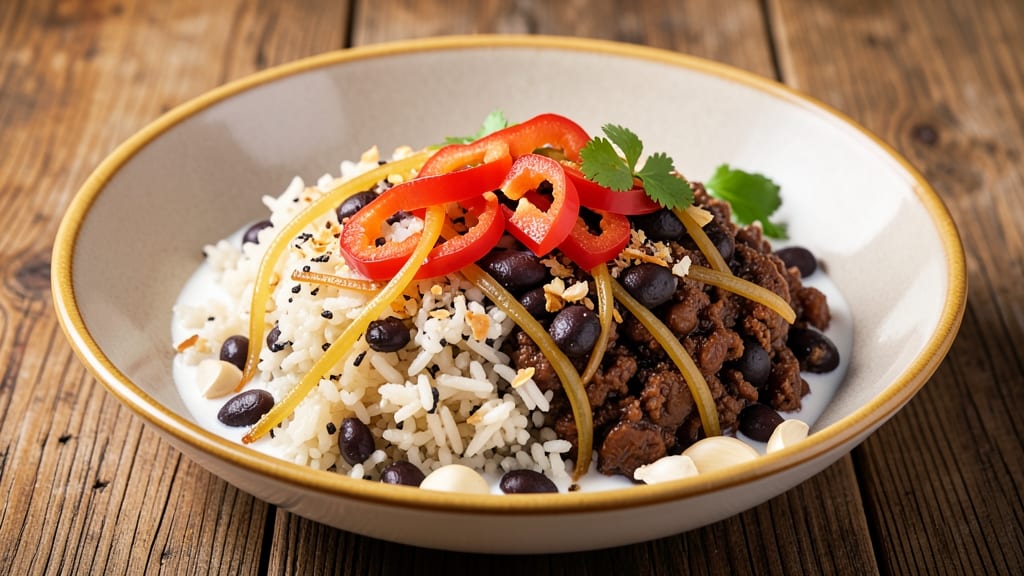
This Caribbean coconut rice and beans recipe brings the vibrant flavors of island kitchens to your table with its creamy coconut-infused texture and aromatic spices. The slow-simmered technique transforms simple ingredients into a dish that's both comforting and deeply satisfying, perfect for any meal.
What sets this recipe apart is the balance of tender beans, fluffy rice, and rich coconut milk that creates a harmonious blend of flavors.
The foundation of this dish lies in properly soaking the beans to ensure they cook evenly and remain tender. As the coconut milk and spices meld together, they create a fragrant base that infuses the rice with a subtle sweetness and a hint of tropical warmth.
The addition of fresh herbs and bell peppers adds a bright contrast, ensuring each bite is full of layered flavors.
By the time you're done, you'll have a creamy, fragrant dish that's as visually appealing as it is delicious. The rice will be perfectly fluffy, the beans tender, and the coconut milk will have reduced into a velvety sauce that coats every grain.
This recipe is not only a celebration of Caribbean cuisine but also a testament to how simple ingredients can come together to create something extraordinary.
Whether you're serving it alongside grilled fish, roasted meats, or as a standalone vegetarian meal, this coconut rice and beans will undoubtedly become a staple in your recipe collection. The slow-simmered approach ensures deep, developed flavors that are impossible to achieve with quicker cooking methods.
Ingredients for caribbean coconut rice and beans
Simple yet transformative ingredients create this creamy, aromatic Caribbean-inspired dish perfect for any meal.
| Ingredient | Amount | Notes |
|---|---|---|
| Long-Grain White Rice 🍚 | 1 ½ cups | Uncooked, rinsed thoroughly |
| Dried Black Beans 🌱 | 1 ½ cups | Soaked overnight or quick-soaked |
| Full-Fat Coconut Milk 🥥 | 13 ½ oz | High-quality canned, no additives |
| Red Bell Pepper 🍅 | 1 whole | Diced, seeds removed |
| Yellow Onion 🧅 | 1 whole | Finely chopped |
| Garlic Cloves 🧄 | 4 cloves | Minced, fresh preferred |
| Fresh Cilantro 🌿 | ¼ cup | Chopped, stems removed |
| Fresh Thyme Leaves 🌿 | ½ tsp | Or 1/4 tsp dried thyme |
| Ground Cumin 🌿 | 1 tsp | Toasted for depth |
| Ground Allspice 🌶️ | ½ tsp | Key for Caribbean flavor |
| Salt 🧂 | 1 ½ tsp | Kosher or sea salt |
| Black Peppercorns 🌶️ | ½ tsp | Freshly ground |
| Vegetable Oil 🫒 | 2 tbsp | For sautéing |
| Lemon Juice 🍋 | 2 tbsp | Freshly squeezed |
The coconut milk is non-negotiable—look for full-fat canned brands like Thai Kitchen or Goya for the richest texture. Trader Joe's carries an excellent organic option if you prefer locally sourced. Fresh thyme and allspice are the secret weapons here—Penzeys Spices or bulk bins at natural markets have the freshest ground spices. For the beans, quick-soaking (boil 2 minutes, then rest 1 hour) works in a pinch, but overnight soaking is ideal for that signature tenderness. The bell pepper adds both color and a subtle sweetness that balances the dish's depth.
Short on coconut milk? Light coconut milk plus extra oil mimics the creaminess, though texture will differ slightly. No fresh thyme? Dried thyme at one-third the amount works, but you'll miss that bright herbal note. The allspice is essential—no substitute captures its warm, slightly sweet complexity. Bell pepper can be swapped for red onion or jalapeño if you prefer heat. For extra richness, stir in 1 tbsp vegan butter at the end. The rice benefits from a 15-minute rest after cooking—don't skip this step for fluffier grains.
Store leftovers in an airtight container for 4-5 days, though it reheats best when warmed gently with a splash of water. Freezes beautifully for up to 3 months—portion into single servings before freezing. The beans and rice separate when reheated, so stir vigorously or microwave in stages. For meal prep, double the batch and freeze half immediately. The coconut milk solidifies when chilled—shake the can well before opening to redistribute the cream.
Why You'll Love This Recipe
- One-Pot Magic: I swear by this recipe because it’s all in one pot—rice, beans, and all that creamy coconut goodness simmering together. No fussing with separate pans or timers; just dump, stir, and let it work its flavor.
- Coconut Cream Dream: That full-fat coconut milk? It turns this dish into something luxurious without trying. The rice soaks up the richness while the beans stay tender, and honestly, the aroma alone makes my kitchen feel like a little Caribbean escape.
- Lunchbox Hero: Between us, this is my go-to for meal prep. The flavors only get better the next day, and it reheats like a dream—pack it in containers for work or school, and you’ve got a satisfying, protein-packed meal that won’t leave you bored.
- Budget-Friendly Luxury: Dried black beans and long-grain rice stretch forever, and coconut milk adds that special touch without breaking the bank. I’ll be real: it’s the kind of dish where I stretch the leftovers into a second dinner or even breakfast burritos—no waste, all win.
Step-by-step instructions for Caribbean coconut rice and beans
Master this Caribbean classic with rich coconut milk and aromatic spices for a dish that's both comforting and vibrant.
🍳 Step 1: Sauté Aromatics Until Fragrant
Heat the 2 tablespoons vegetable oil in a large pot over medium heat. Add the finely chopped yellow onion and cook for 5 minutes until translucent, stirring occasionally. The onions should soften and begin to caramelize slightly at the edges.
Add the minced garlic cloves and cook for 30 seconds until you can smell their nutty aroma. Immediately stir in the diced red bell pepper and cook for another 4 minutes until the peppers soften. This foundational step builds the flavor base—don't rush it. The vegetables should release their natural juices and create a fragrant, colorful mixture that coats the bottom of your pot.
👨🍳 Step 2: Toast Spices for Depth of Flavor
Reduce heat to medium-low and add the 1 teaspoon ground cumin and 0.5 teaspoon ground allspice. Stir constantly for 1 minute until the spices release their aromatic oils and the mixture smells earthy and warm. This toasting step is crucial—it prevents raw spice flavors that can overpower the dish.
Add the 0.5 teaspoon fresh thyme leaves (or 0.25 teaspoon dried thyme) and cook for another 30 seconds, stirring gently. The thyme will release its piney aroma, adding another layer of complexity. Keep the heat low to prevent burning the spices, which would create bitter notes. You're building a flavor foundation that will infuse every bite of your rice and beans.
🥘 Step 3: Cook Beans Until Tender
Add the 1.5 cups dried black beans (previously soaked overnight or quick-soaked) to the pot. Pour in 4 cups water (enough to cover the beans by about 1 inch) and bring to a boil over high heat. Once boiling, reduce heat to medium-low, cover partially, and simmer for 45 minutes until the beans are tender but still hold their shape.
I check for doneness by pressing a bean between my fingers—it should be soft but not mushy. If the beans aren't tender enough after 45 minutes, add another ½ cup water and continue cooking. The beans should absorb most of the liquid but remain moist. This step ensures your beans will be perfectly tender without falling apart, which is essential for the perfect texture in your final dish.
🥘 Step 4: Add Rice and Coconut Milk
Stir in the 1.5 cups long-grain white rice, spreading it evenly through the beans. Pour in the 13.5 oz full-fat coconut milk and add 1.5 teaspoons salt and 0.5 teaspoon freshly ground black peppercorns. The mixture should look creamy and inviting—this is where the magic happens.
Bring the entire mixture to a gentle boil over medium heat, then reduce heat to low, cover tightly with a lid, and simmer for 20 minutes. The rice should absorb the coconut milk and bean juices without drying out. After 20 minutes, fluff the rice gently with a fork, checking for doneness. The rice should be tender but still have a slight bite in the center—it will continue cooking with the residual heat.
⏰ Step 5: Finish with Fresh Herbs and Acid
Remove the pot from heat and let it sit covered for 5 minutes. Then stir in the 2 tablespoons freshly squeezed lemon juice and 0.25 cup chopped fresh cilantro. The lemon juice brightens the rich coconut flavors while the cilantro adds a fresh, herbaceous note that cuts through the creaminess.
Let the dish rest for another 5 minutes before serving. This resting period allows the flavors to meld completely. The final texture should be creamy from the coconut milk, with tender rice and beans perfectly integrated. The dish should have a harmonious balance of sweet, savory, and slightly tangy flavors that define Caribbean cuisine.
Pro Tips For Making Caribbean Coconut Rice And Beans
- SOAK BEANS OVERNIGHT: Dried black beans expand more evenly and cook faster when soaked 8–12 hours. I used to skip this and end up with uneven texture—now I just toss them in water with a pinch of baking soda (yes, it works) and wake up to ready-to-cook beans.
- SWEAT ONIONS LOW AND SLOW: Caramelizing onions for this dish isn’t about browning—it’s about melting them into a translucent paste. Cook them on medium-low heat for 10–12 minutes, stirring often, or they’ll turn bitter. (I learned this after one very sad batch where I rushed it.)
- DON’T BOIL THE RICE: After draining the beans, simmer the rice in coconut milk on low heat—just enough to keep it bubbling gently. High heat turns the rice mushy, and you’ll end up with a porridge, not a fluffy, separate-grain texture. Trust me, the rice will cook through even if it seems underdone at first.
- TOAST THE COCONUT MILK: Open the can of coconut milk, scoop out the thick cream, and fry it in a dry pan for 2–3 minutes until it darkens slightly. Stir it back into the rice at the end—this adds a nutty depth that cuts through the richness. (Sounds weird, but it works: I was skeptical until I tried it.)
Common mistakes when making great caribbean coconut rice and beans
Skipping Bean Soak
Never skip soaking your beans—even the quick-soak method. Unsoaked beans release excess starch that makes your rice and beans gummy. I’ve ruined dishes by forgetting this step, and the texture becomes a mushy mess.
Soak overnight for best results, or quick-soak by boiling beans for 2 minutes, then resting them for 1 hour. 🌱
Undercooking Rice
Rushing the rice cooking time leads to hard, undercooked grains that ruin the dish’s creamy texture. The 20-minute simmer is non-negotiable—it ensures the rice absorbs the coconut milk and bean juices perfectly.
If your rice feels firm after 20 minutes, add ¼ cup water and cook another 5 minutes covered. Never lift the lid during cooking, or steam escapes and dries out the rice.
Overcrowding the Pot
Using a pot that’s too small causes the beans and rice to steam instead of simmer gently. Your pot should have at least 2 inches of headspace above the ingredients.
I’ve seen home cooks use oversized pots, but the key is a large, deep pot—like a Dutch oven—that allows even heat distribution. If your pot is too shallow, the liquid evaporates too quickly, leaving your dish dry.
Ignoring Spice Toasting
Adding spices directly to cold ingredients dulls their flavor. Always toast cumin and allspice in the oil for 1 minute—this releases their aromatic oils. Skipping this step makes your dish taste flat.
Keep heat medium-low to prevent burning, which creates bitter flavors. The spices should smell warm and earthy before adding beans. 🌶️
Using Low-Quality Coconut Milk
Light coconut milk or brands with additives won’t give you that luscious, creamy texture. Invest in full-fat canned coconut milk—brands like Thai Kitchen or Goya are my go-tos. Shake the can well before opening to redistribute the cream.
If you use light coconut milk, stir in 1 tablespoon neutral oil—like vegetable or avocado oil—to mimic richness. The difference is night and day!
Forgetting the Resting Time
Rushing to serve immediately disrupts the flavor development. Let the dish rest 10 minutes—covered—after cooking. This allows the rice to finish absorbing liquid and the flavors to meld. I’ve served it too soon, and the rice was undercooked or the coconut milk separated.
Patience here makes all the difference—trust me, your taste buds will thank you. ✨
Nutrition facts
Frequently asked questions
Can I use canned beans instead of dried?
Yes, but you'll need to adjust the cooking time and liquid. Use 2 (15-oz) cans of black beans (drained and rinsed) instead of dried, and reduce the water by 1 cup since canned beans are pre-cooked. Simmer for 15 minutes after adding rice to ensure everything absorbs the coconut milk properly. The texture will be slightly softer than dried beans.
How can I make this dish spicier?
Add ½ teaspoon Scotch bonnet or habanero powder when toasting the spices, or stir in 1 chopped fresh jalapeño with the bell pepper. For heat control, remove seeds from the pepper. If using fresh chili, add it with the lemon juice at the end to preserve its heat. Start with ¼ teaspoon and adjust to taste.
What's the best way to reheat leftovers?
Reheat gently in a pot with 2 tablespoons water over low heat for 5-7 minutes, stirring occasionally. Microwave in 30-second intervals with a damp paper towel over the dish to prevent drying. The coconut milk may separate slightly—just stir vigorously. For best results, reheat only what you'll eat immediately to maintain creamy texture.
Can I make this in an Instant Pot?
Sauté onions, garlic, and peppers as directed. Add beans, 3 cups water, rice, coconut milk, and spices. Seal and cook on high pressure for 10 minutes. Quick-release, then let sit 5 minutes before adding lemon juice and cilantro. The pressure cooker reduces cooking time while maintaining creamy texture. Use the same ingredient amounts as the stovetop version.
What's the difference between this and regular Caribbean rice and beans?
This version uses coconut milk instead of tomato sauce or broth, creating a creamy, slightly sweet profile. Traditional Caribbean rice and beans often include sofrito (blended veggies) or tomato paste for tanginess, while this recipe relies on lemon juice and fresh herbs for brightness. The coconut adds a tropical richness that's more common in island variations like those from Jamaica or the Bahamas.