
Main Courses
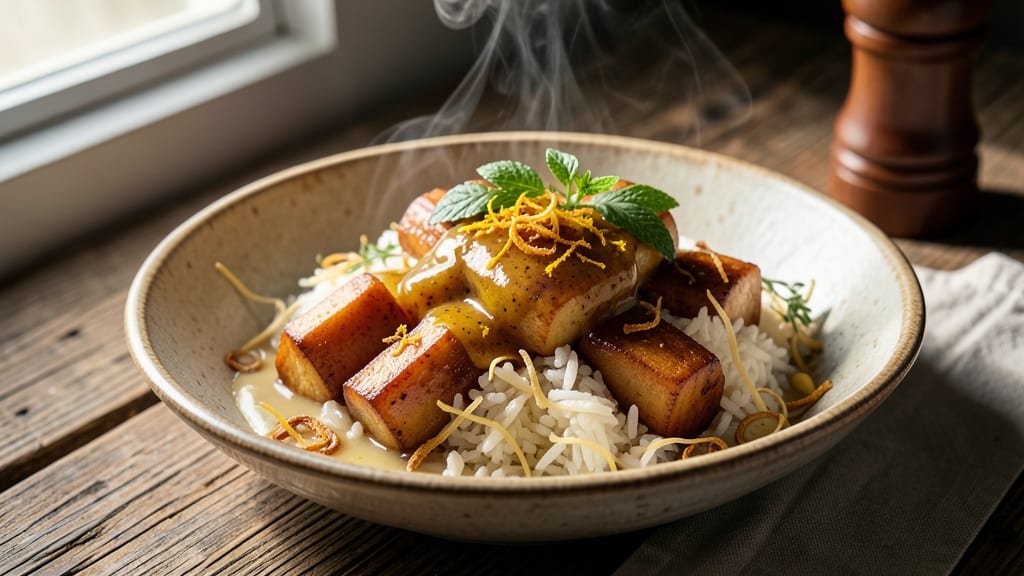
This cassava and glutinous rice recipe transforms humble ingredients into a rich, sticky delight that balances sweet and savory notes perfectly.
The secret lies in steaming cassava until tender, then folding it into warm glutinous rice with a touch of coconut milk and palm sugar—a technique inspired by Southeast Asian desserts. The result is a dish that’s both comforting and elegant, ideal for special occasions or a cozy weeknight treat.
What makes this recipe special is its versatility—it can be served as a dessert or even a light main course, depending on your toppings. Think toasted coconut flakes, crispy shallots, or a drizzle of honey for extra richness.
The texture is what truly sets it apart: creamy cassava mingling with chewy glutinous rice, creating a bite that’s impossible to resist. Ready in under an hour, it’s a foolproof way to impress without stress.
Ingredients for cassava and glutinous rice
Transform humble ingredients into a rich, sticky delight with this Southeast Asian-inspired cassava and glutinous rice masterpiece.
| Ingredient | Amount | Notes |
|---|---|---|
| Fresh Cassava 🥔 | 2 lbs | Peeled and cut into 1-inch cubes |
| Glutinous Rice 🍚 | 2 cups | Uncooked, white variety preferred |
| Coconut Milk 🥥 | 1 ½ cups | Full-fat for creaminess |
| Palm Sugar 🍯 | ½ cup | Or substitute brown sugar |
| Shallots 🧅 | 4 whole | Finely minced for aromatic base |
| Fresh Turmeric Root 🌿 | 1 inch | OR 1 tsp ground turmeric |
| Ground Cinnamon 🌶️ | 1 tsp | For warm spice depth |
| Salt 🧂 | 1 ½ tsp | Diamond Crystal preferred |
| Fresh Turmeric Root 🌿 | ½ oz | Grated equivalent to 1 tsp powder |
| Toasted Coconut Flakes 🥥 | ¼ cup | For garnish (optional) |
| Crispy Shallots 🧅 | ¼ cup | Store-bought or homemade |
| Sesame Oil 🫒 | 1 tbsp | For finishing drizzle |
| Water 💧 | 3 cups | For steaming cassava |
| Vegetable Oil 🫒 | 2 tbsp | For sautéing shallots |
The cassava is the star here—fresh, firm tubers yield the best texture. Asian markets often carry pre-peeled cassava, but if you're buying whole, look for smooth, unblemished skin. Glutinous rice should be labeled 'sticky' or 'sweet rice'—Thai Kitchen brand is widely available. Palm sugar adds that authentic caramel depth; if unavailable, light brown sugar works in a pinch. Fresh turmeric offers deeper flavor than powdered, but 1 tsp ground turmeric is a reliable substitute. Toast your coconut flakes in a dry pan until golden for maximum aroma—5 minutes on medium heat does the trick.
No palm sugar? Brown sugar or coconut sugar are excellent substitutes, though the flavor will be slightly different. For extra richness, swap half the coconut milk for cashew cream—blend soaked cashews with water until smooth. The crispy shallots can be store-bought (check the international aisle) or homemade by frying thin shallot slices in oil until deep golden. Sesame oil should be toasted, not regular—look for it in the Asian foods section or order online. If you can't find fresh turmeric, 1 tsp ground turmeric maintains the same earthy punch, just with less complexity. For a vegan twist, ensure your coconut milk is unsweetened and your palm sugar is pure—some brands contain additives.
This dish reheats beautifully—steam for 5 minutes to restore creaminess. Store leftovers in an airtight container for up to 3 days in the fridge, though the texture becomes slightly firmer upon reheating. For longer storage, freeze portions for up to 2 months. The cassava cubes can be pre-steamed and frozen ahead of time, then reheated with the rice mixture. Garnish just before serving to preserve the crispness of your toasted coconut and shallots. This recipe scales beautifully—double the ingredients for a crowd, but increase steaming time by 15 minutes.
Why You'll Love This Recipe
- No-Fuss Ingredients: The pantry staples you already own—coconut milk, palm sugar—plus fresh cassava and shallots make this feel like a cheat code. Honestly, I’ve made it with whatever rice I had on hand, and it still worked.
- Creamy-Crisp Magic: That contrast? Chef’s kiss. The cassava stays tender while the edges get a golden crisp from the coconut milk, and the palm sugar caramelizes into a sticky, fragrant glaze. It’s the kind of texture that makes you close your eyes mid-bite.
- Picnic to Potluck: Pack it in banana leaves for a tropical vibe or serve it in bowls for a casual dinner—it’s that adaptable. Between us, I’ve even reheated leftovers for breakfast (yes, really) and no one complained.
- Budget Stretch: A single cassava and a bag of glutinous rice feed four, and the rest of the ingredients cost pennies. I’ll be real: this is my go-to when I’m trying to make my grocery money last, and it never lets me down.
Step-by-step instructions for cassava and glutinous rice
This one-pan method delivers perfectly balanced sweet-savory flavors with tender cassava and sticky rice.
Prepare and Steam the Cassava
Begin by peeling the 2 lbs of fresh cassava and cutting it into uniform 1-inch cubes. Place them in a steamer basket lined with cheesecloth or a clean kitchen towel, ensuring they don't overlap. This prevents uneven steaming and maintains their shape. Bring 3 cups of water to a boil in a pot, then place the steamer basket over the water, ensuring it doesn't touch the surface. Cover and steam for 20-25 minutes until the cassava becomes fork-tender but still holds its structure. You'll know it's ready when a knife slides in easily—oversteaming will turn it mushy.
While the cassava steams, finely mince the 4 whole shallots and grate the 0.5 oz fresh turmeric root (about 1 teaspoon equivalent). Set these aside—they'll form the aromatic base for your dish. The turmeric's earthy warmth will complement the cassava's natural sweetness, while the shallots add depth without overpowering.
Sauté Aromatics and Build the Base
Heat 2 tablespoons of vegetable oil in a large, heavy-bottomed pot over medium heat. Add the minced shallots and cook for 3-4 minutes until they soften and turn translucent. This step develops their natural sweetness and removes any bitterness. Immediately add the 1-inch fresh turmeric root (peeled and grated) and the 1 teaspoon ground cinnamon, stirring constantly for 30 seconds until fragrant. The spices should meld into the shallots, creating a fragrant paste that forms the flavor foundation.
Next, add the 0.5 cup palm sugar and stir until it dissolves completely. The sugar should caramelize slightly, deepening the flavor profile. Be patient here—rushing this step can lead to grainy sugar that won't dissolve properly. Once the sugar is fully incorporated, pour in the 1.5 cups coconut milk and stir well. The mixture should thicken slightly as it comes to a gentle simmer.
Combine Cassava and Rice
Using a slotted spoon, carefully transfer the steamed cassava cubes to the pot, nestling them gently into the coconut milk mixture. Add the 2 cups glutinous rice, spreading it evenly over the cassava. Sprinkle the 1.5 teaspoons salt evenly over the top, ensuring each component gets a light coating. The salt should dissolve gradually as the mixture cooks, enhancing all flavors without overpowering.
Bring the entire mixture to a gentle simmer over low heat. The liquid should just barely bubble at the edges. Cover the pot with a tight-fitting lid and cook for 25-30 minutes, stirring gently every 5 minutes to prevent sticking. You're looking for the rice to become translucent and the cassava to absorb the coconut milk completely. The texture should be thick and sticky, with the rice clinging to the cassava in a cohesive mass.
Finish and Garnish
Once the mixture reaches the desired consistency—where the rice is fully cooked and the cassava is tender but still holds its shape—remove the pot from heat. Let it rest for 5 minutes covered, allowing any remaining liquid to be absorbed. This resting period ensures the final texture is perfectly sticky without being soggy.
To serve, transfer the cassava and rice mixture to a platter. Drizzle with 1 tablespoon sesame oil and garnish with the 0.25 cup toasted coconut flakes and 0.25 cup crispy shallots. The contrast of textures—creamy rice, tender cassava, crunchy toppings—elevates each bite. Serve immediately while warm, as the dish continues to set slightly as it cools.
Pro Tips For Making Cassava And Glutinous Rice
- Peel Cassava First: Fresh cassava is stubborn—peel it before cutting to avoid messy juice everywhere. I learned this the hard way when my cutting board turned into a slippery disaster mid-chop. A sharp knife works best, and angle the blade slightly to prevent splintering.
- Soak Rice 4+ Hours: Glutinous rice needs time—soak it for at least 4 hours (overnight is ideal). I used to rush it and ended up with chewy, undercooked grains. Cold water works, but swap it halfway if you’re short on time.
- Simmer Coconut Milk Low: Reduce coconut milk gently—boiling it too fast makes it split and turn greasy. After adding shallots and palm sugar, keep the heat at a whisper until it thickens. Patience here keeps the sauce creamy, not curdled.
- Wrap Cassava Tightly: Bundle peeled cassava in foil before boiling—tightly, like a burrito. Loose wraps mean uneven cooking and waterlogged chunks. Drop it into boiling water and simmer 30-40 minutes until fork-tender.
Common mistakes when making your cassava and glutinous rice
Oversteaming Cassava
This is the #1 mistake I see—cassava that turns to mush instead of staying tender. The cubes should steam for 20-25 minutes until fork-tender but still holding their shape. I learned this the hard way when my first batch dissolved into a gluey mess.
Use a knife test: it should slide in easily, but the cubes should resist falling apart. If you oversteam, your dish will lose its beautiful texture contrast between the creamy rice and firm cassava. 🥔
Uneven Cooking
Skipping the step of lining your steamer basket with cheesecloth or a kitchen towel causes cassava cubes to stick together and steam unevenly. I always double-check this because stuck-together cassava means some pieces cook faster than others, leading to a mix of mushy and undercooked textures.
Arrange the cubes in a single layer with space between them for even exposure to steam. This ensures all pieces finish at the same time.
Rushing the Sugar
Adding palm sugar too quickly without letting it caramelize slightly results in grainy bits that ruin the smooth texture. I've made this mistake when impatient—just stir the sugar over low heat for 1-2 minutes until it fully dissolves and develops a light golden color.
This small patience pays off with a silky-smooth sauce that coats every bite of cassava and rice. 🍯
Incorrect Heat Levels
Cooking the final mixture on high heat causes the rice to scorch before it absorbs all the liquid. I now always use low heat after combining everything, letting it simmer gently.
The goal is a barely bubbling surface—just enough to cook the rice without burning it. This low-and-slow approach ensures even cooking and that perfect sticky consistency we all crave.
Skipping the Rest
Serving the dish immediately after cooking means missing out on the crucial resting period. I used to rush this step, but now I always let it rest 5 minutes covered. This allows any remaining liquid to be absorbed by the rice and cassava, resulting in a thicker, more cohesive texture.
The flavors also meld together during this time, creating that perfect balance of sweet and savory.
Wrong Garnish Timing
Adding toasted coconut flakes and crispy shallots too early causes them to soften and lose their crunch. I now wait until the very last moment before serving to garnish—this preserves that satisfying textural contrast.
The crispy elements should stay crunchy until the first bite, providing a delightful contrast to the creamy rice and tender cassava. 🥥
Nutrition facts
Frequently asked questions
Can I substitute regular rice for glutinous rice?
No, glutinous rice is essential for this recipe—it's naturally sticky and chewy, creating the signature texture. Regular rice will turn out dry and separate. If you absolutely must substitute, try sweet rice (like Japanese mochi rice) or short-grain white rice, but the texture won't be identical. The dish relies on that perfect chewy contrast with the tender cassava.
How do I know when cassava is properly cooked?
Test with a knife—it should slide in easily but the cubes should still hold their shape. Oversteaming turns cassava mushy, while understeamed pieces will feel firm and resist a fork. Aim for 20-25 minutes of steaming time, adjusting based on your cassava's size. Fresh cassava cooks faster than pre-packaged varieties.
What are good ways to serve this dish?
This versatile recipe works as both dessert and light main course. For dessert, serve warm with toasted coconut flakes and a drizzle of honey or condensed milk. As a savory option, add grilled shrimp or chicken on top. It pairs beautifully with Thai iced tea or coconut milk-based drinks for an authentic Southeast Asian experience.
Can I make this recipe without coconut milk?
Yes, but the texture and flavor will change. Replace coconut milk with an equal amount of cashew cream (blended soaked cashews) for richness, or use half coconut milk and half almond milk for a lighter version. The dish will be less creamy but still delicious. For a dairy-free option, ensure your coconut milk substitute doesn't contain additives.
How long can I store leftovers?
Store leftovers in an airtight container in the fridge for 3-4 days. Reheat gently in the microwave or steamer—add a splash of water to restore creaminess. For longer storage, freeze for up to 2 months. The texture becomes slightly firmer when reheated, but the flavors remain excellent. Garnish with fresh toppings after reheating to maintain crunch.