
Main Courses
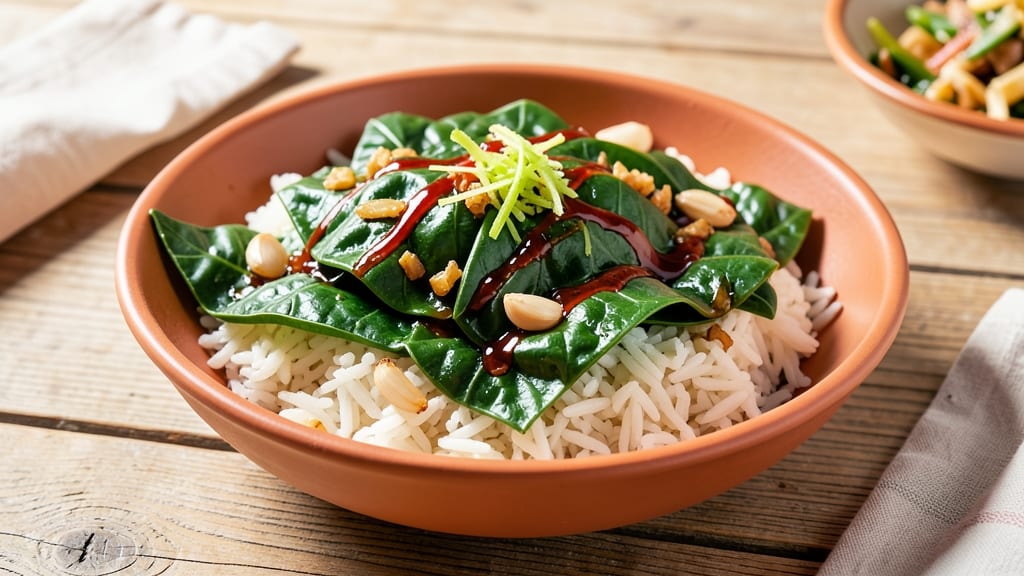
This one-pot cassava leaf and rice recipe brings the hearty, protein-rich flavors of West African cuisine to your kitchen table. 🌟 The cassava leaves—known as efo tete or efo shakara—are simmered into a rich, earthy broth that perfectly complements the fluffy rice, creating a satisfying, nutrient-packed meal.
Whether you're serving a family dinner or meal prepping for the week, this dish delivers deep, savory notes with minimal cleanup. The magic lies in the slow-cooked leaves, which release their natural umami into the rice, while spices like garlic, ginger, and peppers add warmth and complexity.
For extra protein, stir in beans or tofu—this recipe adapts effortlessly to vegetarian or vegan needs. Serve with fried plantains or stewed tomatoes for a complete West African feast, all in one flavorful pot.
Ingredients for cassava leaf and rice
These West African staples create a hearty, protein-rich one-pot meal with deep umami flavors.
| Ingredient | Amount | Notes |
|---|---|---|
| Cassava Leaves (Efo Tete or Efo Shakara) 🌿 | 2 cups | Fresh, washed and chopped |
| Long-Grain White Rice 🍚 | 1 ½ cups | Uncooked, rinsed well |
| Vegetable Oil 🫒 | ¼ cup | For sautéing |
| Onion 🧅 | 1 whole | Medium, chopped |
| Garlic Cloves 🧄 | 4 cloves | Minced |
| Fresh Ginger 🌿 | 1 inch | Peeled, grated |
| Scotch Bonnet Pepper 🌶️ | 1 whole | Seeds removed for mild heat |
| Dried Thyme 🌿 | 1 tsp | Or 1 tbsp fresh |
| Ground Black Pepper 🌶️ | ½ tsp | Freshly ground |
| Salt 🧂 | 1 ½ tsp | Adjust to taste |
| Bay Leaves 🌿 | 2 whole | For depth of flavor |
| Vegetable Broth 💧 | 2 cups | Low-sodium preferred |
| Canned Chickpeas 🥜 | 1 can | Drained and rinsed |
| Smoked Paprika 🌶️ | ½ tsp | For smoky depth |
| Lemon Juice 🍋 | 1 tbsp | Freshly squeezed |
Cassava leaves are the star—find them at African markets or well-stocked grocery stores like Whole Foods. Look for vibrant green leaves (the fresher, the better) and avoid any with brown spots. If you can't find cassava leaves, spinach or kale can substitute in a pinch, though the flavor will differ. The rice should be long-grain and uncooked—jasmine or basmati work perfectly. For extra protein, canned chickpeas or tofu are excellent additions, and they keep the dish vegetarian-friendly.
No fresh ginger? Powdered ginger at half the amount works, but fresh is ideal for that bright, zesty kick. The Scotch bonnet pepper can be swapped for jalapeño or habanero if you prefer less heat. Dried thyme is convenient, but fresh thyme sprigs (about 1 tbsp chopped) add a more vibrant flavor. The vegetable broth should be low-sodium—homemade or quality store-bought like Imagine or Pacific Foods are great choices. If you're using smoked paprika, Penzeys or McCormick brands offer consistent quality.
This dish tastes even better the next day—store leftovers in an airtight container for up to 4 days in the fridge. For longer storage, freeze portions for 3 months. The cassava leaves soften as they sit, so reheat gently with a splash of water or broth to restore moisture. Double the recipe for meal prep—it reheats beautifully and keeps well. Serve with fried plantains or a side of stewed tomatoes for a complete West African feast.
Why You'll Love This Recipe
- No-Chop Night: I swear by this when I’m too tired to dice anything—just wilt those cassava leaves whole, then shred them at the end. The rice handles the texture perfectly, so no one misses the effort.
- Garlic Bomb: That moment when you fry the garlic until it’s golden? Chef’s kiss. The aroma alone makes the whole house smell like a restaurant, and the leaves soak it up like a sponge.
- Lunchbox Hero: Between us, this is my go-to for meal prep. The rice stays fluffy for days, and the leaves hold their bite—pack it cold or reheat it, and it’s still hearty enough for my husband’s "I’m still hungry" moments.
- Pocket-Friendly Feast: A whole bunch of cassava leaves costs less than a salad kit, and they stretch over two meals. Honestly, I’ve fed four people for under $8 with this—plus, the rice portion control keeps my grocery bill in check.
Step-by-step instructions for cassava leaf and rice
This one-pot dish delivers bold West African flavors with minimal cleanup.
🍳 Step 1: Sauté the Aromatic Base
Heat the 0.25 cup vegetable oil in a heavy-bottomed pot over medium heat. Add the chopped 1 whole onion and cook for 5 minutes until softened and translucent. You'll see the edges start to caramelize slightly—that's your signal to add the minced 4 cloves garlic, grated 1 inch fresh ginger, and deseeded 1 whole Scotch bonnet pepper.
Cook these aromatics for 2-3 minutes until fragrant and the raw garlic smell disappears. Here's the thing—don't walk away. Garlic burns in seconds, and you want that nutty, sweet aroma to develop fully. Stir occasionally to prevent sticking, and watch for the mixture to turn a rich golden color.
🍳 Step 2: Build the Flavor Foundation
Add the 1 tsp dried thyme, 0.5 tsp ground black pepper, 1.5 tsp salt, and 0.5 tsp smoked paprika to the pot. Stir for 30 seconds to toast the spices and release their essential oils. This step intensifies the flavor profile of your dish.
Next, add the 2 cups cassava leaves and stir gently to wilt them. You'll notice the leaves shrink and release their vibrant green color into the pot. Cook for 3-4 minutes until the leaves are tender but still retain some texture. The goal is to soften them without turning them mushy—this ensures they'll blend beautifully with the rice later.
🥘 Step 3: Layer and Simmer the Rice
Add the 1.5 cups long-grain white rice and stir to coat it evenly in the aromatic mixture. Pour in the 2 cups vegetable broth and add the 2 whole bay leaves. Bring to a gentle boil, then reduce heat to low and cover the pot with a tight-fitting lid. Simmer for 15 minutes without disturbing the pot.
This resting period allows the rice to absorb the initial broth and begin cooking. I know it seems counterintuitive to wait, but this step prevents the rice from becoming mushy. After 15 minutes, carefully remove the lid and stir gently. You should see the rice has absorbed most of the liquid but still has a slight sheen on top.
🍳 Step 4: Finish with Protein and Brightness
Add the drained 1 can chickpeas and stir to distribute them evenly throughout the rice. Return the pot to medium-low heat and cover again. Cook for another 10-12 minutes until the rice is tender and the liquid has been fully absorbed. You'll know it's done when the bottom of the pot makes a satisfying tapping sound when knocked with a spoon.
Remove from heat and stir in the 1 tbsp lemon juice. This final touch brightens the dish and balances the rich flavors. Let the one-pot rest for 5 minutes before serving. This resting period allows the flavors to meld together perfectly, ensuring each bite is packed with the complex harmony of West African cuisine.
Pro Tips For Making Cassava Leaf And Rice
- Wilt Leaves Slowly: Cassava leaves need time to surrender their bitterness—don’t rush the wilt. After chopping, spread them in a single layer on a baking sheet and microwave for 2-3 minutes (yes, really) before adding to the pot. This softens them faster than boiling alone, and they’ll blend smoother without turning to mush.
- Salt the Rice Early: Toss your rice with 1 teaspoon of salt before cooking, not after. The grains absorb flavor better this way, and you’ll avoid that bland, dry texture that sneaks in when you add salt later. Trust me, your rice will taste like it’s been simmering in broth.
- Sauté Garlic Low: Once you add garlic to the oil, drop the heat to medium-low. Garlic burns faster than you’d think, and charred garlic ruins the whole dish. If it starts to brown too quickly, pull the pot off the heat for 10 seconds—just enough to reset the color without killing the flavor.
- Use Leftover Stock: Skip the water for cooking rice—use 1 cup of leftover chicken or vegetable stock instead. The extra depth of flavor makes the rice taste richer, and it pairs perfectly with the earthy cassava leaves. If you’re short on time, even a bouillon cube dissolved in water works in a pinch.
Troubleshooting perfect results
Leaves Too Tough?
If your cassava leaves remain tough after cooking, they likely weren’t cooked long enough. The secret is patience—simmer them for an extra 2-3 minutes after they first wilt.
I’ve found that adding ½ cup water halfway through helps tenderize them. Also, avoid overcrowding the pot, as this traps steam and prevents even cooking. 🌿
Rice Too Mushy?
Mushy rice usually means too much liquid or insufficient resting time. Always use 2 cups broth per 1.5 cups rice and reduce heat to low after the initial simmer. Let the pot rest 5 minutes off heat before stirring—this lets the rice firm up.
If it’s still mushy, spread it on a tray and dry it in the oven at 300°F for 10 minutes.
Broth Too Weak?
Weak broth often means under-seasoned aromatics. Next time, toast your garlic and ginger for 1 extra minute until golden. Add 1 extra bay leaf and a pinch of nutmeg for depth.
For a quick fix, stir in 1 tbsp tomato paste or ½ cup coconut milk at the end to enrich the flavor.
Burnt Bottom?
This happens when heat is too high. Always use medium-low heat after adding rice, and stir occasionally to prevent sticking. For stubborn cases, scrape up the browned bits with a wooden spoon—they’re packed with flavor! Use a heavy-bottomed pot (like Le Creuset) to distribute heat evenly and prevent scorching.
Leaf Color Fading?
Fading green leaves mean they’ve overcooked or been exposed to too much heat. Add them to the pot only after the onions are caramelized but before the garlic burns.
Cover the pot for 1-2 minutes to trap steam and preserve color. If using spinach as a substitute, cook it separately for 30 seconds before adding to the rice.
Protein Too Dry?
Chickpeas or tofu can dry out if cooked too long. Add them in the last 5 minutes of cooking, and cover the pot to retain moisture. For extra juiciness, stir in 1 tbsp olive oil or 2 tbsp broth when adding protein.
If using tofu, press it first to remove excess water and pan-fry until golden before adding to the rice.
Nutrition facts
Frequently asked questions
Can I substitute cassava leaves with other greens?
Yes, but with flavor adjustments. Spinach or kale work in a pinch, though they lack cassava's earthy depth. For a closer match, use 1 cup collard greens or Swiss chard—simmer them longer (5-7 minutes) until tender. If using spinach, add it just before serving to preserve color and texture.
How do I make this dish vegan?
Skip the chickpeas or use 1 block extra-firm tofu instead. Press and pan-fry the tofu until golden before adding to the rice. For extra protein, stir in ½ cup cooked lentils or 1 can white beans during the final 5 minutes of cooking.
What's the best way to store leftovers?
Store in an airtight container for 4-5 days in the fridge. For longer storage, freeze portions for up to 3 months. To reheat, add 1-2 tbsp water or broth and cover with a damp paper towel to restore moisture. Microwave for 1-2 minutes or reheat on the stovetop over low heat.
Can I cook this in a rice cooker?
Follow the same steps until adding the rice. Use the white rice setting and add the cassava leaves and aromatics first. After 10 minutes of cooking, stir in the chickpeas and continue until the rice is tender. The rice cooker's even heat helps prevent burning.
Why does my cassava leaf rice taste bland?
Under-seasoned aromatics or insufficient cooking time are common culprits. Toast your spices for 30 seconds longer and add ½ tsp smoked paprika or 1 tsp fish sauce (if not vegan) for umami. Let the dish rest 10 minutes before serving—flavors meld during this time.