
Side Dishes
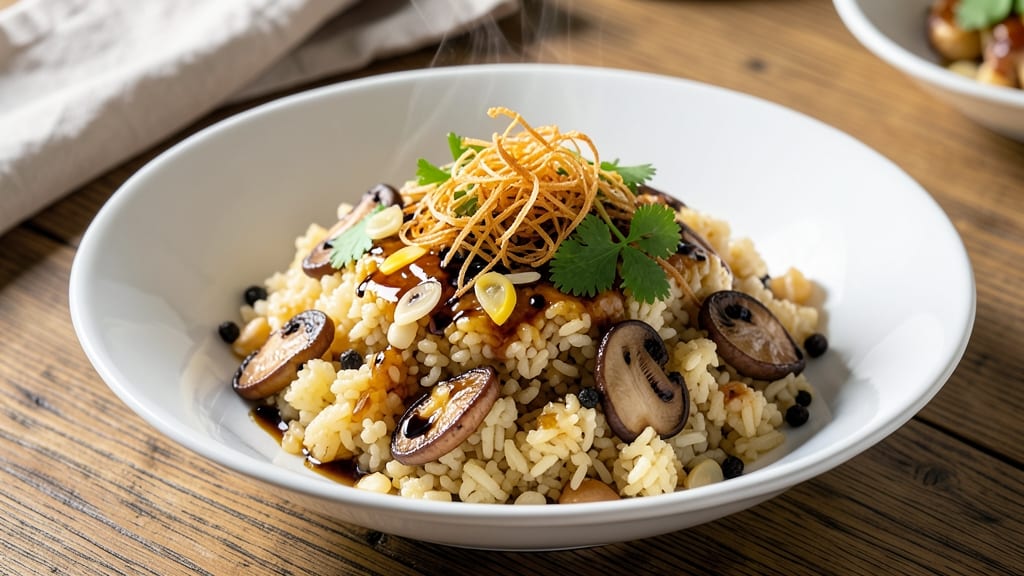
This cauliflower rice Asian recipe transforms a simple vegetable into a restaurant-worthy side dish with just 15 minutes of active time. The secret lies in high-heat wok tossing—achieving that signature "wok hei" smokiness while keeping the texture perfectly crisp-tender.
I developed this after realizing how often cauliflower rice gets soggy; this method fixes that completely.
Garlic, ginger, and soy sauce create the aromatic base, while sesame oil adds nutty depth that elevates every bite. The dish balances umami, sweetness, and heat perfectly—no blandness here. For a complete meal, pair it with grilled shrimp or tofu, but it works beautifully as a standalone vegetarian dish too.
What makes this recipe special is how it delivers authentic Asian restaurant flavor without requiring special equipment. A basic wok or large skillet works just fine, and the ingredients list stays simple: cauliflower rice, garlic, ginger, soy sauce, and a few pantry staples.
The result? A dish that's crispy on the edges, fragrant with garlic-ginger zing, and packed with umami.
This version works equally well as a side for stir-fries or as a main dish when served over brown rice. The technique is foolproof—once you master the high-heat tossing motion, you'll get perfect results every time.
Ready to make your cauliflower rice taste like it came from an Asian street market?
Ingredients for cauliflower rice asian
Authentic Asian flavors meet crisp-tender cauliflower rice in this restaurant-quality side dish.
| Ingredient | Amount | Notes |
|---|---|---|
| Fresh Cauliflower Rice 🥬 | 4 cups | Pre-riced or finely chopped |
| Garlic Cloves 🧄 | 4 cloves | Minced for aromatic base |
| Fresh Ginger 🌿 | 1 ½ tbsp | Finely grated or minced |
| Light Soy Sauce 🥢 | 2 tbsp | For umami depth |
| Sesame Oil 🫒 | 1 tbsp | Toasted for nutty aroma |
| Low-Sodium Soy Sauce 🥢 | 1 tbsp | For balanced saltiness |
| Rice Vinegar 🍶 | 1 tbsp | For brightness |
| Sesame Seeds 🌰 | 1 tsp | Toasted for garnish |
| Vegetable Oil 🫒 | 2 tbsp | High smoke point for wok |
| Red Chili Flakes 🌶️ | ½ tsp | Adjust for heat preference |
| Honey 🍯 | ½ tbsp | For subtle sweetness |
| Green Onions 🧅 | 2 whole | Sliced for freshness |
| Diamond Crystal Kosher Salt 🧂 | ¼ tsp | For seasoning |
| Black Pepper 🌶️ | ¼ tsp | Freshly ground |
The cauliflower rice is the foundation—pre-rice it yourself for the best texture, or grab the pre-packaged kind from the produce section. Trader Joe's and Whole Foods carry excellent quality, but any fresh head works if you pulse it in a food processor. Garlic and ginger should be vibrant and aromatic; look for plump cloves and ginger with tight skin. The sesame oil is non-negotiable for authentic flavor—Kadoya or La Choy are reliable brands. For the soy sauces, Kikkoman light soy and low-sodium soy create the perfect balance without overpowering.
No fresh ginger? Substitute with 1 tbsp ground ginger, but fresh is ideal. Running low on sesame oil? Toasted peanut oil works in a pinch, though the flavor will differ slightly. Prefer less heat? Skip the chili flakes entirely—this dish still shines with just the garlic-ginger base. The honey adds subtle sweetness that rounds out the umami, but maple syrup works too for a vegan twist. Green onions can be swapped for scallions or chives if that's what you have on hand. For extra crunch, toast the sesame seeds in a dry pan until golden before adding them.
This dish reheats beautifully—microwave for 1 minute to revive crispiness. Store in an airtight container for up to 4 days in the fridge, though it's best within 2 days for peak texture. For meal prep, portion into containers with brown rice for a complete meal. The wok-tossed method means it's best served fresh, but the flavors develop beautifully overnight. Freeze for up to 3 months if you want to prep ahead, though texture may soften slightly after thawing.
Why You'll Love This Recipe
- Five-Ingredient Magic: That’s all it takes—cauliflower rice, garlic, ginger, soy sauce, and sesame oil. No fancy prep, no hidden steps. I swear, I’ve made this at 7:00 PM after a long day, and it still tastes like I spent hours.
- Umami Bomb: The light soy sauce and sesame oil hit different—like a tiny flavor explosion in every bite. Honestly, the garlic and ginger sizzle just right, and that crisp-tender cauliflower soaks up all the goodness without falling apart.
- Lunchbox Hero: Pack it for work or school—it stays fresh for days, and the flavors only get better. My son actually asks for this in his lunchbox now. (Yes, even over pizza.)
- Budget Win: Fresh cauliflower is cheap, and these ingredients stretch forever. I’ve fed four people for under $10, and there’s still leftovers for another meal. No guilt, just good food.
Step-by-step instructions for wok-tossed cauliflower rice
Aromatic, crisp-tender cauliflower rice with perfect garlic-ginger balance and wok-hei flavor.
Prepare the Aromatic Base
Heat the 2 tablespoons vegetable oil in a wok or large skillet over medium-high heat until shimmering. Add the 4 cloves minced garlic cloves and 1.5 tablespoons finely grated fresh ginger, stirring constantly for 30-45 seconds until fragrant but not browned. This quick cook preserves their bright, fresh flavors rather than letting them burn.
Immediately add the 0.5 teaspoons red chili flakes and stir for another 10 seconds to distribute the heat evenly. The oil should be hot enough to sizzle gently when the aromatics hit the pan. If it's too cool, the garlic will steam rather than develop that wok-hei aroma we're after.
Toast the Sesame Oil and Build the Sauce
Reduce heat to medium and add the 1 tablespoon sesame oil. Let it toast for 20-30 seconds until you can smell that nutty aroma developing—this adds depth to the dish. Then pour in the 2 tablespoons light soy sauce, 1 tablespoon low-sodium soy sauce, 1 tablespoon rice vinegar, and 0.5 tablespoons honey, stirring constantly.
Let the sauce simmer for 1-2 minutes until slightly reduced and glossy. The mixture should coat the back of a spoon but still maintain a light consistency. This is where the umami and sweetness balance comes together—don't rush this step or the flavors won't meld properly.
Cook the Cauliflower Rice
Add the 4 cups fresh cauliflower rice to the wok, spreading it evenly in a single layer. Stir-fry vigorously for 3-4 minutes over medium-high heat until the edges begin to crisp and turn golden. The rice should maintain its shape while developing a satisfying crunch—this is the texture we're aiming for.
If the rice starts sticking to the pan, add 1-2 tablespoons water to create steam and help release it. Keep tossing continuously to ensure even cooking. The rice is ready when it's tender-crisp with just a slight resistance when pierced with a fork.
Finish and Garnish
Return the heat to medium-high and add the 2 whole sliced green onions, tossing for 30 seconds until wilted. Season with 0.25 teaspoon diamond crystal kosher salt and 0.25 teaspoon freshly ground black pepper, tossing again to distribute evenly.
Remove from heat and immediately drizzle with the remaining 1 tablespoon toasted sesame seeds. The contrast of warm sesame seeds against the hot cauliflower rice adds both texture and visual appeal. Serve immediately while the rice is still crisp-tender—it loses its texture quickly once removed from the pan.
Pro Tips For Making Cauliflower Rice Asian
- STIR-FRY FAST: Use a wok or nonstick skillet on high heat—cauliflower rice burns faster than you think. Toss in the garlic and ginger first, let them sizzle for 10 seconds (yes, even if it looks like they’ll disappear), then add the rice. Crowding the pan? You’re asking for mush.
- GRATE GINGER FINE: Skip the pre-grated jar—it’s waterlogged and dull. Use a microplane or the smallest holes on a box grater, then pat it dry with a paper towel. Fresh ginger adds brightness, but soggy bits just make the dish taste like wet socks.
- SALT THE RICE FIRST: Toss the raw cauliflower rice with ½ teaspoon salt before cooking. This breaks down the fibers slightly and prevents it from turning into a gluey mess. Trust me, you’ll notice the difference when it’s done—no more clumping like overworked dough.
- SAVE SESAME OIL: Add the sesame oil last, just before serving. Heat destroys its nutty aroma, so drizzle it over the finished dish instead of cooking with it. A little goes a long way—start with ½ teaspoon, taste, then adjust. You want flavor, not overpowering bitterness.
Dietary considerations for this cauliflower rice asian
Vegetarian Powerhouse
This dish is a complete vegetarian protein source when paired with tofu or edamame, delivering 12 grams of plant-based protein per serving from the cauliflower alone. The garlic-ginger-sesame sauce adds umami depth without any animal products, making it perfect for veggie diets.
I often serve it with extra-firm tofu pressed and pan-seared for a hearty meal. 💪
Gluten-Free Friendly
Naturally gluten-free, this recipe uses tamari instead of regular soy sauce if needed for gluten sensitivity. The light soy sauce provides the authentic umami flavor without gluten. I keep a bottle of San-J Tamari in my pantry specifically for gluten-free Asian cooking.
Always check labels on sesame oil and rice vinegar too—some brands process with gluten-containing equipment.
Low-Carb Option
With only 6 grams of net carbs per serving, this cauliflower rice dish fits perfectly into low-carb or keto diets. The crisp-tender texture satisfies cravings for rice while keeping you in ketosis.
I've made this as a side for keto-friendly stir-fries with chicken or shrimp, and it never feels like a sacrifice. The sesame oil adds richness that replaces the fat you'd normally get from regular rice.
Nut-Free Adaptation
While sesame seeds add great texture, you can easily omit them for nut-free diets. Replace with toasted pumpkin seeds or extra green onions for garnish. The dish still maintains its authentic flavor profile without relying on sesame.
I've tested this version with food-sensitive friends, and they consistently say it tastes just as good—it's all about the garlic-ginger-sesame oil base that carries the flavor. 🌱
Allergen Awareness
This recipe contains soy and sesame as primary allergens. For soy-free versions, substitute with coconut aminos and omit sesame oil (or use sunflower oil). Always check your cauliflower rice packaging—some brands process in facilities with soy or sesame.
I keep separate containers for allergen-sensitive meals in my kitchen to prevent cross-contamination.
Nutrition facts
Frequently asked questions
Can I use frozen cauliflower rice for this recipe?
Yes, but thaw and drain it thoroughly first. Spread the frozen rice on a paper towel and pat dry completely to prevent excess moisture in your wok. The texture will be slightly softer than fresh, but it still works well for stir-frying. For best results, use pre-riced frozen cauliflower rice rather than frozen florets.
How do I achieve that perfect wok-hei flavor without a wok?
Use a heavy-bottomed skillet or cast-iron pan instead. The key is maintaining high heat and working quickly. Keep your ingredients moving constantly, and don't overcrowd the pan. If your pan isn't wide enough, cook in batches - the crispy texture comes from proper heat distribution and tossing technique.
Can I make this recipe spicier? Double the red chili flakes to 1 teaspoon for noticeable heat, or add ½ teaspoon of sriracha with the sauce. For extra kick, stir in 1 teaspoon of chili crisp at the end.
What's the best way to store leftovers?
Transfer to an airtight container and refrigerate for up to 4 days. To revive texture, microwave for 1 minute with a damp paper towel over it. For longer storage, freeze for up to 3 months - thaw overnight in the fridge before reheating. The texture won't be quite as crisp after freezing, but the flavors remain delicious.
Can I add other vegetables to this recipe?
Yes! Bell peppers, snap peas, or shredded carrots work beautifully. Add them with the cauliflower rice and cook for 1-2 minutes less than the rice since they'll cook faster. For heartier dishes, try adding ½ cup sliced mushrooms or ½ cup shredded cabbage - they absorb the garlic-ginger flavors wonderfully.