
Sauces & Condiments
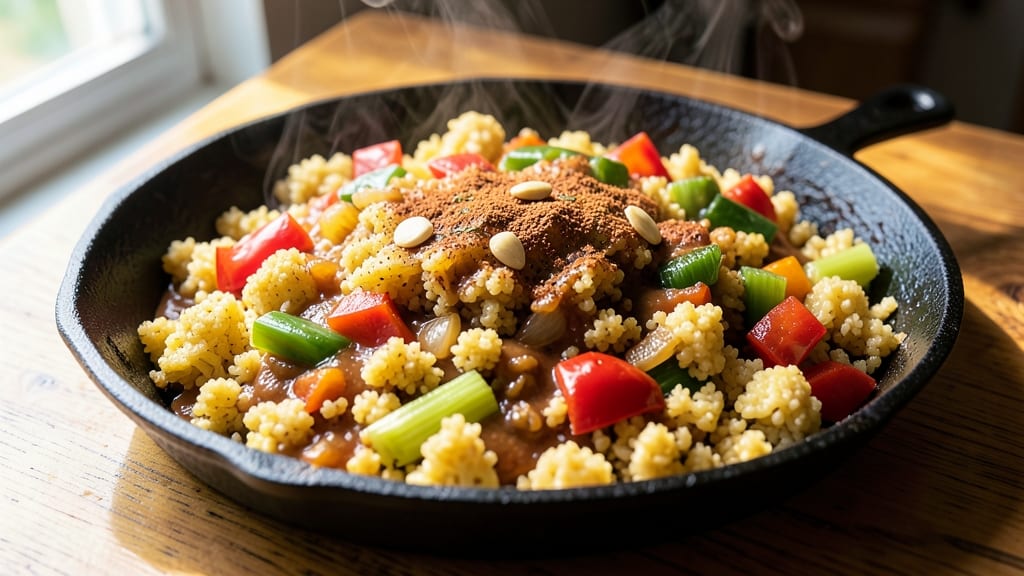
This cauliflower rice jambalaya recipe transforms traditional Cajun flavors into a vibrant, plant-based one-pan wonder that delivers all the smoky, spicy goodness without the meat.
The secret lies in perfectly balanced spices—paprika, cayenne, and thyme—that create layers of warmth while the cauliflower rice soaks up the rich, tomato-based sauce for a satisfying, low-carb texture.
What makes this dish truly special is how it mimics the hearty, comforting nature of classic jambalaya while keeping it light and adaptable.
Sautéed bell peppers, onions, and celery form the aromatic base, while the cauliflower rice absorbs the flavors beautifully, resulting in a dish that's both restaurant-worthy and effortlessly homemade. Ready in under 45 minutes, this recipe proves you don't need meat to create a flavor-packed meal.
Ingredients for cauliflower rice jambalaya
These vibrant ingredients transform traditional Cajun flavors into a plant-based, one-pan masterpiece.
| Ingredient | Amount | Notes |
|---|---|---|
| Fresh Cauliflower Rice 🥬 | 4 cups | Riced or finely chopped, fresh preferred |
| Bell Peppers 🌶️ | 1 ½ cups | Mixed colors, diced small |
| Yellow Onion 🧅 | 1 whole | Medium, finely diced |
| Celery Stalks 🥬 | 3 whole | Trimmed, finely chopped |
| Garlic Cloves 🧄 | 4 cloves | Fresh, minced finely |
| Smoked Paprika 🌶️ | 1 ½ tbsp | High-quality, not sweet |
| Ground Cayenne Pepper 🔥 | ½ tsp | Adjust for heat preference |
| Dried Thyme 🌿 | 1 tsp | Or 1 tbsp fresh thyme |
| Dried Oregano 🌿 | 1 tsp | Mexican oregano preferred |
| Tomato Paste 🍅 | ½ cup | High-quality, no sugar added |
| Vegetable Broth 💧 | 1 ½ cups | Low-sodium preferred |
| Extra-Virgin Olive Oil 🫒 | ¼ cup | For sautéing and finishing |
| Lemon Juice 🍋 | 1 tbsp | Freshly squeezed |
| Salt 🧂 | 1 ½ tsp | Diamond Crystal preferred |
| Black Pepper 🌶️ | ½ tsp | Freshly ground |
| Fresh Parsley 🌿 | ¼ cup | Chopped, for garnish |
The cauliflower rice is the star here—freshly riced yields the best texture, but pre-riced works in a pinch. For the bell peppers and onions, Trader Joe's organic mixed peppers are ideal, but any colorful variety adds visual appeal. Celery should be crisp with no brown spots. Garlic? Whole Foods sells pre-minced garlic in jars, but fresh is always better. The spices are non-negotiable—Penzeys smoked paprika and cayenne deliver that authentic Cajun heat without bitterness. Thyme and oregano should be aromatic, not dusty. If your dried herbs smell like nothing, toss them.
No smoked paprika? Regular paprika plus a pinch of liquid smoke works, but it won't be identical. Fresh thyme is ideal, but dried at one-third the amount suffices. The tomato paste can be the squeeze-tube kind from Trader Joe's—it's convenient and keeps well. Vegetable broth should be rich; Imagine or Pacific Foods brands are excellent choices. For extra depth, add a splash of Worcestershire sauce (vegetarian version)—it brings umami. The lemon juice brightens everything, so don't skip it. Salt is crucial; taste as you go and adjust.
This dish reheats beautifully—flavors meld even better the next day. Store leftovers in an airtight container for up to 5 days in the fridge or freeze for 3 months. The cauliflower rice can be prepped ahead and kept in the fridge for 2 days before cooking. For meal prep, portion into containers with a sprinkle of parsley on top—it stays fresh and vibrant. Garnish with extra parsley and a drizzle of olive oil before serving to elevate the presentation.
Why You'll Love This Recipe
- No Rice, No Problem: I swear by this trick—just pulse cauliflower florets until they’re rice-sized, and you’ve cut prep time by half. No soaking, no measuring cups, just dump and stir. (Yes, even on a Tuesday night when you’re exhausted.)
- Holy Trinity Magic: That classic onion, celery, and bell pepper combo gets caramelized in the same pot, then meets the cauliflower rice for a texture that’s almost like real jambalaya. Honestly, the garlic cloves roasted until golden? That’s where the soul of the dish lives.
- Lunchbox Hero: Pack this for work the next day—it reheats like a dream and keeps its shape (no sad, mushy rice here). My kids actually ask for it, and I’ve even brought it to potlucks where people mistake it for the real deal.
- Budget-Friendly Feast: A single head of cauliflower stretches for four servings, and the veggie base means I’m not breaking the bank on meat. Leftovers? They taste even better the second day, especially if you crisp them up in a skillet. (Seriously, it’s my secret weapon.)
Step-by-step instructions for cauliflower rice jambalaya
This one-pan dish delivers all the smoky, spicy depth of traditional jambalaya with a lighter, vegetable-forward twist.
Sauté the Aromatic Vegetable Base
Heat the 0.25 cup extra-virgin olive oil in a large, deep skillet over medium heat. Add the 1 whole yellow onion, 1.5 cups bell peppers, and 3 whole celery stalks, all finely diced. Cook for 8-10 minutes, stirring occasionally, until the vegetables soften and the onion becomes translucent.
Here's the thing—you want these vegetables to sweat out their moisture before adding the cauliflower rice. This prevents the dish from becoming watery later. Add the 4 cloves garlic and cook for an additional 1 minute until fragrant. The garlic should sizzle gently without burning—if it darkens too quickly, reduce the heat slightly.
Build the Cajun Spice Foundation
Increase heat to medium-high and add the 1.5 tablespoons smoked paprika, 0.5 teaspoon ground cayenne pepper, 1 teaspoon dried thyme, and 1 teaspoon dried oregano. Stir constantly for 30 seconds to toast the spices—this awakens their flavors and prevents a raw, bitter taste. You'll notice the spices darken slightly and fill the kitchen with an aromatic, slightly smoky scent.
Immediately add the 0.5 cup tomato paste and stir for 1-2 minutes until it darkens and coats the vegetables. This step creates the rich, slightly caramelized base that defines jambalaya. If the mixture sticks to the pan, add 1-2 tablespoons vegetable broth to deglaze and scrape up any browned bits from the bottom.
Incorporate the Cauliflower Rice and Simmer
Add the 4 cups fresh cauliflower rice and stir to coat evenly in the spiced tomato mixture. Pour in the 1.5 cups vegetable broth and bring to a gentle simmer. Reduce heat to low and cover the skillet. Let it cook for 15-18 minutes, stirring occasionally, until the cauliflower rice is tender and most of the liquid has been absorbed.
This is where patience pays off. The cauliflower rice should be soft enough to break down slightly but still hold its shape. If it looks dry before the time is up, add 2-3 tablespoons more broth—the texture should resemble a thick, flavorful grain rather than a mushy mash. The dish should smell deeply of smoked spices with a hint of caramelized tomato.
Finish with Bright Acid and Fresh Herbs
Once the cauliflower rice is tender, remove the skillet from heat and stir in the 1 tablespoon lemon juice and remaining seasonings: 1.5 teaspoons salt and 0.5 teaspoon black pepper. The acid brightens the deep, smoky flavors and cuts through any richness. Taste and adjust the seasoning—you might need a pinch more salt or cayenne to balance the dish.
Finally, fold in the 0.25 cup fresh parsley just before serving. This adds a fresh, herbal contrast to the smoky, spicy base. Let the jambalaya rest for 5 minutes off the heat—this allows the flavors to meld completely. Serve immediately with crusty bread or over a bed of greens to soak up every last bit of this flavorful, one-pan meal.
Pro Tips For Making Cauliflower Rice Jambalaya
- CHAR THE CAULIFLOWER FIRST: I learned this the hard way—sautéing raw cauliflower rice straight into the jambalaya makes it turn to mush. Instead, blanch it for 2 minutes in boiling salted water, then drain and pat very dry before adding it to the pot. That extra step keeps it from absorbing all the liquid and turning into a sad, watery side dish.
- SWEAT THE VEGETABLES LOW: Crank the heat to medium-low when cooking your onion, celery, and bell peppers—high heat burns them before they soften. After 5 minutes, add the garlic and let it bloom without browning, or it’ll taste bitter. This is where the flavor base actually builds, not where you rush.
- DON’T SKIP THE DEGLAZE: Once you pull out the meat (if using) and browned veggies, stop and deglaze the pan with a splash of liquid (broth, beer, or even hot sauce) while scraping up every last bit of stuck-on goodness. That’s where half the flavor hides—ignore it, and your jambalaya will taste flat.
- USE A LITTLE LESS LIQUID: Cauliflower rice soaks up way more than rice, so start with ½ cup less broth than you think you need. Taste as you go—you can always add more, but you can’t un-sog it. (Yes, even if you’re impatient like me.)
Best sauces and condiments for this dish
Cajun Tomato Sauce
This rich, smoky sauce is the heart of your jambalaya and can be made ahead for even deeper flavor.
Simmer 0.5 cup tomato paste, 1.5 cups vegetable broth, 1.5 tbsp smoked paprika, 0.5 tsp cayenne, and 1 tsp each thyme and oregano for 10 minutes before adding other ingredients. The sauce thickens beautifully and carries all those signature Cajun flavors.
Store leftovers in an airtight container for up to 5 days or freeze for 3 months. 🍅
Hot Sauce Finishing
For an extra kick, stir in 1-2 tablespoons hot sauce (like Crystal or Tabasco) during the final 5 minutes of cooking. This adds brightness and heat without overpowering the dish. I like to use Louisiana-style hot sauce for authenticity—it has a perfect balance of spice and tang.
Add it gradually and taste as you go to avoid making the dish too fiery. 🌶️
Creamy Avocado Dressing
Balance the spice with a cooling avocado dressing made from 1 ripe avocado, 2 tbsp Greek yogurt, 1 tbsp lemon juice, and salt to taste. Blend until smooth and drizzle over the jambalaya just before serving.
This adds a luxurious creaminess that contrasts beautifully with the smoky spices. The avocado also provides healthy fats that help your body absorb the fat-soluble vitamins in the dish. 🥑
Pickled Jalapeños
Quick-pickle 2 jalapeños in ½ cup vinegar, 1 tbsp sugar, and 1 tsp salt for 15 minutes before serving. These add a tangy crunch that cuts through the richness of the jambalaya.
I like to slice them thinly and scatter them on top for both visual appeal and flavor contrast. The acidity also helps balance the heat, making each bite more complex. 🌿
Garlic-Herb Oil
Infuse 0.25 cup olive oil with 3 minced garlic cloves and 1 tbsp fresh parsley, then heat gently for 5 minutes to make a fragrant finishing oil. Drizzle this over the jambalaya right before serving to add another layer of garlic flavor without overpowering the dish.
This technique also elevates the presentation with a glossy sheen. 🫒
Nutrition facts
Frequently asked questions
Can I use pre-riced cauliflower instead of fresh?
Yes, but fresh cauliflower rice gives the best texture! Pre-riced works in a pinch, but it releases more water during cooking, which can make your jambalaya soupy. If using pre-riced, squeeze it dry in a clean towel first to remove excess moisture, then pat thoroughly before adding to the pan.
How do I adjust the heat level for picky eaters?
Start by reducing the cayenne pepper to ¼ teaspoon or even omitting it entirely. For extra depth without heat, add ½ teaspoon smoked paprika plus ½ teaspoon sweet paprika instead. Always taste as you go—you can add more cayenne later if needed, but you can't remove it once it's in!
What's the best way to make this dish gluten-free?
This recipe is naturally gluten-free, but check your broth and spices for hidden gluten. Use certified gluten-free vegetable broth and verify that smoked paprika and other seasonings don't contain wheat additives. Serve with gluten-free bread or a side salad to keep it completely safe for gluten-sensitive guests.
Can I add protein to make it more filling?
For a meatless option, stir in 1 cup cooked chickpeas or ½ cup crumbled tofu during the final 5 minutes of cooking. For seafood lovers, add ½ pound shrimp in the last 3 minutes—they'll absorb all those amazing flavors. Just be sure to cook any add-ins separately first if they require different cooking times.
Why did my cauliflower rice turn mushy?
Overcooking or using too much liquid causes mushiness. The cauliflower rice should cook for 15-18 minutes—no longer! If it looks dry before then, add just 2-3 tablespoons broth at a time. Also,