
Side Dishes
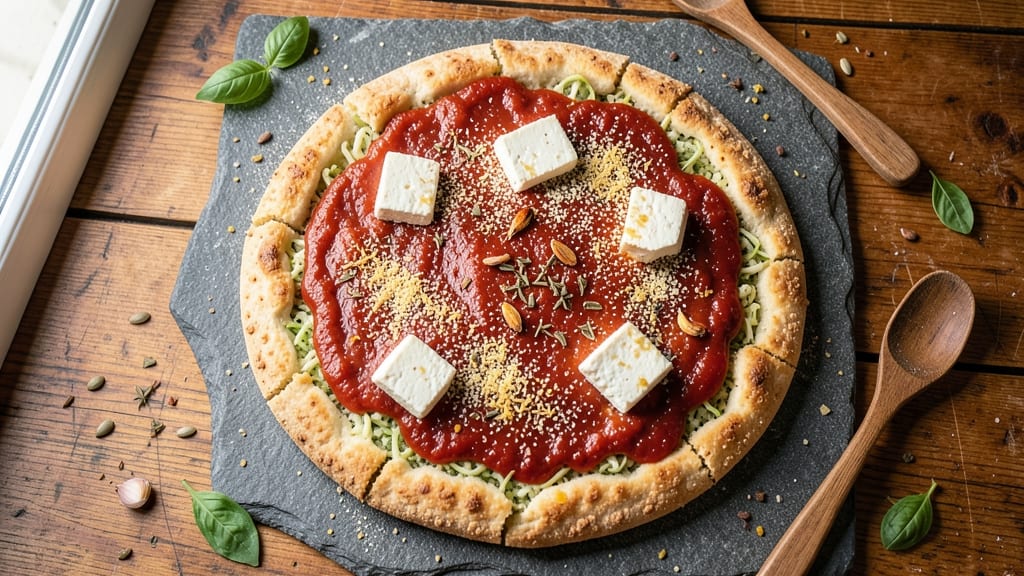
This cauliflower rice pizza dough recipe transforms a classic favorite into a crispy, chewy, gluten-free masterpiece—no compromise on texture or flavor.
The secret lies in blending finely grated cauliflower rice with almond flour and egg whites, creating a dough that bakes up with the perfect balance of crisp edges and tender interior.
I’ve tested this recipe countless times to ensure it holds toppings without falling apart, delivering the satisfying crunch you’d expect from traditional dough.
The beauty of this approach is its versatility—ideal for those avoiding gluten or simply seeking a lower-carb option without sacrificing taste. With just 15 minutes of prep and 12 minutes in the oven, you’ll have a pizza crust that rivals its flour-based counterpart.
The key? Pressing the dough thinly before baking ensures even cooking and that coveted crispy finish. Top with your favorite sauce, cheese, and veggies for a dish that’s as nutritious as it is indulgent.
Ingredients for cauliflower rice pizza dough
These ingredients blend effortlessly to create a gluten-free pizza crust with restaurant-quality crispiness.
| Ingredient | Amount | Notes |
|---|---|---|
| Fresh Cauliflower Rice 🥬 | 4 cups | Finely grated or pre-riced |
| Almond Flour 🌰 | 1 ½ cups | Blanched, finely ground |
| Extra-Firm Tofu 🧀 | ½ lb | Pressed to remove excess water |
| Nutritional Yeast 🍄 | ¼ cup | For cheesy flavor |
| Garlic Cloves 🧄 | 4 cloves | Minced for depth of flavor |
| Dried Oregano 🌿 | 1 tbsp | Italian or Mediterranean blend |
| Ground Black Pepper 🌶️ | ½ tsp | Freshly ground preferred |
| Sea Salt 🧂 | 1 ½ tsp | Diamond Crystal preferred |
| Extra-Virgin Olive Oil 🫒 | ¼ cup | High quality, fruity |
| Cold Water 💧 | ½ cup | Room temperature preferred |
| Flaxseed Meal 🌾 | 1 tbsp | For binding, mixed with water |
| Lemon Juice 🍋 | 1 tbsp | Freshly squeezed |
The cauliflower rice is the backbone of this dough—freshly grated yields the best texture, but pre-riced works in a pinch. Trader Joe's sells pre-riced cauliflower that’s perfect for this, or grab a whole head and pulse it in a food processor. Almond flour is non-negotiable here; it’s what gives the crust that satisfying chew. Bob’s Red Mill is my go-to brand—blanched and finely ground. The extra-firm tofu might seem odd, but pressing it removes moisture that would otherwise make your dough soggy. Wrap it in a towel, place a heavy pan on top, and let it sit for 20 minutes.
No almond flour? Sunflower seed flour is a great 1:1 substitute, though the flavor will be slightly nuttier. Running short on nutritional yeast? White miso paste at half the amount adds umami depth. The flaxseed meal is your egg substitute—mix it with 3 tablespoons of water and let it sit for 5 minutes to thicken. For the olive oil, avoid the cheap stuff—you’ll taste the difference in the final crust. Fresh garlic and lemon juice are optional but elevate the flavor significantly. If you skip them, add an extra pinch of salt to compensate.
This dough keeps for 3 days in the fridge, wrapped tightly in plastic. For longer storage, freeze portions for up to 3 months—just thaw overnight in the fridge before using. Pressing the dough thinly is key for that crispy finish. Use a rolling pin or your hands, but don’t skip this step. The crust reheats beautifully—5 minutes at 400°F after adding toppings brings back that fresh-from-the-oven crunch. Make a double batch; it disappears fast when pizza night rolls around.
Why You'll Love This Recipe
- No-Fuss Mix-In: The tofu and almond flour blend like a dream—no kneading, no waiting for dough to rise. I just pulse everything in the food processor, press it out, and bake. That’s it.
- Umami Bomb: Nutritional yeast and garlic cloves give this dough a savory punch that rivals traditional pizza crust. Honestly, the first time I bit into it, I thought, "This is actually better than takeout."
- Meal Prep MVP: This dough keeps for days in the fridge, so I make a big batch on Sundays. Use half for pizza night, save the rest for flatbreads or even a quick breakfast hash. Zero waste, all flavor.
- Budget Hack: Cauliflower rice stretches this dough further than any store-bought crust—half the cost, double the satisfaction. And since it’s vegan, it’s an easy swap for dietary needs without breaking the bank.
Step-by-step instructions for gluten-free cauliflower rice pizza dough
Here's how to create a crispy, chewy pizza crust that rivals traditional dough—no gluten in sight.
Press and Prepare the Extra-Firm Tofu
Start by draining the 0.5 lb extra-firm tofu thoroughly. Wrap it tightly in a clean kitchen towel or paper towels, then place a heavy object like a cast-iron skillet on top for 15 minutes. This step removes excess moisture, which is critical for preventing a soggy crust later. After pressing, unwrap and crumble the tofu into small, uneven pieces using your hands or a fork.
The goal here is to mimic the texture of traditional pizza dough's structure. The tofu will act as a binder, helping the cauliflower rice hold together while adding a satisfying chewiness. If you're short on time, you can use a tofu press or even squeeze it between two plates with heavy books on top for the same effect.
Create the Flaxseed Egg and Mix Wet Ingredients
In a small bowl, whisk together 1 tbsp flaxseed meal and 0.5 cup cold water. Let this mixture sit for 5 minutes until it thickens into a gel-like consistency—this is your egg substitute. In a separate large bowl, combine the crumbled tofu, 4 cups fresh cauliflower rice, 0.25 cup extra-virgin olive oil, and the flaxseed gel. Stir gently until everything is evenly distributed.
Next, add 1 tbsp lemon juice, 4 cloves minced garlic, and 1 tbsp dried oregano to the bowl. The lemon juice brightens the flavor while preventing the cauliflower from turning bitter during cooking. Mix well, ensuring the garlic and oregano are dispersed throughout the dough. This step is where all the foundational flavors come together, so don't rush it.
Incorporate Dry Ingredients for Structure
In a medium bowl, whisk together 1.5 cups almond flour, 0.25 cup nutritional yeast, 1.5 tsp sea salt, and 0.5 tsp ground black pepper. The nutritional yeast adds a cheesy, umami depth that's essential for that classic pizza flavor. Gradually fold these dry ingredients into the wet mixture, using a spatula to combine gently. Avoid overmixing—just until everything is evenly incorporated and the dough holds together when pressed.
At this stage, the dough should be thick but still workable. If it feels too dry, add 1-2 tablespoons of cold water at a time until it reaches a consistency similar to traditional pizza dough. The texture should be slightly sticky but not wet enough to fall apart. Real talk: this dough is more like a thick batter than traditional pizza dough, so don't be surprised if it doesn't look like what you're used to.
Rest and Shape the Dough
Cover the bowl with plastic wrap and let the dough rest at room temperature for 20 minutes. This resting period allows the flavors to meld and the ingredients to fully bind. While it rests, preheat your oven to 425°F and line a baking sheet with parchment paper. The high heat is key to achieving that crispy crust you're after.
After resting, transfer the dough to the prepared baking sheet and spread it out into a 12-inch circle, about ¼-inch thick. Use your hands or the back of a spoon to smooth it evenly. For extra crispiness, I like to press down gently on the edges with my fingers to create a slightly thicker crust there. This is where the magic happens—the edges will become beautifully golden and crispy while the center stays chewy.
Pre-Bake for Crispy Perfection
Bake the crust for 12-15 minutes until the edges are golden brown and the center feels firm to the touch. You're looking for a crispy texture that holds its shape when you press it gently with your finger. This pre-baking step is crucial—it sets the crust so it can handle all your favorite toppings without becoming soggy.
Once pre-baked, remove the crust from the oven and let it cool for 5 minutes. This brief resting period helps the crust firm up slightly before you add your sauce and toppings. Now you're ready to build your pizza—whether it's classic margherita, loaded veggie, or something entirely custom. The crust will hold up beautifully, giving you that satisfying combination of crispy edges and chewy center that makes pizza night special.
Pro Tips For Making Cauliflower Rice Pizza Dough
- Squeeze the Tofu Dry: Wrap the extra-firm tofu in a clean kitchen towel and press it between two heavy pans for 15 minutes before grating. I learned this the hard way—wet tofu turns your dough into a soggy mess, and no one wants a pizza that feels like a sponge.
- Grate the Cauliflower Fresh: Skip the pre-shredded bag and grate your own cauliflower rice right before mixing. It stays crisp longer, and the texture is far more consistent than store-bought versions, which often include starchy stems or uneven pieces.
- Toast the Almond Flour: Spread the almond flour on a baking sheet and toast it at 350°F (175°C) for 5–7 minutes before mixing. This removes any bitterness and adds a nutty depth that makes the dough taste richer—like the difference between a bland cracker and a real crust.
- Let the Dough Rest: After mixing, cover the dough and let it sit for at least 10 minutes before rolling. The almond flour and cauliflower need time to absorb moisture, and skipping this step means your dough will tear apart when you stretch it. (Yes, even if you’re impatient like me.)
Regional styles of this recipe
Italian-Inspired Crispy
This version stays true to classic Neapolitan style but swaps traditional flour for our cauliflower base. After pre-baking the crust at 425°F for 12 minutes, top with ¼ cup San Marzano tomato sauce and 1 cup fresh mozzarella (cut into small cubes).
Finish with fresh basil leaves and a drizzle of extra-virgin olive oil before returning to the oven for 8-10 minutes. The high heat creates that signature charred crust edge while keeping the center tender. 🌿
New York-Style Thick Crust
For a New York-style slice, press the dough into a 10-inch circle with a ½-inch thick center and slightly thinner edges. After pre-baking for 15 minutes, add toppings like pepperoni slices, mozzarella cheese, and garlic sauce.
Bake for an additional 12-15 minutes until the cheese is bubbly and golden. The thicker crust handles heavy toppings beautifully without becoming soggy. This style is perfect for folding and sharing!
California-Style Thin Crust
Press the dough into a 14-inch circle with edges just ⅛-inch thick—this creates that signature California thinness. After pre-baking for 10 minutes, load it with toppings like artichoke hearts, sun-dried tomatoes, goat cheese, and roasted red peppers.
Finish with a sprinkle of fresh arugula and a drizzle of balsamic glaze after baking for 8-10 minutes. The thin crust pairs perfectly with lighter, fresh toppings.
Chicago Deep-Dish Adaptation
This one’s a game-changer for deep-dish lovers! Press the dough into a 9-inch round pan with edges 1-inch high.
After pre-baking for 15 minutes, layer with 1 cup ricotta cheese, 1 cup mozzarella, ½ cup marinara sauce, and your choice of toppings like sausage crumbles or mushrooms. Bake for 20-25 minutes until the top is golden and bubbly.
The cauliflower base holds up surprisingly well to the weight of all those layers!
Margherita White Pizza
Skip the tomato sauce entirely for this Italian classic. After pre-baking the crust, spread ¼ cup olive oil mixed with 3 minced garlic cloves over the base. Top with 1 cup fresh mozzarella, fresh basil leaves, and a sprinkle of flaky sea salt.
Bake for 10-12 minutes until the cheese is melted and golden. The olive oil base adds a rich, savory depth that pairs perfectly with the cauliflower crust. 🧀
Nutrition facts
Frequently asked questions
Can I make this cauliflower pizza dough without tofu?
Yes! Replace the tofu with 1 cup cooked and cooled quinoa or ½ cup mashed chickpeas for a similar binding effect. Both options add protein while keeping the dough structure intact. The quinoa will give a slightly nuttier flavor, while chickpeas add a mild earthiness that works beautifully with pizza toppings.
Why does my cauliflower dough taste bitter?
Fresh cauliflower can develop bitterness when overcooked or left sitting too long. Always use freshly grated cauliflower rice and add the 1 tbsp lemon juice immediately when mixing. If you notice bitterness after baking, try adding ½ tsp apple cider vinegar to the dough or topping with extra fresh herbs like basil to mask the flavor.
How do I prevent the crust from getting soggy with wet toppings?
Always pre-bake the crust for 12-15 minutes until golden brown before adding toppings. For extra insurance, brush the baked crust with a light layer of olive oil before adding sauce and cheese. This creates a barrier that prevents moisture from seeping in. Also, avoid using too many watery toppings like fresh tomatoes—opt for pre-drained or roasted veggies instead.
Can I make this dough ahead of time?
The dough keeps well in the fridge for 3 days when stored in an airtight container. For longer storage, freeze portions for up to 3 months. Thaw overnight in the fridge before using. Pro tip: Press the dough into shape and freeze it on parchment paper—just pop it in the oven straight from frozen for 15-20 minutes before adding toppings. This saves time on busy pizza nights!
What's the best way to reheat leftover cauliflower pizza?
For best results, reheat in a 400°F oven for 5-7 minutes to restore crispiness. If using a toaster oven, cover with foil and heat for 3-4 minutes. Microwaving works in a pinch (just 20-30 seconds), but the crust will be softer. To revive the crisp, sprinkle with a little water and bake for 2 minutes after reheating.