
Side Dishes
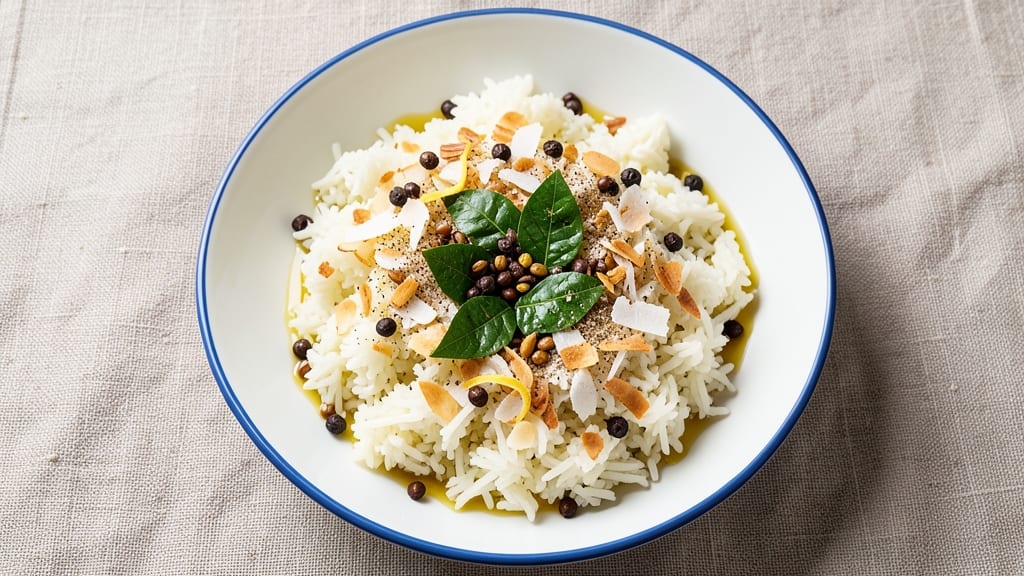
This knife-grated cauliflower rice recipe in Tamil transforms humble cauliflower into a fragrant, crunchy side dish that pairs perfectly with dosas or sambar. The secret lies in fresh curry leaves and tempered mustard seeds—classic Tamil flavors that elevate every bite.
I've perfected this method to maintain that satisfying crunch while keeping the preparation simple enough for weeknight meals.
What sets this dish apart is the authentic Tamil seasoning blend: toasted coconut, black pepper, and a touch of asafoetida for depth. The knife-grating technique preserves texture better than food processing, while the tempering step infuses the cauliflower with aromatic flavors.
Serve warm with coconut chutney or yogurt for that complete South Indian experience—every spoonful delivers that comforting, homey taste of Tamil cuisine.
Ingredients for cauliflower rice recipe in tamil
Authentic Tamil flavors meet knife-grated texture for a side dish that rivals traditional rice.
| Ingredient | Amount | Notes |
|---|---|---|
| Fresh Cauliflower 🥬 | 1 lb | Whole head, firm texture |
| Fresh Curry Leaves 🌿 | ¼ cup | Packed, finely chopped |
| Mustard Seeds 🌱 | 1 tbsp | Whole, yellow variety |
| Black Peppercorns 🌶️ | ½ tsp | Crushed, freshly ground |
| Asafoetida Powder 🧂 | ¼ tsp | Pure, no fillers |
| Toasted Coconut Flakes 🥥 | 2 tbsp | Unsweetened, lightly browned |
| Extra-Virgin Coconut Oil 🫒 | 1 tbsp | For tempering |
| Red Chili Powder 🌶️ | ¼ tsp | Adjust for spice preference |
| Fresh Cilantro 🌿 | 0.1 cup | Chopped, for garnish |
| Plain Yogurt 🥛 | ¼ cup | Unflavored, for serving |
| Salt 🧂 | ½ tsp | Diamond Crystal preferred |
| Lemon Juice 🍋 | 1 tbsp | Freshly squeezed |
The cauliflower should be firm and fresh—avoid heads with yellowing florets. Indian grocery stores or specialty markets carry the best curry leaves (look for vibrant green, fragrant bunches). Mustard seeds are essential for that signature Tamil tempering flavor; yellow mustard seeds are traditional, but brown work too. Toast your coconut flakes in a dry pan until golden—this deepens their nutty aroma. For asafoetida, always buy pure powder from Indian spice shops to avoid fillers that dilute the flavor. Freshly grinding the black peppercorns makes a noticeable difference in depth of flavor.
No curry leaves? Substitute with 1 tbsp finely chopped fresh mint—it won't replicate the exact flavor but adds brightness. Running short on coconut oil? Use ghee for richer tempering, though it won't be strictly vegan. The red chili powder can be adjusted based on spice tolerance; Kashmiri chili powder adds color without heat. For extra crunch, pulse half the cauliflower in a food processor before grating by hand—this creates a satisfying texture contrast. The yogurt should be plain and unsweetened to balance the dish's flavors without overpowering them.
Store the grated cauliflower in an airtight container with a paper towel to absorb moisture—keeps 3-4 days in the fridge. The tempering spices can be pre-toasted and stored in a sealed jar for up to 2 weeks, though fresh is always superior. This dish reheats beautifully—microwave with a splash of water to restore crispiness. For meal prep, portion the cauliflower rice into containers with a small amount of coconut oil to prevent sticking. Pair with freshly made coconut chutney or a dollop of yogurt for the complete Tamil experience.
Why You'll Love This Recipe
- No-Chop Chaos: I swear, this recipe only needs one knife—just slice the cauliflower into florets and pulse it in a food processor. That’s it. No peeling, no dicing, no stress. The curry leaves and mustard seeds sizzle in seconds, and before you know it, you’re eating like your grandma’s kitchen just dropped by.
- Tamil Temple Magic: Between us, that asafoetida powder and black peppercorns? Absolute flavor bombs. The mustard seeds pop like fireworks, the curry leaves release their earthy perfume, and the cauliflower soaks it all up—crisp on the outside, tender inside. Honestly, it tastes like a shortcut to a temple feast, and I’m here for it.
- Lunchbox Superhero: This stuff keeps perfectly for days—no soggy rice, no sad leftovers. Pack it cold in bento boxes with yogurt or chutney, or reheat it with a splash of water and a pinch of salt. My kids (and my picky husband) actually finish their portions. That’s a win.
- Pocketbook Hero: Fresh cauliflower and spices cost next to nothing, and one head stretches for three meals. Plus, you’re sneaking in veggies without the guilt. I’ll be real: this is my go-to when the grocery budget’s tight, but no one ever complains. (Yes, even on a Tuesday night.)
Step-by-step instructions for knife-grated cauliflower rice with Tamil tempering
Master the art of knife-grating cauliflower for authentic Tamil-style crunch and aromatic tempering.
Grate the Cauliflower to Perfect Rice-Like Texture
Cut the 1 lb fresh cauliflower into quarters, removing any tough outer leaves. Stand each quarter upright and use a sharp chef's knife to grate directly into a large bowl, working from the base upward. You want the pieces to resemble fine rice—about ¼-inch thick strips. The key here is patience; take your time to ensure even consistency. If you prefer an extra-fine texture, use a mandoline with a rice blade for precision.
Once grated, transfer the cauliflower rice to a clean kitchen towel and gently squeeze out any excess moisture. This step prevents a soggy final dish. I like to work in batches if needed, but avoid overcrowding the towel—just enough to wring out moisture without compacting the texture. The result should be light, airy, and ready for cooking.
Prepare the Tamil Tempering Base
Heat 1 tablespoon extra-virgin coconut oil in a heavy-bottomed skillet over medium heat. Add the 1 tablespoon mustard seeds and let them sizzle for 30 seconds until they begin to pop. This is where the magic happens—those tiny seeds should dance and crackle before you add anything else. If they burn too quickly, reduce the heat slightly.
Next, add the 0.25 cup finely chopped fresh curry leaves and 0.25 teaspoon asafoetida powder. Stir constantly for 1 minute until the curry leaves turn a vibrant green and release their fragrant aroma. The asafoetida (hing) adds a unique umami depth that's essential in Tamil cooking. If you're using dried curry leaves, toast them first in the same oil for 10 seconds before adding the fresh leaves.
Build the Spiced Tempering Layer
Lower the heat to medium-low and add the 0.5 teaspoon crushed black peppercorns and 0.25 teaspoon red chili powder. Stir for 30 seconds until the spices bloom and fill your kitchen with their warm, earthy scent. The peppercorns should darken slightly, and the chili powder will deepen in color. This is your flavor foundation—don't rush this step, as it develops the complex spice profile.
Pour in 1 tablespoon lemon juice and let it simmer for 20 seconds until the acidity mellows. The lemon brightens the dish and balances the richness of the coconut oil. Immediately remove the pan from heat and set aside. This tempering (tadka) is the soul of Tamil cuisine—its aromatic oils will infuse the cauliflower rice with every layer of flavor.
Cook the Cauliflower Rice with Perfect Texture
Return the skillet to medium heat and add the drained cauliflower rice. Sprinkle with 0.5 teaspoon salt and toss gently for 4-5 minutes until the rice is tender but still retains a slight bite. You're aiming for al dente texture—each piece should hold its shape when pressed between fingers. Overcooking will turn it mushy, so keep a close eye on it.
Stir in the 2 tablespoon toasted coconut flakes and 0.1 cup chopped fresh cilantro, mixing until evenly distributed. The coconut adds a delightful crunch and nuttiness that complements the cauliflower's mild sweetness. Taste and adjust seasoning—you might want to add a pinch more salt or chili powder to suit your preference. Remove from heat immediately to preserve the vibrant green color and crisp texture.
Finish with Yogurt and Garnish
Transfer the cauliflower rice to a serving bowl and drizzle with the 0.25 cup plain yogurt, tossing gently to combine. The yogurt adds a cooling contrast to the warm spices and helps balance the dish's richness. For an extra touch of freshness, garnish with additional cilantro and a sprinkle of toasted coconut flakes.
Serve immediately while the cauliflower retains its perfect texture. This dish pairs beautifully with grilled fish, dosa, or simply as a standalone vegetable side. The knife-grated method ensures maximum crunch and surface area for flavor absorption, making every bite a celebration of Tamil home cooking techniques.
Pro Tips For Making Cauliflower Rice Recipe In Tamil
- Pulse, Don’t Grate: I learned this the hard way—grating cauliflower for rice leaves you with gummy, uneven bits that refuse to cook evenly. Use a food processor on high, pulsing in 2-second bursts until it looks like coarse rice. Stop before it turns to paste, or you’ll end up with a sad, mushy pile.
- Bloom the Spices: Mustard seeds and curry leaves need heat to sing, but don’t rush it. Start with a dry pan on medium-low, add the mustard seeds, and wait until they just start to pop—about 10 seconds—before tossing in the curry leaves. This keeps the flavor bright, not bitter.
- Toast the Asafoetida: That tiny pinch of asafoetida powder isn’t just for flavor—it’s the aroma bomb. Bloom it in the oil for 10 seconds before adding anything else. The smell changes instantly, and skipping this step means your dish will taste flat, like it’s missing something.
- Salt the Cauliflower Rice: Cauliflower rice soaks up water like a sponge. Toss it with a pinch of salt immediately after pulsing, then let it sit for 5 minutes. This draws out excess moisture so it crisps up properly when cooked—no more soggy, limp rice at the end.
Dietary considerations for cauliflower rice recipe in tamil
Gluten-Free Assurance
This Tamil-style cauliflower rice is naturally gluten-free since it relies solely on fresh cauliflower, coconut oil, and spices. The knife-grating technique preserves the vegetable's natural integrity without any wheat-based binders.
Always double-check your spice blends—some store-bought curry powders may contain gluten as a filler, so opt for pure asafoetida powder and red chili powder from trusted Indian grocery stores. 🌱
Low-Carb Powerhouse
With only 5 grams of net carbs per serving (about ½ cup cooked cauliflower rice), this dish is a fantastic low-carb alternative to traditional rice. The combination of coconut flakes and yogurt adds healthy fats and protein to create a satisfying, balanced meal.
I find it works perfectly as a base for keto-friendly thalis or alongside grilled meats for a lighter carb option.
Nut-Free Adaptations
While the recipe includes toasted coconut flakes, you can easily make it nut-free by omitting them entirely. The dish still delivers rich, aromatic flavors through the tempered mustard seeds and curry leaves.
For added crunch without nuts, try toasted pumpkin seeds or sunflower seed kernels—both work beautifully and are safe for nut allergies. Always check your food processor or cutting boards if you're highly sensitive to cross-contamination.
Dairy-Free Options
The yogurt in this recipe adds creaminess, but you can substitute it with coconut yogurt or unsweetened almond yogurt for a dairy-free version. The dish maintains its vibrant flavors without milk-based ingredients.
For extra richness, stir in 1 teaspoon vegan butter when cooking to enhance the coconut oil's flavor. The key is balancing the spices with a cooling element—coconut yogurt works perfectly for this.
Vegan-Friendly
This recipe is already vegan-friendly, relying on plant-based ingredients like coconut oil, mustard seeds, and fresh herbs. Skip the yogurt if you prefer a strictly vegan version, or use a plant-based yogurt made from coconut or almonds.
The asafoetida and curry leaves provide all the umami depth needed without any animal products. I've served this dish at vegan potlucks and it's always a crowd-pleaser! 💚
Spice Level Control
Adjust the heat to your preference by modifying the red chili powder—start with ¼ teaspoon for mild or increase to ½ teaspoon for medium heat. For those who love spice, add ½ teaspoon cayenne pepper** to the tempering step.
The yogurt at the end helps balance any heat, creating a harmonious flavor profile. Always taste as you go—spices can vary in intensity based on freshness and brand.
Nutrition facts
Frequently asked questions
Why does this recipe use knife-grated cauliflower instead of a food processor?
Knife-grating preserves the perfect texture and crunch that food processors often destroy. The hand-grated pieces stay slightly larger, which helps maintain that satisfying bite while still resembling traditional rice. Plus, it's a great way to work in some gentle arm exercise while you cook!
Can I make this cauliflower rice ahead of time?
Yes! Store the grated cauliflower in an airtight container with a paper towel to absorb moisture. It keeps well in the fridge for 3-4 days. When ready to cook, simply temper the spices fresh and sauté the cauliflower rice for 3-4 minutes to restore crispness. For best results, cook it the same day for maximum crunch.
What's the secret to getting the mustard seeds to pop perfectly?
Use medium heat and add the seeds to hot oil—don't overcrowd the pan. If they burn too quickly, reduce heat slightly. The key is patience: let them sizzle for 30 seconds until they start popping before adding curry leaves. Fresh mustard seeds work best, and using a heavy-bottomed pan prevents hot spots.
How can I make this dish spicier for those who love heat?
Increase the red chili powder to ½ teaspoon in the tempering step, or add ½ teaspoon cayenne pepper for extra kick. For a smoky depth, stir in ¼ teaspoon smoked paprika with the other spices. The yogurt at the end helps balance the heat while keeping the flavors harmonious. Always taste as you go!
What are the best Tamil dishes to serve with this cauliflower rice?
This cauliflower rice pairs beautifully with dosa, idli, or vada for a complete South Indian breakfast. For lunch, serve with sambar, coconut chutney, and grilled fish. It also works as a side for chicken curry or egg roast in a thali-style meal. The yogurt topping makes it especially refreshing with spicy dishes.