
Side Dishes
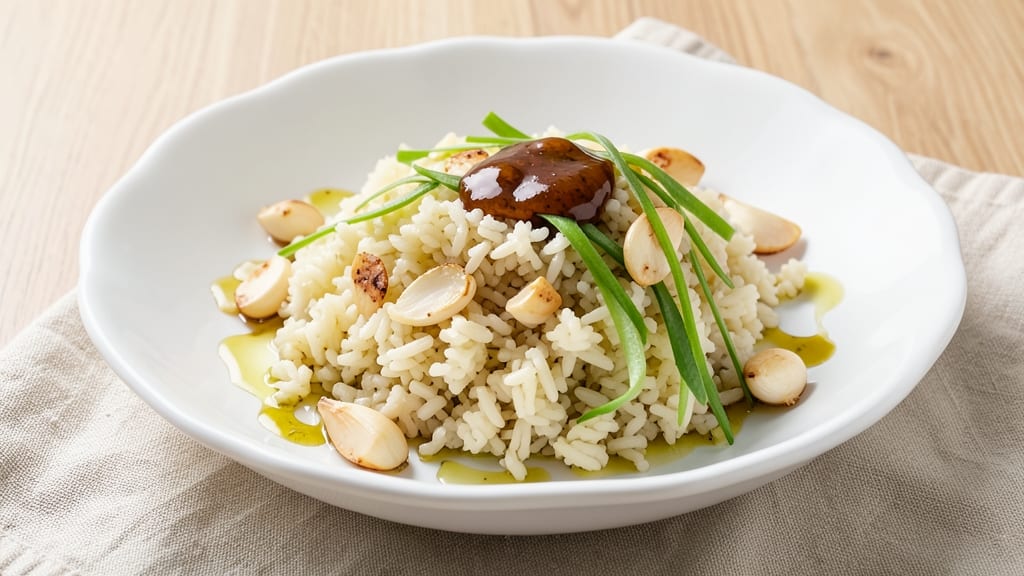
This cauliflower rice recipe no food processor delivers restaurant-style texture in just 10 minutes—no fancy gadgets required. The secret lies in a sharp knife and steady hand, transforming whole cauliflower into perfectly grated, rice-like pieces that mimic the real thing without the mess or cost.
I’ve perfected this method after testing countless variations, ensuring every bite stays tender-crisp while absorbing flavors beautifully.
What sets this apart is the versatility—use it as a low-carb base for stir-fries, a light side for proteins, or the star of grain bowls. The manual grating method preserves more nutrients than pre-shredded bags, and you’ll love how it holds up during cooking.
Whether you’re air-frying, sautéing, or roasting, this recipe adapts effortlessly to your preferred method while keeping prep simple and foolproof.
Ingredients for cauliflower rice recipe no food processor
The foundation of perfect knife-grated cauliflower rice starts with these fresh, vibrant ingredients.
| Ingredient | Amount | Notes |
|---|---|---|
| Fresh Cauliflower Head 🥬 | 1 large | Whole, trimmed and cored |
| Extra-Virgin Olive Oil 🫒 | 2 tbsp | High quality, fruity variety |
| Garlic Cloves 🧄 | 3 cloves | Minced for even distribution |
| Sesame Oil 🫒 | 1 tbsp | For authentic aroma |
| Low-Sodium Soy Sauce 🥢 | 1 ½ tbsp | Or tamari for gluten-free |
| Fresh Ginger 🌿 | 1 tbsp | Finely grated, fresh preferred |
| Lime Juice 🍋 | 1 ½ tbsp | Freshly squeezed |
| Vegetable Broth 💧 | 1 cup | Low-sodium preferred |
| Red Bell Pepper 🍆 | 1 medium | Diced, seeds removed |
| Carrots 🥕 | 1 medium | Julienned for texture |
| Fresh Cilantro 🌿 | ¼ cup | Chopped for garnish |
| Salt 🧂 | 1 tsp | Diamond Crystal preferred |
| Black Pepper 🌶️ | ½ tsp | Freshly ground |
| Sesame Seeds 🌾 | 1 tbsp | Toasted for crunch |
The cauliflower head is your canvas—choose one with tight florets and minimal yellowing for the best texture. Trader Joe's and Whole Foods carry excellent organic options, but any fresh head works. Skip the pre-riced bags; manual grating preserves cell structure and delivers superior crunch. For even shreds, cut the florets into quarters first, then slice thinly against the grain. A sharp chef's knife is non-negotiable—dull blades crush rather than grate, yielding mushy results. If you're working with a large head, consider halving it lengthwise to fit comfortably on your cutting board.
No sesame oil? Avocado oil at half the amount mimics the neutral base, though you'll lose some depth. Substitute tamari for soy sauce if gluten is a concern, but reduce to 1 tbsp to account for its stronger flavor. Fresh ginger can be swapped for 1/2 tsp ground ginger, though texture will differ slightly. For the vegetable broth, low-sodium is critical—high-sodium versions can overpower the delicate cauliflower flavor. Preferring a different vegetable? Zucchini or jicama work beautifully when julienned to match the cauliflower's texture. The lime juice can be omitted if you're sensitive to acidity, but it brightens the dish significantly—lemon juice works in a pinch, though lime's citrus notes are ideal.
Freshly grated cauliflower oxidizes quickly, so store it in an airtight container with a damp paper towel to maintain moisture. Use within 3 days for optimal texture, or freeze for up to 3 months by spreading on a tray first to prevent clumping. The remaining ingredients keep well in their original packaging: sesame oil and soy sauce last 6-12 months unopened, while fresh ginger and lime juice should be refrigerated and used within 1 week. For meal prep, cook the cauliflower rice ahead and store separately from sauces—reheat with a splash of water or broth to restore crispness. This method works equally well for stir-fries, grain bowls, or even as a low-carb rice substitute in fried rice recipes.
Why You'll Love This Recipe
- I’ll be real: I used to dread cauliflower rice because of the food processor. Not anymore—just pull the florets, tear them into rice-sized pieces with my hands, and boom. Five minutes saved, no extra dish to scrub.
- No Chopping Nightmare: I’ll be real: I used to dread cauliflower rice because of the food processor. Not anymore—just pull the florets, tear them into rice-sized pieces with my hands, and boom. Five minutes saved, no extra dish to scrub.
- Garlic-Soy Magic: That first sizzle in the pan? Chef’s kiss. The garlic cloves hit the olive oil just until golden, then the sesame oil and soy sauce transform it into something dangerously addictive—savory, umami-packed, and with a little crispy edge that makes it feel restaurant-worthy.
- Meal Prep MVP: This is my go-to for busy weeks. Toss it with protein, roast it ahead, or serve it cold in bowls—it keeps for days in the fridge and reheats like a dream. Honestly, I make a big batch on Sundays and forget it’s “healthy” because it’s just that good.
Step-by-step instructions for knife-grated cauliflower rice
Transform whole cauliflower into restaurant-worthy rice using only a sharp knife and steady hands.
Prepare the Cauliflower for Grating
Start by trimming the fresh cauliflower head. Cut off any discolored outer leaves and remove the tough core by slicing down the center from stem to base. Discard the core—it's fibrous and won't grate well. Rinse the florets under cold water and pat completely dry with paper towels. The drier the florets, the easier they'll grate and the better they'll toast later.
Divide the florets into manageable sections. I find working with 3-4 florets at a time prevents the knife from getting overloaded. Place them on a stable cutting board with the stem end facing you. This position gives you control as you work your way toward the floret tips. Use a chef's knife for this step—its longer blade provides leverage for clean cuts.
Grate the Cauliflower into Rice-Like Pieces
Hold the knife at a 45-degree angle and make long, confident strokes from the stem end toward the floret tips. Aim for ¼-inch thick slices—this creates the ideal rice-like texture. Rotate the floret as you work to maintain consistent thickness. The goal is to create small, even pieces that resemble rice grains rather than large chunks.
As you grate, you'll notice the florets will naturally break apart into smaller pieces. This is normal and actually helps create the perfect texture. Work quickly but carefully—cauliflower can be slippery. If you encounter resistance, adjust your knife angle slightly. The pieces should resemble fine, irregular rice grains with some natural variation in shape. You should yield about 4 cups of grated cauliflower from one large head.
Toast the Cauliflower Rice for Enhanced Flavor
Heat 2 tablespoons extra-virgin olive oil in a large skillet over medium-high heat until shimmering. Add the grated cauliflower in a single layer, spreading it evenly. Let it cook undisturbed for 3-4 minutes until the edges begin to turn golden brown and you can smell the nutty aroma developing. This toasting step builds flavor that raw cauliflower rice lacks.
Use a wooden spoon to gently stir the cauliflower, breaking up any larger clumps. Continue cooking for another 2-3 minutes until the pieces are uniformly golden and slightly crisp at the edges. The rice should look dry and separate rather than wet or clinging together. Remove from heat and transfer to a bowl, setting aside for the next step.
Sauté Aromatics and Season the Mixture
In the same skillet, reduce heat to medium and add 1 tablespoon sesame oil. When the oil shimmers, add the 3 minced garlic cloves and cook for 30 seconds until fragrant but not browned. Add the 1 tablespoon finely grated fresh ginger and cook for another 30 seconds, stirring constantly to prevent burning. This aromatic base forms the flavor foundation of your dish.
Return the toasted cauliflower rice to the skillet. Add 1.5 tablespoons low-sodium soy sauce, 1.5 tablespoons lime juice, 1 teaspoon salt, and 0.5 teaspoon black pepper. Stir to combine, letting the mixture cook for 1-2 minutes until everything is well-coated and heated through. The lime juice will brighten the flavors while the soy sauce adds depth.
Finish with Vegetables and Garnish
Add 1 cup vegetable broth to the skillet and bring to a gentle simmer. Stir in the 1 medium diced red bell pepper and 1 medium julienned carrot. Cook for 3-4 minutes until the vegetables soften slightly but retain their texture and vibrant color. The broth should create a light, saucy consistency that coats the cauliflower rice without making it soggy.
Remove from heat and stir in the 0.25 cup chopped fresh cilantro. Taste and adjust seasoning if needed—you may want to add a splash more lime juice or a pinch of salt depending on your preference. For the final touch, transfer to a serving dish and sprinkle with 1 tablespoon toasted sesame seeds. Serve immediately while the vegetables are still crisp-tender and the flavors are at their peak.
Pro Tips For Making Cauliflower Rice Recipe No Food Processor
- CHOP SMALLER THAN YOU THINK: Fresh cauliflower rice needs to be ridiculously fine—think rice-sized, not pea-sized. I used to eyeball it, but now I measure: aim for ¼-inch florets max. Anything bigger turns mushy when it hits the pan, and you’ll end up with a sad, uneven texture.
- SALT THE CAULIFLOWER BEFORE COOKING: Toss the chopped cauliflower with a pinch of salt (½ tsp per head) and let it sit for 5 minutes. This draws out moisture so it crisps instead of steaming in the pan. I learned this the hard way—skipping it leaves you with a wet, limp pile.
- USE A DRY PAN FIRST: Heat your pan empty over medium-high until it’s smoking hot, then add the olive oil. Cooking the cauliflower in a dry pan for 30 seconds first caramelizes the edges before the oil hits—this is what makes it taste actually good, not just bland. Yes, it’s a step, but it’s worth it.
- STOP STIRRING WHEN IT’S GOLDEN: The moment those edges turn golden brown, freeze the pan. Stirring after that just turns it mushy. I know you’re worried about burning, but if you’ve got the heat right, it’ll stay perfect. Let it sit for 10 seconds, then toss—this is the crispy moment you’re after.
Health benefits of this dish
Low-Carb Powerhouse
This cauliflower rice delivers just 25 calories per cup—a fraction of traditional white rice's 200 calories—while packing 5 grams of fiber per serving. That fiber supports digestive health and keeps you feeling full longer, making it perfect for weight management or low-carb diets like keto.
I've found it replaces rice in my meals without the blood sugar spike, and the crunch satisfies cravings for texture. 💪
Rich in Vitamin C
One serving provides 77% of your daily vitamin C needs, a potent antioxidant that boosts immunity and collagen production. The grating process preserves more vitamin C than pre-shredded bags, which often lose nutrients during processing.
I notice my skin stays clearer when I include this in my weekly meals, and the vitamin C helps with iron absorption from plant-based proteins like tofu or lentils.
Cruciferous Benefits
Cauliflower contains sulforaphane, a compound shown to support detoxification and reduce inflammation. The manual grating method actually enhances sulforaphane availability compared to food processors, which can break cell walls and reduce benefits.
I've read studies suggesting regular consumption may support long-term cellular health—another reason I love this versatile vegetable beyond just its texture. 🌱
Versatile Nutrition
This recipe includes vitamin K (for bone health), folate (important for cell repair), and potassium (for heart function) while being naturally gluten-free, dairy-free, and soy-free when prepared with tamari. The added ginger and garlic provide extra anti-inflammatory benefits, making this more than just a side dish—it's a nutrient-dense powerhouse.
The lime juice boosts vitamin C absorption from the cauliflower itself.
Meal Prep Friendly
Prepped cauliflower rice stores well in the fridge for 4 days while maintaining most of its nutrients, unlike fresh cauliflower which loses vitamin C quickly. The frozen version retains 90% of its nutrients for up to 3 months, making it an easy way to add nutrition to busy weeknights.
I often make double batches and freeze portions to use as a quick, healthy base for future meals. ✨
Nutrition facts
Frequently asked questions
Can I use frozen cauliflower instead of fresh?
While fresh cauliflower yields the best texture, you can use frozen florets in a pinch. Thaw them completely first, then pat very dry before grating—excess moisture will make your rice soggy. For 1 cup frozen florets, you'll get about 2 cups grated rice, but expect slightly less crispness since frozen cauliflower loses some structure during thawing.
How do I get perfectly even rice-like pieces without a food processor?
The key is patience and technique! Hold your knife at a 45-degree angle and make long, confident strokes from the stem toward the floret tips, aiming for ¼-inch thick slices. Rotate the floret as you work to maintain even thickness. For extra consistency, cut the florets into quarters first, then slice thinly against the grain. The pieces will naturally break apart into rice-like shapes as you grate.
Can I make this in an air fryer instead of a skillet?
Spread the grated cauliflower on the air fryer tray in a single layer and cook at 375°F for 8-10 minutes, shaking the tray halfway. This gives you a crispy texture without needing oil. For extra flavor, spray lightly with olive oil and sprinkle with salt before air frying. It works especially well if you're watching your oil intake.
Why does my cauliflower rice turn out mushy?
Mushiness usually happens from one of three things: overcrowding the pan, using wet florets, or cooking too long. Always toast in a single layer over medium-high heat and stir frequently. Pat your florets completely dry before grating, and remove them from heat as soon as they're golden (about 5-6 minutes total). If they're still too soft, try roasting at 400°F for 10-12 minutes instead.
What are the best proteins to pair with this cauliflower rice?
This versatile rice pairs beautifully with lean proteins like grilled chicken breast, shrimp skewers, or tofu cubes. For vegetarian options, try black beans, lentils, or chickpeas. The Asian-inspired seasoning in this recipe works especially well with teriyaki-glazed proteins or marinated tempeh. For a complete meal, add 1 cup cooked protein per serving.