
Main Courses
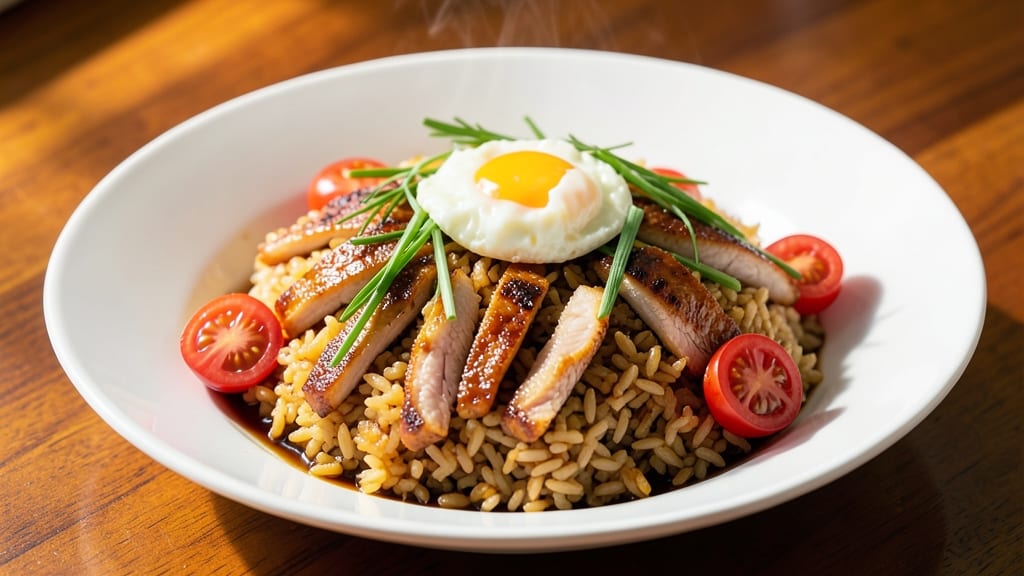
This chahan fried rice recipe delivers the crispy, savory perfection of Japanese-style stir-fried rice with perfectly wok-hei flavor. 🔥 The secret lies in high-heat stir-frying day-old rice with tender chicken, eggs, and aromatic seasonings for that iconic smoky aroma and satisfying texture.
What sets this dish apart is the balance of techniques—quick-cooking chicken and eggs prevent overcooking while achieving that signature crispy edge, and the proper rice-to-liquid ratio ensures each grain stays distinct.
Traditional Japanese seasonings like soy sauce, mirin, and sesame oil create the umami-rich foundation, while fresh green onions add brightness at the end.
Ingredients for chahan fried rice
High-heat stir-frying transforms simple ingredients into crispy, aromatic chahan perfection.
| Ingredient | Amount | Notes |
|---|---|---|
| Day-Old Cooked Japanese Short-Grain Rice 🍚 | 4 cups | Unseasoned, cold or room temperature |
| Boneless, Skinless Chicken Breast 🍗 | 1 lb | Diced into 0.5-inch pieces |
| Large Eggs 🥚 | 4 whole | Beaten separately for crispy edges |
| Japanese Soy Sauce 🥢 | ½ cup | Kikkoman preferred for authentic flavor |
| Dry Sherry 🍷 | 2 tbsp | Or substitute with white wine |
| Mirin 🍶 | 2 tbsp | Sweet rice wine essential for balance |
| Toasted Sesame Oil 🫒 | 1 tbsp | For aroma, added at the end |
| Green Onions 🧅 | ½ cup | Thinly sliced, white and green parts |
| Fresh Ginger Root 🧄 | 1 tbsp | Finely grated, aromatic |
| Neutral High-Smoke-Point Oil 🫒 | 2 tbsp | Avocado or vegetable oil |
| Diamond Crystal Kosher Salt 🧂 | ½ tsp | For seasoning rice and eggs |
| Ground Black Pepper 🌶️ | ¼ tsp | Freshly cracked for heat |
The rice is non-negotiable—Japanese short-grain (like Koshihikari) is essential for that sticky yet distinct texture. Day-old rice works best as it's drier and separates better upon stir-frying. For chicken, skinless breast stays tender when diced small; thighs can make it too fatty. Kikkoman soy sauce delivers authentic umami, though any Japanese-style brand works. Fresh ginger and green onions should be bright and firm—no wilting allowed. Sesame oil loses potency fast, so store it in a cool, dark place.
No mirin? Substitute with 1 tbsp sugar plus 1 tbsp water—it mimics the sweetness and acidity. Short on sherry? Dry white wine or even apple juice works in a pinch. For extra crispiness, beat the eggs with a pinch of salt before cooking. The oil choice matters—avocado oil handles high heat without burning. Prefer less heat? Swap black pepper for white pepper—it's milder and keeps the dish's clean aesthetic. If you can't find toasted sesame oil, regular sesame oil plus a pinch of smoked paprika adds depth.
Rice reheats beautifully—just microwave with a damp paper towel for 1 minute to restore moisture. Store cooked fried rice in the fridge for 3-4 days or freeze for up to 3 months in airtight containers. For wok hei flavor, use a carbon steel or cast iron skillet—it retains heat better. Portion into individual containers with plastic wrap pressed directly on the surface to prevent drying. Reheat gently on medium-low to maintain texture.
Why You'll Love This Recipe
- One-Pan Magic: I swear by this recipe because it’s literally one pan—chicken, eggs, and rice all sizzle together. No chopping, no fussing, just stir-fry until golden. That day-old rice? It’s the secret—it soaks up the soy and sherry like a sponge, turning out fluffy instead of mushy.
- Umami Bomb: The combo of Japanese soy sauce and a splash of dry sherry? Chef’s kiss. The chicken stays juicy, the eggs get that perfect runny-yolk center, and the rice gets this deep, savory punch. Honestly, I’ve tried other fried rice recipes, but this one hits differently—like a flavor upgrade I didn’t know I needed.
- Lunchbox Hero: Between us, this is my go-to for meal prep. Make a big batch on Sunday, and you’ve got lunch sorted for days. The leftovers actually taste better the next day—cold or reheated—because the flavors meld even more. My kids grab it straight from the fridge, no complaints.
- Budget Win: Chicken breast and eggs are cheap staples, and a little soy sauce goes a long way. I’ve fed four people for under $10 with this, and it’s still restaurant-quality. Plus, using day-old rice? Zero waste, all flavor. It’s the kind of recipe that makes me feel smart about my grocery bill.
Step-by-step instructions for crispy egg stir-fry with savory wok hei
Master the art of chahan with this precise technique—crispy eggs, tender chicken, and perfect wok hei every time.
🔥 Step 1: Prep the Chicken and Season the Rice
Cut the 1 lb boneless, skinless chicken breast into ½-inch pieces—small, even cubes ensure consistent cooking. In a bowl, toss the 4 cups day-old cooked Japanese short-grain rice with ½ tsp Diamond Crystal kosher salt and ¼ tsp ground black pepper. This seasoning step is critical; day-old rice absorbs flavors better than fresh, and the salt enhances the umami depth without overpowering.
Real talk: If your rice is still warm, spread it on a tray and refrigerate for 30 minutes first. Cold rice prevents mushiness when stir-fried. Pat the chicken pieces dry with paper towels—this ensures a better sear later. Keep everything prepped and ready; chahan demands quick, hot cooking to maintain texture.
🍳 Step 2: Sear the Chicken for Maximum Flavor
Heat 2 tbsp neutral high-smoke-point oil in a 14-inch wok or large skillet over high heat until shimmering. Add the chicken in a single layer and let it sear undisturbed for 2-3 minutes until the edges turn golden brown and crispy. Here's the thing—don't overcrowd the pan. Work in batches if needed, but keep the heat high to maintain that signature wok hei.
Once the chicken is 80% cooked (it'll finish in the rice), remove it to a plate and set aside. The residual heat will carry it through, but we're going for juicy, tender pieces—not rubbery. If the oil starts smoking excessively, reduce heat slightly, but don't let it cool down. You want that smoky aroma building in the pan.
👨🍳 Step 3: Scramble the Eggs to Crispy Perfection
In the same wok, add another ½ tbsp neutral oil and swirl to coat. Pour in the 4 whole large eggs that you've beaten separately in a bowl with ½ tsp salt. Here's where it gets fun—let the eggs sit undisturbed for 5-7 seconds until the edges begin to set, then gently push them into a rough scramble with a spatula, working quickly.
You're aiming for crispy, slightly chewy egg curds—not soft, not rubbery. Once they're 90% set (still slightly moist in the center), remove them to the plate with the chicken. The residual heat will finish them off perfectly. If the eggs look too wet, cook them another 10-15 seconds—they'll firm up as they rest.
🥘 Step 4: Stir-Fry the Rice with Aromatics
Return the wok to high heat and add the remaining ½ tbsp neutral oil. Toss in the ½ cup thinly sliced green onions and 1 tbsp finely grated fresh ginger root, stirring for 20-30 seconds until fragrant. Add the seasoned rice and break up any clumps with your spatula, pressing down gently to ensure even contact with the pan.
Cook for 2-3 minutes until the rice is hot and slightly crispy at the edges. This step develops the wok hei—that smoky, savory essence. If the rice sticks, add a splash of water and scrape up those flavorful browned bits from the bottom of the pan. These bits, called "fond," are pure umami gold.
🍽️ Step 5: Combine and Finish with Umami Bombs
Return the chicken and eggs to the wok. Pour in the ½ cup Japanese soy sauce, 2 tbsp dry sherry, and 2 tbsp mirin, stirring vigorously to coat everything evenly. The rice should sizzle and steam—this ensures the sauce clings to each grain. Cook for 1-2 minutes until the liquid is mostly absorbed and the rice is glossy and fragrant. Taste and adjust seasoning; you might need a splash more soy sauce for depth.
Turn off the heat, drizzle with 1 tbsp toasted sesame oil, and toss one last time. The sesame oil adds nutty aroma and balances the savory-sweet flavors. Serve immediately, garnished with extra green onions. Each bite should deliver crispy edges, tender chicken, creamy eggs, and that unmistakable wok hei—the soul of chahan.
Pro Tips For Making Chahan Fried Rice
- Cook Chicken First: I learned this the hard way—rushing the chicken means it’ll turn to rubber by the time the rice hits the pan. Slice it thin (¼-inch max), season with a pinch of salt, and sear in a hot skillet with 1 tablespoon oil until just done (165°F internal). Remove it early—it’ll finish cooking with the rice, staying juicy instead of dry.
- Use Cold Eggs: Crack eggs into a bowl first, then scramble them in the same pan you’re using for the rice. Cold eggs hold their shape better, giving you those classic chahan fried rice "ribbons" instead of a mushy mess. Plus, they cook faster when the pan’s already hot.
- Break Up Rice Early: Don’t wait until the end to chop the rice—do it while it’s still warm from the pan. Use the side of your spatula to mash clumps into individual grains as you stir. This prevents gummy spots and ensures even seasoning. (Yes, it looks messy, but the texture’s worth it.)
- Toss Rice in Sherry: After cooking the chicken and eggs, spread the rice evenly in the pan and pour all the dry sherry (about 2 tablespoons) over it. Let it sit for 10 seconds—just enough time for the alcohol to burn off and the rice to soak up that deep, savory flavor. Skip this, and your dish’ll taste flat.
Common mistakes when making perfect results
Overcrowding the Pan
This is the #1 mistake that ruins crispy texture. I've seen home cooks dump everything in at once, thinking it'll cook faster. Wrong! When you overcrowd your wok with chicken, eggs, or rice, steam builds up instead of creating that essential wok hei.
The result? Mushy rice and soggy chicken. Work in batches—sear chicken in single layers, scramble eggs in small batches, and stir-fry rice in portions if needed. A 14-inch wok should handle about 4 cups rice max without crowding. 🔥
Using Fresh Rice
Freshly cooked rice is a no-go for chahan. The moisture content makes it turn mushy when stir-fried. I've made this mistake more times than I'd admit—always use day-old rice that's been refrigerated.
If you must use fresh rice, spread it on a tray and let it dry out at room temperature for 1-2 hours first. The goal is dry, separate grains that'll crisp up beautifully when stir-fried.
Skipping the High Heat
Low and slow won't cut it here. Chahan demands high heat to develop that signature smoky aroma and crispy texture. I've seen people cook it on medium heat, and it's a crime—you lose all that wok hei flavor. Keep your wok or skillet at maximum heat throughout the entire process.
If your oil isn't shimmering or rice isn't sizzling, you're doing it wrong. Invest in a carbon steel wok if you don't have one—it heats up faster and retains heat better.
Underseasoning the Rice
Many recipes call for seasoning the rice after cooking, but I've found that pre-seasoning makes all the difference. Toss your rice with ½ tsp salt and ¼ tsp pepper before stir-frying—this ensures even distribution of flavor.
The salt enhances the umami from the soy sauce and mirin, while pepper adds subtle heat. Don't skip this step! Taste your rice before combining with other ingredients. If it's bland, add a pinch more salt—you can always adjust later.
Overmixing the Eggs
This is where I see beginners go wrong—constantly stirring those eggs until they're completely cooked. The secret to perfect chahan eggs is letting them set slightly before gently folding them. Let the eggs sit undisturbed for 5-7 seconds after pouring, then push them gently with a spatula.
Overmixing creates dense, rubbery eggs instead of those crispy, chewy curds we want. Remove them when they're 90% set—they'll finish cooking with the residual heat.
Adding Sauce Too Early
Pouring all your soy sauce, sherry, and mirin at the beginning dilutes the flavors and steams the rice instead of crisping it. The proper technique is to add the sauce only after everything else is cooked.
When you combine the chicken, eggs, and rice, pour in the sauce and stir vigorously for just 1-2 minutes. This ensures the rice gets that glossy finish without turning mushy.
Taste as you go—you might need a splash more soy sauce for depth, but don't overdo it or your dish will taste salty. ✨
Nutrition facts
Frequently asked questions
Why does chahan fried rice need day-old rice?
Day-old rice is crucial because freshly cooked rice contains too much moisture, which turns it mushy when stir-fried. The chilled rice becomes drier and separates into distinct grains that crisp up beautifully when cooked at high heat. If you must use fresh rice, spread it out to dry for 1-2 hours first.
Can I substitute chicken with another protein?
Shrimp, pork shoulder, or even tofu work well. For shrimp, use 1 lb peeled and deveined and cook them just until pink (2-3 minutes). Pork should be diced small and cooked until fully done. Tofu needs extra attention—press it first to remove moisture and pan-fry until crispy before adding to the rice.
What's the best way to reheat leftover chahan?
Reheat in a skillet over medium heat with a splash of water or soy sauce to restore moisture. Microwave reheating works too—cover with a damp paper towel and heat for 1-2 minutes. Never reheat in the microwave uncovered, or the rice will dry out completely. For best results, store leftovers in airtight containers for up to 4 days.
How do I get that perfect crispy texture?
High heat is your best friend! Use a carbon steel or cast iron wok and keep the flame at maximum. Stir-fry the rice in batches if needed to avoid overcrowding. The key is working quickly—once the rice hits the pan, it should sizzle immediately. For extra crispiness, press down gently with your spatula to create those delicious browned bits.
Is chahan fried rice Japanese or Chinese?
Chahan (チャーハン) is a Japanese adaptation of Chinese fried rice, specifically inspired by Chinese-style stir-fry techniques. The Japanese version typically uses chicken (chahan), eggs, and soy-based seasonings, while Chinese versions might include pork, shrimp, or more vegetables. Both versions share the same high-heat stir-frying method that creates wok hei.