
Main Courses
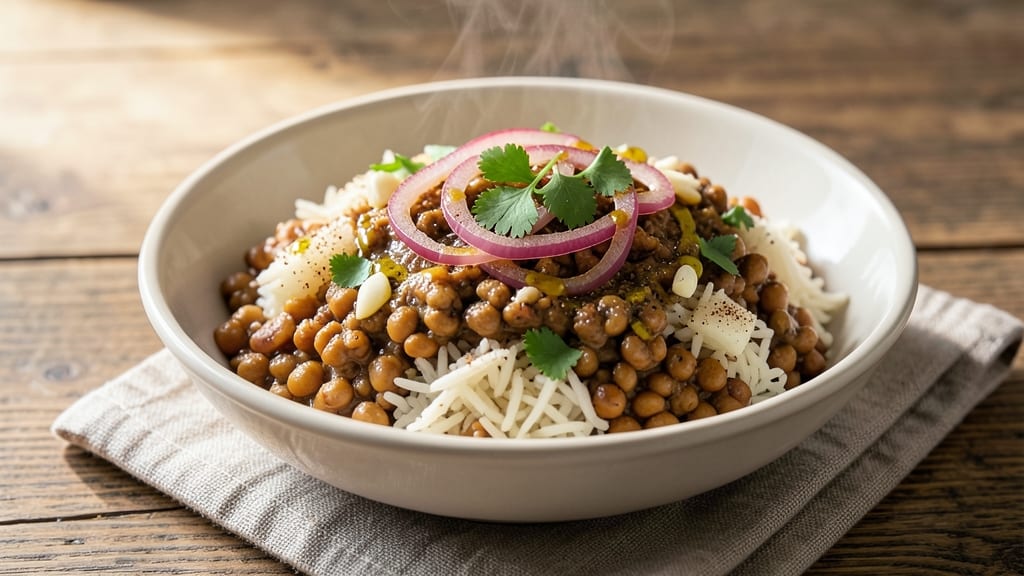
This chana dal and rice recipe delivers hearty, protein-rich comfort in every bowl, blending tender lentils with fragrant basmati for a balanced, vegan meal.
The key lies in soaking the dal properly to reduce cooking time and enhance texture, while whole spices toasted in ghee create layers of aromatic warmth that transform simple ingredients into something extraordinary.
What sets this dish apart is its simplicity—just a handful of pantry staples come together to create a satisfying, one-pot meal that's both nourishing and deeply flavorful.
The dal softens into creamy perfection while the rice absorbs the spiced broth, resulting in a harmonious blend where each bite delivers both protein and comfort. Perfect for weeknight dinners or meal prep, this recipe proves wholesome eating can be effortless and delicious.
Ingredients for chana dal and rice
Pantry staples meet aromatic spices for a vegan meal that's both comforting and protein-rich.
| Ingredient | Amount | Notes |
|---|---|---|
| Chana Dal (Split Chickpeas) 🌾 | 1 ½ cups | Rinsed and soaked 1 hour |
| Basmati Rice 🍚 | 1 cup | Long-grain, uncooked |
| Yellow Onions 🧅 | 1 whole | Medium, finely chopped |
| Garlic Cloves 🧄 | 4 cloves | Freshly minced |
| Ginger Root 🌿 | 1 tbsp | Freshly grated |
| Cumin Seeds 🌶️ | 1 tbsp | Whole, toasted |
| Coriander Seeds 🌿 | 1 tbsp | Whole, toasted |
| Turmeric Powder 🌶️ | ½ tsp | Freshly ground preferred |
| Garam Masala 🍃 | 1 tsp | Store-bought blend |
| Vegetable Oil 🫒 | ½ cup | Refined or coconut oil |
| Salt 🧂 | 1 tsp | Adjust to taste |
| Fresh Cilantro 🌿 | ¼ cup | Chopped, for garnish |
| Lemon Juice 🍋 | 1 tbsp | Freshly squeezed |
The dal is the heart of this dish, so choose split chickpeas labeled as chana dal—avoid whole chickpeas or canned, which alter texture. Whole Foods or Indian grocery stores carry the best quality, but regular supermarkets usually stock it too. For the spices, toast whole cumin and coriander seeds in a dry pan until fragrant—this unlocks deeper flavor. Fresh ginger and garlic are non-negotiable; frozen works in a pinch but lacks brightness. The basmati rice should be long-grain and uncooked, with grains that are plump and separate when dry.
No cumin seeds? Ground cumin at half the amount works, but toasting whole seeds is ideal. Substitute garam masala with a mix of cinnamon, cardamom, and cloves if unavailable. For oil, coconut oil adds subtle sweetness, while refined vegetable oil keeps a neutral profile. The lemon juice can be bottled, but freshly squeezed brightens the dish. If you're short on time, skip soaking the dal—just add 15 extra minutes to cooking time. The onions can be swapped for shallots for a milder flavor, and cilantro can be omitted if you dislike its taste.
Store cooked dal in an airtight container for 4-5 days in the fridge, or freeze for up to 3 months. The rice reheats beautifully—just add a splash of water and steam it. For meal prep, cook the dal and rice separately, then combine when ready to serve. The flavors actually improve overnight as the spices meld. If making for a crowd, double the spices—they distribute throughout the dish. Always taste before serving; adjust salt and lemon to preference.
Why You'll Love This Recipe
- No-Chop Night Saved: I swear by this—just soak the chana dal for 15 minutes, dump it in with the onions and garlic, and let the pressure cooker do the work. The rice cooks while the dal simmers; honestly, I’ve made this while scrolling through my phone.
- Umami Bomb Combo: That toasted ginger and garlic? It’s the secret. The dal gets this deep, nutty richness from the onions caramelizing, while the basmati stays light and fluffy—like a hug for your taste buds (yes, even on a Tuesday night).
- Lunchbox Legend: Between us, this is my go-to for packed lunches. The dal keeps well for days, and the rice stays separate until reheated—no soggy mess. My kids actually ask for it, and that’s saying something.
- Pantry Magic: Four ingredients, zero guilt. Chana dal is dirt cheap, and a single bag lasts me weeks. I make this when I’m broke or when I’m not, because it’s that reliable. Leftovers? Even better the next day.
Step-by-step instructions for chana dal and rice
This method delivers perfectly balanced spiced lentils and fragrant basmati rice every time.
Prepare the Chana Dal
Drain the soaked 1.5 cups chana dal and rinse thoroughly under cold water. In a medium pot, combine the drained dal with 2 cups water (double the dal quantity), the 1 whole yellow onion chopped into small pieces, 4 cloves garlic minced, and 1 tbsp ginger root freshly grated. Bring to a boil over medium-high heat.
Once boiling, reduce heat to medium-low and add the 1 tbsp cumin seeds and 1 tbsp coriander seeds. Let the spices toast for 30 seconds until fragrant - you'll smell their warm, earthy aroma. Then add 0.5 tsp turmeric powder and 1 tsp salt, stirring well to combine. The dal should simmer gently, with small bubbles breaking the surface.
Cook the Dal Until Tender
Cover the pot and simmer for 25-30 minutes until the dal is tender but still holds its shape when pressed between fingers. Stir occasionally to prevent sticking, adding ½ cup water if the dal becomes too thick. The texture should be creamy yet distinct - each lentil should be soft but not mushy.
In the last 5 minutes of cooking, add the 1 tsp garam masala, stirring well to distribute the warm spices throughout. Remove from heat and let it sit covered for 5 minutes to allow the flavors to meld. This resting period is crucial for developing the dish's rich, aromatic character.
Prepare the Basmati Rice
While the dal cooks, rinse the 1 cup basmati rice thoroughly under cold water until the water runs clear. In a separate pot, combine the rice with 2 cups water (double the rice quantity) and bring to a boil over medium-high heat. Once boiling, reduce heat to low, cover tightly with a lid, and cook for 12-15 minutes.
Do not lift the lid during cooking - the steam is essential for creating those signature separate grains. When the rice is tender and the water has been absorbed, remove from heat and let it steam covered for an additional 5 minutes. Fluff gently with a fork before serving to separate the grains.
Combine and Finish
Gently stir the cooked dal and adjust seasoning if needed. In a serving bowl, combine the dal with the fluffed basmati rice. Drizzle with 1 tbsp lemon juice and garnish with 0.25 cup chopped fresh cilantro. The acidity of the lemon brightens the dish, while the cilantro adds a fresh contrast to the warm spices.
Serve immediately while hot, allowing each person to mix their portion of rice and dal to their preferred consistency. The combination should deliver a harmonious balance of creamy lentils and fluffy basmati, with each bite offering layers of warm spice and fresh herb notes.
Pro Tips For Making Chana Dal And Rice
- SOAK CHANA DAL 20 MINUTES: I used to skip this, but 20 minutes in warm water softens the dal just enough to prevent it from turning mushy later—especially when you’re adding onions and spices. Skip this, and you’ll end up with a gluey mess instead of that perfect, separate-but-tender texture.
- TOAST DAL UNTIL GOLDEN: High heat is your friend here—crank the stove to medium-high and stir constantly until the dal turns a rich golden color. That’s when the nuttiness deepens and the dish gains real depth. I learned this the hard way after making bland dal for years.
- SALT RICE WATER LATE: Add salt only after the water boils and rice starts cooking—otherwise, the outer layers will harden too fast. I know it’s tempting to season early, but this guarantees fluffy, evenly cooked grains every time.
- SAUTÉ ONIONS LOW AND SLOW: Yellow onions caramelize best at low heat—about 10 minutes on medium-low until soft and translucent, not browned. Rushing this step makes the dal taste flat; patience here pays off with sweet, rich flavor. (Yes, even if you’re impatient like me.)
Regional styles of this chana dal and rice
North Indian Style
In North India, this dish is often called dal chawal and takes on a heartier profile. I love adding 1 tbsp ghee to the tempering spices for extra richness—just heat the ghee until it sizzles, then add the cumin and coriander seeds.
The dal is cooked with 1 tomato finely chopped and ½ tsp red chili powder for a deeper color and subtle heat. Serve with pickled onions on the side for that tangy crunch. 🌶️
South Indian Adaptation
South Indian homes transform this into a sambar-style dal, where the rice is often replaced with idli/dosa batter for fermented fluffiness. I add 1 cup mixed vegetables (carrots, drumsticks, and potatoes) to the dal along with 1 tsp asafoetida (hing) for that signature umami punch.
The rice is cooked separately and served with a side of coconut chutney to balance the spice. This version is lighter but equally satisfying.
Bengali Influence
Bengali cuisine brings a mustard oil twist—heat 2 tbsp mustard oil until it's just shy of smoking, then add the spices. The dal is often made with 1 tsp fennel seeds along with the cumin and coriander for a unique anise-like flavor.
Serve with steamed rice and a side of begun bhaja (fried eggplant) for a crispy contrast. The mustard oil adds a bold, nutty depth that's unmistakably Bengali. 💛
Punjabi Comfort
Punjabis take this dish to the next level with extra ghee and a hearty tempering—I add 1 tsp black pepper and ½ tsp cinnamon to the spice mix for warmth.
The dal is often cooked with 1 small potato for extra heartiness, and the rice is served with a side of raita (yogurt with cucumber and mint). This version is perfect for cold weather and feels like a hug in a bowl.
Modern Fusion Twist
For a contemporary take, I blend the dal with ½ cup coconut milk at the end for creaminess, then top with toasted cashews and lime zest. Serve over jasmine rice instead of basmati for a fragrant twist.
This version works beautifully as a vegan meal prep dish—just store components separately and assemble when ready. The coconut milk adds a subtle sweetness that balances the spices perfectly. ✨
Nutrition facts
Frequently asked questions
Can I substitute chana dal with other lentils?
Yes, but texture and flavor will change. For a similar result, use masoor dal (red lentils)—they cook faster and become creamier. Toor dal (split pigeon peas) works too but stays firmer. Avoid whole chickpeas or canned beans—they won’t soften properly. Adjust cooking time based on the lentil type.
How do I make this dish oil-free for a healthier version?
Skip the vegetable oil entirely and use water or broth for cooking. For tempering, toast spices in a dry pot until fragrant, then add them directly to the dal. You can also use 1 tsp coconut oil per serving> if you prefer a neutral flavor without full-fat oil. The dish will still be flavorful and satisfying!
Why did my dal turn out too thick or too thin?
Thick dal? Add ½ cup water> and simmer uncovered for 5 minutes>. Too thin? Cook uncovered on medium heat> until the liquid reduces. The key is consistency—dal should be creamy but not watery. Stir occasionally to prevent sticking, and taste as you go. Adjust seasoning after cooking for the best balance.
Can I make this a one-pot meal instead of cooking rice separately?
After cooking the dal, add the rinsed rice and 1 extra cup water> to the same pot. Simmer covered for 15 minutes> on low heat, then let it rest for 5 minutes> off the heat. The rice will absorb the dal’s flavors, creating a cohesive dish. For best results, use a heavy-bottomed pot to prevent burning.
What’s the best way to store leftovers?
Store cooked dal and rice separately in airtight containers> in the fridge for 4-5 days>. To reheat, add 2 tbsp water> per serving, cover, and warm on low heat> until hot. For freezing, portion the dal and rice separately—they reheat better that way. Avoid freezing with lemon juice, as it can make the dal mushy upon thawing.