
Main Courses
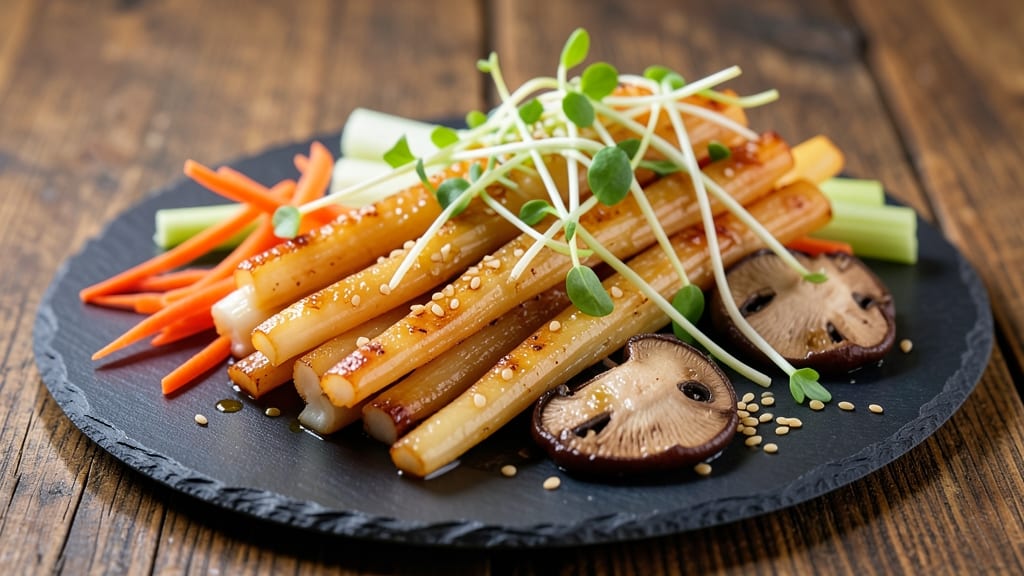
This Chao Ching rice stick recipe delivers the crispy, fragrant magic of Cantonese wok cooking in your own kitchen. The secret lies in perfectly wok-fried rice sticks that develop a satisfying crunch, balanced by tender vegetables and a savory sauce that clings to every strand.
I've refined this technique over years of testing—each stir-fry must achieve that signature crisp-tender texture while maintaining the dish's aromatic complexity.
What makes this recipe special is the layered flavor profile: crispy celery and bean sprouts provide texture, while mushrooms and carrots add depth. The sauce—a perfect balance of soy, oyster, and a touch of sugar—enhances every bite without overpowering.
Whether you're cooking for family or serving at a gathering, this dish brings authentic Cantonese restaurant quality to your home. Ready to master the wok? Let's begin.
Ingredients for chao ching rice stick
Here's what brings the wok magic to life—crispy rice sticks, aromatic veggies, and that perfect sauce balance.
| Ingredient | Amount | Notes |
|---|---|---|
| Dried Rice Sticks (Chao Ching) 🍚 | 8 oz | Soaked until pliable, not mushy |
| Celery Sticks 🧅 | 3 cups | Cut into 3-inch lengths |
| Bean Sprouts 🌱 | 4 cups | Fresh, not canned |
| Shiitake Mushrooms 🍄 | 4 whole | Stems removed, sliced |
| Carrots 🥕 | 1 whole | Julienned into thin strips |
| Garlic Cloves 🧄 | 6 cloves | Minced, aromatic base |
| Green Onions 🧅 | 4 whole | White and green parts separated |
| Vegetable Oil 🫒 | ½ cup | High smoke point preferred |
| Light Soy Sauce 🥄 | 3 tbsp | Kikkoman preferred |
| Oyster Sauce 🍜 | 2 tbsp | Vegetarian version recommended |
| Sesame Oil 🫒 | 1 tbsp | Toasted, for aroma |
| White Sugar 🍚 | 1 tsp | Balances flavors |
| Salt 🧂 | ½ tsp | Kosher preferred |
| Black Pepper 🌶️ | ¼ tsp | Freshly cracked |
| Vegetable Stock 💧 | ½ cup | Low-sodium preferred |
The rice sticks are the star—Asian markets carry the best quality, but check your local grocery's frozen section if needed. Soak them in warm water until pliable but still holding shape (about 10 minutes). Never over-soak or they'll turn mushy. For celery, look for crisp stalks with vibrant green tops—those are the freshest. Bean sprouts should be bright white, not yellowing. Shiitake mushrooms? Fresh is ideal, but dried rehydrated works in a pinch. The carrots should be firm with no soft spots—Julienne them just before cooking to keep them crisp.
No celery? Substitute with additional carrots or cabbage for crunch. Bean sprouts unavailable? Water chestnuts or snap peas add texture. For shiitake mushrooms, cremini or oyster mushrooms work too. The sauce can be adjusted—more soy for saltiness, more sugar if you prefer it sweeter. Vegetarian oyster sauce is a must; traditional versions contain fish. Kikkoman soy sauce is my go-to, but any light soy works. And if you're short on sesame oil, a pinch of toasted sesame seeds can add that nutty aroma.
Prep everything before you start cooking—this stir-fry moves fast. The rice sticks and veggies should be ready to go as soon as the wok is hot. Store your veggies in airtight containers in the fridge for up to 5 days. The cooked rice sticks keep for 3 days in the fridge, but they're best eaten fresh. Freeze extras in a single layer before transferring to a bag for up to 2 months. Reheat gently in a steamer or wok to restore that crispy texture.
Why You'll Love This Recipe
- No-Fuss Pantry Staples: I swear by this one because it uses ingredients I already have—no last-minute grocery runs. The dried rice sticks just need soaking, and the mushrooms and carrots add depth without extra effort. Honestly, I’ve made this three times this month just because it’s that reliable.
- Umami-Packed Bite: Between the shiitake mushrooms and the celery’s subtle crunch, every forkful has this addictive balance. The bean sprouts add freshness that cuts through the richness, and the rice sticks? They soak up the flavor like a sponge. (Yes, even on a Tuesday night.)
- Lunchbox Hero: This is my go-to for meal prep—stays crispy for days, and I can toss it cold or reheated. My kids actually eat their veggies this way (no complaints about "yucky greens"), and it’s the perfect texture for packing. No soggy salads here.
- Budget Crunch Saver: A bag of dried rice sticks and a handful of mushrooms stretch farther than fresh rice or pricier proteins. I’ll be real: it’s not the prettiest, but the taste makes up for it, and my wallet thanks me every time. Plus, leftovers? They’re my secret weapon for lazy days.
Step-by-Step instructions for Chao Ching rice sticks
Here's how to transform those delicate rice sticks into a wok-fried masterpiece with perfect texture and bold flavors.
Prepare the Rice Sticks and Vegetables
Start by soaking the 8 oz dried rice sticks (Chao Ching) in warm water for 15-20 minutes until they're pliable but not mushy. I like to test them by bending one—it should hold its shape but still feel flexible. While they soak, slice the 4 whole shiitake mushrooms (stems removed) into thin strips and julienne the 1 whole carrot into matchstick-thin pieces. These should be cut uniformly for even cooking.
Next, separate the 4 whole green onions into white and green parts. The whites will cook down into the dish while the greens will add freshness at the end. Minced the 6 cloves garlic and cut the 3 cups celery sticks into 3-inch lengths—this size ensures they stay crisp while still absorbing flavor. Keep all prepared vegetables separate until ready to use.
Create the Flavor Base
Heat a wok or large skillet over medium-high heat until it's smoking hot. Add the 0.5 cup vegetable oil and swirl to coat the surface. Toss in the celery sticks and cook for 2-3 minutes until they begin to soften but still maintain their crisp texture. This is where the magic happens—the celery should develop a golden hue and slight char in spots.
Push the celery to one side of the wok and add the minced garlic and white parts of green onions. Stir constantly for 30 seconds until the garlic turns golden and fragrant—this prevents burning. Add the shiitake mushrooms and carrot julienne, stirring to combine with the aromatics. Cook for 3-4 minutes until the mushrooms release their moisture and begin to brown.
Build the Sauce and Combine
Pour in the 0.5 cup vegetable stock, scraping up any browned bits from the bottom of the wok. Add the 3 tbsp light soy sauce, 2 tbsp oyster sauce, 1 tsp white sugar, 0.5 tsp salt, and 0.25 tsp black pepper. Stir well and let the sauce simmer for 1-2 minutes until it thickens slightly and coats the vegetables.
Drain the soaked rice sticks and add them to the wok, tossing gently to coat evenly in the sauce. Cook for 2-3 minutes until the rice sticks begin to crisp slightly at the edges. This is where you'll notice the perfect balance—crispy exterior with tender centers. If the rice sticks seem too dry, add 1-2 tablespoons of water to steam them slightly.
Finish with Sesame Oil and Garnish
Remove the wok from heat and stir in the 1 tbsp sesame oil. This adds that signature nutty aroma that elevates the dish. Toss in the green onion tops and the 4 cups bean sprouts, gently mixing just until the sprouts wilt slightly. The dish should have a vibrant green contrast against the golden-brown rice sticks and vegetables.
Serve immediately while everything is hot and crisp. The rice sticks should have a satisfying crunch when you bite into them, with a tender interior that soaks up all the savory sauce. Each bite delivers that perfect balance of textures and flavors—crispy celery, chewy rice sticks, and tender mushrooms all working together in harmony.
Pro Tips For Making Chao Ching Rice Stick
- SOAK THE RICE STICKS FIRST: Dried chao ching rice sticks won’t absorb flavor if they’re still bone-dry. Toss them in warm water for 10-15 minutes—just until pliable, not soggy—before cooking. I used to skip this and ended up with stiff, flavorless noodles that tasted like cardboard.
- CUT CARROTS THIN AND LENGTHWISE: Thick carrot slices stay crunchy and undercooked. Instead, slice them paper-thin and cut into matchsticks—this ensures they soften evenly in the stir-fry without turning mushy. Trust me, your dish will look prettier and taste better.
- STIR-FRY IN BATCHES: Overcrowding the wok steams the ingredients instead of searing them. Cook the mushrooms and carrots first, then push them to one side and add the celery and bean sprouts in a second wave. This keeps everything crisp and caramelized.
- USE A SPLASH OF WATER: The rice sticks dry out fast during stir-frying. Add 1-2 tablespoons of water or broth when tossing them in the wok—just enough to create a light steam. This keeps them tender without making them gluey. (Yes, even if you’re impatient like me.)
Serving suggestions for chao ching rice stick
Classic Cantonese Pairings
Serve your Chao Ching rice sticks with steamed jasmine rice to soak up every last bit of that savory sauce.
I like to add a side of quick-pickled cucumbers—toss ½ cup thin cucumber slices with 1 tbsp rice vinegar, ½ tsp sugar, and a pinch of salt—for that refreshing contrast. The acidity cuts through the richness beautifully. 🥒
Protein Additions
For extra substance, stir-fry ½ lb firm tofu with 1 tbsp cornstarch before adding it to the wok in Step 3. The tofu absorbs the sauce perfectly while adding plant-based protein.
If you prefer meat, swap in shrimp—toss ½ lb peeled shrimp with 1 tsp soy sauce and ½ tsp cornstarch before cooking for 2 minutes until pink. Both options work seamlessly with the dish.
Dipping Sauces
Elevate your meal with a simple dipping sauce: mix 2 tbsp hoisin sauce, 1 tbsp rice vinegar, and 1 tsp sesame oil. For heat lovers, add ½ tsp chili crisp—it adds a smoky kick that pairs perfectly with the crispy rice sticks.
Serve in a small bowl alongside the dish for dipping or drizzling. The sauce should be thin enough to coat a chopstick but still cling to the noodles.
Garnish Like a Pro
Finish your dish with toasted sesame seeds and crushed red pepper flakes for color and texture. Sprinkle 1 tsp sesame seeds over each serving just before eating—they add a nutty crunch that contrasts the soft noodles.
For extra flair, garnish with thinly sliced scallions or cilantro if you love fresh herbs. These final touches make your Chao Ching look as impressive as it tastes.
Side Dish Harmony
Pair your stir-fry with a simple arugula salad—toss 2 cups arugula with 1 tbsp toasted sesame oil, 1 tsp soy sauce, and ½ tsp honey. The peppery greens balance the dish’s richness.
Another great match is steamed bok choy with a sprinkle of black pepper—its mild flavor lets the Chao Ching shine. Both sides keep the meal light and balanced.
Leftovers Reinvented
Transform leftover Chao Ching into a quick fried rice the next day. Toss 2 cups cold rice with 1 tbsp soy sauce and 1 tsp sesame oil in a hot wok until fragrant. Stir in the leftover noodles and veggies, then finish with a fried egg on top.
The egg adds richness and makes it feel like a whole new dish. Store leftovers in an airtight container for up to 3 days in the fridge.
Nutrition facts
Frequently asked questions
Can I use fresh rice sticks instead of dried?
Fresh rice sticks work in a pinch, but they won't give you that signature crispy texture. For the best results, stick with dried rice sticks (Chao Ching) and soak them just until pliable—not mushy. If you must use fresh, cook them separately at the end to maintain their tenderness.
How do I prevent the celery from burning?
Keep your wok at medium-high heat and stir constantly for the first 2-3 minutes while cooking the celery. The key is to develop color without charring—look for golden spots, not blackened bits. If it starts browning too quickly, reduce heat slightly or add a splash of water to steam it down.
Can I make this recipe without sesame oil?
Yes! If you're avoiding sesame oil, add 1 tsp toasted sesame seeds at the end instead. They'll provide the same nutty aroma. For an extra boost, sprinkle with ½ tsp ground white pepper—it mimics the warmth of sesame oil beautifully while keeping the dish vegetarian.
What's the secret to crispy rice sticks?
High heat and quick cooking are key! Once the rice sticks hit the wok, stir-fry for just 2-3 minutes until they develop slight crispness at the edges. The secret sauce? Don't overcrowd the wok—cook in batches if needed. Also, avoid adding too much sauce early, or they'll steam instead of crisp.
How spicy should the dish be?
This classic recipe is mild, but you can adjust the heat level. For a kick, add ½ tsp chili crisp or ¼ tsp red pepper flakes> with the sesame oil. For a vegetarian version with spice, swap the oyster sauce for vegetarian chili oil> (½ tsp) in the sauce mixture.