
Main Courses
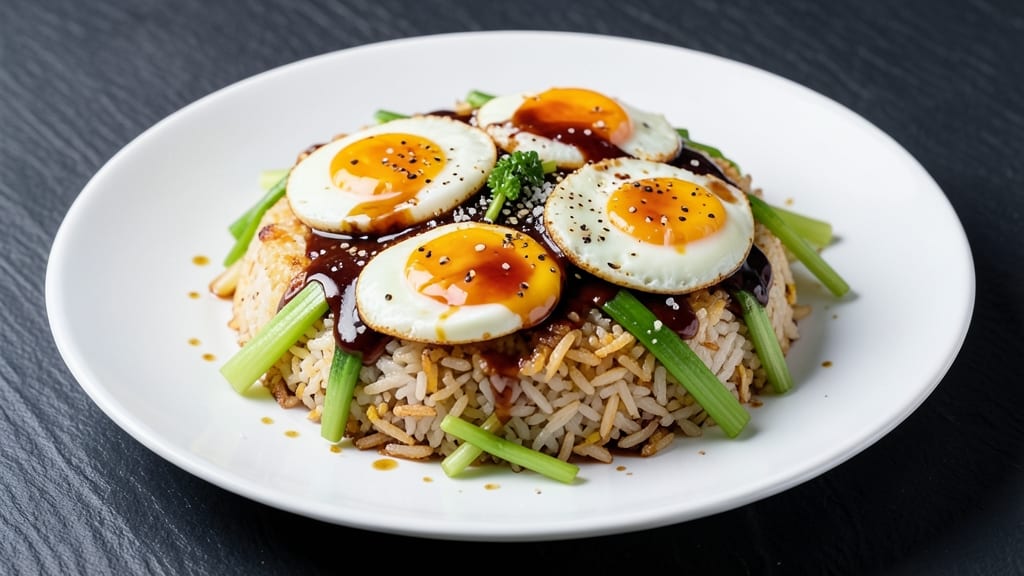
This Chao Fan rice recipe delivers the perfect balance of smoky char, tender eggs, and crisp celery crunch—just like your favorite Chinese takeout. The secret lies in properly prepping day-old jasmine rice and mastering the stir-fry technique over high heat, which transforms simple ingredients into a restaurant-quality dish.
I developed this version after years of perfecting the wok hei (breath of the wok) at home, using a skillet when a wok isn't available.
What sets this recipe apart is the charred egg technique—cooking the eggs in the hot pan until they develop subtle smoky notes before mixing with the rice—and the celery crunch that adds satisfying texture.
The combination of soy sauce, oyster sauce, and a touch of sesame oil creates that signature umami depth, while green onions brighten each bite. Ready in under 20 minutes, this dish proves you don't need a wok to make authentic-tasting chao fan at home.
Ingredients for chao fan rice
Fragrant jasmine rice, smoky eggs, and crisp celery—here's what brings this takeout favorite home.
| Ingredient | Amount | Notes |
|---|---|---|
| Day-Old Jasmine Rice 🍚 | 3 cups | Cold, broken into clumps |
| Large Eggs 🥚 | 4 whole | Fresh, room temperature |
| Celery Sticks 🧅 | 2 cups | Cut into 1-inch pieces |
| Light Soy Sauce 🥄 | 2 tbsp | Kikkoman preferred |
| Oyster Sauce 🍜 | 1 ½ tbsp | High-quality, no additives |
| Toasted Sesame Oil 🫒 | 1 tbsp | For aroma, not cooking |
| Green Onions 🌿 | 4 whole | Thinly sliced, white and green |
| Vegetable Oil 🫒 | 3 tbsp | High smoke point |
| Salt 🧂 | ½ tsp | Kosher or sea salt |
| White Pepper 🌶️ | ¼ tsp | Freshly ground for subtle heat |
| Garlic Cloves 🧄 | 2 cloves | Minced, for optional depth |
The jasmine rice needs to be day-old for that authentic texture. Day Fresh brand at Asian markets is ideal, but any long-grain jasmine works. For the celery, crunch is key—look for stalks that snap, not bend. The eggs should be fresh but room temperature—crack them into a bowl first to avoid splatter. If you're short on time, pre-chopped celery from the salad bar saves minutes, though fresh always tastes better. The oyster sauce? Lee Kum Kee is my go-to—avoid the watery kind.
No oyster sauce? Soy sauce plus a splash of fish sauce mimics the umami, though it won't be identical. Fresh sesame oil is non-negotiable here—store-bought toasted oil works in a pinch, but homemade (toasted seeds + oil) elevates everything. The garlic is optional but worth it—minced, not powdered. For the celery, cut it just before cooking to preserve the crunch. If you're using a skillet instead of a wok, keep the heat high to replicate wok hei. And yes, the eggs go in first—they need that smoky char before mixing with the rice.
Leftover rice? Perfect for chao fan—it's why this recipe calls for day-old. Store prepped celery in a sealed container with a damp paper towel to keep it crisp for 3-4 days. The cooked dish reheats beautifully—microwave 1 minute with a splash of water to restore moisture. For meal prep, portion into containers with the celery on top so it stays crunchy longer. Freezes well for up to 2 months if you're planning ahead.
Why You'll Love This Recipe
- Zero-Waste Magic: I swear by using day-old rice—it’s the secret to that perfect, slightly firm texture that soaks up the soy and oyster sauce like a dream. No wasted ingredients, just pure efficiency.
- One-Pan Powerhouse: Scramble the eggs, toss in the celery, and stir-fry everything together. That’s it. One pan, minimal cleanup, and you’ve got a dish that tastes like it took hours.
- Budget Breakfast Win: Eggs, rice, and a handful of celery? This feeds my whole family for under $5. Honestly, it’s my go-to when I’m broke but still want something that feels special.
- Leftover Lifesaver: Make a big batch on Sunday—it reheats beautifully and tastes even better the next day. (Yes, even on a Tuesday night.) The flavors deepen, and it’s always a hit.
Step-by-step instructions for chao fan rice
Here's how to transform simple ingredients into this iconic Hong Kong street dish.
Prepare the Charred Eggs
Heat 1 tablespoon vegetable oil in a non-stick skillet over medium heat. Crack the 4 whole large eggs into the pan, spacing them evenly. Let them cook undisturbed for 2-3 minutes until the whites set but yolks remain runny. Flip carefully and cook another 1 minute until both sides are golden.
Transfer the eggs to a plate and set aside. The eggs should have a slightly crispy exterior with soft, creamy yolks—this texture is essential for the dish. Keep the eggs warm while you prepare the remaining components. If the pan starts to smoke, reduce the heat slightly to prevent burning.
Sauté the Celery and Aromatics
In the same skillet, add 1 tablespoon vegetable oil and heat over medium-high heat. Add the 2 cups celery sticks and stir-fry for 3-4 minutes until they soften slightly but retain their crunch. Add the 2 minced garlic cloves and cook for 30 seconds until fragrant.
Remove the celery and garlic from the skillet and set aside. The celery should have a slight char around the edges—this adds depth to the dish. If the celery starts to brown too quickly, reduce the heat to maintain its vibrant green color and crisp texture. This step builds the foundational flavor for the rice.
Season the Day-Old Rice
In a large mixing bowl, combine the 3 cups day-old jasmine rice, 2 tablespoons light soy sauce, 1.5 tablespoons oyster sauce, 0.5 teaspoon salt, and 0.25 teaspoon white pepper. Use your hands or a spatula to gently break up any large clumps and distribute the sauce evenly.
The rice should be moist but not sticky—it should hold together when pressed but still feel slightly dry. This texture ensures the rice stays separate and fragrant. If the rice feels too dry, add a splash of water 1 teaspoon at a time until it reaches the right consistency. The day-old rice is crucial—it absorbs flavors better than fresh rice.
Assemble and Toast the Sesame Oil
Return the skillet to medium heat and add the seasoned rice, spreading it evenly. Stir-fry for 3-4 minutes until the rice is heated through and slightly crispy around the edges. Add the charred eggs and 2 cups celery sticks back to the skillet, tossing gently to combine.
Drizzle 1 tablespoon toasted sesame oil over the rice and toss one final time. The sesame oil should infuse the dish with a nutty aroma and enhance the overall flavor profile. Remove the skillet from heat and transfer the rice to a serving platter. Garnish with the 4 thinly sliced green onions, dividing them evenly over the top.
Serve Immediately
Divide the chao fan rice evenly among 4 plates, ensuring each serving has a portion of charred egg and celery. The dish should be served immediately while the rice is still warm and fragrant. The contrast of textures—crispy eggs, crunchy celery, and tender rice—makes this dish truly special.
For the best experience, serve with a side of pickled vegetables or a simple cucumber salad to balance the richness of the chao fan rice. The combination of smoky, savory, and slightly sweet flavors creates a harmonious bite that's both comforting and satisfying.
Pro Tips For Making Chao Fan Rice
- STIR FAST, NOT SLOW: Chao fan isn’t a lazy stir-fry—it’s about quick, aggressive tossing. Once you add the rice, work the wok like you’re flipping pancakes: high heat, rapid motions, and constant movement. I used to take my time, and the rice turned into gluey mush. Now? I keep the wok spinning until the eggs are just set and the celery snaps—no lingering in the pan.
- USE DRY RICE: Day-old rice is non-negotiable, but "day-old" doesn’t mean damp. Spread your rice on a tray and let it dry out for an extra 30 minutes before cooking—this prevents clumping. I learned this the hard way when my rice turned into one big sticky clod. A quick shake in a bowl with a splash of soy sauce (just to loosen it) works, but dry is better.
- SALT THE EGGS FIRST: Crack your eggs into a bowl, add a pinch of salt, and whisk like you mean it. Cooking them straight from the shell in the wok means they’ll curdle before they set. My grandmother swore by this, and she was right: the eggs stay silky and hold together when tossed with the rice. (Yes, even if you’re impatient like me.)
- SAVE THE SOY SAUCE: Don’t dump all your light soy sauce at once—keep half back to finish. Toss the rice with just enough to coat, then reserve the rest to deglaze the wok at the end. That last splash of soy sauce, poured over the hot rice, is what makes the dish sing. I skip this step sometimes, and the flavor feels flat. Don’t be that person.
Wine and beer pairings for this chao fan rice
Light Beer Pairings
A crisp, light lager like Asahi Super Dry or Sapporo complements chao fan beautifully. The subtle hop bit balances the dish's umami without overpowering the delicate flavors. I reach for these when I want to highlight the rice's fragrance and celery crunch. 🍺
Rice Wine Options
For an authentic touch, serve with Shaoxing wine (available at Asian markets). Its nutty, slightly sweet profile mirrors the dish's sesame oil notes. Just 1-2 ounces per serving enhances the meal's depth. I keep a bottle chilled in my fridge for special occasions.
Dry Riesling
A dry German Riesling (like Dr. Loosen Blue Slate) offers acidity that cuts through the dish's richness while complementing the soy and oyster sauces. The citrus notes refresh your palate between bites. This is my go-to when I want something more sophisticated than beer.
Sake for Tradition
Unfiltered junmai sake (like Dassai) adds authenticity to the meal. Its clean, slightly sweet profile enhances the rice's aroma without competing. Serve chilled in small cups alongside the chao fan for a complete experience. I've found this pairing especially popular at Chinese banquets.
Non-Alcoholic Choices
For a refreshing non-alcoholic option, try jasmine tea or lychee soda. The floral notes of jasmine tea mirror the rice's fragrance, while lychee soda's sweetness complements the dish's savory elements. I keep these on hand for guests who prefer not to drink alcohol.
Nutrition facts
Frequently asked questions
Why does this recipe call for day-old rice?
Day-old rice is essential for authentic chao fan because it's drier and less sticky, preventing a mushy texture when stir-fried. The grains separate better, absorbing flavors more evenly. Fresh rice releases too much moisture, making it difficult to achieve that perfect crispy-tender bite.
Can I make chao fan without celery?
Yes, but you'll lose the signature crunch! Substitute with 1 cup bean sprouts or shredded carrots for texture. If omitting completely, reduce the vegetable oil by 1 teaspoon to maintain balance. The celery adds both texture and subtle bitterness that complements the dish.
How do I prevent the rice from turning mushy?
Use day-old rice (never fresh) and keep heat medium-high while stir-frying for 3-4 minutes max. Overcrowding the pan also causes steaming—cook in batches if needed. The key is high heat and quick movement to create that wok hei (breath of the wok) flavor.
What's the best way to reheat leftovers?
Microwave for 1 minute with 1 tablespoon water to restore moisture, then stir-fry in a dry skillet over medium heat for 2-3 minutes to revive crispiness. For best results, store in airtight containers with celery on top to preserve texture.
Can I use a wok instead of a skillet?
A wok gives you better heat distribution and that coveted wok hei (smoky flavor). Use 1 tablespoon more oil than listed and keep heat at high the entire time. The wider surface area lets you cook more rice at once while maintaining crispy edges.