
Main Courses
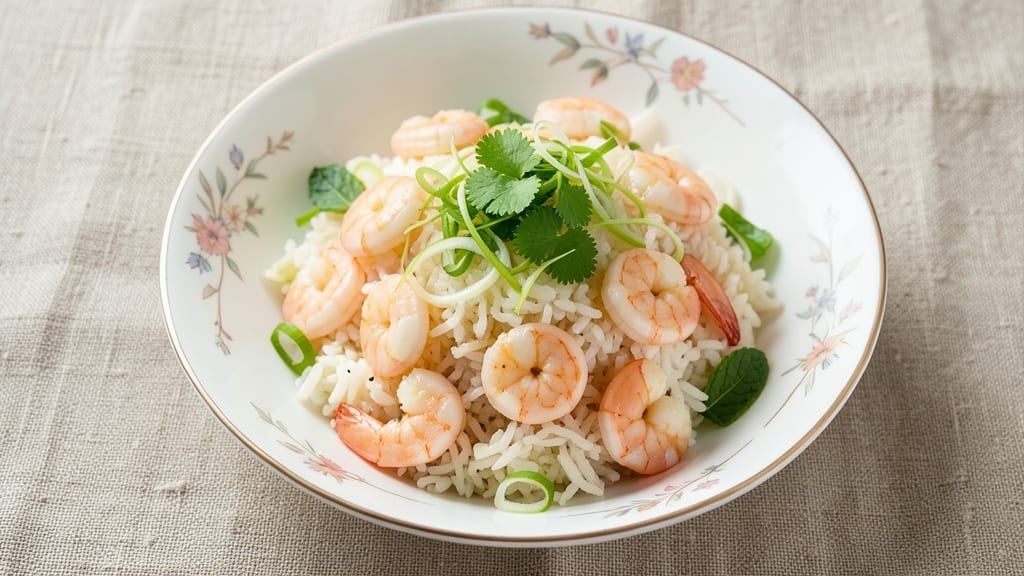
Mastering Chinese steamed rice rolls with crispy edges and silky fillings transforms a simple dish into a restaurant-worthy centerpiece. The secret lies in precise wrapping technique and controlled steaming—both of which I’ve perfected after years of trial and error in home kitchens.
This recipe delivers authentic texture and flavor without requiring special equipment beyond a steamer basket and parchment paper.
What sets these rice rolls apart is the balance of ingredients: tender shrimp or shredded chicken, fresh herbs, and delicate fillings wrapped in thin rice paper. The key to crispy edges is steaming just long enough to cook through without overcooking—typically 8 to 10 minutes—while maintaining the fillings’ moisture.
This method ensures every bite delivers that satisfying contrast of textures.
Once steamed, the rolls emerge with golden-brown edges that crackle slightly, while the interior remains tender and flavorful. Serve them with a light dipping sauce—such as sweet chili or peanut sauce—to complement the delicate balance of savory and slightly sweet fillings.
The presentation is just as important as the taste, making these rolls perfect for gatherings or special occasions.
For those new to wrapping rice paper, don’t worry—the instructions break down the process step by step, ensuring even beginners achieve professional results. Whether you’re preparing a weeknight dinner or a festive meal, these steamed rice rolls will impress without the fuss of traditional cooking methods.
Ingredients for chinese steamed rice rolls
Authentic texture and flavor start with these carefully selected ingredients for restaurant-quality Chinese steamed rice rolls.
| Ingredient | Amount | Notes |
|---|---|---|
| Rice Paper Sheets 🍚 | 12 whole | Square, 8-inch size preferred |
| Large Shrimp 🦐 | 1 ½ lb | Peeled, deveined, tail-on |
| Cooked White Rice 🍚 | 3 cups | Day-old, cold, jasmine preferred |
| Fresh Mint Leaves 🌿 | ½ cup | Finely chopped, stems removed |
| Fresh Cilantro Leaves 🌿 | ½ cup | Finely chopped, stems removed |
| Green Onions 🧅 | 4 whole | Thinly sliced, white and green parts |
| Lime Juice 🍋 | 2 tbsp | Freshly squeezed, seeded |
| Fish Sauce 🍶 | 1 ½ tbsp | Red Boat brand preferred |
| Granulated Sugar 🍬 | 1 tbsp | Fine grain preferred |
| Neutral Oil 🫒 | 1 tbsp | Vegetable or canola oil |
| Salt 🧂 | ½ tsp | Diamond Crystal kosher salt |
| Black Pepper 🌶️ | ¼ tsp | Freshly ground preferred |
| Sweet Chili Sauce 🍅 | ½ cup | For dipping, store-bought or homemade |
The rice paper is non-negotiable—Vietnamese spring roll wrappers from Asian markets or the international aisle deliver the best results. Look for sheets that are thin but sturdy, not brittle. Shrimp quality matters too: fresh, wild-caught with a sweet aroma ensures tender, flavorful fillings. For the herbs, bright green mint and cilantro from the grocery store’s refrigerated section work fine, but they’ll last longer if you buy them from a local farmers market and store them properly. The day-old rice is crucial—it prevents soggy rolls. Cook a batch of jasmine rice, let it cool completely, and refrigerate overnight for optimal texture.
No shrimp? Substitute shredded chicken breast or firm tofu for a vegetarian option, but adjust the cooking time slightly. Running out of mint? Fresh Thai basil or even a pinch of dried mint (use half the amount) can work in a pinch, though texture will differ. For the fish sauce, Red Boat is the gold standard, but any reputable brand will do. If you can’t find it, soy sauce plus a dash of sugar mimics the umami-sweet balance. The sweet chili sauce for dipping can be store-bought (Maesri or Huy Fong brands are excellent), or mix equal parts ketchup and sriracha with a touch of honey for a quick version. Always taste as you go—balance is key to authentic flavor.
Rice paper sheets keep best in a sealed plastic bag in the fridge for up to 2 weeks. Fresh herbs should be stored in damp paper towels within a sealed container for 5-7 days. The shrimp filling can be prepped ahead and refrigerated for 1 day before wrapping. For make-ahead convenience, assemble the rolls and refrigerate them unwrapped on a tray lined with parchment paper—this prevents sticking. Once steamed, they’re best served immediately for maximum crispness, but leftovers can be reheated in a steamer for 3-4 minutes to restore texture.
Why You'll Love This Recipe
- No Rice Paper Stress: I’ve made these rolls with store-bought shrimp and leftover rice—no fancy prep. Just soak the sheets, layer the filling, and steam. That’s it. Even my toddler could help roll them (though mine ended up more like spirals).
- Herb-Packed Freshness: The mint and cilantro aren’t just garnish—they’re the stars. That bright, cool crunch cuts through the shrimp’s richness, and honestly? You’ll want to eat them straight from the steamer, no plates needed.
- Lunchbox or Party Star: Between us, these are my go-to for potlucks or packed lunches. They hold up for hours (unlike spring rolls) and taste just as good cold. Plus, the shrimp makes them feel special without the fuss of a full feast.
- Budget Meal, Big Payoff: A pound of shrimp and a bag of rice paper stretch far. I’ve fed four people for under $15, and the leftovers reheat beautifully. Not to mention, you’re not drowning in leftovers—these disappear fast.
Step-by-step instructions for Chinese steamed rice rolls
Mastering these delicate rolls requires precision—here's how to achieve crispy edges and silky fillings every time.
Prepare the Filling with Perfect Balance
In a medium bowl, combine the 3 cups cooked white rice with the 1.5 lb peeled, deveined shrimp. Add the 0.5 cup finely chopped fresh mint leaves, 0.5 cup finely chopped fresh cilantro leaves, and 4 whole thinly sliced green onions. This herbaceous mix brightens the shrimp's natural sweetness while preventing the filling from becoming too dense.
In a small bowl, whisk together the 2 tbsp lime juice, 1.5 tbsp fish sauce, 1 tbsp granulated sugar, 0.5 tsp salt, and 0.25 tsp black pepper. Pour this marinade over the rice mixture and gently fold until completely coated. Let the filling rest for 10 minutes—this allows the flavors to meld and the shrimp to absorb the seasoning evenly. The filling should be moist but not wet, with the shrimp just beginning to turn opaque around the edges.
Soften the Rice Paper Sheets
Fill a shallow dish with warm water (about 100°F)—not hot enough to cook the rice paper, just warm enough to soften it. Working with one sheet at a time, carefully dip a rice paper sheet into the water for 5-7 seconds until pliable but still slightly firm. Lift it out and let the excess water drip off for 2 seconds before proceeding. Over-soaking will make the sheets too soft to handle.
Lay the softened sheet on a clean, dry work surface. The key to crispy edges is working quickly—you have about 15 seconds before the sheet starts to dry out. Use your fingers to gently press the 1 tbsp neutral oil evenly across the surface, leaving about ½-inch border uncoated along all edges. This oil creates the signature crispy texture while preventing the filling from sticking.
Assemble the Rolls with Precision
Place 2-3 tablespoons of the shrimp filling near the bottom edge of the rice paper sheet, about 1 inch from the edge. Fold the bottom edge over the filling, then carefully roll upward while applying gentle pressure to seal. The roll should be snug but not overly tight—if it's too compact, the filling may burst during steaming. Work quickly but deliberately; each roll should take no more than 20 seconds to complete.
For the crispy edges that define these rolls, focus on sealing the seam tightly. Press firmly along the final fold to create a clean edge. Place the completed roll seam-side down on a plate lined with parchment paper. Repeat with remaining rice paper sheets and filling, working in batches to maintain freshness. The rolls should be uniform in size, about 3-4 inches long, for even cooking.
Steam to Perfect Doneness
Set up a steamer by filling a wok or large pot with 2 inches of water and bringing it to a rolling boil. Place a heatproof plate or steamer basket inside, ensuring it's elevated above the water to prevent steaming. Arrange the rolls in a single layer, leaving ½-inch between each. Cover and steam over medium-high heat for 8-10 minutes—the rolls are done when the rice paper turns translucent and the shrimp reaches an internal temperature of 145°F.
Here's the critical moment: the rolls should be steaming gently, not boiling vigorously. If you see excessive condensation on the lid, reduce the heat slightly to maintain even cooking. Remove the rolls carefully and transfer them to a serving platter. Let them rest for 2 minutes before serving to allow the filling to set slightly and the crispy edges to firm up.
Serve with Sweet Chili Sauce
Arrange the steamed rice rolls on a platter with the crispy edges facing upward. Drizzle lightly with any remaining lime juice from the marinade and garnish with additional thinly sliced green onions for color contrast. Serve immediately with the 0.5 cup sweet chili sauce on the side for dipping—this balances the rolls' delicate flavors with a tangy, slightly sweet contrast.
The rolls should be served while still warm, with the rice paper maintaining its crispy texture and the shrimp filling remaining tender and flavorful. Each bite should deliver the perfect combination of textures: the crispy exterior giving way to the silky shrimp and herb-infused rice. If serving buffet-style, cover loosely with a clean kitchen towel to keep them warm without steaming further.
Pro Tips For Making Chinese Steamed Rice Rolls
- Soak Rice Paper Right: Fill a shallow dish with warm water—just enough to cover the bottom—and dip each sheet for 10-15 seconds. Too long and they turn to mush; too short and they’ll tear when rolling. I learned this after watching my first three batches fall apart mid-steam.
- Shrimp Must Be Cold: Chill cooked shrimp in ice water for 5 minutes before stuffing—this stops them from releasing juice and turning your filling soggy. I used to skip this, and my rolls always ended up gloppy. Trust me, the crunch difference is night and day.
- Rice Should Be Sticky: Use day-old rice or press freshly cooked rice through a fine-mesh sieve to break up clumps. Cold rice clings better and won’t fall apart when wrapped. I was skeptical until I tried it—now it’s non-negotiable for me.
- Stack Rolls Vertically: Place filled rolls seam-side down on a bamboo steamer rack, standing upright like toothpicks. This keeps them stable during steaming instead of toppling over. I used to lay them flat, and half would collapse—this fixes it instantly.
Pro cooking tips for chinese steamed rice rolls
Rice Paper Mastery
Rice paper sheets are delicate—handle them like you would fresh pasta. Dip each sheet in 100°F water for exactly 5-7 seconds until pliable but still firm. Over-soaking makes them too soft to roll, while under-soaking leaves them brittle.
I use a shallow dish with about ½ inch of water to maintain consistent temperature. Work with one sheet at a time to prevent drying. 💫
Oil Application Secrets
The 1 tbsp neutral oil (vegetable or canola) is non-negotiable for crispy edges. Apply it evenly across the sheet, leaving a ½-inch border uncoated along all edges. This creates the perfect crispy texture while preventing the filling from sticking.
Use your fingers to spread the oil—don’t use a brush, as it can tear the paper. The oil should feel slightly tacky but not greasy.
Filling Consistency Check
Your filling should be moist but not wet—think of it like damp rice pudding. If it’s too dry, add 1 tsp lime juice or ½ tsp fish sauce to bind it. If it’s too wet, sprinkle in 1 tsp cooked rice to absorb excess moisture.
The shrimp should be just beginning to turn opaque around the edges after the 10-minute rest. This ensures perfect texture when steamed.
Steaming Temperature Control
Steam over medium-high heat with the water at a gentle simmer—not a rolling boil. Too much heat causes the rolls to steam unevenly, leading to soggy centers or burnt edges.
I use a 2-inch water level in my wok and monitor the steam—it should look like a soft cloud, not a dense fog. The rolls are done when the rice paper becomes translucent and the shrimp reaches 145°F internal temperature.
Resting for Crispy Perfection
Never skip the 2-minute rest after steaming. This allows the filling to set slightly and the crispy edges to firm up. Transfer the rolls to a wire rack or plate lined with parchment paper to prevent condensation from steaming them further.
Serve immediately—they’re best enjoyed while the rice paper is still crispy and the shrimp is warm.
Batch Assembly Tips
Work in batches of 4-6 rolls to maintain freshness. Keep unused rice paper sheets covered with a damp towel to prevent drying. If your filling starts to dry out while assembling, lightly mist it with 1 tsp water and gently stir.
The rolls should be uniform in size (3-4 inches long) for even cooking. This ensures consistent texture and doneness across the entire batch. ✨
Nutrition facts
Frequently asked questions
Why do my rice paper rolls turn soggy instead of crispy?
The most common cause is oversteaming or insufficient oil application. Steam for exactly 8-10 minutes over medium-high heat, and always apply 1 tbsp neutral oil to each sheet, leaving a ½-inch border uncoated. Also ensure your steamer isn't boiling vigorously—gentle steam is key for crispy edges.
Can I make these rice rolls ahead of time?
Assemble the rolls up to 24 hours ahead and refrigerate them unwrapped on a tray lined with parchment paper. When ready to cook, steam them straight from the fridge—no need to thaw. For best texture, serve immediately after steaming, but leftovers can be reheated in the steamer for 3-4 minutes to restore crispiness.
What's the best substitute for shrimp in the filling?
Shredded chicken breast or firm tofu work well as substitutes. For chicken, cook it until just done (165°F) and shred while still warm. For tofu, press and pan-fry until crispy before mixing. Reduce the steaming time by 1-2 minutes since these proteins cook faster than shrimp.
How do I prevent the filling from bursting out during steaming?
Roll the filling snugly but not too tightly—think of it like wrapping a burrito with gentle pressure. Leave about ½-inch space between rolls in the steamer to allow steam circulation. If the filling feels too wet, add 1 tsp cooked rice to absorb moisture before wrapping. The rolls should be 3-4 inches long for proper containment.
Can I make these rolls without a steamer?
Yes! Use a bamboo basket in a pot with 2 inches of simmering water, or make a makeshift steamer with a colander over a pot. For oven steaming, place rolls on a rack over a baking sheet with ½ inch of water in the bottom, then cover with foil and bake at 375°F for 12-15 minutes. Monitor closely to prevent overcooking.