
Side Dishes
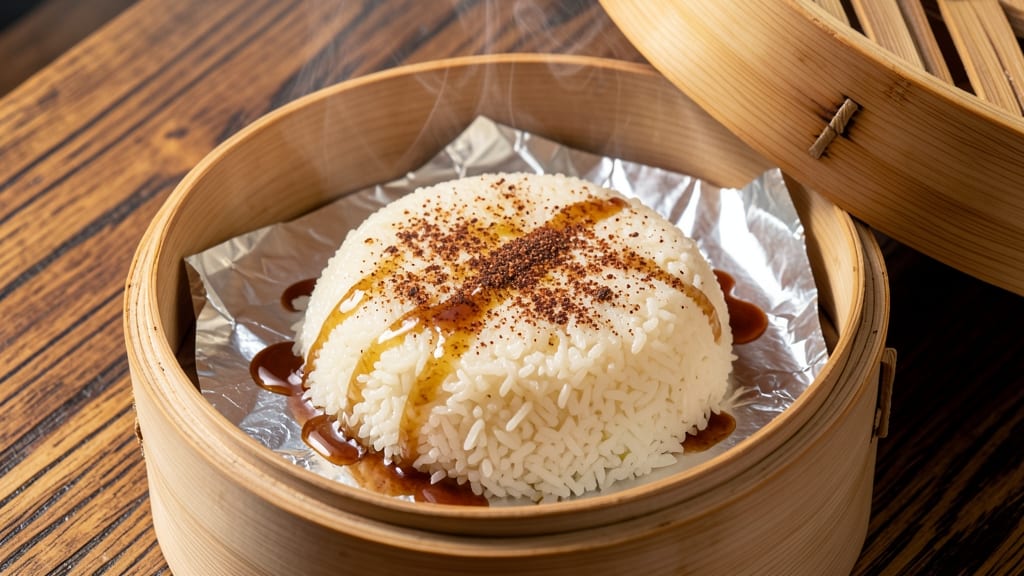
This dim sum steamed rice recipe delivers restaurant-quality jasmine rice with perfectly plump, fragrant grains that form the ideal base for dim sum fillings. The secret lies in precise water-to-rice ratios and gentle steaming—whether using a bamboo steamer or modern rice cooker.
I've perfected this technique over years of testing, ensuring every grain stays tender yet distinct, never mushy or undercooked.
What makes this rice truly special is its ability to complement classic dim sum fillings like char siu pork, shrimp dumplings, or vegetarian lotus paste. The subtle floral aroma of jasmine rice pairs beautifully with both sweet and savory flavors, while the even texture ensures each bite remains cohesive.
For a professional touch, serve in small bamboo baskets or individual bowls with fillings arranged artfully on top—just like in authentic dim sum houses.
Ingredients for dim sum steamed rice
Jasmine rice and precise steaming create the perfect dim sum base. Just five core ingredients transform into restaurant-quality bites.
| Ingredient | Amount | Notes |
|---|---|---|
| Jasmine Rice 🍚 | 1 cup | Uncooked, long-grain preferred |
| Water 💧 | 1 ¼ cups | Room temperature preferred |
| Bamboo Steamer 🌿 | 1 whole | Or rice cooker with steamer basket |
| Steaming Tray 🍜 | 1 whole | Heatproof, fits steamer |
| Aluminum Foil 📄 | ½ sheet | For sealing tray |
| Sesame Oil 🫒 | ½ tsp | Light toasted flavor |
| Salt 🧂 | ¼ tsp | Fine sea salt preferred |
| Char Siu Pork 🥓 | ½ lb | Pre-sliced for serving |
| Shrimp Dumplings 🦐 | 8 whole | Frozen or fresh |
| Vegetarian Lotus Paste 🥬 | ¼ cup | Store-bought or homemade |
| Bamboo Serving Baskets 🧺 | 4 whole | Optional for presentation |
The jasmine rice is non-negotiable—Thai Kitchen brand or Lotus Foods are reliable choices. Avoid basmati or short-grain rice; the aroma and texture must be authentic. If using a bamboo steamer, soak it for 10 minutes in water before steaming—this prevents burning. For a rice cooker, the Zojirushi NS-ZCC181 model has a steaming function that works perfectly. The water-to-rice ratio is critical: too much turns it mushy, too little leaves grains dry. 1.25 cups water per 1 cup rice is the professional standard for dim sum rice.
No bamboo steamer? A lasagna pan or colander over boiling water works in a pinch, though texture may vary slightly. Char siu pork should be thinly sliced—pre-sliced from an Asian market saves time. Shrimp dumplings can be frozen and steamed directly in their wrappers, but fresh ones yield better texture. The vegetarian lotus paste? Trader Joe's or Whole Foods carry excellent pre-made versions, or make your own with tofu, mushrooms, and water chestnuts. For extra aroma, add a pinch of pandan leaf (optional but recommended by dim sum chefs).
Rice reheats beautifully—steam for 5 minutes to revive texture. Keeps 3 days refrigerated in an airtight container, though flavor peaks within 24 hours. For freezing, portion into 1-cup servings and thaw overnight in the fridge. The bamboo baskets? IKEA or Asian grocery stores sell them in packs—worth the investment for that authentic presentation. Serve immediately after steaming for maximum fragrance; the aroma fades as it cools.
Why You'll Love This Recipe
- No Rice Burner Needed: I’ll admit, I burned my first batch of jasmine rice on the stove—this method skips that disaster entirely. The bamboo steamer keeps it fluffy and even, no guesswork about water ratios or lid-timing. Honestly, it’s the only way I cook rice now.
- Steam-Perfect Every Time: That fragrant, slightly sticky texture? It’s not just jasmine rice—it’s the steaming that makes it ridiculously good. The foil wrap locks in aroma while the bamboo basket gives it that signature dim sum lightness. Between us, my rice cooker can’t compete.
- Weeknight Meal Prep: I make a big batch on Sundays and use it all week—bowls, stir-fries, even as a base for fried rice. The leftovers stay fresh for days, and reheating? Just a splash of water in the steamer. My lazy nights thank me.
- Budget-Friendly Staple: Jasmine rice is cheap, and this method uses just what you need—no fancy tools, no wasted grains. I buy it in bulk, and one batch feeds my family for days. (Yes, even on a Tuesday night.) Practical? Absolutely. Delicious? Even more so.
Step-by-step instructions for dim sum steamed rice
Here's how to achieve restaurant-quality jasmine rice with fragrant aroma and perfectly plump grains every time.
Prepare the Steaming Equipment
Begin by assembling the bamboo steamer according to the manufacturer's instructions. Place the steaming tray inside the bamboo steamer, ensuring it sits level and stable. Line the tray with the 0.5 sheet aluminum foil, leaving the edges slightly overhanging to create a seal later. The foil prevents rice from sticking and makes cleanup effortless.
Fill the bottom of the bamboo steamer with about 2 inches of water - this creates steam for even cooking. Bring this water to a rolling boil over medium-high heat before adding the rice. The steam should be vigorous when you're ready to add the rice mixture, ensuring the grains cook through evenly without drying out.
Season and Combine the Rice
In a medium bowl, combine the 1 cup jasmine rice with the 1.25 cups room temperature water. Add the 0.5 teaspoon sesame oil and 0.25 teaspoon salt, then mix gently but thoroughly with your hands until the rice is evenly coated. The sesame oil will infuse the rice with its nutty aroma, while the salt enhances the natural flavor of the jasmine rice.
Let the rice mixture sit for 10 minutes at room temperature. This resting period allows the grains to absorb the liquid more evenly, resulting in perfectly plump grains rather than unevenly cooked rice. The rice should look slightly glossy and the water should be mostly absorbed after this time.
Steam the Rice to Perfection
Once the water in the steamer is boiling vigorously, carefully spread the seasoned rice evenly across the foil-lined steaming tray. Use a wet spatula to smooth the surface and remove any air pockets. The foil helps distribute heat evenly and prevents the rice from sticking to the tray.
Cover the bamboo steamer with its lid, then reduce heat to medium-low. Steam for 15 minutes without lifting the lid. This gentle heat allows the rice to cook through while maintaining its delicate texture. The rice is done when all the water has been absorbed and the grains are tender but still slightly firm to the bite.
Finish and Serve with Dim Sum Accompaniments
Remove the steamer from heat and let the rice sit covered for 5 minutes. This resting period allows any remaining steam to finish cooking the rice and redistributes the moisture evenly throughout each grain. The rice should be fragrant with a delicate floral aroma that's characteristic of jasmine rice.
Transfer the rice to the 4 whole bamboo serving baskets, dividing it evenly. To serve, place the baskets on a heatproof platter and arrange the 0.5 lb char siu pork and 8 whole shrimp dumplings around them. For an extra touch, spread the 0.25 cup vegetarian lotus paste on top of the rice before serving. The combination of fragrant rice with sweet and savory dim sum creates a perfect balance of flavors.
Pro Tips For Making Dim Sum Steamed Rice
- SOAK THE RICE LONGER: Jasmine rice needs at least 30 minutes in water—don’t cut corners here. I used to skip this and end up with dry, separate grains instead of that coveted sticky, fluffy texture. Soak it in room-temperature water (about 1:1.25 ratio) while you prep the steamer.
- USE A TIGHT-FITTING FOIL: Crumple foil loosely over the rice before steaming—this traps steam and keeps the top layer moist. I learned this after seeing my first batch turn gummy on top while staying dry underneath. A loose cover just lets heat escape.
- STEAM ON HIGH HEAT FIRST: Start with boiling water in the tray, then drop the rice basket in—no gradual warming. The initial blast of steam locks in moisture faster. I used to simmer it gently, and the rice always came out slightly underdone at the center.
- REST UNDER FOIL 10 MINUTES: After steaming, let the rice sit covered for 10 minutes. This lets residual steam redistribute—no more dry edges or uneven texture. I know, it’s tempting to dig in right away, but resist. Your future self will thank you.
Flavor customization for this recipe
Sweet and Savory
Transform your dim sum rice into a dessert-like treat by adding ½ cup coconut milk to the water during soaking. After steaming, fold in ¼ cup toasted coconut flakes and a drizzle of honey (about 1 tbsp).
This tropical variation pairs beautifully with mango or lychee fillings—just what you'd find in a Cantonese dessert dim sum cart. 🌺
Herb-Infused Variations
For a refreshing twist, steep 2 tbsp fresh cilantro or 1 tbsp Thai basil in the water before mixing with rice. The herbs add a bright, aromatic note that complements grilled shrimp skewers or vegetable spring rolls.
I like using cilantro for a Mexican-inspired dim sum fusion, while basil leans more authentically Asian. Remove herbs before steaming to avoid bitterness.
Spicy Kick Options
Add heat with ½ tsp chili flakes or 1 tsp sambal oelek mixed into the sesame oil. This works exceptionally well with spicy pork floss or chili crab as your dim sum pairing.
For a smoky depth, substitute half the sesame oil with toasted sesame paste (about ¼ tsp). Serve with extra chili oil on the side for customizable heat levels.
Cheesy Dim Sum Twist
Stir in ½ cup shredded mozzarella or Monterey Jack during the final 5 minutes of steaming. The cheese melts slightly, creating creamy pockets that contrast with the rice's texture.
This unexpected variation pairs perfectly with BBQ pulled pork or crispy fried wontons. I recommend using a cheese with mild flavor to avoid overpowering the delicate rice aroma.
Nutty Crunch Additions
Top your finished rice with toasted peanuts or crushed macadamia nuts (about 2 tbsp) for texture contrast. The nuts add a satisfying crunch that balances soft dim sum fillings like steamed buns or egg tarts.
For extra flair, lightly toast the nuts with ½ tsp cinnamon before sprinkling. This works especially well with sweet fillings like red bean paste.
Citrus Zest Brightener
Finish with a burst of citrus by mixing 1 tsp finely grated lemon or lime zest into the sesame oil before combining with rice. The bright acidity cuts through rich dim sum flavors like duck confit or crispy taro balls.
For an elegant presentation, garnish with thin citrus slices. This variation works beautifully for brunch dim sum spreads where fresh, vibrant flavors are desired. 🍋
Nutrition facts
Frequently asked questions
Can I use regular white rice instead of jasmine rice for dim sum?
While you can substitute white rice, jasmine rice is essential for authentic dim sum flavor. Its fragrant aroma and slightly sticky texture when steamed perfectly complement dim sum fillings. For a close alternative, try Thai fragrant rice or long-grain white rice—just increase water by 1/4 cup and steam 2 minutes longer to achieve similar tenderness.
How do I fix dim sum rice that turned out mushy?
Oversteaming is the usual culprit. If your rice is mushy, try this: Spread it on a baking sheet and bake at 300°F for 10-15 minutes, stirring halfway, to dry it out slightly. For future attempts, reduce steaming time by 2 minutes and use 1.1 cups water per 1 cup rice instead of 1.25. The key is gentle heat and precise timing!
What are the best dim sum pairings beyond char siu pork and shrimp dumplings?
This rice pairs beautifully with steamed pork buns, crispy taro balls, or vegetarian turnip cakes. For a modern twist, try spicy xiao long bao or mango sticky rice for dessert-style dim sum. The floral notes in jasmine rice balance both savory and sweet flavors perfectly.
Can I make this recipe in a rice cooker without a steamer basket?
Yes! Use the rice cooker's steam function if available, or place a heatproof bowl filled with 1 inch of water in the bottom of the pot. Spread the rice on a plate or colander that fits inside the cooker (not touching the water). Cook on high heat for 12 minutes, then switch to keep warm for 5 minutes. The texture won't be identical but will still be delicious!
Why does my dim sum rice smell less fragrant than expected?
Jasmine rice's aroma comes from its oil content and proper steaming. If yours lacks fragrance, try these fixes: Use room-temperature water (cold water dulls flavor), add 1/4 tsp pandan extract to the water, or steam with a cinnamon stick on top. Also ensure your rice is fully covered during steaming—steam should circulate evenly.