
Main Courses
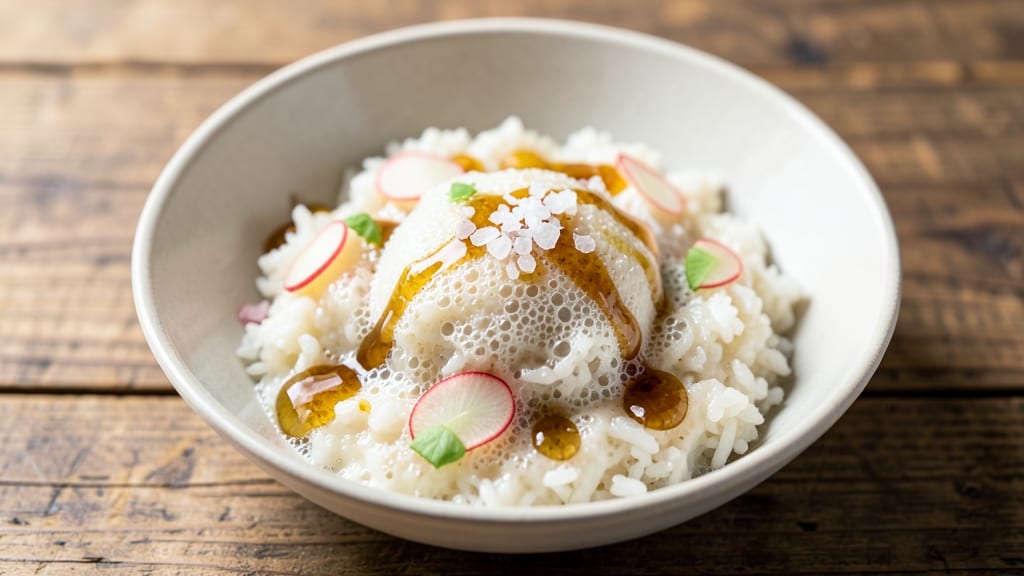
Fermenting rice transforms ordinary grains into a probiotic powerhouse with complex, tangy flavors that elevate any dish. This method unlocks the natural enzymes in rice, creating a versatile ingredient for everything from savory porridges to homemade rice wine.
I developed this recipe after discovering how fermented rice adds depth to traditional Asian meals while boosting gut health—something store-bought versions can't match.
The process is straightforward but requires patience: soaking, steaming, and fermenting over 3-5 days at room temperature until you achieve that signature tangy aroma. You'll need just 2 cups of rice, water, and a pinch of salt—no special equipment beyond a clean jar.
The result is a rice that's not just edible but transformative, adding layers of umami and acidity to soups, stews, or even as a rice wine base.
What makes this recipe stand out is its dual purpose: a standalone fermented rice you can store for months, and a foundation for dishes like Korean nokju or Filipino burong. The fermentation process preserves nutrients while developing flavors that improve with time.
Once fermented, you can use it immediately or store it in the fridge for up to 3 months, ready to enhance any meal with probiotic benefits and restaurant-quality depth.
Whether you're exploring fermentation for health or culinary creativity, this method delivers professional results with simple ingredients. The key is consistency in temperature and timing—small variations make a big difference in flavor development.
Let's get started on creating your own probiotic-rich rice that tastes as good as it is good for you.
Ingredients for ferment rice
Simple grains and fermentation magic create a probiotic-rich rice with restaurant-quality depth.
| Ingredient | Amount | Notes |
|---|---|---|
| White Rice (Jasmine or Short-Grain) 🍚 | 2 cups | Uncooked, unwashed for fermentation |
| Filtered Water 💧 | 4 cups | Room temperature preferred |
| Sea Salt 🧂 | ½ tsp | Fine grain, non-iodized |
| Fresh Ginger 🌿 | 1 inch | Thinly sliced, for aroma boost |
| Fresh Ginger 🌿 | 1 tbsp | Grated, for fermentation starter |
| Rice Vinegar 🍶 | 1 tbsp | White or seasoned, unseasoned preferred |
| Asafoetida (Hing) 🌶️ | ⅛ tsp | Optional, for digestive benefits |
| Black Peppercorns 🌶️ | 5 whole | Crushed lightly for subtle heat |
| Fresh Bay Leaves 🍃 | 2 whole | For aromatic complexity |
| Cheesecloth or Clean Towel 🧻 | 1 piece | For covering fermentation jar |
| Rubber Band 🔗 | 1 whole | To secure cheesecloth |
| Glass Jar (Quart Size) 🥫 | 1 whole | Clean, non-reactive |
The rice is everything here—jasmine or short-grain works best for that sticky texture after fermentation. Trader Joe's and Asian markets carry these varieties at great prices, but any unwashed white rice will work in a pinch. The ginger is non-negotiable for flavor development; freshly grated releases more enzymes than pre-minced. For the asafoetida, Penzeys or Indian grocery stores are your best bet—it's worth the hunt for that unique umami kick. The jar needs to be quart-sized to allow proper fermentation without overflow.
No rice vinegar? Apple cider vinegar at half the amount works, though it'll have a slightly different tang. Short on fresh ginger? Dried ginger at one-third the amount can substitute, but fresh is ideal. The bay leaves can be skipped if you're not a fan, but they add that subtle complexity that makes this ferment stand out. For the peppercorns, crush them lightly with a mortar and pestle—this releases the oils without making it too spicy. If you're making this for gut health, the asafoetida is a game-changer, but it's optional for flavor.
Fermented rice keeps for 3-6 months in the fridge once fully fermented—it actually improves with time. Portion into smaller jars for convenience, and always use clean utensils when scooping. The aroma gets stronger as it ferments, so do this in a well-ventilated area. I like to make a big batch and freeze portions for later—just thaw overnight in the fridge before using. This isn't just an ingredient; it's a flavor multiplier that turns ordinary dishes into something extraordinary.
Why You'll Love This Recipe
- Five-Ingredient Magic: I swear by this—just rice, water, salt, and ginger. That’s it. No fancy prep, no hidden pantry items. The ginger’s sharp bite cuts through the rice’s softness, and honestly? It’s the kind of simple that feels like a hug after a long day.
- Umami Bomb: The fermentation does something wild to the rice—deepens its flavor without needing sauce or garnish. That first bite? It’s like jasmine rice and ginger had a secret lovechild, and it’s ridiculously good. No one will believe you only used five things.
- Lunchbox Hero: Between us, this is my go-to for packed lunches. Cold or at room temp, it stays satisfying (no sad soggy rice here). My kid’s school lunchbox gets this three times a week—zero complaints, just empty containers.
- Zero-Waste Pantry: Use up that ginger root before it sprouts, or that half-bag of rice gathering dust. The fermentation process actually enhances the rice’s shelf life, so leftovers? They’re just free meals waiting to happen. Budget-friendly doesn’t get much better than this.
Step-by-step instructions for fermented rice
Transform simple rice into a probiotic powerhouse with this straightforward fermentation method.
Prepare the Fermentation Starter
In a small bowl, combine the 1 tablespoon grated fresh ginger and 1 tablespoon rice vinegar. Stir well to create a tangy starter mixture that will kickstart the fermentation process. The ginger's enzymes and the vinegar's acidity work together to create an ideal environment for beneficial bacteria to thrive.
Next, crush the 5 whole black peppercorns lightly with the side of a knife or mortar and pestle. This releases their subtle heat and aromatic oils, which will infuse the fermented rice with depth. Add the crushed peppercorns to the ginger-vinegar mixture and set aside. This starter will be the flavor foundation for your fermented rice.
Combine Ingredients in the Fermentation Jar
Place the 2 cups uncooked white rice (jasmine or short-grain) in the quart-size glass jar. The rice should remain unwashed to preserve its natural starches, which are essential for fermentation. Add the 4 cups room-temperature filtered water to the jar, ensuring the rice is fully submerged.
Add the prepared starter mixture (ginger, rice vinegar, and crushed peppercorns) along with the 0.5 teaspoon sea salt, 1 inch thinly sliced fresh ginger, and 2 whole fresh bay leaves to the jar. Stir gently but thoroughly to distribute the ingredients evenly. The salt helps regulate fermentation, while the bay leaves add aromatic complexity. The sliced ginger will contribute to the rice's flavor profile as it ferments.
Cover and Begin Fermentation
Place the cheesecloth or clean towel over the opening of the jar, securing it tightly with the rubber band. This breathable cover allows gases to escape while keeping contaminants out. Store the jar in a warm, dark place—such as a pantry or cupboard—where the temperature remains consistent between 70-75°F. This temperature range is ideal for safe, controlled fermentation.
Let the mixture ferment for 24 hours. You'll notice subtle changes as the rice begins to develop a slight tang and the water becomes cloudy. This is a good sign—it indicates that fermentation is actively occurring. After 24 hours, taste a small amount of the rice. It should have a mild tang and a slightly sour aroma, signaling that the fermentation process is progressing well.
Adjust and Complete Fermentation
If the rice tastes too tangy after 24 hours, let it ferment for an additional 6-12 hours to balance the flavors. If it tastes mild, you can proceed to the next step. The goal is to achieve a tangy yet balanced flavor that enhances the rice's natural taste without overpowering it. The 0.125 teaspoon asafoetida (hing), if used, can be added now for digestive benefits and a unique savory note.
Once the rice reaches your desired level of tanginess, give it one final stir to redistribute any settled flavors. The fermented rice is now ready to use in dishes or to be stored for later. For best results, consume it within 3-5 days while the flavors are at their peak. The fermented rice will have a slightly sticky texture and a bright, probiotic-rich flavor that pairs beautifully with a variety of meals.
Pro Tips For Making Ferment Rice
- Rinse Rice Thoroughly: Dump the rice in a fine-mesh strainer and swirl it under cold running water for 30 seconds—this removes excess starch that’ll turn your fermented rice gluey. I learned this the hard way when my first batch turned into a sad, sticky mess after 24 hours.
- Salt the Water Light: Use just ½ teaspoon of sea salt per cup of rice—too much will halt fermentation entirely. The goal is flavor, not preservation, so taste the water before adding more.
- Grate Ginger Fine: Use the smallest holes on your grater or pulse in a food processor until it’s almost paste-like. Lumpy ginger won’t dissolve properly, and your fermented rice will taste unevenly sharp.
- Cover Loosely: Drape a clean kitchen towel over the bowl instead of sealing it with plastic—this lets gases escape while keeping out fruit flies. Tight lids trap moisture and encourage mold.
Serving suggestions for ferment rice
Porridge Base
Use your fermented rice as the foundation for a probiotic-rich porridge that’s far more complex than plain rice cereal. Cook 1 cup fermented rice with 2 cups water over low heat for 15 minutes, stirring occasionally.
Top with 1 tbsp toasted sesame seeds, 2 tbsp chopped scallions, and a drizzle of chili oil for a Korean-inspired juk with gut-friendly depth. 🌱
Rice Wine Foundation
Blend 2 cups fermented rice with 1 cup water and ½ cup sugar, then ferment for an additional 2 weeks to create a homemade rice wine (similar to makgeolli).
Strain through cheesecloth, bottle, and refrigerate. Use it to deglaze stir-fries or sip it chilled with spicy kimchi for a tangy, probiotic kick. 🍶
Savory Rice Bowls
Mix ½ cup fermented rice with 1 cup cooked quinoa, ½ avocado, and ¼ cup shredded carrots. Drizzle with a soy-ginger dressing (3 tbsp soy sauce, 1 tbsp rice vinegar, 1 tsp grated ginger).
The fermented rice adds a bright, umami layer that elevates the bowl into a restaurant-worthy dish. 🥗
Fermented Rice Cake
Combine 1 cup fermented rice with ½ cup mashed sweet potato, 1 tbsp honey, and 1 tsp baking powder. Pan-fry in 1 tbsp coconut oil until golden for crispy, probiotic-packed cakes. Serve with miso glaze or spicy mayo for a fusion twist on traditional rice cakes. 🍚
Soup Enhancer
Add ¼ cup fermented rice to miso soup, pho, or ramen broths 5 minutes before serving. The tangy, funky notes cut through richness while adding layers of umami. For extra depth, stir in 1 tsp fish sauce and a sprinkle of toasted nori strips.
The fermentation process makes this a flavor multiplier for any broth-based dish. 🍜
Garnish for Meals
Use fermented rice as a topping for grilled meats, fried rice, or even tacos. Sprinkle 1 tbsp over seared scallops or a spicy pork bowl—its bright acidity balances heat and adds a probiotic crunch. For extra texture, lightly toast the rice in a dry pan before serving. 🔥
Nutrition facts
Frequently asked questions about fermented rice
How long should I ferment rice for the best flavor?
For optimal tangy depth, ferment the rice for 3-5 days at 70-75°F. After 24 hours, taste it—if it's too mild, let it ferment another 6-12 hours. Over-fermenting beyond 5 days can make it overly sour. The flavor improves with time, but balance is key!
Can I use brown rice instead of white rice for fermentation?
Technically yes, but white rice ferments faster and yields a cleaner flavor. Brown rice has more fiber, which can slow fermentation and create a stronger, earthier taste. If you prefer brown, soak it 8 hours first and ferment 2-3 days longer to achieve similar tanginess.
What if my fermented rice smells bad or has mold?
Discard it immediately! Bad smells (rotten or ammonia-like) or fuzzy mold mean contamination. This happens if the rice wasn't fully submerged, the jar wasn't clean, or temperatures exceeded 80°F. Always use sterile jars, keep rice submerged, and store in a warm but not hot spot. Safety first!
How do I store fermented rice long-term?
Transfer to an airtight container and refrigerate for up to 3 months. The flavor deepens over time! For longer storage, freeze portions in ice cube trays—thaw in the fridge before using. Label with dates to track freshness. Pro tip: Add 1 tsp rice vinegar per cup before freezing to preserve tang.
Can I make fermented rice without vinegar?
Yes, but it may ferment slower. Replace vinegar with 1 tbsp lemon juice or ½ cup coconut water (for natural enzymes). For a traditional approach, use 1 tbsp grated ginger + 1 tsp salt as a starter—just monitor closely for 2-3 extra days of fermentation.