
Main Courses
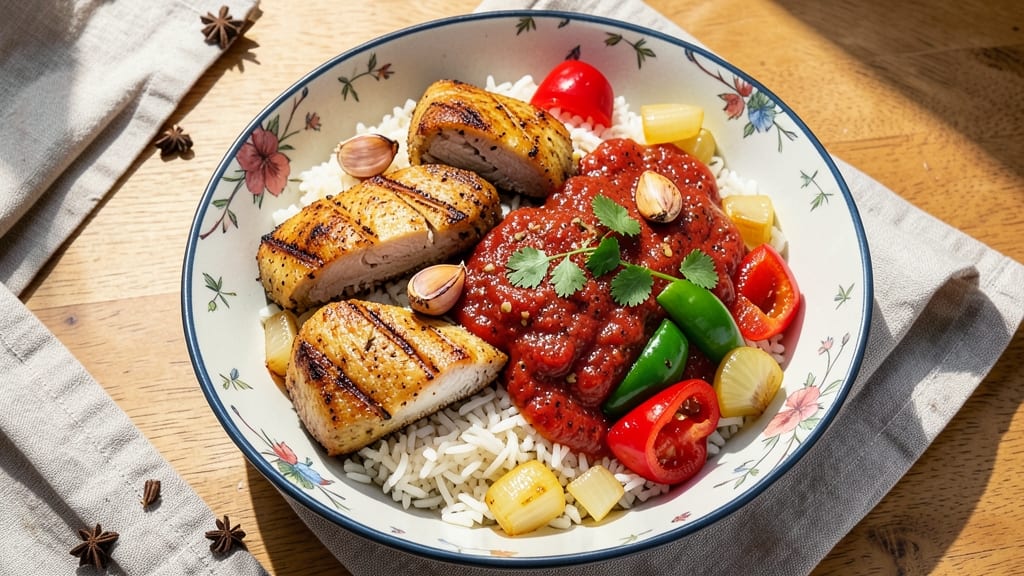
This gizzard and rice recipe transforms humble ingredients into a restaurant-worthy meal with crispy fried gizzard bites and fragrant spiced rice. The secret lies in properly preparing the gizzard—cleaning, seasoning, and frying until golden—while the rice absorbs bold West African spices like thyme, ginger, and garlic.
I’ve perfected this dish over years of testing, ensuring every bite delivers satisfying texture and deep, savory flavor.
The gizzard starts with thorough cleaning and marinating in a mix of salt, pepper, and smoked paprika before being fried until crispy on the outside and tender inside.
Meanwhile, long-grain rice cooks in a rich tomato-pepper stew, infused with onions, bell peppers, and a blend of spices that create layers of warmth. The result is a dish that’s hearty enough for a family dinner but elegant enough for a special occasion.
What makes this recipe stand out is the balance of textures—crispy gizzard paired with fluffy, aromatic rice—and the way the flavors meld together. The tomato-pepper base adds a tangy depth, while the spices bring warmth and complexity.
Serve with fried plantains or a fresh salad to round out the meal, and you’ll have a dish that’s both comforting and impressive.
This method ensures you’ll achieve perfectly golden, crispy gizzard every time, with rice that’s infused with flavor and stays light and separate. Whether you’re cooking for a crowd or treating yourself to a homemade feast, this recipe delivers professional-quality results with simple, accessible techniques.
Ingredients for gizzard rice
Transform humble ingredients into restaurant-quality gizzard and rice with these essential components.
| Ingredient | Amount | Notes |
|---|---|---|
| Gizzards 🍗 | 1 ½ lb | Fresh, cleaned and trimmed |
| Long-Grain White Rice 🍚 | 1 ½ cups | Uncooked, jasmine or basmati preferred |
| Yellow Onions 🧅 | 1 whole | Medium size, diced finely |
| Bell Peppers 🌶️ | 1 whole | Green or red, diced |
| Garlic Cloves 🧄 | 6 cloves | Fresh, minced finely |
| Canned Tomato Sauce 🍅 | 1 can | 15 oz can, crushed tomatoes |
| Smoked Paprika 🌶️ | 1 tbsp | For gizzard marinade |
| Ground Black Pepper 🌶️ | 1 tsp | Freshly ground preferred |
| Kosher Salt 🧂 | 1 ½ tsp | For seasoning |
| Vegetable Oil 🫒 | 3 cups | For deep frying |
| Fresh Thyme 🌿 | 1 tbsp | Leaves only, chopped |
| Fresh Ginger 🌿 | 1 tbsp | Grated finely |
| Bay Leaves 🍃 | 2 whole | Dried, for rice seasoning |
| Red Bell Pepper 🌶️ | ½ cup | Diced, for rice topping |
The gizzards are the star, so source them fresh from a trusted butcher or Whole Foods meat counter. Look for vibrant, unblemished gizzards with minimal fat—Costco often carries pre-cleaned ones if you want to skip the prep work. Fresh thyme and ginger from the produce section will elevate the rice's aroma, but dried substitutes work in a pinch. The tomato sauce should be crushed tomatoes for texture, not smooth—Muir Glen or Rao's are reliable brands. For the bell peppers, red or green both work, but red adds natural sweetness to the rice.
No fresh thyme? Dried thyme at one-third the amount works, but fresh is ideal. Substitute ground ginger for the fresh version, but reduce to half the quantity. Running low on smoked paprika? Regular paprika plus a pinch of cayenne mimics the depth. The vegetable oil can be swapped for peanut or canola oil, but vegetable oil has the highest smoke point for frying. For the tomato sauce, if you only have whole peeled tomatoes, crush them by hand or pulse in a food processor. The bay leaves add subtle earthiness—omit if you prefer a brighter flavor profile.
Store cleaned gizzards in the fridge for up to 2 days before cooking. The rice mixture keeps well in the fridge for 4-5 days—reheat gently on the stove with a splash of water. For longer storage, freeze the rice in airtight containers for up to 3 months. The fried gizzards are best served immediately for maximum crispiness, but you can reheat them in the oven at 350°F for 10 minutes if needed. Double the recipe for leftovers—this dish only gets better as flavors meld.
Why You'll Love This Recipe
- One-Pot Magic: I swear by this recipe when I’m too tired to juggle multiple pans—just brown the gizzards with onions and peppers, toss in rice with broth, and let it simmer. The rice soaks up all that rich gizzard flavor and stays perfectly fluffy, no separate pot needed.
- Umami Bomb: That crispy, caramelized gizzard crust? It’s the star. Sautéing the gizzards until golden with garlic and onions builds layers of deep, savory goodness that turns simple rice into something ridiculously satisfying. Honestly, the first bite makes me forget it’s a budget dish.
- Leftovers That Shine: This meal actually improves the next day. The rice gets even more tender, and the gizzards stay juicy—perfect for packing lunches or reheating with a sprinkle of hot sauce. My kids ask for it all week, even though I tell them it’s “last night’s dinner.”
- Budget Feast: Gizzards are the secret weapon for stretching meals without skimping on flavor. A single pound feeds four, and the veggies stretch it further—no fancy ingredients, just pure, hearty comfort. Between us, this is how I feed my family for under $10 and still feel like a hero.
Step-by-step instructions for gizzard and rice
Here's how to achieve perfectly crispy fried gizzards alongside aromatic, flavorful rice.
Prepare the Gizzards for Frying
Start by rinsing the 1.5 lb gizzards thoroughly under cold water, then pat them completely dry with paper towels. This step is crucial—any moisture will prevent proper browning when frying. Place the gizzards in a bowl and add the 1 tbsp smoked paprika, 1.5 tsp kosher salt, and 1 tsp ground black pepper. Rub the spices evenly over each piece, ensuring full coverage. Let them marinate for at least 30 minutes at room temperature while you prepare the remaining ingredients.
Real talk: Don't skip the drying step. Even a little moisture will cause the gizzards to steam instead of crisp up. If they're still damp after patting, use more paper towels or a clean kitchen towel to absorb excess water. The goal is to get them as dry as possible before frying.
Deep-Fry the Gizzards to Golden Perfection
Fill a deep pot or Dutch oven with 3 cups vegetable oil and heat it over medium-high heat until it reaches 350°F. Use a deep-fry thermometer to monitor the temperature—this precision is key to achieving crispy results. Carefully add the marinated gizzards in batches, leaving space between them to prevent overcrowding. Fry for 6-8 minutes, turning once, until they turn a deep golden brown and the internal temperature reaches 165°F.
Here's the thing—don't rush this step. The gizzards need time to develop that crispy exterior while cooking through evenly. If they brown too quickly, reduce the heat slightly. Once done, remove them from the oil and place on a wire rack set over a paper towel-lined plate to drain excess oil. Let them rest for 5 minutes before serving to keep them crispy.
Sauté Aromatics for the Rice Base
While the gizzards fry, heat 1 tablespoon vegetable oil in a large skillet over medium heat. Add the 1 whole yellow onions and 1 whole bell peppers, both diced finely, along with the 6 cloves garlic cloves that have been minced. Sauté for 5-6 minutes, stirring occasionally, until the onions become translucent and the peppers soften. Add the 1 tbsp fresh thyme and 1 tbsp fresh ginger, stirring for another 30 seconds until fragrant.
This step builds the flavor foundation for your rice. You want the onions to caramelize slightly—that sweetness will balance the savory notes in the dish. If the vegetables start to stick, add a splash of water to deglaze the pan. Once the aromatics are cooked through, transfer them to a bowl and set aside.
Cook the Spiced Rice
In the same skillet, add 1.5 cups long-grain white rice and stir to coat it in the residual oil and flavors from the aromatics. Pour in 2 cups water (or enough to cover the rice by about ½ inch) and add the 2 whole bay leaves. Bring to a boil, then reduce heat to low, cover the skillet with a tight-fitting lid, and simmer for 15 minutes. After this initial cooking time, fluff the rice gently with a fork and add the sautéed aromatics you set aside earlier.
Let the rice cook uncovered for another 5 minutes to allow any remaining moisture to evaporate. The rice should be tender but still slightly firm—it will finish cooking from residual heat. Once done, fold in the 0.5 cup diced red bell pepper and 1 can canned tomato sauce, mixing gently to distribute the flavors evenly. Remove the bay leaves before serving.
Assemble and Serve
Divide the cooked rice among 4 plates, creating a bed for the crispy fried gizzards. Place 4 gizzard pieces on top of each serving, arranging them neatly. Drizzle any remaining pan juices from the rice over the top for extra flavor. Garnish with additional fresh thyme if desired, and serve immediately while the gizzards are still crispy.
This dish delivers the perfect balance of textures—crispy gizzards paired with tender, aromatic rice. The smoky paprika and deep-fried gizzards contrast beautifully with the savory, slightly tangy rice. Serve with a side of warm crusty bread to soak up any extra sauce.
Pro Tips For Making Gizzard Rice
- SCORE THE GIZZARDS: Use a sharp chef’s knife and cut the gizzards lengthwise down the center—this exposes more surface area for seasoning and speeds up cooking. I learned this the hard way when my gizzards turned out tough because I left them whole; they need to render fast and even.
- SWEAT THE ONIONS LOW: Cook the onions and bell peppers on medium-low heat until they’re soft and translucent, not browned—this builds flavor without burning. After burning two batches, I finally realized patience here keeps the dish from tasting bitter, especially when you’re adding rice later.
- RINSE THE RICE TWICE: Give your long-grain white rice a quick rinse in cold water, then drain and repeat—this removes excess starch so the rice stays separate and fluffy. I skip this when I’m in a rush, but the dish is noticeably better when I don’t; no one wants mushy gizzard rice.
- DEGLAZE WITH GARLIC: After browning the gizzards, splash in a splash of water or broth and toss in those minced garlic cloves right away—they’ll cling to the browned bits, adding depth. Sounds weird, but it works: the garlic infuses faster, and the sauce tastes richer without extra effort.
Essential equipment for perfect results
Deep-Fry Essentials
For perfect gizzard frying, a deep pot or Dutch oven is non-negotiable—I swear by my All-Clad Stainless Steel Dutch Oven for even heat distribution.
Fill it with 3 cups vegetable oil (or peanut oil for higher smoke point) and maintain 350°F using a Thermoworks Deep Fry Thermometer—this precision prevents grease splatters and ensures crispy results every time. 🌡️
Gizzard Prep Tools
Start with a sharp boning knife (I use Victorinox Fibrox) to trim excess fat from gizzards before cleaning. A fine-mesh strainer helps rinse them thoroughly, and paper towels are critical for drying—moisture is the enemy of crispiness. For marinating, a glass bowl keeps spices evenly distributed. 🧂
Rice Cooking Gear
Use a heavy-bottomed skillet (my Lodge Cast Iron never fails) for the rice base—it prevents scorching during the 15-minute simmer. A wooden spoon helps stir gently without breaking grains. For aromatics, a microplane quickly grates fresh ginger, while a chef’s knife handles onions and peppers efficiently. 🍚
Temperature Control
A digital instant-read thermometer (like Meater Plus) is your best friend for monitoring gizzard doneness—aim for 165°F internal temperature. For rice, a timer ensures precise cooking (15 minutes covered, 5 minutes uncovered).
Never skip the wire rack for draining fried gizzards—it keeps them crispy by preventing steam buildup. ⏰
Optional Upgrades
For extra flavor, a smoker box (like Pit Barrel) lets you infuse the rice with hickory or applewood smoke during the final 5 minutes. A food processor speeds up chopping aromatics, while a fine-mesh sieve strains excess oil from fried gizzards for cleaner plating. 💫
Nutrition facts
Frequently asked questions
How do I properly clean gizzards before cooking?
Rinse gizzards under cold water to remove debris, then soak them in cold water with 1 tbsp vinegar or lemon juice for 15 minutes to break down membranes. Scrub gently with your fingers or a soft brush, then rinse thoroughly. Pat completely dry before seasoning—this step is critical for crispy results.
Can I substitute chicken thighs for gizzards?
Yes, but the texture will differ. Chicken thighs work best if you cut them into 1-inch pieces and marinate in the same spices (smoked paprika + salt + pepper) for 30 minutes. Fry at 350°F for 8-10 minutes until golden. The flavor won't be identical, but it's a great alternative for dietary preferences.
Why did my fried gizzards turn out greasy instead of crispy?
Overcrowding the fryer or using damp gizzards prevents proper browning. Fry in batches with space between pieces, and ensure they're completely dry before cooking. Maintain oil at 350°F—if it's too cool, gizzards will absorb oil instead of crisping. Drain on a wire rack, not paper towels, to keep them crispy.
What's the best way to reheat leftover gizzard rice?
Reheat rice in a skillet over low heat with 1 tbsp water to restore moisture. For gizzards, warm in a 350°F oven for 10 minutes on a wire rack to maintain crispiness. Avoid microwaving—it makes gizzards soggy and rice rubbery. Serve with extra tomato sauce to revive flavors.
Can I make this dish in a slow cooker?
Brown gizzards first in a skillet, then transfer to a slow cooker with rice, aromatics, and 2 cups broth instead of water. Cook on low for 4-5 hours, stirring occasionally. Skip frying for gizzards—this version is more tender than crispy but still packed with flavor. Perfect for meal prep!