
Side Dishes
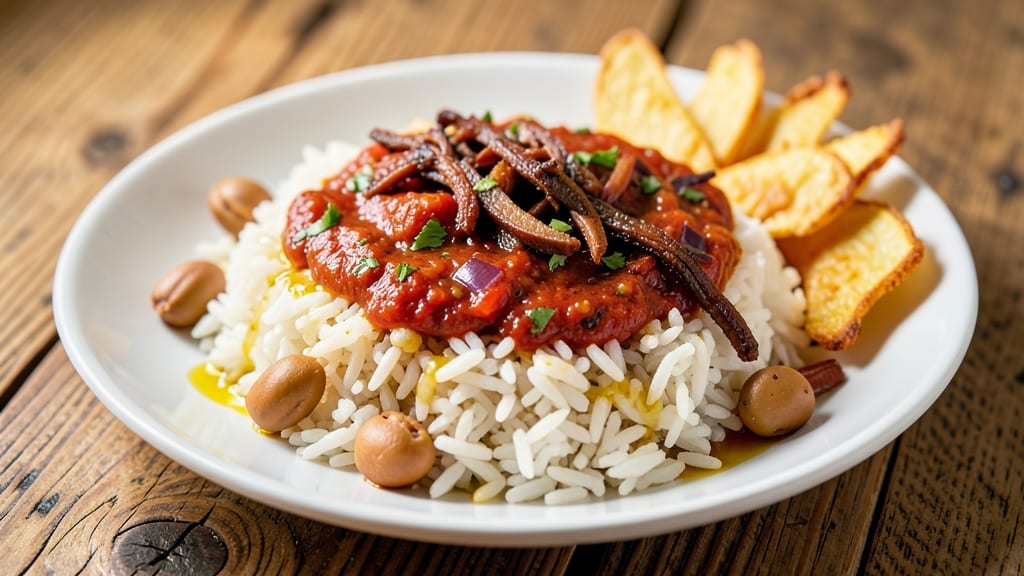
This Goya rice and gandules recipe brings the heart of Puerto Rican home cooking to your table with a dish that’s as comforting as it is flavorful.
The secret lies in the sofrito—a fragrant blend of peppers, onions, and garlic—that builds the foundation for tender gandules, perfectly cooked rice, and optional braised pork. I’ve perfected this recipe through years of testing, ensuring every bite delivers that signature balance of smoky, savory, and slightly sweet flavors.
The magic happens in layers: first, the sofrito simmers to release deep, aromatic notes, then the gandules (pigeon peas) soften into creamy texture, and finally, the rice absorbs the rich broth while staying distinct.
Whether you add ham, chicken, or pork, the adobo-braised protein infuses the dish with an irresistible depth. This isn’t just a side—it’s a complete meal in one pot, ready to feed a family or impress guests with its restaurant-quality results.
What makes this recipe stand out is its versatility. You can prepare it with or without meat, making it adaptable for any occasion—from a casual Sunday dinner to a festive gathering. The dish also reheats beautifully, so leftovers taste just as good the next day.
With just a few hours of hands-on time (and minimal cleanup), you’ll have a dish that tastes like home, no matter where you are.
For those new to Puerto Rican cooking, don’t be intimidated by the sofrito—it’s simpler than it sounds, and the payoff is worth every minute. The key is patience, as the flavors develop slowly, transforming simple ingredients into something extraordinary.
Let’s get cooking and bring a taste of the island to your kitchen.
Ingredients for goya rice and gandules
Pantry staples meet Puerto Rican soul in this one-pot wonder.
| Ingredient | Amount | Notes |
|---|---|---|
| Long-Grain White Rice 🍚 | 2 cups | Uncooked, preferably Goya brand |
| Goya Gandules (Pigeon Peas) 🌱 | 1 ½ cups | Dried, soaked overnight |
| Goya Sofrito 🧅 | 1 cup | Jarred or homemade blend |
| Goya Tomato Sauce 🍅 | 1 cup | 15 oz can, drained |
| Adobo-Braised Pork Shoulder 🐖 | 1 ½ lb | Pre-cooked, shredded |
| Goya Annatto Oil 🫒 | 2 tbsp | For vibrant color |
| Garlic Cloves 🧄 | 6 cloves | Fresh, minced |
| Yellow Bell Pepper 🌶️ | 1 whole | Diced, any color |
| Yellow Onion 🧅 | 1 whole | Diced, medium size |
| Goya Adobo Seasoning 🌶️ | 1 tbsp | For extra flavor |
| Bay Leaves 🌿 | 2 whole | Dried, removed before serving |
| Salt 🧂 | 1 ½ tsp | Adjust to taste |
| Black Pepper 🌶️ | ½ tsp | Freshly ground |
| Water 💧 | 4 cups | Or chicken broth |
| Olive Oil 🫒 | 2 tbsp | For sautéing |
Goya products are the secret weapon here. Goya Sofrito and Goya Tomato Sauce are non-negotiable for that authentic taste—Walmart or Latin markets stock them reliably. The gandules? Soak them overnight (that's non-negotiable for tender peas), but if you're in a hurry, pre-cooked gandules from Goya save time. For the pork, Costco's pre-braised shoulder is a game-changer, but any adobo-seasoned pork works. The annatto oil gives that signature orange hue—don't skip it if you want that restaurant look.
No Goya Sofrito? Homemade blend of bell pepper, onion, garlic, and cilantro works (just sauté it first). Short on gandules? Substitute extra pigeon peas or even black beans—just adjust cooking time. The pork optional? Make it a veggie dish with extra sofrito and smoked paprika. For the rice, jasmine rice adds extra aroma, but long-grain white is classic. The adobo seasoning packet? Use the whole thing—it's packed with flavor.
This tastes even better the next day—double the batch if you can. Store leftovers in the fridge for 4-5 days, or freeze for 3 months. I portion mine into containers so lunches are sorted for the week. The sofrito base keeps in the pantry for 6 months—make extra for future recipes. And that annatto oil? One drop goes a long way, so use sparingly.
Why You'll Love This Recipe
- I’ll be real: this is my go-to when I want a hearty meal without breaking the bank. The Goya canned goods cut prep time and cost, while the pork shoulder stretches across multiple servings. Plus, it feels like a restaurant dish—without the price tag.
- One-Pot Magic: I swear by this recipe when I’m too tired to wash pots—just toss everything in one big skillet, stir occasionally, and walk away. The rice cooks right in the sauce, soaking up all that smoky pork and sofrito flavor without a single separate pan.
- Gandules That Shine: Between us, those Goya gandules are the star—firm but tender, bursting with that earthy, slightly sweet taste that just works with the pork. Honestly, I’ll take this over plain rice any day, especially when the sofrito’s garlic and culantro add that bright, herby punch.
- Leftovers That Last: This dish tastes even better the next day, which is perfect because I always make a double batch. The rice stays fluffy, the pork gets more tender, and the sauce thickens into something richer—ideal for lunchboxes or a quick reheat for dinner.
Step-by-step instructions for Goya rice and gandules
Here's how to create this hearty Puerto Rican classic with rich flavors and tender textures.
Prepare the Gandules and Sauté the Aromatics
First, drain and rinse the soaked 1.5 cups Goya Gandules (Pigeon Peas) thoroughly under cold water. In a large pot, combine the gandules with 4 cups Water and bring to a boil. Reduce heat to medium-low and simmer for 30 minutes until the peas are tender but not mushy. Keep them warm while you prepare the rest.
While the gandules cook, heat 2 tablespoons Olive Oil in a large skillet over medium heat. Add the diced 1 whole Yellow Onion and 1 whole Yellow Bell Pepper, cooking for 5-6 minutes until softened. Add the minced 6 cloves Garlic Cloves and cook for another 30 seconds until fragrant. This aromatic base forms the flavor foundation for your dish.
Build the Flavor Base with Sofrito and Tomato Sauce
Add the 1 cup Goya Sofrito to the skillet with onions and peppers. Stir well and cook for 2 minutes to let the flavors meld. Then pour in the 1 cup Goya Tomato Sauce and stir to combine. Let this mixture simmer for 3-4 minutes until slightly thickened and the raw taste of the sofrito disappears. This step creates the rich, savory sauce that will coat every grain of rice.
Here's where the magic happens: stir in the 2 tablespoons Goya Annatto Oil and 1 tablespoon Goya Adobo Seasoning. The annatto oil will give your dish that beautiful golden color while the adobo seasoning adds that signature Puerto Rican depth. Let everything cook together for 1 minute to fully incorporate the flavors.
Combine All Ingredients and Cook the Rice
Add the 2 cups Long-Grain White Rice to the skillet and stir to coat it evenly with the flavorful mixture. Cook for 2 minutes to toast the rice slightly and enhance its nutty flavor. Then transfer everything to your pot with the cooked gandules. Stir gently to combine.
Add the shredded 1.5 lb Adobo-Braised Pork Shoulder, 1.5 teaspoons Salt, and 0.5 teaspoon Black Pepper to the pot. Place the 2 whole Bay Leaves on top. The pork will infuse the rice with its smoky, tender flavors as everything cooks together. Bring the mixture to a gentle boil, then reduce heat to low, cover, and simmer for 20 minutes.
Steam and Rest for Perfect Texture
After 20 minutes, check the rice. If it's still slightly firm in the center, continue cooking with the pot covered for another 5-10 minutes. You're aiming for rice that's tender but still has a slight bite—this ensures it won't be mushy. The gandules should be fully tender and the pork should be heated through.
Once the rice reaches perfect doneness, remove the bay leaves and let the entire dish rest covered for 5 minutes. This resting period allows the flavors to meld completely and the rice to absorb any remaining liquid. The result should be perfectly cooked rice with tender gandules, flavorful pork, and a rich sauce coating every bite.
Pro Tips For Making Goya Rice And Gandules
- Toast the Gandules: Before adding gandules to your sofrito, dry them in a skillet over medium heat for 3-4 minutes—just until they smell nutty and deepen in color. I learned this the hard way: skipping this step leaves them bland and mushy, no matter how long you simmer.
- Layer the Rice: Cook the rice in two batches if your pot is too shallow—spread half the rice in a thin layer, cook until slightly crispy at the edges, then add the rest. This guarantees even cooking and that coveted bottom crust without burning the gandules or sofrito.
- Shred Pork Properly: Use two forks to pull the braised pork shoulder apart into thick, uneven shreds—don’t chop it. The texture should be tender but still hold shape, so it soaks up the tomato sauce without turning into a paste. (Yes, even if you’re impatient like me.)
- Finish with Hot Oil: Stir in 1 tablespoon of olive oil at the end over high heat for 30 seconds—it brightens the flavors and adds a silky finish. Sounds weird, but it works: the rice goes from good to wow in seconds.
Essential equipment for this recipe
Large Pot Essentials
You’ll need a heavy-bottomed Dutch oven (I use a Le Creuset 6-quart) or a large stainless steel pot with a tight-fitting lid. The depth matters—aim for at least 3 inches to accommodate the rice, gandules, and pork without boiling over.
A steam basket (optional but helpful) keeps the rice from sticking to the lid while allowing steam to circulate. For even cooking, I recommend a pot with a flat bottom—this prevents hot spots that can burn your sofrito base. 🔥
Precision Tools
A digital kitchen scale (like the OXO Good Grips) ensures accurate measurements, especially for the rice-to-liquid ratio. The gandules need exact soaking time—use a timer (I set mine for 8 hours) to avoid under- or over-soaking.
A fine-mesh strainer (like OXO’s Good Grips) helps drain the gandules efficiently, and a wooden spoon prevents scratching your pot while stirring the sofrito. For the annatto oil, a dropper bottle (or a small squeeze bottle) gives you precise control over that signature color. 💧
Goya-Specific Gear
Invest in a Goya Sofrito jar opener (or a can opener with a wide mouth)—the thick paste inside regular jars can be stubborn. A small mixing bowl (like Pyrex 8-inch) helps pre-mix the sofrito with tomato sauce before adding it to the pot.
For the adobo-braised pork, a sharp carving knife (I use Victorinox 8-inch) shreds it cleanly, while a tongs makes it easier to handle. Store your Goya products in airtight containers (I love Glasslock 16-ounce jars) to keep them fresh for future recipes. ✨
Optional Upgrades
A meat thermometer (like ThermoWorks Luxe) ensures your pork reaches 165°F before serving, while a microplane (for garlic) gives you ultra-fine minces that dissolve into the sofrito.
For presentation, a slotted spoon helps serve the pork separately, and a small plate with a lime wedge adds a fresh contrast to the rich dish. If you love leftovers, portion containers (like Rubbermaid Brilliance) keep meals organized for the week. 💡
Budget-Friendly Swaps
No Dutch oven? A large stainless steel pot with a lid works just fine—just monitor the heat closely. Skip the scale? Use cups and spoons (1 cup rice = 2 cups water). For sofrito, a blender (like Ninja 750W) lets you make homemade versions from scratch.
A wooden spoon replaces a mixing bowl, and a fork can shred pork in a pinch. The key is patience—these swaps won’t compromise flavor, just timing. 💪
Nutrition facts
Frequently asked questions
Can I make this dish without pork?
This recipe works beautifully as a vegetarian dish. Replace the pork with extra sofrito and smoked paprika for depth, or add diced tofu or tempeh marinated in adobo seasoning. The gandules and rice will still be rich and satisfying—just ensure you increase the liquid slightly (4.5 cups water) to account for the missing protein.
Why do I need to soak the gandules overnight?
Soaking the gandules for 8-10 hours (or overnight) is crucial because dried pigeon peas absorb water slowly. This process prevents them from becoming mushy or splitting during cooking. If you're short on time, use pre-cooked Goya gandules (found in the canned section) to save 1 hour of prep time.
What’s the secret to perfectly cooked rice?
The rice should be tender but still have a slight bite at the center when done. After the initial 20-minute simmer, check for doneness—if it’s firm, cook for another 5-10 minutes covered. Avoid stirring too much while cooking to prevent mushiness. The key is patience: let the rice steam evenly in its own juices.
Can I make this in a rice cooker?
Yes! Use a 6-quart rice cooker with the same ingredients, but reduce the water to 3 cups (instead of 4). Cook the gandules separately, then combine everything in the rice cooker. The rice cooker’s even heat distribution ensures perfect results—just skip the resting step and serve immediately.
How do I store leftovers?
Store leftovers in an airtight container in the fridge for 4-5 days or freeze for 3 months. Reheat gently in a pot with 1-2 tablespoons water to prevent drying. The flavors actually improve overnight, making this dish perfect for meal prep!