
Side Dishes
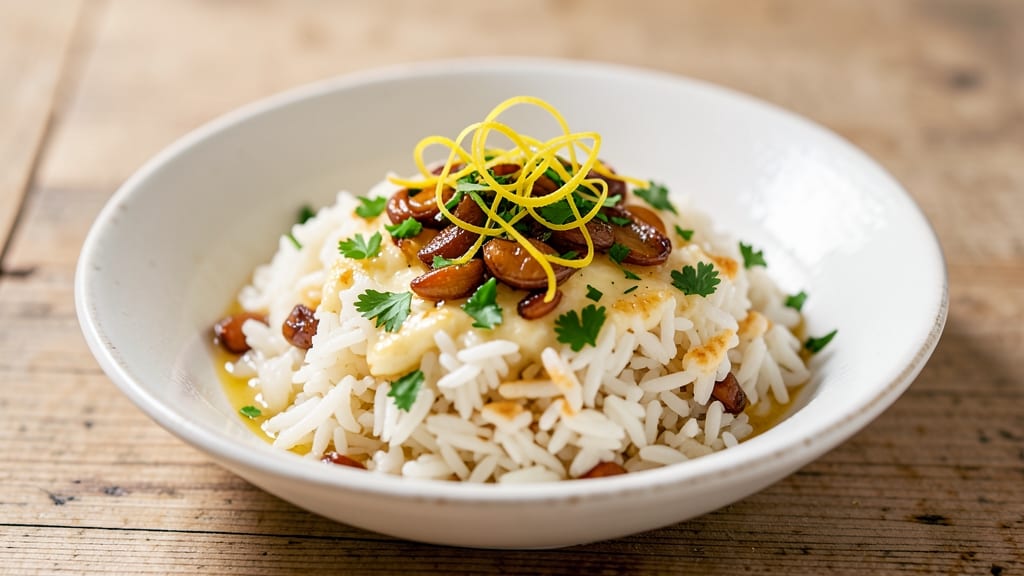
Ina Garten's rice recipe transforms a simple side into a dish that deserves center stage with its bright lemon-herb elegance and effortless one-pot technique. The secret lies in balancing zesty citrus with aromatic herbs, creating a fragrant base that builds flavor as it simmers.
I developed this version after perfecting her signature approach—where every ingredient plays a role, and the result is restaurant-worthy without requiring hours in the kitchen.
What makes this recipe special is its simplicity and versatility. You'll start with long-grain rice cooked in broth, then finish with a burst of lemon zest, fresh herbs, and a touch of butter for richness.
The one-pot method ensures minimal cleanup while delivering perfectly fluffy grains with bright, vibrant flavors. This dish pairs beautifully with grilled meats, roasted vegetables, or even as a standalone vegetarian meal.
The result is a dish that's impossibly light yet satisfying, with each grain infused with lemon's tangy brightness and fresh herbs that elevate every bite. The aroma alone will have everyone at the table anticipating the first taste.
Whether serving for a weeknight dinner or a special occasion, this recipe delivers professional-quality results with just a few simple steps.
Ready to elevate your rice game? This method is foolproof and adaptable—feel free to swap herbs or adjust the lemon to taste. Let's create a dish that feels like a homemade masterpiece, inspired by Ina Garten's signature style.
Ingredients for ina garten rice
Bright citrus, aromatic herbs, and perfectly fluffy rice—this refined one-pot method brings Ina Garten's signature elegance to your table.
| Ingredient | Amount | Notes |
|---|---|---|
| Long-Grain White Rice 🍚 | 1 ½ cups | Uncooked, preferably jasmine or basmati |
| Chicken Broth 💧 | 3 cups | Low-sodium preferred, homemade or quality brand |
| Unsalted Butter 🧈 | 2 tbsp | Cold, cut into small cubes |
| Fresh Lemon Zest 🍋 | 1 tbsp | From organic lemons, finely grated |
| Fresh Lemon Juice 🍋 | 2 tbsp | Freshly squeezed, no pulp |
| Fresh Parsley 🌿 | ¼ cup | Flat-leaf, finely chopped |
| Fresh Tarragon 🌿 | ¼ cup | Finely chopped, or substitute thyme |
| Garlic Cloves 🧄 | 3 cloves | Minced, fresh preferred |
| Shallots 🧅 | 2 whole | Finely minced, or substitute small onions |
| Extra-Virgin Olive Oil 🫒 | 1 tbsp | High-quality, fruity variety |
| Diamond Crystal Kosher Salt 🧂 | ¾ tsp | Adjust to taste |
| Ground Black Pepper 🌶️ | ¼ tsp | Freshly ground preferred |
The rice selection matters—jasmine or basmati deliver that signature Ina Garten texture, with individual grains that stay distinct. For broth, homemade or high-quality low-sodium brands like Pacific Foods ensure depth of flavor without salt overload. Fresh herbs are non-negotiable here; Whole Foods or local farmers markets offer the brightest tarragon and parsley. Shallots add delicate sweetness—substitute small red onions if unavailable, but don't skip them entirely. The lemon should be organic when possible; conventional lemons often have thicker skins that yield less zest. For the butter, Plugrá or Land O'Lakes cultured adds richness without overpowering the citrus notes.
No tarragon? Fresh thyme or marjoram at half the amount works beautifully—just reduce to maintain balance. Running short on shallots? Two small red onions minced finely will carry the dish. The lemon zest can be prepped ahead; store in an airtight container in the fridge for up to 3 days. For the olive oil, California Avocado oil is a neutral alternative if you're avoiding olive's peppery notes. The kosher salt is crucial—Diamond Crystal measures differently than table salt, so use the exact amount specified. Freshly ground black pepper brightens the final dish, but omit if serving to children who dislike its intensity.
This rice keeps beautifully—reheats perfectly in the microwave with a splash of water or broth. Store covered in the refrigerator for up to 5 days, though the flavors peak within the first 2 days. For longer storage, freeze portions in airtight containers for up to 3 months. The lemon zest can be frozen in ice cube trays for later use, though fresh is always superior. When serving, garnish with extra herbs and a drizzle of olive oil—presentation matters as much as flavor in this dish. Portion into individual containers for meal prep; the rice holds its texture beautifully when reheated.
Why You'll Love This Recipe
- No-Fuss Simplicity: I swear by this recipe because it’s the kind of dish that lets you actually relax. Toss rice, broth, and butter in one pot—no fancy layers, no constant stirring. The lemon zest and juice brighten everything in a single stir at the end. Honestly, my weeknights thank me for it.
- Bright, Buttery Magic: That first bite of fluffy rice kissed with warm butter and a zing of lemon? It’s the kind of flavor that makes you pause. The broth builds depth, but the citrus cuts through the richness—like a hug for your taste buds. (Yes, even on a Tuesday night.)
- Leftover Hero: This rice keeps perfectly for days, so I make it on Sundays and forget about lunches. Reheat it with a splash of broth, and it’s just as tender. My kids ask for it cold in salads too—because even simple rice gets a glow-up with lemon.
- Budget-Friendly Luxe: Long-grain rice and broth are pantry staples, but the butter and lemon turn it into something special. I’ll be real: it’s my go-to when I want restaurant-worthy without the splurge. One pot, minimal ingredients, maximum satisfaction.
Step-by-step instructions for Ina Garten's one-pot lemon herb rice
Aromatic, bright, and perfectly balanced—this refined rice dish delivers restaurant-quality results with minimal effort.
Sauté Aromatics in Olive Oil
Heat the 1 tablespoon extra-virgin olive oil in a heavy-bottomed pot over medium heat. Add the 2 whole shallots and 3 cloves garlic cloves, cooking until the shallots soften and become translucent—about 4-5 minutes. Here's the thing—don't let them brown, or you'll develop bitterness that overpowers the delicate lemon and herbs.
Stir frequently to prevent sticking, and watch for the garlic to release its fragrant aroma. You'll know it's ready when the raw smell disappears and the mixture turns uniformly golden. This foundational step builds the flavor base for the entire dish, so take your time and avoid rushing.
Toast the Rice and Infuse with Butter
Add the 1.5 cups long-grain white rice to the pot and stir to coat evenly in the oil. Increase heat to medium-high and toast the rice for 2-3 minutes, stirring constantly, until it becomes opaque and slightly translucent at the edges. This critical step prevents mushy rice by developing a slight crust on each grain.
Reduce heat to medium and add the 2 tablespoon unsalted butter, stirring until fully melted and incorporated. The butter will coat the rice, adding richness and preventing dryness during cooking. Here's where it gets subtle: the butter's low heat melting ensures it infuses rather than burns, creating a velvety texture in the finished dish.
Deglaze with Lemon and Herbs
Pour in the 2 tablespoon fresh lemon juice and 1 tablespoon fresh lemon zest, stirring vigorously to distribute the citrus throughout the rice. The zest will brighten the dish immediately, while the juice adds acidity that balances the richness. Let it simmer for 1 minute to allow the lemon flavors to meld with the butter and aromatics.
Add the 0.25 cup fresh parsley and 0.25 cup fresh tarragon, stirring to combine. These herbs will infuse the rice with their distinct flavors as they cook. I like to press the herbs into the rice gently with a wooden spoon to release their essential oils. This step ensures every grain is coated with the aromatic herb blend that defines this recipe.
Simmer in Broth to Perfect Texture
Pour in the 3 cups chicken broth and add the 0.75 teaspoon diamond crystal kosher salt and 0.25 teaspoon ground black pepper. Bring to a gentle simmer, then reduce heat to low and cover the pot with a tight-fitting lid. Here's the moment that matters: maintain a steady simmer—never a rolling boil—to prevent the rice from becoming mushy.
Cook for 18-20 minutes, checking periodically to ensure the broth hasn't completely evaporated. If it does, add 1-2 tablespoons hot water to maintain moisture. The rice is done when all liquid has been absorbed and the grains are tender but still have a slight bite—this is the hallmark of perfectly cooked rice.
Rest and Fluff for Ideal Texture
Remove the pot from heat and let the rice sit, covered, for 5 minutes. This resting period allows the residual heat to finish cooking the rice evenly and redistribute the flavors. Don't skip this step—it's what transforms good rice into exceptional rice.
Fluff the rice gently with a fork, cutting through any clumps to achieve that signature light, airy texture. The finished rice should be fragrant with lemon and herbs, with each grain distinct and tender. Serve immediately as a side dish or as a base for proteins, allowing the bright flavors to complement your main course.
Pro Tips For Making Ina Garten Rice
- TOAST THE RICE FIRST: Dry-toast the rice in the butter for 2-3 minutes before adding broth—this develops nutty flavor and prevents mushy grains. I learned this the hard way after making bland rice for years; the Maillard reaction here is your friend.
- USE COLD BROTH: Start with cold chicken broth instead of hot to avoid shocking the rice and ending up with uneven texture. Yes, it’ll take longer to come to a boil, but your rice will be fluffy and separate, not gummy.
- ZEST BEFORE JUICE: Add the lemon zest first while toasting the rice, then finish with juice at the end—this brightens the butter and broth before the acid hits. I used to toss zest in last and wondered why the flavor felt weak.
- REST THE RICE: Let the rice sit off heat, covered, for at least 5 minutes after absorbing the broth before fluffing. This steams the grains evenly and gives you that perfect, light texture—no one wants to serve clumpy rice, even if you’re in a rush.
Storing and reheating your ina garten rice
Refrigerator Storage
Store your lemon herb rice in an airtight container with a lid, allowing it to cool completely before refrigerating. I use glass Pyrex containers because they maintain flavor better than plastic and are microwave-safe.
Keep it refrigerated for up to 5 days, though the bright lemon and herb notes peak within the first 2 days. The rice will stay moist and fluffy if stored properly, with no need for extra liquid. 🌿
Freezer-Friendly Prep
For longer storage, portion the rice into freezer-safe containers or quart-sized freezer bags, leaving ½-inch headspace for expansion. Seal tightly to prevent freezer burn and label with the date.
This rice freezes beautifully for up to 3 months, though I recommend using it within 2 months for optimal texture and flavor. Thaw overnight in the fridge before reheating. ❄️
Microwave Reheating
Sprinkle 1 tablespoon water or chicken broth over the rice before covering with a damp paper towel. Heat on medium power (50%) for 2-3 minutes, stir, then continue in 30-second intervals until reaching 165°F internal temperature.
This method preserves the fluffy texture while reviving the lemon and herb aromas. Avoid high heat to prevent drying out the grains. 🔥
Stovetop Revival
Transfer the rice to a skillet with 2 tablespoons butter and 1 tablespoon chicken broth. Cook over low heat for 5-7 minutes, stirring occasionally, until warmed through. The butter adds richness and helps restore the dish's velvety texture.
Taste and adjust seasoning—you might need a pinch more salt or a squeeze of lemon to brighten the flavors. 💛
Meal Prep Tips
Divide the rice into individual portion containers for easy grab-and-go meals. Store with a small piece of lemon peel on top to preserve freshness. When reheating, add a splash of broth to maintain moisture.
I prep this rice on Sundays to pair with grilled chicken or roasted vegetables all week. The lemon zest keeps the rice tasting vibrant even after storage. 📅
Garnish for Freshness
Before serving reheated rice, top with fresh parsley, a drizzle of extra-virgin olive oil, and a pinch of flaky sea salt. This simple garnish restores the dish's restaurant-quality presentation.
The fresh herbs and citrus notes will make it taste almost as good as the day it was made. Presentation matters just as much as flavor in this recipe! ✨
Nutrition facts
Frequently asked questions
Can I use short-grain rice instead of long-grain in this recipe?
While you can technically use short-grain rice like sushi rice, it won't achieve the same light, fluffy texture that makes this dish special. Long-grain varieties like jasmine or basmati stay distinct when cooked, which is key to Ina Garten's signature presentation. For best results, stick with the recommended long-grain rice.
What's the secret to getting perfectly fluffy rice every time?
The three key steps are toasting the rice in butter first, maintaining a gentle simmer (not a boil), and letting it rest covered for 5 minutes after cooking. This resting period allows steam to redistribute evenly, creating that signature light texture. Don't skip it!
Can I make this rice dish ahead of time for a dinner party?
This recipe actually tastes better the next day as the flavors meld. Cook it 1-2 days ahead, store in an airtight container, and reheat gently with a splash of broth or butter. The lemon and herb notes become even more pronounced after resting. Just add fresh parsley as garnish before serving.
What's the best way to substitute tarragon if I can't find it?
Use ½ teaspoon dried tarragon (if available) or substitute with ¼ cup fresh thyme or marjoram. For a citrusy alternative, try ¼ cup fresh basil. The key is to maintain the herb's aromatic quality—never use dried herbs in place of fresh ones without adjusting the amount.
Why does my rice turn out mushy even though I followed the instructions?
Mushy rice usually happens from either boiling too vigorously or not resting after cooking. Keep the heat at a gentle simmer (small bubbles) and never let it come to a full boil. Also, make sure your pot has a tight-fitting lid to trap steam properly. If it still happens, try using slightly less broth next time.