
Side Dishes
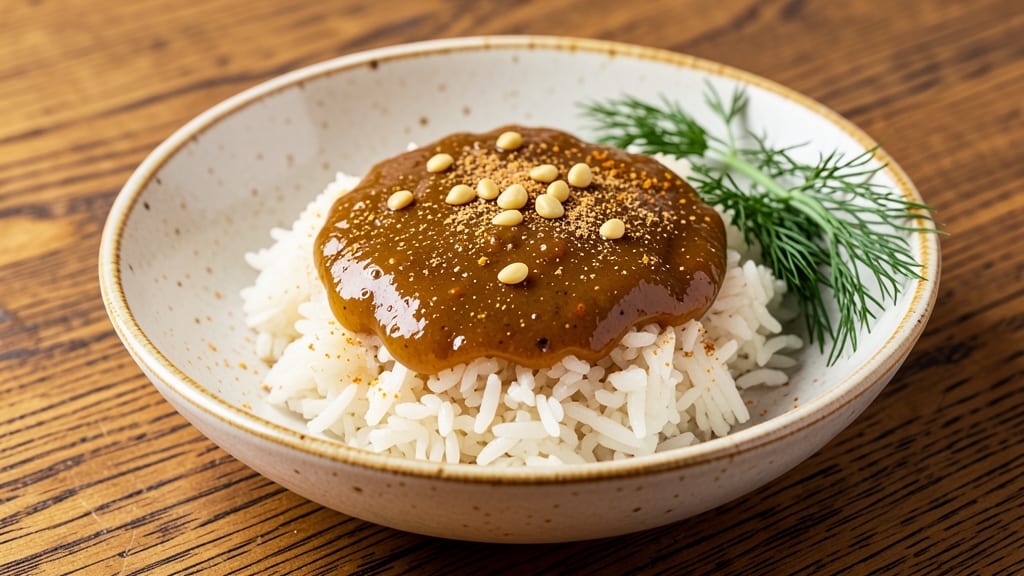
This pickle rice recipe delivers the perfect balance of sweet, tangy, and savory flavors that elevate any meal—whether you're serving it alongside fried fish, grilled meats, or using it as a bold rice bowl base.
The secret lies in the pickling process, where vinegar, sugar, and spices transform simple rice into a vibrant, flavor-packed side that's as visually striking as it is delicious. I've perfected this Carolina-style version over years of testing, ensuring each grain stays distinct yet infused with bright, complex flavors.
The beauty of pickle rice is its versatility—it works as a standalone dish or pairs beautifully with proteins like shrimp, chicken, or even a fried egg. The rice absorbs the pickling liquid just enough to add tangy depth without becoming soggy, while the spices create layers of warmth and brightness.
This recipe stays true to tradition while offering flexibility for modern twists, whether you're making it for a Southern-style dinner or a fusion-inspired meal.
What sets this version apart is the careful balance of ingredients: a touch of heat from mustard or cayenne, the sweetness of sugar, and the acidity of vinegar work together to create a harmonious flavor profile.
The result is rice that's tender yet holds its shape, with each bite offering a burst of pickled vegetables and aromatic spices. It's the kind of dish that transforms a simple meal into something memorable.
Once you try this pickle rice, you'll want to make it again and again—whether as a side for fried catfish or as the star of a rice bowl with fresh herbs and crunchy toppings.
The technique is straightforward, but the flavor impact is undeniable. Let's get started on creating this sweet and tangy Carolina classic that's sure to become a staple in your kitchen.
Ingredients for pickle rice
Sweet, tangy, and packed with Carolina charm—this rice needs just 14 simple ingredients.
| Ingredient | Amount | Notes |
|---|---|---|
| Long-Grain White Rice 🍚 | 2 cups | Uncooked, jasmine or basmati preferred |
| White Vinegar 💧 | ½ cup | Distilled or apple cider vinegar |
| Granulated Sugar 🍚 | ½ cup | White or brown sugar works |
| Yellow Mustard Seeds 🌶️ | 1 tbsp | Whole seeds for texture |
| Dried Mustard Powder 🌶️ | 1 tsp | Adds tangy depth |
| Ground Turmeric 🌿 | ½ tsp | For vibrant color |
| Ground Cayenne Pepper 🔥 | ¼ tsp | Adjust for heat preference |
| Salt 🧂 | 1 ½ tsp | Kosher salt preferred |
| Garlic Cloves 🧄 | 2 cloves | Minced for aromatic base |
| Red Onion 🧅 | ½ whole | Thinly sliced for crunch |
| Carrot 🥕 | 1 whole | Julienned for texture |
| Fresh Cilantro 🌿 | ¼ cup | Chopped, for garnish |
| Vegetable Oil 🫒 | 1 tbsp | For pickling liquid |
| Water 💧 | 3 cups | For rice cooking |
The rice is the star, so jasmine or basmati is ideal—they stay firm and separate, absorbing the pickling flavors beautifully. Trader Joe's carries both at great prices, and I always grab their organic basmati for this. For the vinegar, apple cider vinegar adds subtle sweetness, but regular white vinegar works too. Mustard seeds and powder are key—Penzeys sells them in bulk if you want to stock up. The turmeric gives that signature golden hue, so don't skip it. Look for ground turmeric in the spice aisle, not the baking section—it's more potent.
No mustard seeds? Dried mustard powder at double the amount works in a pinch. Short on cayenne? Red pepper flakes at half the amount gives similar heat. The vegetables can be swapped—green beans or bell peppers work great if you're not into carrots. For the garlic, fresh is non-negotiable—dried won't give the same punch. Prefer less crunch? Cook the onions and carrots down slightly before adding to the rice. The cilantro is purely for garnish, so fresh is best, but dried works if you're in a bind.
This rice tastes even better the next day as the flavors meld. Store in an airtight container in the fridge for up to 5 days, or freeze portions for 3 months. I like to portion mine into small containers—perfect for meal prep. The pickling liquid keeps for 1 week in the fridge if you want to make extra. Just remember: the rice absorbs the liquid, so don't over-pickle it if you're serving it immediately.
Why You'll Love This Recipe
- No-Chop Needed: I’ll be real—this recipe only asks for rice, vinegar, sugar, and those tiny mustard seeds. No diced onions, no minced garlic, no fancy prep. Just measure, mix, and let the rice soak up that tangy-sweet punch while you handle the rest of dinner.
- Tangy Crunch Alert: That vinegar-sugar combo? It’s like a bright, crunchy hug for your rice. The mustard seeds add a little peppery bite that wakes up every grain—no heavy cream, no complicated spices, just that perfect balance of sweet, sour, and just enough heat.
- Lunchbox Hero: Pack this cold or at room temp—it’s my go-to for lunches that don’t involve sad, soggy salads. Kids love the sweet-and-sour twist, and honestly? It’s the only rice I’ll eat straight from the fridge when I’m in a rush.
- Pantry Magic: You’re already stocked. White rice, vinegar, sugar—these are things I buy weekly. The mustard seeds? A one-time grab, and now I’ve got a side dish that costs pennies per serving but feels like a special treat. Leftovers? They last forever, too.
Step-by-step instructions for sweet and tangy Carolina-style rice
Here's how to make this vibrant, flavor-packed rice that balances sweetness and tang perfectly.
Prepare the Pickling Liquid
In a medium saucepan, combine the 3 cups water, 0.5 cup white vinegar, 0.5 cup granulated sugar, 1.5 teaspoons salt, 1 tablespoon yellow mustard seeds, 1 teaspoon dried mustard powder, 0.5 teaspoon ground turmeric, and 0.25 teaspoon ground cayenne pepper. Bring this mixture to a boil over medium-high heat, stirring until the sugar and salt fully dissolve.
Here's the thing—you want the liquid to be completely clear and free of any graininess. If you notice any undissolved sugar after 1-2 minutes, give it another quick stir. Once boiling, reduce the heat to medium-low and let it simmer for 5 minutes to allow the spices to infuse fully. The liquid should smell bright and tangy with a hint of heat from the cayenne.
Cook the Rice Al Dente
While the pickling liquid simmers, rinse the 2 cups long-grain white rice under cold water until the water runs clear. This removes excess starch that would make the rice gummy. In a separate pot, combine the rinsed rice with 1 tablespoon vegetable oil and toast it over medium heat for 2 minutes, stirring constantly. You'll see the rice turn slightly translucent at the edges—that's your cue it's ready.
Add the 2 minced garlic cloves and 0.5 whole red onion (thinly sliced) to the pot and cook for another 1 minute until fragrant. Pour in the simmering pickling liquid and bring back to a boil. Once boiling, reduce heat to low, cover tightly with a lid, and cook for 12 minutes. Don't peek or stir—the rice needs to steam evenly. After 12 minutes, turn off the heat and let it sit covered for 5 minutes. The rice should be tender but still have a slight bite—this ensures it holds up well when mixed with the vegetables.
Prepare the Vegetable Mixture
While the rice cooks, julienne the 1 whole carrot into thin strips (about 1/8-inch thick). Thinly slice the remaining 0.25 whole red onion (if any remains after Step 2) and chop the 0.25 cup fresh cilantro. In a small bowl, combine the julienned carrot, sliced onion, and chopped cilantro. Set aside—this mixture will add fresh crunch and vibrant color to your finished dish.
Here's where it gets fun—taste the vegetable mixture. If you'd like to enhance the flavor, sprinkle a pinch of the ground cayenne pepper or a tiny bit of the dried mustard powder over it. This step is optional but adds an extra layer of complexity to the dish. The vegetables should look bright and fresh, ready to be folded into the rice.
Combine and Rest for Perfect Texture
After the rice has rested for 5 minutes, carefully fluff it with a fork to separate the grains. Gently fold in the prepared vegetable mixture, distributing it evenly throughout the rice. The vegetables should be fully coated in the pickling liquid, absorbing those sweet and tangy flavors. Taste the rice at this stage—it should be perfectly balanced between sweet, tangy, and slightly spicy. If it needs more tang, add a splash of the reserved pickling liquid.
Transfer the rice to a serving dish and let it sit at room temperature for 10 minutes before serving. This resting period allows the flavors to meld together completely. The rice should be warm but not hot, with the vegetables retaining their bright color and slight crunch. Serve immediately alongside your favorite main dish—this rice pairs beautifully with grilled meats or fried fish.
Pro Tips For Making Pickle Rice
- Rinse Rice Twice: I learned this the hard way—skipping the second rinse leaves gummy rice that soaks up the vinegar instead of staying light and fluffy. Swirl the rice in cold water, let it settle, pour off the cloudy water, repeat. The extra 30 seconds saves you from mushy texture later.
- Bloom the Mustard: Toast the mustard seeds in a dry pan for 30 seconds until they pop—this unlocks their flavor. Then add them to the vinegar mixture while it simmers. Skipping this step means you’re just sprinkling dry seeds on top, and that’s a missed opportunity.
- Simmer Vinegar Low: Reduce the vinegar-sugar mix to a light syrup (about 5 minutes on medium-low). Too much heat and it’ll burn, leaving a bitter edge. Stir occasionally and watch closely—you want it thick enough to coat the back of a spoon but not sticky.
- Cool Rice Before Mixing: Spread the cooked rice on a tray to cool for 10 minutes before folding in the pickle sauce. Hot rice steams the vinegar, dulling its tang. Patience here keeps the flavors sharp and the texture perfect—no one wants soggy rice with a sad, watered-down pickle punch.
Dietary considerations for this dish
Gluten-Free Adaptations
This recipe is naturally gluten-free, but I always double-check my ingredients to ensure no cross-contamination. The white vinegar, rice, and vegetables are all gluten-free staples, but verify that your mustard seeds and spices are certified gluten-free if you're highly sensitive.
For extra safety, I like to use Bob's Red Mill gluten-free mustard powder—it's a reliable brand I trust. 🌾
Low-Carb Options
For a lower-carb version, swap the white rice for cauliflower rice or shirataki rice. I've tested this with Trader Joe's frozen cauliflower rice, which holds up well when cooked in the same pickling liquid.
Reduce the cooking time to 8-10 minutes since cauliflower rice cooks faster. The texture will be slightly different, but the tangy flavors shine through just as beautifully. 🥬
Vegetarian Adjustments
This dish is already vegetarian-friendly, but you can enhance it further by adding a soft-boiled egg or tofu cubes for extra protein. For the egg, cook it to 6 minutes for a runny yolk, then slice and place on top of the rice.
For tofu, press and pan-fry cubes in 1 tbsp sesame oil until golden—this adds a satisfying crunch. Both options pair perfectly with the bright, tangy flavors. 🍳
Nut-Free Considerations
While this recipe doesn't include nuts, I always recommend checking your pantry if you're nut-sensitive. The mustard seeds and spices are the only potential cross-contamination risks, so stick to certified nut-free brands.
For garnish, skip any nut-based toppings like peanuts or almonds, and stick to sesame seeds or crushed red pepper flakes for a safe, flavorful finish. 🌰
Allergen-Friendly Swaps
If you're avoiding mustard, replace the mustard seeds and powder with 1 tsp celery seeds and ½ tsp smoked paprika for depth. For a dairy-free version, ensure your cilantro is fresh and washed thoroughly—some store-bought herbs contain hidden dairy.
If you're sensitive to sulfites, opt for organic vinegar to minimize exposure. Always taste as you go to adjust flavors! 💛
Keto-Friendly Version
To make this keto-friendly, replace the rice with cauliflower rice or rutabaga rice, both of which are low-carb alternatives. Cook the cauliflower rice in the same pickling liquid for 8-10 minutes, then fold in the vegetables as directed.
For extra richness, top with crumbled bacon or avocado slices. The result is a tangy, crunchy side that fits perfectly into a keto meal plan. 🥑
Nutrition facts
Frequently asked questions
Can I make this rice without mustard seeds?
If you don't have mustard seeds, use 2 teaspoons dried mustard powder instead for the same tangy depth. For a milder flavor, substitute with 1 teaspoon celery seeds and ½ teaspoon smoked paprika—both add earthy notes that complement the pickled flavors beautifully.
How do I prevent the rice from getting mushy?
Rinse the rice thoroughly before cooking to remove excess starch, and cook it al dente (about 12 minutes for white rice). After cooking, let it rest covered for 5 minutes before fluffing. Avoid stirring while cooking—this keeps the grains intact. The pickling liquid should be added after cooking, not during, to maintain texture.
Can I use brown rice instead of white?
Yes, but adjust the cooking time to 45-50 minutes (or follow package instructions) and use 1 cup water per 1 cup rice. Brown rice absorbs more liquid, so you may need to add extra pickling liquid after cooking. The texture will be nuttier and heartier, but the flavors will still shine through.
How long can I store leftover pickle rice?
Store in an airtight container in the fridge for up to 5 days, or freeze for 3 months. The flavors actually improve overnight as the tangy liquid infuses deeper. Reheat gently in a skillet with 1 tablespoon water to restore moisture. For best texture, serve at room temperature.
What's the best way to serve this rice?
This rice pairs perfectly with fried fish (like catfish or tilapia), grilled chicken, or even a soft-boiled egg on top. For a modern twist, serve it in bowls with avocado, black beans, and lime crema. The sweet-tangy flavors work equally well as a side or a main dish when topped with protein.