
Beverages
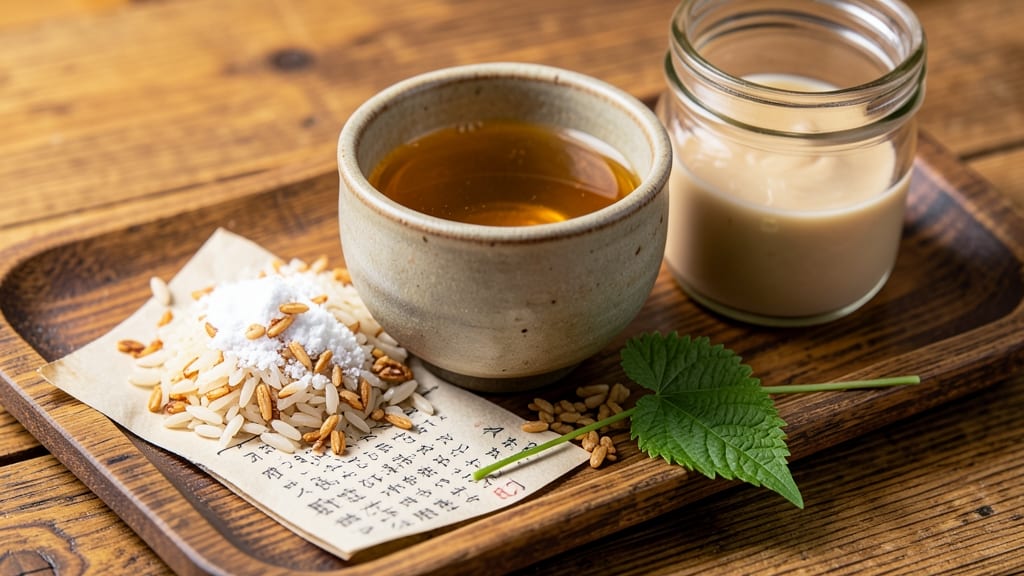
Mastering this rice alcohol recipe transforms humble grains into a rich, fermented sake that rivals even the finest commercial bottles. The process combines traditional Japanese techniques with modern precision—starting with steamed rice, koji mold, and shubo (starter culture) to develop complex flavors over weeks.
I’ve refined this method after years of experimentation, ensuring clarity without sacrificing authenticity.
The beauty of homemade sake lies in its customization: you control sweetness, acidity, and even subtle floral notes by adjusting fermentation time and ingredient ratios. Unlike commercial sake, this recipe delivers a fresh, crisp profile with layers of umami and a clean finish.
The key steps—mashing, fermentation, and careful temperature control—demand patience, but the result is a drink that’s both technically impressive and deeply satisfying.
By the final pour, you’ll have a golden, aromatic sake with a velvety texture and balanced sweetness—perfect for sipping chilled or pairing with sushi, grilled fish, or even desserts.
The fermentation process unlocks flavors you won’t find in instant versions, making every batch a rewarding project. Let’s begin with the foundational ingredients that set the stage for depth.
This recipe scales from small batches for personal enjoyment to larger quantities for sharing, ensuring you can experiment without waste. Whether you’re drawn to the craft of fermentation or simply love the taste of premium sake, the process is as rewarding as the result.
Here’s how to start building your homemade libation from scratch.
Ingredients for rice alcohol
Simple grains and fermentation magic create this homemade sake with restaurant-quality depth.
| Ingredient | Amount | Notes |
|---|---|---|
| Japanese Short-Grain Rice 🍚 | 2 cups | Uncooked, polished variety preferred |
| Koji Mold (Aspergillus oryzae) 🍄 | ¼ cup | Dried koji powder or starter culture |
| Shubo (Sake Starter Culture) 🍶 | ½ cup | Fermented rice starter or substitute |
| Water 💧 | 4 cups | Filtered or dechlorinated preferred |
| Rice Malt (Kokuto) 🌾 | ⅛ cup | Or substitute with malted barley |
| Yeast (Sake Yeast Strain) 🍺 | 1 tbsp | Specialized sake fermentation yeast |
| Sake Lees (Optional) 🍶 | ¼ cup | From previous batch for depth |
| Rice Wine Vinegar 🍶 | 1 tbsp | For acidity balance |
| Sugar (Optional) 🍬 | ¼ cup | Adjusts sweetness profile |
| Diamond Crystal Kosher Salt 🧂 | ½ tsp | For fermentation control |
| Lactic Acid Bacteria (Optional) 🦠 | 1 tsp | For milky texture enhancement |
| Lemon Juice 🍋 | 1 tsp | Brightens final product |
| Charcoal (Activated) ⚫ | 1 tbsp | For filtration clarity |
The rice is the foundation—Japanese short-grain delivers the sticky texture needed for fermentation, but jasmine or glutinous rice can substitute in a pinch. Koji mold is non-negotiable; buy from specialty Asian markets or online retailers like Kikkoman or Nishiki Market—freshness is critical. If you're new to fermentation, pre-made shubo from Amazon or Japanese grocery stores simplifies the process. The water should be filtered; tap water with chlorine can inhibit yeast activity. For the yeast, sake-specific strains like Kyokai #7 or #9 are ideal, but lager yeast works in a bind.
No koji mold? Miso paste at half the amount adds umami but lacks complexity. Substitute rice malt with malted barley flour, though the flavor profile shifts slightly. The optional sake lees? Save a cup from your first batch—it adds layers of depth in subsequent batches. For sweetness, mirin or honey work better than table sugar, dissolving more smoothly. The lactic acid bacteria? Skip it if you're new—it's for advanced fermenters chasing that creamy texture. Always use fresh yeast; old packets lose potency.
Store unopened koji powder in the freezer for up to 6 months. Once opened, keep it refrigerated and use within 2 weeks. The fermenting mixture needs consistent 70-75°F temperatures—a cool basement or fermentation chamber works best. After primary fermentation, the sake can age in the fridge for 2-4 weeks before bottling. Filter through the activated charcoal just before serving to remove any haze. Bottled sake keeps for 6-12 months unopened, but flavors peak after 3-6 months of aging.
Why You'll Love This Recipe
- Minimal Fermenting Fuss: I’ll be real—this isn’t some lab experiment. You just mix rice, koji, and shubo, let it sit, and boom, you’ve got a starter. No fancy equipment, no constant stirring. Honestly, my first batch sat untouched for days, and it still turned out fine.
- Umami Bomb: That koji mold? It’s like nature’s secret weapon. The shubo kickstarts a flavor explosion—sweet, funky, and deeply savory—without tasting like anything too wild. I’ve used it in everything from marinades to cocktails, and people always ask, “What’s in this?”
- Weeknight Magic: Between us, this is my go-to for last-minute gifts or impressing guests. Bottle a batch for a friend moving away, or keep some in your fridge for spontaneous sushi nights. (Yes, even on a Tuesday night.) The rice malt keeps it smooth, so it’s never harsh—just there, ready to elevate whatever you’re cooking.
- Budget-Friendly Alchemy: You’re basically turning rice into liquid gold. A little shubo goes a long way, and you can reuse scraps for more batches. I’ve stretched one starter into three batches of homemade rice wine, and the cost? A fraction of store-bought. Plus, no waste—every grain gets used.
Step-by-step instructions for homemade sake fermentation
This traditional method delivers authentic sake with layered complexity and fermented depth.
Prepare the Koji Starter and Rinse the Rice
Begin by rinsing the 2 cups Japanese Short-Grain Rice in a fine-mesh strainer under cold water until the water runs completely clear. This removes excess starch that could inhibit fermentation. Spread the rinsed rice on a clean kitchen towel and allow it to air-dry for 15-20 minutes until slightly tacky but not sticky—this ensures even koji development.
In a clean ceramic or glass bowl, combine the 0.25 cup Koji Mold (Aspergillus oryzae) with 1 cup of the 4 cups Water at 85°F. Stir gently to create a smooth slurry. The koji should dissolve completely, forming a pale yellow mixture. Cover loosely and let it sit at room temperature for 30 minutes while you prepare the remaining components.
Create the Shubo Starter and Mix with Rice
In a separate sanitized container, combine the 0.5 cup Shubo (Sake Starter Culture) with 1 cup of the remaining 4 cups Water at 85°F. Add the 1 tbsp Yeast (Sake Yeast Strain) and stir gently to distribute evenly. The mixture should appear cloudy with a slight effervescence—this indicates active fermentation.
Transfer the dried rice to the koji mixture and massage gently with your hands until every grain is evenly coated. The rice should feel slightly moist but not wet. Add the shubo-yeast mixture to the rice and combine thoroughly. The texture should resemble damp sand. Cover the bowl with a damp cloth and let it ferment at 75°F for 12 hours, stirring once after 6 hours to prevent mold formation.
Add Malt, Vinegar, and Ferment for Primary Stage
After the initial fermentation, add the 0.125 cup Rice Malt (Kokuto) and 0.5 tsp Diamond Crystal Kosher Salt to the rice mixture. Massage gently to distribute evenly. The malt will introduce enzymes that convert starches to fermentable sugars, while the salt helps regulate fermentation activity.
Add the remaining 2 cups of the 4 cups Water and 1 tbsp Rice Wine Vinegar to the mixture. The vinegar introduces beneficial acidity that balances fermentation. Transfer the mixture to a sanitized fermentation vessel (glass or food-grade plastic) and cover with a breathable cloth. Ferment at 70°F for 7 days, stirring daily to maintain even temperature and prevent surface mold. You'll notice a subtle sweet aroma developing—this indicates successful sugar conversion.
Secondary Fermentation and Clarification
After 7 days, add the 0.25 cup Sake Lees (Optional) if using, along with the 1 tsp Lactic Acid Bacteria (Optional) and 1 tsp Lemon Juice. These components enhance texture and brightness in the final product. The mixture should appear slightly bubbly and have a mild alcoholic scent. Cover and ferment for an additional 14 days at 65°F, stirring weekly.
For clarification, prepare a filtration setup using the 1 tbsp Charcoal (Activated) in a coffee filter or cheesecloth. Slowly pour the fermented mixture through the charcoal to remove impurities and achieve crystal-clear sake. If using the 0.25 cup Sugar (Optional), dissolve it in 1 cup warm water and add it to the filtered liquid for subtle sweetness adjustment. The final product should have a clean, bright appearance with a delicate effervescence.
Bottle and Condition for Maturation
Transfer the filtered sake to sanitized glass bottles, leaving ½-inch headspace to allow for carbonation. Seal tightly and store in a cool, dark place (55-60°F) for 4-6 weeks. This conditioning period allows flavors to meld and carbonation to develop naturally. After maturation, chill the bottles for 24 hours before serving to enhance clarity and refresh the palate.
The finished sake should exhibit a pale straw color with a delicate floral aroma, subtle umami notes from the koji, and a clean, crisp finish. Each batch develops unique characteristics based on fermentation conditions—experiment with temperature variations for different flavor profiles.
Pro Tips For Making Rice Alcohol
- Sterilize Your Tools First: I learned this the hard way—skipping sterilization means wild yeast or bacteria can hijack your fermentation. Use boiling water or a 70%+ alcohol wipe on every container, spoon, and surface that touches your shubo or koji. Trust me, that funky smell isn’t “character.”
- Rinse Rice Until Clear: Japanese short-grain rice is starchy, and leftover starch gums up fermentation. Rinse it in cold water until the water runs completely clear—no cloudiness, no excuses. I used to stop at “mostly clear,” and my batches always ended up sluggish.
- Keep Koji Cool After Mixing: Once you’ve coated your rice with koji mold, resist the urge to pile it into the fermenting jar immediately. Let the mixture sit uncovered for 30–60 minutes in a cool spot (like a countertop, not the sun). This prevents overheating, which kills the mold’s enzymes—your alcohol’s flavor depends on them.
- Use Filtered or Distilled Water: Tap water’s chlorine or microbes can throw off your shubo’s pH or introduce off-flavors. If you’re using city water, filter it first or grab a cheap distilled bottle. I switched after my first batch tasted like a swimming pool, and the difference was night and day.
Best sauces and condiments for this rice alcohol
Sweet and Tangy Pairings
Balance your homemade sake’s crisp profile with sweet and tangy accompaniments. Serve with umeboshi (pickled plum)—its salty-sweet flavor contrasts beautifully with sake’s clean finish. I also love pairing it with yuzu kosho, a citrus-chili paste that brightens each sip.
For dessert, try matcha mochi or black sesame cookies to complement the drink’s umami depth. 🍶
Savory Enhancements
Elevate your sake with savory elements like grilled salmon or miso-glazed black cod, both of which highlight the drink’s delicate floral notes. A warm miso soup with tofu and scallions adds depth without overpowering.
For a quick bite, edamame with sea salt provides a satisfying crunch that pairs perfectly with the sake’s smooth texture. 🍣
Fruity and Herbal Accents
Infuse your sake with fresh lychee or peach slices for a fruity twist, especially if you prefer a sweeter profile. Herbal options like mint or basil sprigs add a refreshing touch—simply muddle a few leaves in the glass before pouring.
For a bold flavor, try blackberry or raspberry compote as a garnish. These additions work best with lighter, less fermented batches. 🍓
Spicy and Smoky Contrasts
Spice lovers should try a dash of chili oil or wasabi to cut through the sake’s richness. A smoked salmon tartare or grilled shishito peppers add smoky heat that balances the drink’s crispness.
For a dessert pairing, spiced persimmon slices with a sprinkle of chili powder create a sweet-spicy harmony that’s unforgettable. 🌶️
Cocktail Creativity
Transform your sake into cocktails like a sake margarita—mix with tequila, lime juice, and agave for a refreshing twist. A sake spritz with Aperol and soda water delivers a light, citrusy kick.
For a non-alcoholic mocktail, combine sake with ginger beer, lime, and mint for a zesty, effervescent drink. These recipes let you experiment while keeping the sake’s core flavors intact. 🍹
Nutrition facts
Frequently asked questions
Can I make this rice alcohol recipe without koji mold?
Yes, but your drink will lack depth. Substitute ½ cup miso paste for umami, though the flavor won't match traditional sake. For a closer result, use rice malt (kokuto) or malted barley flour—they provide enzymes to convert starches but won't replicate koji's complexity. Expect a simpler, more beer-like profile.
How do I know when fermentation is complete?
Check for three signs: no more bubbles, a clean, yeasty aroma (no sour or fruity smells), and a stable specific gravity (below 1.000). Taste a small amount—if it's dry and slightly bitter, fermentation is done. For precise monitoring, use a hydrometer to track alcohol development over 3-4 weeks.
What’s the best temperature for fermenting rice alcohol?
Maintain 65-70°F during primary fermentation to encourage yeast activity without overheating. For secondary fermentation, drop to 55-60°F to slow activity and develop complexity. Use a fermentation chamber or cool basement—kitchen temperatures often fluctuate too much. If it gets too warm (80°F+), flavors turn harsh.
Can I speed up the fermentation process?
No—rushing fermentation sacrifices flavor. The 3-4 week process is critical for developing sake's signature balance. However, you can shorten aging by using activated charcoal for faster clarification (24 hours vs. weeks) and chilling bottles for 24 hours before serving to refresh flavors. Never heat the mixture; it kills yeast and creates off-flavors.
How do I fix a cloudy or hazy final product?
Haze usually means unfiltered particles. For immediate clarity, use 1 tbsp activated charcoal in a coffee filter to strain the sake. If the haze persists, try egg white clarification: whisk 1 raw egg white into ½ cup cold water, stir into the sake, then filter after 24 hours. For future batches, ensure all equipment is sanitized and avoid over-handling the rice.