
Sauces & Condiments
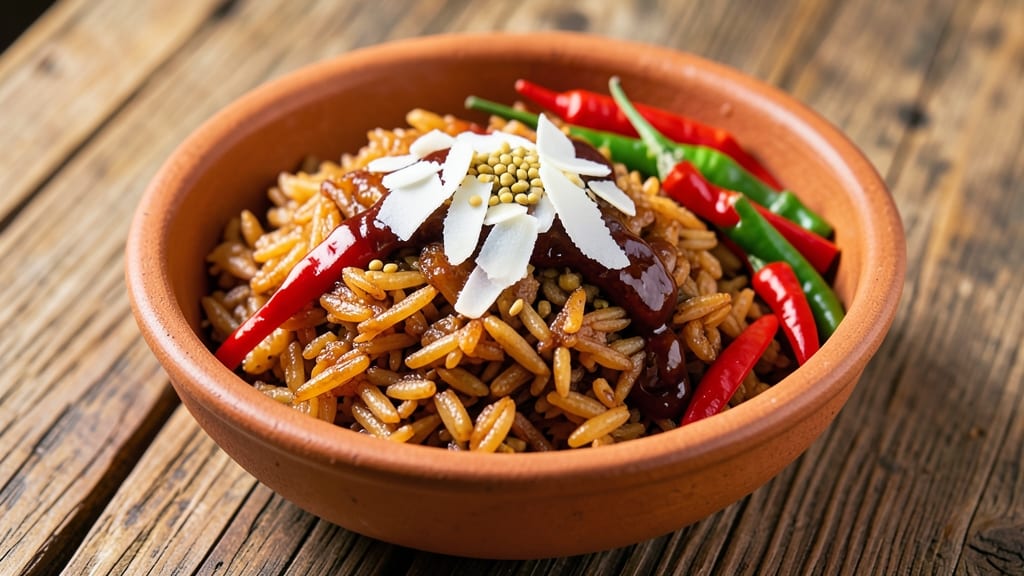
This rice chutney recipe transforms simple ingredients into a vibrant, tangy condiment that elevates every dish it touches. The perfect balance of toasted coconut, tamarind, and aromatic spices creates a sauce that's as versatile as it is flavorful.
I developed this version after years of experimenting with traditional methods, streamlining the process without sacrificing depth of flavor.
What makes this chutney special is its ability to adapt to any meal—spread it on sandwiches, drizzle it over curries, or serve it as a dip with crispy snacks. The secret lies in properly toasting the coconut and mustard seeds, which unlocks rich, nutty flavors that form the chutney's foundation.
With just 15 minutes of active prep time, you'll have a batch ready to use immediately or store for up to a week in the refrigerator.
The result is a smooth yet textured chutney with a perfect tang from tamarind and a subtle heat from green chilies. The coconut adds creaminess, while fresh coriander and mint provide bright, herbaceous notes that cut through richness.
This isn't just a condiment—it's a flavor experience that transforms ordinary meals into extraordinary ones.
For best results, let the chutney sit for 30 minutes before serving to allow flavors to meld completely. The recipe scales easily, so you can make a small batch for immediate use or double it for meal prep.
Whether you're serving it with rice, pairing it with grilled meats, or using it as a marinade base, this chutney delivers professional-quality results with simple techniques.
Ingredients for rice chutney
Toasted coconut, tangy tamarind, and fresh herbs create this vibrant chutney in minutes.
| Ingredient | Amount | Notes |
|---|---|---|
| White Rice 🍚 | 1 cup | Uncooked, jasmine or basmati preferred |
| Unsweetened Coconut Flakes 🥥 | ¾ cup | Toasted until golden brown |
| Yellow Mustard Seeds 🌿 | 1 tbsp | Toasted until fragrant |
| Green Chilies 🌶️ | 2 whole | Fresh, stems removed |
| Fresh Ginger Root 🧄 | 1 tbsp | Grated, about 1-inch piece |
| Tamarind Paste 🍯 | ½ cup | High quality, no additives |
| Fresh Coriander Leaves 🌿 | ½ cup | Stems removed, loosely packed |
| Fresh Mint Leaves 🌿 | ¼ cup | Loosely packed, stems removed |
| Extra-Virgin Olive Oil 🫒 | ¼ cup | For blending, fruity variety |
| Salt 🧂 | ½ tsp | Adjust to taste |
The coconut flakes are the flavor foundation—toast them in a dry pan until golden (about 5 minutes), then let cool. Trader Joe's has the best unsweetened flakes, but any natural food store works. For the mustard seeds, toast until they pop—this unlocks their nutty aroma. Fresh ginger and green chilies should be vibrant; no wrinkled skins or yellowing. Tamarind paste can be found in the international aisle or online—look for pure, concentrated versions. The coriander and mint? Bunch them up and shake—if they rattle, they're fresh enough.
No fresh ginger? Ground ginger at half the amount works in a pinch. Substitute tamarind with lemon juice plus 1 tsp sugar, but the flavor won't be identical. For the coconut flakes, toasted unsweetened shredded coconut is a decent swap. Want more heat? Add 1/4 tsp cayenne with the green chilies. The olive oil matters—skip the light varieties—you want something peppery and flavorful. Pre-made tamarind paste? Strain out lumps for a smoother texture. And if you're short on herbs, parsley works in a 1:1 ratio with coriander.
This chutney thickens as it sits—let it rest 30 minutes before serving. Keeps in the fridge for 1 week in an airtight jar, or 3 months frozen. For freezing, portion into ice cube trays—perfect for single servings. The texture changes slightly when reheated; stir in 1 tsp water to loosen if needed. I make double batches—one for immediate use, one for the freezer—because it disappears fast.
Why You'll Love This Recipe
- No-Fuss Base: I swear by this for days I’m too tired to think. Just soak the rice overnight, toast the mustard seeds and coconut flakes in a dry pan—that’s the magic—and you’ve got a blank canvas that takes 10 minutes to transform.
- Taste That Stays: Between us, the ginger and green chilies pack a slow-building heat that lingers just right, while the toasted coconut adds this nutty crunch. It’s the kind of flavor that makes you reach for seconds without even realizing you’re hungry again.
- Lunchbox Legend: Honestly, this is my go-to for packed lunches or potlucks. The texture holds up for days, and I can tweak it with curry leaves or tamarind depending on the mood—works as a dip, side, or even a quick filling for wraps.
- Budget Magic: A single batch stretches across five meals, and the ingredients? Pantry staples. White rice, coconut flakes, and ginger root last forever, so you’re not scrambling for last-minute grocery runs. Plus, the mustard seeds add depth without costing a fortune.
Step-by-step instructions for rice chutney recipe
Here's how to transform simple ingredients into a vibrant, tangy rice chutney that's perfect with dosas or snacks.
Toast the Dry Ingredients for Maximum Flavor
Heat a dry skillet over medium heat and add the 1 cup white rice. Toast for 5-7 minutes, stirring constantly, until the rice turns a light golden brown and smells nutty. This toasting step is crucial—it removes the raw starch and develops deep, toasty flavors that form the chutney's foundation.
In a separate small pan, toast the 1 tablespoon yellow mustard seeds over medium heat for 1-2 minutes until they pop and turn golden. Immediately transfer them to a heatproof bowl to stop further cooking. The mustard seeds should be fragrant and slightly crisp—this is your aromatic base. While they're still warm, add the 0.75 cup unsweetened coconut flakes and toast for another 2 minutes until they turn golden brown and release their coconut aroma.
Grind the Toasted Ingredients into a Smooth Paste
Transfer the toasted rice, mustard seeds, and coconut flakes to a food processor or blender. Add the 2 whole green chilies (seeds removed if you prefer less heat), 1 tablespoon grated fresh ginger root, and 0.5 teaspoon salt. Pulse until the mixture becomes a coarse powder—you want to break down the ingredients but not create a liquid yet.
Now add the 0.5 cup tamarind paste, 0.5 cup fresh coriander leaves, and 0.25 cup fresh mint leaves. Pulse again until everything combines into a thick, wet paste. The texture should be like a thick batter—if it's too dry, add 1-2 tablespoons water to help it blend smoothly. This is where the tangy tamarind and fresh herbs come together to create the signature flavor profile.
Blend with Olive Oil for Creamy Perfection
With the food processor running, slowly drizzle in the 0.25 cup extra-virgin olive oil. This creates a rich, creamy texture that coats every bite. Continue blending until the mixture becomes smooth and well-emulsified—about 2-3 minutes. The chutney should have a glossy sheen and be thick enough to hold its shape when spooned, but still spreadable.
Taste and adjust the seasoning—you might need a pinch more salt or a squeeze of lemon juice to balance the tamarind's tang. The perfect rice chutney should have a harmonious blend of sweet, spicy, tangy, and nutty flavors with a smooth, velvety texture. Let it cool for 10 minutes before serving to allow the flavors to meld completely.
Pro Tips For Making Rice Chutney
- Toast the Rice Properly: Don’t just cook it—toast the rice in the same pot after boiling. Once the water’s drained, crank the heat to medium-high and stir constantly for 3–4 minutes until it turns a pale golden color. This step makes all the difference in texture and flavor, preventing that mushy, gluey mess that ruins chutneys.
- Grind Ginger in Chunks: Skip the pre-grated ginger—it turns to mush and adds bitterness. Use 2-inch chunks of fresh ginger (peeled, no need to chop finely) when grinding with the rice. The larger pieces release flavor more evenly and avoid that overpowering, medicinal taste.
- Bloom Mustard Seeds Slow: Resist the urge to rush this step. After tempering the oil, add the mustard seeds on low heat and let them pop one at a time for 30–45 seconds before adding chilies. High heat burns them instantly, leaving a bitter aftertaste that fights with the coconut’s sweetness.
- Soak Coconut Flakes First: Toss ¼ cup of unsweetened coconut flakes in 2 tablespoons warm water for 5 minutes before adding to the chutney. This mimics fresh grated coconut’s moisture and prevents the final texture from turning dry or crumbly—especially if you’re using pre-shredded flakes.
Dietary considerations for this rice chutney
Gluten-Free Adaptation
This rice chutney is naturally gluten-free since it relies on rice, coconut, and spices—no wheat or gluten-containing ingredients are used. The toasted rice forms the base, and all other components like tamarind paste, herbs, and olive oil are inherently safe for gluten-sensitive diets.
Always double-check tamarind paste labels, as some brands may contain additives with gluten traces. 🌾
Dairy-Free & Vegan
The recipe is already dairy-free and vegan—no animal products are involved. The creamy texture comes from toasted coconut and olive oil, making it perfect for plant-based diets. For extra richness, you could add 1 tablespoon coconut cream while blending, but it remains fully vegan without it.
The tamarind provides the tangy depth that replaces dairy-based acidity in many sauces.
Low-Fat Version
To reduce fat content, replace half the olive oil with water or unsweetened almond milk—just 2 tablespoons instead of ¼ cup. This keeps the chutney's moisture and tang while cutting calories.
The toasted coconut and rice still provide satisfying texture, and the flavor remains vibrant. For extra flavor without fat, add 1 teaspoon lemon juice—it brightens the tamarind's tang naturally. 💡
Spice-Free Option
For a milder version, omit the green chilies and reduce the cayenne to ⅛ teaspoon (if using). You can also substitute ½ teaspoon mild paprika for a touch of warmth without heat.
The ginger and toasted mustard seeds still provide depth, while the coconut and tamarind carry the flavor profile. This makes it kid-friendly while keeping the chutney's signature richness.
Nut-Free Substitutions
While coconut is technically a nut, you can replace it with toasted pumpkin seeds (pepitas) for a nut-free alternative. Toast ½ cup pumpkin seeds in the same pan as the mustard seeds until fragrant, then blend them with the other ingredients.
The earthy flavor complements the tamarind beautifully. For extra creaminess, add 1 tablespoon tahini (sesame paste) during blending—it adds a nutty depth without nuts. 🌱
Allergen-Friendly Notes
This chutney is safe for most common allergies, but always verify ingredient sources. For soy-free diets, ensure tamarind paste isn't processed in soy facilities. For sesame-free needs, skip tahini and stick with pumpkin seeds.
If coconut is a concern, the pumpkin seed substitution above works perfectly. The recipe's simplicity makes it easy to adapt for multiple dietary restrictions while keeping the bold, tangy flavor intact.
Nutrition facts
Frequently asked questions
Can I use brown rice instead of white rice for this chutney?
Yes, but toast it for 8-10 minutes until deeply golden—brown rice takes longer to toast and has a nuttier flavor that works beautifully. The texture will be slightly heartier, but the tangy tamarind and coconut will still shine through. Just ensure the rice is well-toasted to remove excess moisture.
How do I adjust the spice level if green chilies are too hot?
Remove the seeds and membranes from the chilies before blending to reduce heat. For milder versions, substitute with 1 mild jalapeño or add ½ teaspoon mild paprika instead. The coconut and tamarind naturally balance spice, so even with adjustments, the chutney remains vibrant.
Can I make this chutney without a food processor?
Use a high-powered blender or mortar and pestle. For the blender, pulse in short bursts to avoid overheating. If using a mortar, grind the toasted rice and coconut into a fine powder first, then mix with the wet ingredients and blend by hand. The texture will be slightly grainier, but the flavors remain rich and cohesive.
Why does my chutney separate after refrigeration?
This happens when the oil and water-based ingredients separate. Stir in 1-2 teaspoons warm water and blend briefly to re-emulsify. For future batches, add ½ teaspoon xanthan gum while blending to stabilize the texture. The chutney will thicken slightly but remain smooth when served.
What’s the best way to use leftover chutney?
Drizzle it over grilled meats, dosas, or idlis for extra flavor. Mix it into marinades for kebabs or chicken dishes, or spread it on toasted bread or crackers as a tangy dip. It also works as a base for soups or stews—just thin with a splash of water if needed.