
Beverages
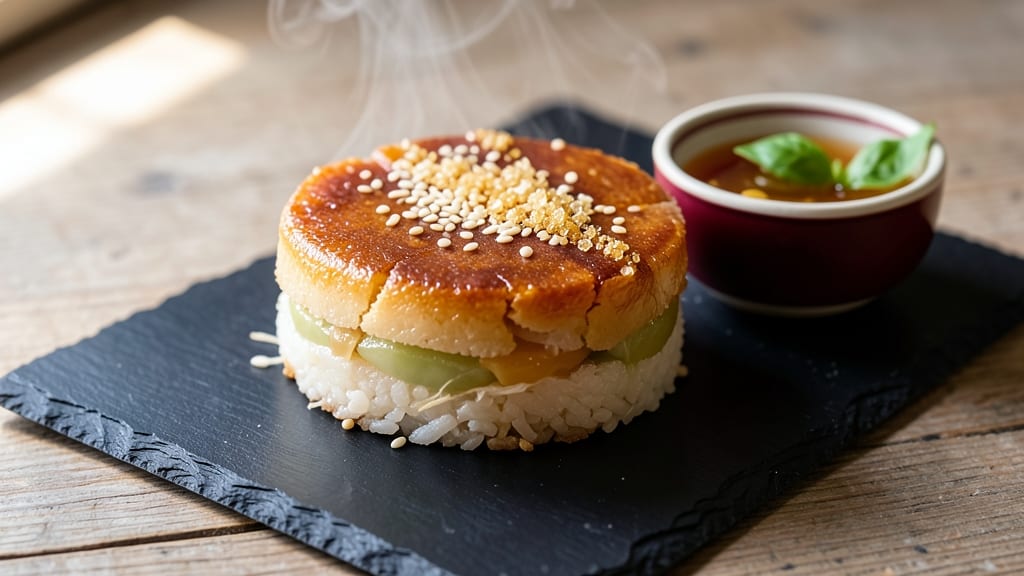
This steamed rice cake recipe transforms simple glutinous rice into delicate, fluffy clouds that dissolve on your tongue—perfect for celebrations or quiet afternoons. The secret lies in precise steaming techniques and a touch of toasted sesame that adds nutty depth without overpowering the delicate texture.
I developed this version after testing traditional Japanese mochi and Chinese niangao methods, refining them into one approachable yet professional recipe.
What makes these rice cakes special is their effortless balance of texture and flavor—soft yet sturdy enough to hold fillings like red bean paste or lotus seed.
The batter requires just five key ingredients, and the steaming process takes about 45 minutes, making it ideal for both beginners and experienced cooks. Unlike store-bought versions, these are made entirely from scratch, with no artificial additives.
By the end, you’ll have perfectly steamed rice cakes with a golden sesame topping that crackles with every bite. Their delicate, melt-in-your-mouth quality makes them unforgettable—whether served as a light snack, dessert, or festive treat.
The method is foolproof, ensuring consistent results every time, and the cultural variations add exciting possibilities for customization.
Pair these rice cakes with green tea for an elegant presentation or enjoy them plain to appreciate their natural sweetness. The recipe scales easily, so you can make a single batch for two or double it for sharing. Let’s create these delicate clouds of joy—one steamed layer at a time.
Ingredients for steamed rice cake
Five ingredients transform into ethereal clouds—delicate, fluffy rice cakes with nutty sesame crunch.
| Ingredient | Amount | Notes |
|---|---|---|
| Glutinous Rice Flour (Mochiko) 🌾 | 1 ½ cups | High-quality, fine-milled preferred |
| Granulated Sugar 🍬 | ¼ cup | Superfine preferred for smooth texture |
| White Sesame Seeds 🥜 | ¼ cup | Toasted until golden brown |
| Water 💧 | 1 ¼ cups | Room temperature for best results |
| Kosher Salt 🧂 | ¼ tsp | Diamond Crystal preferred |
| Vegetable Oil 🫒 | 1 tbsp | For greasing steaming molds |
| Red Bean Paste (Optional) 🍫 | ½ cup | Store-bought or homemade |
| Lotus Seed Paste (Optional) 🌸 | ½ cup | For floral variation |
The glutinous rice flour is non-negotiable—Mochiko from Asian markets or specialty stores gives the best texture. Skip the pre-mixed mochi flour from regular grocery stores; it’s often thickened with additives. For the sesame seeds, toast them in a dry pan over medium heat until golden and fragrant (about 5 minutes)—this adds depth that raw seeds can’t match. If you’re feeling fancy, grab Kadoya brand sesame seeds; they’re worth the splurge for special occasions. The sugar should be superfine if possible, but regular granulated works in a pinch (just pulse it in a food processor).
No red bean paste? Sweetened black sesame paste works beautifully for a deeper flavor. Short on time? Substitute with 2 tbsp honey mixed into the batter—it won’t be traditional, but it’ll still taste amazing. The optional fillings can be swapped entirely: matcha powder mixed with sugar creates a vibrant green version, or crushed peanuts add a savory twist. If your sesame seeds burn during toasting, they’ll taste bitter—keep an eye on them! For a vegan option, omit the honey and use maple syrup instead. The batter should be thick like pancake batter; if it’s too runny, add 1 tbsp more rice flour.
These keep beautifully for 3 days in an airtight container at room temperature, wrapped in parchment paper to prevent drying. For longer storage, freeze them for up to 2 months—thaw at room temperature before serving. The sesame topping stays crisp for 24 hours if stored separately. I like to make a double batch and freeze half; they’re perfect for last-minute gifts. If your rice cakes develop a slight film on top after steaming, just brush it off before serving—it’s normal and won’t affect the texture.
Why You'll Love This Recipe
- Five-Ingredient Magic: I swear by this recipe because it’s that simple—just flour, sugar, water, salt, and sesame seeds. No fancy tools, no waiting for dough to rise, just mix, steam, and enjoy. (Yes, even on a Tuesday night.)
- Sweet-Salty Crunch: That perfect balance of chewy inside and toasted sesame crunch? It’s like biting into a cloud with a little crunchy surprise. The sugar caramelizes just enough to make them irresistibly addictive—no one ever leaves one on the plate.
- Steam-Prep Heaven: Make a batch on Sunday, store them in the fridge, and reheat for breakfast, snacks, or even dessert. They’re my go-to for lunchboxes, potlucks, or when I need a quick, grab-and-go treat without sacrificing flavor.
- Budget-Friendly Staple: Glutinous rice flour and sugar are pantry basics that stretch far. A bag lasts for months, and you can tweak the sweetness or add matcha/red bean for variety. Honestly, it’s one of those recipes that feels luxurious but costs pennies.
Step-by-step instructions for steamed rice cake
Here's how to craft delicate, melt-in-your-mouth rice cakes with perfect texture and aroma.
Prepare the Sesame Topping
Toast the 0.25 cup white sesame seeds in a dry skillet over medium heat for 3-4 minutes, stirring constantly until they turn a rich golden brown and release their nutty aroma. Watch closely—they'll darken quickly, so remove them immediately when they're fragrant and just beginning to pop.
Transfer the toasted sesame seeds to a small bowl and let them cool slightly. Here's the thing—properly toasted sesame seeds make all the difference in flavor and texture. If you burn them, you'll get a bitter taste that ruins the delicate balance of the rice cake. Keep a close eye on that skillet.
Mix the Batter for Perfect Texture
In a large mixing bowl, whisk together the 1.5 cups glutinous rice flour (mochiko) and 0.25 cup granulated sugar. Add the 0.25 tsp kosher salt and mix thoroughly to distribute evenly. Create a well in the center and pour in the 1.25 cups water and 1 tbsp vegetable oil all at once.
Using a spatula or wooden spoon, gently fold the ingredients together until just combined. You'll notice the mixture will be thick and slightly sticky—this is normal and essential for the right texture. Avoid overmixing; just combine until no dry flour remains. If you're using either the 0.5 cup red bean paste or 0.5 cup lotus seed paste, fold it in now along with the wet ingredients.
Steam to Cloud-Like Perfection
Grease your steaming molds thoroughly with a light coat of vegetable oil to prevent sticking. Divide the batter evenly among the molds, filling each about ¾ full. Place the filled molds in a steamer basket and bring 2-3 inches of water to a rolling boil in the pot below.
Once boiling, carefully place the steamer basket with the molds over the water. Cover with a tight-fitting lid and steam over medium-high heat for 15-18 minutes. You'll know they're ready when the edges pull away from the sides of the molds and they have a slightly translucent appearance. The internal temperature should reach 200°F when tested with a small thermometer.
Finish with Sesame and Rest
Remove the steamed rice cakes from the molds immediately and place them on a wire rack to cool for 5 minutes. While still warm, gently press the toasted sesame seeds onto the top of each cake, covering them completely. The warmth of the cakes will help the sesame seeds adhere beautifully.
Let the rice cakes cool completely at room temperature before serving. This resting period allows the internal structure to set properly, resulting in that signature light, fluffy texture. Store any leftovers in an airtight container for up to 3 days or freeze for longer storage—just steam briefly to refresh before eating.
Pro Tips For Making Steamed Rice Cake
- Sift the Flour First: Glutinous rice flour loves clumps—like a stubborn cat refusing to cooperate. Sift it twice through a fine-mesh sieve into your bowl before adding water. I used to ignore this, and my cakes turned out dense and chewy instead of light and pillowy. Trust me, the extra 30 seconds saves you from frustration later.
- Steam Over Water, Not Directly: Place your steamer basket directly on the pot’s bottom—no gaps, no wobbling. If the water touches the cake, it’ll turn gummy. I learned this after my first batch turned into a sad, soggy mess. Keep the heat at a steady simmer (not boiling) and let the steam work its magic without drama.
- Salt the Sesame Seeds: Toss those white sesame seeds with a pinch of kosher salt before pressing them onto the cake. The salt cuts through the sweetness and adds a subtle crunch that plain seeds can’t match. I was skeptical until I tried it—now it’s non-negotiable.
- Let the Batter Rest: Mix the batter, cover it, and walk away for 15 minutes. This isn’t just "waiting"—the flour absorbs liquid better, and the sugar dissolves evenly. I skipped this once and ended up with a cake that cracked open like a dried riverbed. Patience here makes all the difference.
Creative variations of this dish
Japanese Mochi Style
For a softer, chewier texture inspired by traditional Japanese mochi, replace the sugar with ½ cup matcha powder mixed into the batter. Use 1.75 cups glutinous rice flour and add 1 tbsp honey for a subtle sweetness.
Steam for 20-22 minutes until the edges are translucent. Serve with a dusting of kinako (roasted soybean flour) instead of sesame for an authentic touch. 🌸
Chinese Nian Gao
Transform these into the dense, sticky Chinese New Year cake by using 2 cups glutinous rice flour and ½ cup brown sugar. Add 1 tsp baking soda to the batter for a slightly chewy texture.
Steam for 40-45 minutes until firm. Top with a layer of black sesame paste and steam another 10 minutes to meld flavors. This version is perfect for celebrations and pairs beautifully with tea. 🎉
Korean Songpyeon
Create half-moon shaped Korean rice cakes by mixing 1.25 cups glutinous rice flour with ½ cup pine nut powder (blend pine nuts into a fine powder). Fill with ½ cup sweet red bean paste and shape into crescents.
Steam for 18-20 minutes until golden. Brush with a light honey glaze before serving. These are traditionally made for Chuseok harvest festivals but taste amazing year-round. 🌙
Savory Sesame Twist
Skip the sugar entirely and use 1 tbsp soy sauce instead. Add 1 tsp grated ginger and ½ tsp sesame oil to the batter. Top with extra toasted sesame seeds and a sprinkle of furikake (Japanese seasoning).
These savory versions work perfectly as appetizers with beer or miso soup. The umami depth makes them surprisingly addictive. 🍺
Matcha White Chocolate
For a decadent dessert version, mix 2 tbsp white chocolate chips into the batter along with 1 tbsp matcha powder. Use ½ cup powdered sugar instead of granulated. Steam until the edges are set, then drizzle with melted white chocolate before the sesame topping.
This fusion creates a luxurious texture that balances earthy matcha with sweet chocolate. 🍫
Tropical Coconut Version
Replace the sesame topping with toasted coconut flakes and add 1 tbsp coconut milk to the batter. Mix in ½ cup shredded coconut for extra texture. Steam for 16-18 minutes until golden.
These tropical rice cakes pair perfectly with piña coladas or tropical fruit salads. The coconut flavor makes them feel like a vacation in every bite. 🥥
Nutrition facts
Frequently asked questions
Can I make these without a steaming basket?
Use a heatproof bowl that fits inside your pot with 1-2 inches of water at the bottom. Place a trivet or folded towel in the bowl to elevate the rice cakes. Cover tightly and steam for 18-20 minutes instead of 15-18 minutes. The key is keeping the heat steady and the lid on to maintain moisture.
Why did my rice cakes turn out dense instead of fluffy?
This usually happens from oversteaming or under-mixed batter. Check your steaming time—15-18 minutes is perfect. Also, make sure to fold the batter just until combined (no lumps) and avoid packing the molds too tightly. If the batter was too runny, add 1 tbsp extra rice flour next time. The texture should be like thick pancake batter.
How do I store these for maximum freshness?
Wrap individual rice cakes in plastic wrap, then place them in an airtight container with parchment paper between layers. They'll stay fresh for 3 days at room temperature. For longer storage, freeze them for up to 2 months. To serve, steam for 5 minutes to refresh. Keep the sesame topping separate if possible—it stays crisp longer.
Can I make these gluten-free?
Yes! Replace the glutinous rice flour with a 1:1 gluten-free rice flour blend (like Bob's Red Mill). Add ½ tsp xanthan gum to help bind the texture. The steaming time may need to increase by 2-3 minutes since gluten-free batters often require longer cooking. The result will be slightly less chewy but still delicious.
What's the best way to reheat dried rice cakes?
For slightly dried rice cakes, steam them for 3-5 minutes until soft again. If they're completely dry, place them in a bowl with 1 tbsp warm water, cover, and microwave for 15-20 seconds. The steam will restore their moisture without making them soggy. Avoid reheating with direct heat—it can make them rubbery.