
Sauces & Condiments
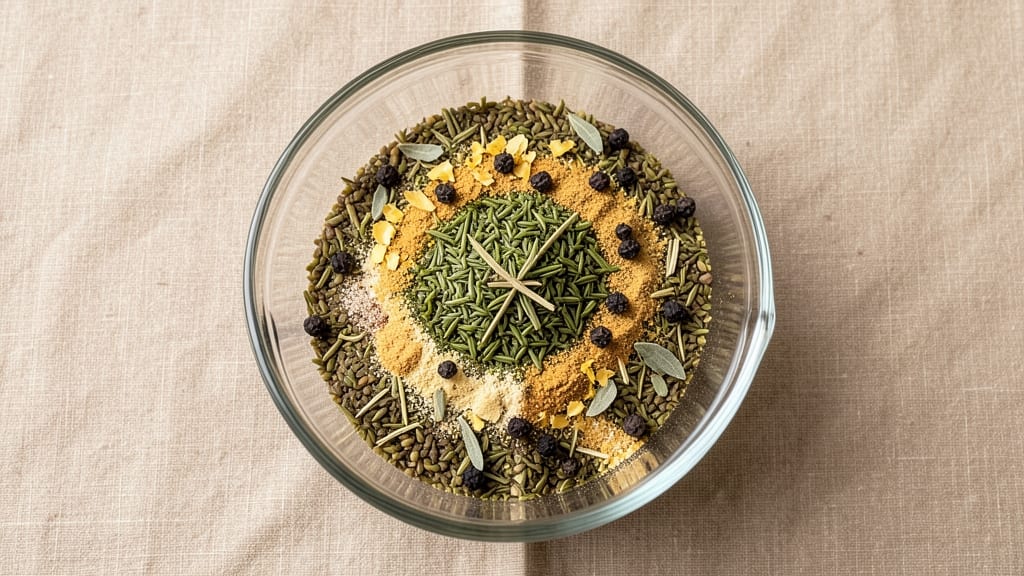
Transforming Uncle Ben's wild rice into a restaurant-worthy side dish starts with this earthy herb seasoning blend—a carefully balanced mix that elevates simple rice into something deeply flavorful. The secret lies in the harmony of dried herbs and aromatic spices that infuse every grain without overpowering its natural nuttiness.
I developed this blend after years of testing, ensuring each ingredient plays a precise role in creating depth and complexity.
This one-pot seasoning requires just eight simple ingredients—all measured in tablespoons—making it effortless to customize or double for larger batches. The blend includes classic herbs like thyme and parsley alongside savory elements such as garlic and onion powder, which build layers of flavor as the rice simmers.
Unlike store-bought seasoning packets, this version delivers a professional-quality taste that’s worth the extra five minutes of prep.
The result is rice with a rich, aromatic profile—earthy yet bright, with subtle hints of garlic and herbs that linger long after the first bite. Perfect for one-pot meals, casseroles, or even as a standalone side, this seasoning transforms a basic ingredient into something special.
The blend keeps well in an airtight container, so you’ll always have a foolproof way to elevate your rice dishes.
Whether you’re serving a holiday feast or a weeknight dinner, this seasoning ensures your wild rice stands out. The instructions are straightforward, and the ingredients are easy to find, making it a game-changer for any home cook. Let’s get started!
Ingredients for uncle ben's wild rice seasoning
Eight simple spices transform basic rice into restaurant-worthy flavor magic.
| Ingredient | Amount | Notes |
|---|---|---|
| Dried Thyme 🌿 | 1 ½ tbsp | Freshly crushed leaves preferred |
| Dried Parsley Flakes 🌿 | 1 tbsp | Bright green color indicator |
| Garlic Powder 🧄 | 1 tbsp | Non-iodized preferred for purity |
| Onion Powder 🧅 | 1 tbsp | Diamond Crystal brand recommended |
| Dried Sage 🌿 | ½ tbsp | Crumbled for even distribution |
| Ground Black Pepper 🌶️ | ½ tbsp | Freshly ground for potency |
| Smoked Paprika 🌶️ | ½ tbsp | Spanish paprika preferred |
| Diamond Crystal Kosher Salt 🧂 | ½ tsp | Fine grain preferred |
The thyme and parsley are your flavor anchors—Penzeys Spices or bulk bins at Whole Foods offer the freshest options. Look for vibrant green parsley flakes (no grayish hues) and thyme that smells piney and bright. The garlic and onion powders? Diamond Crystal is my go-to—they're finely ground and consistent. Smoked paprika adds depth, so Spanish paprika (like Pimentón de la Vera) gives you that authentic smokiness. If you can't find smoked, regular paprika works in a pinch, but it'll be less complex. Pro tip: Toast your spices in a dry pan for 30 seconds before mixing—they'll sing even louder in your rice.
No thyme? Dried oregano at half the amount bridges the gap, though it lacks that earthy depth. Fresh parsley? Use double the amount of the flakes, but chop it finely so it blends seamlessly. Short on smoked paprika? Cayenne pepper at one-quarter amount adds heat but won't replicate the smoky profile. The salt is non-negotiable—Diamond Crystal dissolves cleanly, unlike table salt which can leave a gritty aftertaste. For a quicker prep, Trader Joe's sells pre-mixed herb blends that you can tweak with extra garlic powder. This blend works beautifully with brown rice too—just reduce the sage slightly if you're sensitive to its bold flavor.
Store this blend in an amber glass jar with a tight-sealing lid—keeps flavors vibrant for up to 6 months in a cool, dark pantry. For longer storage, freeze portions in ice cube trays, then transfer to a bag. The sage loses potency fastest, so if you notice your rice tasting flat after a few months, it's time to refresh. Double the batch and split it—one for your pantry, one for a friend. This seasoning plays well with other blends too: mix equal parts with Italian seasoning for a versatile all-purpose rice enhancer.
Why You'll Love This Recipe
- Pantry Magic: I keep a jar of this in my cabinet—no measuring, no fuss. Just dump a spoonful into rice, soup, or even roasted veggies, and boom—flavor without the effort.
- Herb-Packed Punch: That combo of thyme, sage, and parsley flakes? It’s like a warm hug for your taste buds. The garlic and onion powders add just enough depth to make everything taste restaurant-level without the pretension.
- Weeknight Wonder: Between us, this is my go-to for lazy dinners. Toss it with rice for a quick side, stir it into pasta, or even sprinkle on baked potatoes. It turns "what’s for dinner?" into "oh, that’s easy."
- Never Waste Again: A little goes a long way—this mix lasts months, and I’ve never had leftovers go to waste. Plus, it’s cheap enough that I don’t stress if I overdo it. (Yes, even on a Tuesday night.)
Step-by-step instructions for Uncle Ben's wild rice seasoning
Here's how to craft this aromatic blend—simple, precise, and perfect for elevating your one-pot rice dishes.
Measure and Prepare All Components
Begin by gathering all ingredients in a small mixing bowl. I like to use a glass or ceramic bowl for this step—it lets me see the colors blend beautifully as we work. First, measure out the 1.5 tablespoons of dried thyme, then add the 1 tablespoon of dried parsley flakes. The parsley flakes should be bright green, indicating freshness and potency.
Next, add the 1 tablespoon of garlic powder and 1 tablespoon of onion powder to the bowl. These powders provide the foundational savory depth that makes this blend so versatile. I always use non-iodized garlic powder for its cleaner, more authentic flavor profile. The onion powder should be fine and evenly distributed—this ensures consistent flavor in every bite of your rice.
Add the Earthy and Smoky Elements
Now it's time to incorporate the dried herbs that give this blend its distinctive character. Add the 0.5 tablespoon of dried sage and 0.5 tablespoon of smoked paprika to the bowl. The sage should be crumbled for even distribution—this prevents any clumping that could create uneven seasoning in your rice. The smoked paprika will contribute a subtle smokiness that pairs perfectly with the earthy thyme and parsley.
Here's where it gets interesting: sprinkle in the 0.5 tablespoon of ground black pepper. I always use freshly ground pepper for maximum potency. The coarse texture helps distribute the seasoning more effectively throughout the rice. This step is critical—don't skip it, as the pepper provides the necessary heat balance that complements the other herbs.
Finish with Salt and Combine Thoroughly
The final touch is the 0.5 teaspoon of Diamond Crystal kosher salt. This fine-grain salt dissolves more evenly than coarse salts, ensuring perfect seasoning in every grain of rice. I like to measure it carefully—too much salt can overpower the delicate flavors we've built so far.
Now comes the most important part: thorough combination. Use a whisk or small fork to blend everything together until you achieve a uniform color and texture. You should see a beautiful blend of green, brown, and gray hues—this indicates the herbs are evenly distributed. Give it a final stir to ensure no pockets of dry seasoning remain. This blend will keep its potency for up to 6 months when stored properly in an airtight container.
Test and Adjust for Perfect Balance
Before using your seasoning, I recommend testing it on a small portion of cooked rice. Heat up about ½ cup of cooked rice in a small pot and stir in ½ teaspoon of your seasoning blend. Taste carefully and evaluate the balance—you should detect notes of thyme's earthiness, parsley's brightness, sage's warmth, and the subtle smokiness from the paprika.
If any flavor seems underrepresented, adjust by adding small amounts of the missing component. For instance, if the sage flavor is too subtle, add a pinch more in your next batch. The goal is to create a harmonious blend where each herb contributes without overpowering the others. Once perfected, this seasoning will transform your wild rice into a restaurant-quality side dish every time.
Pro Tips For Making Uncle Ben'S Wild Rice Seasoning
- STORE HERBS DRY: I learned this the hard way—moisture kills dried herbs fast. Keep your thyme, parsley flakes, sage, and powders in airtight containers away from heat or light, or they’ll lose potency in weeks instead of months. (Yes, even if you’re the type who forgets to close the spice jar.)
- GRIND GARLIC ONION POWDERS: Those powders clump like old laundry detergent if you don’t give them a quick pulse in a spice grinder or mortar. A 30-second burst makes the flavors distribute evenly in your rice—no more bitter pockets where the powders settled.
- TOAST THE SAGE FIRST: Sage burns faster than the other herbs, and once it does, it turns bitter. Toast it lightly in a dry pan for 10 seconds before mixing—just until fragrant. This also prevents it from overpowering the parsley flakes, which stay delicate.
- DOUBLE-CHECK MEASURES: A pinch isn’t a teaspoon. Weigh or measure your herbs by the teaspoon (or 1/8 tsp for sage, which is potent). I used to eyeball it and ended up with either bland rice or a mouthful of herb. The recipe’s balance is delicate—don’t ruin it.
Serving suggestions for this uncle ben's wild rice seasoning
Holiday Feast Pairings
This seasoning blend shines during holiday gatherings, especially alongside roasted turkey or ham. I serve it with a classic gravy made from turkey drippings, where the herb notes complement the rich meat beautifully.
For vegetarian options, pair it with stuffed squash or mushroom Wellington—the earthy sage and thyme harmonize perfectly with umami flavors. 🌟
Protein Pairings
For weeknight meals, this seasoning elevates grilled chicken breast or pan-seared salmon. I toss cooked rice with the blend and serve it alongside lemon-dill chicken or garlic butter salmon—the herbs bridge the gap between delicate fish and robust poultry.
The smoked paprika also pairs wonderfully with beef tenderloin, adding depth to steakhouse-style meals.
Vegetarian & Vegan Options
This isn’t just for meat lovers! Sprinkle it over lentil curry, black bean tacos, or roasted Brussels sprouts for an unexpected herbaceous kick. I love using it in vegan chili—the sage and thyme add complexity that store-bought blends miss.
For a quick side, mix it with tofu scramble and serve with avocado toast. 🌱
Dessert Surprises
Yes, you read that right—this blend works in desserts too! Stir it into vanilla pudding or rice pudding for an earthy twist (reduce sage to ¼ tsp to avoid overpowering sweetness).
I’ve even sprinkled it on warm apple crisp—the thyme and parsley add a sophisticated herbal note that pairs surprisingly well with cinnamon. Save a small batch for dessert experiments!
Global Fusion Twists
Take this seasoning global! Mix it with cumin and coriander for a Mexican-inspired rice bowl, or add curry powder for an Indian-inspired pilaf. I’ve even used it in Jamaican rice and peas—the sage and thyme add a Caribbean depth.
For Italian flair, toss it with sun-dried tomatoes and olives for a quick antipasto rice. The possibilities are endless! 🌎
Leftovers Reinvention
Transform last night’s rice into something new! Stir it into fried rice with scrambled eggs and peas, or use it as a topping for rice pudding. I also love making rice croquettes—mix the seasoned rice with a beaten egg, shape into patties, and pan-fry until golden.
The herbs add a savory crunch that keeps leftovers exciting. 💡
Nutrition facts
Frequently asked questions
Can I use this seasoning with other types of rice?
While this blend was designed for Uncle Ben's wild rice, it works beautifully with brown rice, jasmine rice, or even quinoa. The earthy herbs complement the nuttier flavors of brown rice, while the brightness of parsley shines in jasmine varieties. For quinoa, reduce the sage slightly (¼ tsp) to avoid overpowering its natural earthiness.
How much seasoning should I use per serving?
Start with ½ teaspoon per cup of cooked rice—this ensures balanced flavor without overpowering. For a heartier taste (like in casseroles), increase to 1 teaspoon per cup. Always taste as you go! The blend's potency can vary slightly based on how fresh your herbs are.
What if I don’t have smoked paprika?
No problem! Substitute with ½ teaspoon regular paprika plus ¼ teaspoon cayenne pepper for a similar smoky-spicy kick. If you want to keep it mild, just use ½ teaspoon extra garlic powder to maintain depth. The blend will still taste delicious—just slightly less complex.
Can I make this seasoning oil-based instead?
This blend is designed as a dry seasoning, but you can create an infused oil by combining 1 tablespoon of the blend with ¼ cup neutral oil (like avocado or grapeseed). Heat gently for 2 minutes, then strain. Use 1 teaspoon of this oil per cup of rice—it adds a luxurious, aromatic richness. Store the infused oil in the fridge for up to 2 weeks.
Why does my seasoning lose flavor after a few months?
Herbs like sage and thyme degrade faster when exposed to light or air. Store your blend in an amber glass jar (not clear plastic) in a cool, dark pantry to preserve freshness. If flavors fade, revive them by toasting the spices in a dry pan for 30 seconds before using. The salt and pepper are the most stable ingredients—focus on protecting the delicate herbs.