
Salads
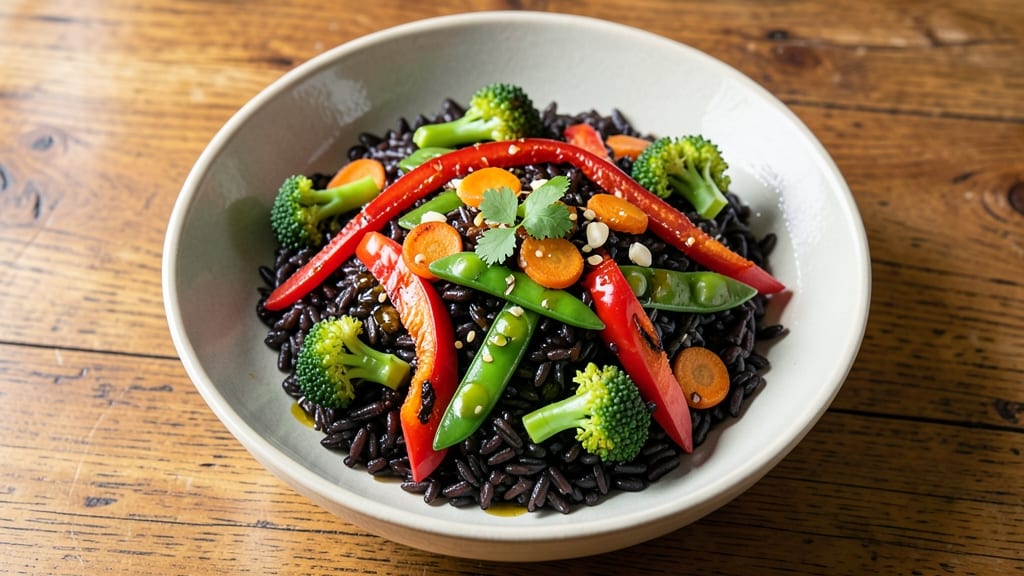
This black rice and vegetables recipe delivers a vibrant, antioxidant-packed bowl that transforms simple ingredients into a restaurant-worthy dish. The deep purple hue of black rice isn’t just striking—it’s packed with anthocyanins, while the toasted sesame crunch adds texture and warmth.
I’ve perfected this dish to balance earthy flavors with crisp vegetables, ensuring every bite is both nutritious and satisfying.
Start with soaked black rice for fluffy, chewy grains, then stir-fry seasonal vegetables like bell peppers, broccoli, and snap peas in a light sesame-ginger dressing. The dish comes together in under 30 minutes, making it ideal for weeknight dinners or meal prep.
Top with toasted sesame seeds and fresh herbs for a finish that’s as visually appealing as it is flavorful.
Ingredients for black rice and vegetables
Transform vibrant black rice and crisp vegetables into an antioxidant-rich bowl with sesame crunch and ginger brightness.
| Ingredient | Amount | Notes |
|---|---|---|
| Black Forbidden Rice 🍚 | 1 cup | Uncooked, soaked 30 mins first |
| Red Bell Pepper 🍅 | 1 whole | Thinly sliced, any color |
| Broccoli Florets 🥦 | 2 cups | Fresh or frozen, cut small |
| Snap Peas 🌱 | 1 cup | Fresh or frozen, trimmed |
| Carrot 🥕 | 1 whole | Julienned or matchstick cut |
| Garlic Cloves 🧄 | 3 cloves | Minced, fresh preferred |
| Ginger Root 🌿 | 1 tbsp | Fresh, grated finely |
| Sesame Oil 🫒 | 1 tbsp | Toasted for aroma |
| Low-Sodium Soy Sauce 🥢 | 2 tbsp | Or tamari for gluten-free |
| Maple Syrup 🍯 | 1 tbsp | Pure, grade B preferred |
| Toasted Sesame Seeds 🌰 | 2 tbsp | Plus extra for garnish |
| Fresh Cilantro 🌿 | ¼ cup | Chopped, stems removed |
| Lime 🍋 | 1 whole | Juiced, seeds removed |
| Vegetable Broth 💧 | 1 ½ cups | Low-sodium preferred |
| Avocado Oil 🫒 | 1 tbsp | High smoke point |
The black forbidden rice is the star—look for premium brands like Lundberg or 365 Organic at Whole Foods for the richest purple hue. Soaking it for 30 minutes before cooking ensures those signature chewy, fluffy grains. Fresh vegetables matter here: broccoli and snap peas should be bright, crisp, and free of wilting. For maximum flavor, Trader Joe's frozen stir-fry mix works in a pinch, but fresh is ideal if you're prepping ahead. The ginger and garlic? Freshly grated and minced—dried spices just won't cut it for that bright, zesty punch.
No sesame oil? Toasted peanut oil or avocado oil works, though the flavor profile shifts slightly. Short on snap peas? Substitute snow peas or thinly sliced cabbage for crunch. The maple syrup adds depth—substitute agave or coconut sugar if preferred. For extra umami, add 1 tsp miso paste to the dressing. The lime juice is non-negotiable for brightness, but if you're serving this to a crowd, pre-juice and store in a squeeze bottle—it makes plating so much easier.
Prep the rice first—it needs time to soak and cook. Store cooked rice in an airtight container with a damp paper towel on top for 4-5 days in the fridge, or freeze for 3 months. The vegetables hold up well too: blanch broccoli and snap peas for 2 minutes before freezing if prepping ahead. This dish tastes even better the next day as flavors meld—double the batch for effortless lunches all week.
Why You'll Love This Recipe
- One-Pan Magic: I swear by this recipe when I’m too tired to scrub pots—just toss everything on a sheet pan, drizzle with olive oil, and roast. The black rice soaks up the caramelized veggies like a sponge, and cleanup? One spatula, one wipe-down.
- Deep Umami Pop: That first bite of black rice—nutty, almost earthy—paired with the sweet snap of bell peppers and the slight crunch of broccoli? It’s the kind of flavor combo that makes you pause mid-chew. Honestly, the rice alone justifies the whole dish.
- Meal Prep MVP: Between us, this is my go-to for lunches all week. The rice stays firm, the veggies hold their texture, and I can reheat portions without turning them into mush. (Yes, even on a Tuesday night when I’m digging through the fridge for something actual.)
- Budget Boost: Black rice might sound fancy, but a single bag lasts me ages, and the veggies? Carrots, peas, bell peppers—stuff I already had. It’s the kind of recipe that makes me feel like I’m eating gourmet without breaking the bank or the grocery budget.
Step-by-step instructions for black rice and vegetables bowl
Here's the precise method for transforming nutrient-packed ingredients into a vibrant, antioxidant-rich dish.
Prepare the Black Forbidden Rice
Begin by rinsing the 1 cup uncooked black forbidden rice under cold water until the water runs clear. This removes excess starch that can make the rice gummy. Transfer the rinsed rice to a bowl and cover with fresh water by about 2 inches. Let it soak for atstrong>30 minutes—this hydration step ensures even cooking and prevents the rice from becoming too firm.
After soaking, drain the rice thoroughly using a fine-mesh strainer. Transfer it to a medium saucepan with 2 cups fresh water (not the soaking water) and bring to a boil over high heat. Once boiling, immediately reduce heat to low, cover tightly with a lid, and simmer for 30-35 minutes. You'll know it's done when the rice absorbs all the liquid and develops a creamy, almost porridge-like texture. Let it sit covered for 5 minutes off heat before fluffing gently with a fork.
Sauté Aromatics and Vegetables
While the rice cooks, heat 1 tablespoon avocado oil in a large skillet or wok over medium-high heat until shimmering. Add the 3 minced garlic cloves and 1 tablespoon finely grated ginger root, cooking for 30 seconds until fragrant—you should smell the garlic's sweetness and ginger's warmth without any burning.
Add the 1 whole thinly sliced red bell pepper, 2 cups broccoli florets, 1 cup snap peas, and 1 whole julienned carrot to the pan. Stir-fry for 5-6 minutes until the vegetables soften but retain their vibrant color and slight crispness. The bell pepper should begin to blister slightly at the edges, and the broccoli should brighten in color. Season with 2 tablespoons low-sodium soy sauce and 1 tablespoon maple syrup, tossing to coat evenly.
Build the Flavorful Broth
Pour 1.5 cups vegetable broth into the skillet with the vegetables, scraping up any browned bits from the bottom of the pan. These flavorful bits contain concentrated umami that enhances the entire dish. Add 1 tablespoon sesame oil and bring the mixture to a gentle simmer over medium heat. Let it cook for 3-4 minutes until the liquid reduces slightly and the vegetables are tender-crisp.
Remove the skillet from heat and stir in 1 tablespoon lime juice (from the whole lime, seeds removed) and 0.25 cup chopped fresh cilantro. Taste and adjust seasoning—you may want to add a pinch more soy sauce if the vegetables need more saltiness. The lime brightens the dish while the cilantro adds freshness that cuts through the richness of the black rice.
Assemble and Garnish
Transfer the cooked black forbidden rice to four serving bowls. Spoon the vegetable mixture evenly over the rice, creating a beautiful contrast between the deep purple-black rice and the colorful vegetables. The rice should be the base, with vegetables peeking through for visual appeal and texture.
Finish each serving by sprinkling with 2 tablespoons toasted sesame seeds and an additional pinch of sesame seeds for garnish. The toasted seeds add a nutty crunch that contrasts perfectly with the soft rice and vegetables. Serve immediately while the vegetables are still vibrant and the rice maintains its creamy texture.
Optional Serving Enhancement
For an extra layer of flavor, drizzle each bowl with a touch more sesame oil before serving. This not only enhances the aroma but also adds a subtle richness that complements the earthy black rice. Pair with a side of edamame or a simple cucumber salad to complete the meal.
This dish delivers a perfect balance of textures—creamy rice, tender-crisp vegetables, and nutty sesame crunch—while showcasing the antioxidant properties of black forbidden rice. The method ensures maximum retention of nutrients while creating a visually stunning presentation.
Pro Tips For Making Black Rice And Vegetables
- Rinse the Black Rice: Don’t skip this step—black forbidden rice is packed with tannins that make it bitter if not prepped right. Swirl it in cold water for 2-3 minutes, drain, and repeat once. I learned this the hard way after serving a bowl that tasted like oversteeped tea.
- Cut Veggies Evenly: Uniform-sized pieces cook at the same pace—no one likes mushy broccoli or crunchy carrots. Slice bell peppers into ½-inch strips, snap peas left whole, and cut broccoli florets into similar-sized clusters. Yes, it takes 5 extra minutes, but the texture stays perfect.
- Salt the Water Generously: Black rice absorbs flavor like a sponge, so don’t be shy with the salt—1½ teaspoons per 2 cups of water, minimum. I used to hold back, thinking it’d make the rice too salty, but it actually balances the earthy richness. Taste the water before adding rice; it should taste like the sea.
- Stir Once, Then Stop: The first 5 minutes of cooking are critical—stir the rice gently once to prevent clumping, then leave it alone. After that, any more stirring will release starch and turn your dish gummy. I was skeptical until I tried it—now my rice is fluffy, not gluey.
Common mistakes when making your black rice and vegetables
Overcooking the Rice
Black forbidden rice has a delicate texture that turns mushy if overcooked. I’ve ruined this dish more times than I’d admit by letting the rice simmer too long or at too high heat. After the initial boil, reduce to low heat and maintain a gentle simmer—never a rolling boil.
The rice is done when all liquid is absorbed (30-35 minutes total). If you’re unsure, err on the side of undercooking; you can always add a splash of water if needed. 🌱
Skipping the Soak
Never skip the 30-minute soak—this is non-negotiable for black rice. Without soaking, the grains stay hard and undercooked no matter how long you simmer them. I learned this the hard way when I rushed and ended up with a bowl of crunchy, unappetizing rice.
Use the soaking time to prep other ingredients while the rice hydrates properly.
Burning the Aromatics
Garlic and ginger are the flavor foundation, but they burn in seconds if you’re not careful. Heat your oil to medium-high heat and cook them for just 30 seconds—no longer.
Burnt aromatics add bitterness that ruins the dish. Keep a close eye on the pan and stir constantly. If the garlic starts to brown too quickly, reduce the heat slightly.
Overcrowding the Pan
Stuffing too many vegetables into the pan at once steams them instead of stir-frying, resulting in soggy, flavorless veggies. Cook in batches if needed—I usually start with half the vegetables, stir-fry until tender-crisp, then add the rest.
This ensures everything gets properly seared and maintains its texture. A 12-inch wok or large skillet works best for this recipe.
Underseasoning
The vegetables often need more seasoning than you think, especially if you’re using low-sodium soy sauce. Taste as you go and adjust with extra soy sauce, lime juice, or even a pinch of salt.
I’ve found that adding ½ teaspoon miso paste to the broth boosts umami depth without overpowering the dish. Don’t be afraid to taste and adjust—this is where the magic happens.
Ignoring the Rest Time
Letting the rice rest for 5 minutes after cooking is crucial for even texture. Skipping this step often results in dry, separate grains. The rest time allows steam to redistribute, keeping the rice creamy and cohesive. Trust the process—this small step makes a big difference in the final dish. ✨
Nutrition facts
Frequently asked questions
Why does black rice have a purple hue?
The deep purple color comes from anthocyanins, powerful antioxidants that give black forbidden rice its striking appearance. These compounds also provide anti-inflammatory benefits and make the rice more nutrient-dense than white rice. The longer you soak it, the more vibrant the color becomes!
Can I use frozen vegetables in this recipe? Frozen vegetables work perfectly and save time. Just
What's the best way to store leftovers?
Store cooked black rice and vegetables in an airtight container with a damp paper towel on top for up to 4-5 days in the fridge. For longer storage, freeze for 3 months. Reheat gently in a steamer or microwave with a splash of water to restore moisture. The flavors actually improve overnight!
How can I make this dish gluten-free?
Swap the soy sauce for tamari or coconut aminos, and ensure your sesame oil is certified gluten-free. Check that your vegetable broth doesn't contain wheat. All other ingredients in this recipe are naturally gluten-free. The flavor profile remains rich and satisfying!
Can I add protein to this recipe?
For a complete meal, try adding tofu, tempeh, or edamame to the stir-fry. For meat-eaters, grilled shrimp or chicken work beautifully. Just cook the protein separately and add it to your bowl after assembling. The dish maintains its vegan integrity while becoming more filling!