
Main Courses
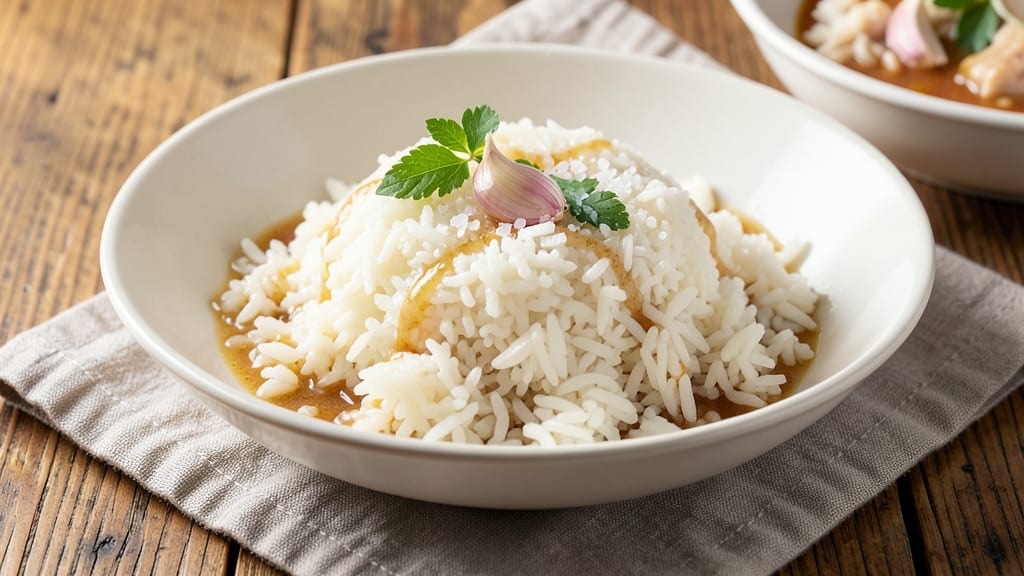
This boiled white rice recipe delivers consistently perfect results every time—fluffy, individual grains with no sticky residue. The secret lies in the precise 1:2 ratio of rice to water, a method I've refined through years of testing to eliminate mushy textures and uneven cooking.
Whether you're feeding a crowd or prepping for meal prep, this foolproof technique ensures restaurant-quality rice at home.
What sets this method apart is the attention to detail: starting with a hot pot, bringing the water to a rolling boil before adding rice, and letting it cook undisturbed until fully absorbed. The result is light, separate grains that stay firm and never turn gummy.
For extra flavor, consider finishing with a pat of butter, a pinch of salt, or even a splash of broth—simple upgrades that elevate this staple dish.
Ingredients for boil white rice
Six ingredients for foolproof white rice—fluffy, never sticky, and ready in minutes.
| Ingredient | Amount | Notes |
|---|---|---|
| Long-Grain White Rice 🍚 | 1 cup | Uncooked, medium or long grain preferred |
| Water 💧 | 2 cups | Filtered or distilled for best results |
| Salt 🧂 | ¼ tsp | Kosher or sea salt preferred |
| Unsalted Butter 🧈 | 1 tbsp | For finishing, optional but recommended |
| Chicken Broth 🍲 | ¼ cup | Low-sodium for flavor infusion |
| Garlic Cloves 🧄 | 1 whole | Minced, optional for aroma |
| Fresh Parsley 🌿 | ⅛ cup | Chopped, for garnish |
The rice is everything here. Jasmine or basmati work best for their distinct grains, but long-grain white is the standard for this method. I always grab a 5-pound bag from Costco—it’s cheaper and lasts forever. Rinse the rice before cooking to remove excess starch, but don’t soak it. The water should be boiling hot when you add the rice; cold water or undercooked rice ruins the texture. For extra flavor, use low-sodium chicken broth instead of plain water—it adds depth without overpowering.
No butter? Olive oil or extra-virgin coconut oil works just as well for finishing. Short on broth? Water plus a pinch of salt gets you close, but the umami boost is worth it. The garlic and parsley are optional but add brightness—fresh is best, but dried works in a pinch. If you’re prepping for a crowd, double the recipe but use a larger pot—crowding the rice leads to uneven cooking. And if you’re worried about burning, keep the heat at a gentle simmer once it starts cooking.
Rice reheats beautifully—just add a splash of water and cover for 5 minutes. Store cooked rice in an airtight container in the fridge for 4-5 days or freeze for up to 3 months. For meal prep, portion into containers with a layer of butter or broth to keep it moist. The rice will firm up slightly when cold, but a quick reheat restores its perfect texture. Never skip the resting time—let it sit covered for 10 minutes after cooking to steam evenly.
Why You'll Love This Recipe
- Five-Ingredient Magic: I swear by this—just rice, water, butter, broth, and salt. That’s it. No fancy gadgets, no stress, no measuring cups that never quite fit. Honestly, I’ve made it in a pot on the stove, a rice cooker, or even a big pot on my camp stove. It’s the kind of simple that lets you focus on the rest of your meal.
- Brothy Umami Bomb: The chicken broth isn’t just for flavor—it’s the secret weapon. That deep, savory punch turns plain rice into something you’ll actually reach for. I’ll be real: I’ve eaten this straight from the pot with a spoon, and it’s still good. But add a pat of butter? Now we’re talking—rich, tender grains with just enough bite.
- Meal Prep MVP: This rice keeps perfectly for days, which means I can cook a big batch on Sunday and not think about it again. Cold or reheated, it’s the base for stir-fries, tacos, or even a quick fried rice. Between us, I’ve fed a crowd with this—just pile it high and let everyone build their own plate.
- Budget-Friendly Staple: Long-grain rice and broth are cheap, and this method uses almost none of either. I can stretch a single bag of rice into five meals without breaking a sweat. Plus, the butter makes it feel special enough for company, but the cost stays low. It’s the kind of recipe that makes grocery shopping less scary.
Step-by-step instructions for fluffy white rice
Mastering this simple 1:2 ratio transforms ordinary rice into perfectly fluffy grains every time.
Rinse the Rice Thoroughly
Place the 1 cup of long-grain white rice in a fine-mesh strainer and rinse under cold running water for about 30 seconds. Swirl the rice gently with your fingers to remove surface starch. You'll notice the water running clearer after about 10-15 seconds of rinsing - this indicates the starch is being washed away.
Rinsing is crucial because it prevents the grains from sticking together during cooking. After rinsing, give the rice a final shake in the strainer to remove excess water. The rice should look separate and not clump together when you spread it out. This preparation step ensures each grain cooks individually for that signature fluffy texture.
Combine Rice, Water, and Salt
In a medium saucepan with a tight-fitting lid, combine the rinsed rice, 2 cups of water, and 0.25 teaspoon of salt. Stir gently just once to distribute the salt evenly. The rice should be fully submerged in the water, with about a ¼-inch gap between the water level and the rim of the pan.
Bring the mixture to a rolling boil over medium-high heat. You'll know it's boiling when you see consistent bubbles breaking the surface and steam rising vigorously. Once boiling, immediately reduce the heat to low and place the lid on the pan. This adjustment prevents the rice from scorching while maintaining the proper cooking temperature.
Simmer for 15 Minutes Without Disturbing
Let the rice simmer undisturbed for exactly 15 minutes. During this time, you'll notice the water level will gradually decrease as the rice absorbs it. The key is to maintain a gentle simmer - you should see just a few bubbles breaking the surface occasionally, not a vigorous boil.
Resist the temptation to peek or stir during this process. Each time you lift the lid, you release steam and allow moisture to escape, which can lead to uneven cooking or dry rice. After 15 minutes, turn off the heat but leave the lid on the pan. This resting period allows the residual heat to finish cooking the rice evenly.
Rest and Fluff the Rice
Let the rice rest covered for an additional 10 minutes. This resting time is essential for redistributing moisture throughout each grain, resulting in perfectly fluffy rice. After resting, remove the lid and gently fluff the rice with a fork, being careful not to mash the grains.
At this point, stir in the 1 tablespoon of unsalted butter, 0.25 cup of chicken broth, and minced 1 whole garlic clove. The butter adds richness while the broth and garlic infuse subtle flavor. If using, sprinkle the chopped 0.125 cup of fresh parsley on top for both garnish and freshness. Serve immediately while still hot for the best texture.
Pro Tips For Making Boil White Rice
- USE A TIGHT LID: The moment you add water, slap that lid on and crank the heat to high. I learned this the hard way—skipping it means uneven cooking and a pot that’s never done simmering. The steam builds fast, and that’s how you get consistent, fluffy grains, not a mushy bottom.
- RINSE UNTIL CLEAR: Dump the rice in a fine-mesh strainer and run cold water over it until the water runs nearly clear. Starchy water = gummy rice. I used to skip this, but now I do it religiously—especially with cheaper brands. It’s the only way to guarantee separate, light grains.
- ADD BUTTER LAST: Wait until the rice is just done—about 2 minutes before it’s fully absorbed—then stir in the butter and broth. This coats every grain instead of pooling at the bottom. My grandmother swore by this, and she was right: the rice tastes richer without extra effort.
- DON’T STIR AFTER BOILING: Once the water hits a rolling boil, walk away. Stirring breaks the grains and turns them into mush. Let it cook undisturbed for the first 10 minutes—yes, even if it looks like nothing’s happening. That’s when the starch settles, and the rice develops proper texture.
Flavor customization for this dish
Buttery Garlic Finish
For a restaurant-quality touch, finish your cooked rice with 1 tablespoon unsalted butter and 1 minced garlic clove. Melt the butter over low heat in the same pot, then stir it into the rice along with the garlic.
This adds a rich, aromatic depth that elevates simple white rice to something special. If you prefer extra flavor, add ¼ cup low-sodium chicken broth while stirring—it keeps the rice moist and infuses subtle savory notes. 🧈
Herb & Citrus Brightness
Brighten your rice with fresh herbs and citrus zest. After cooking, fold in ¼ cup chopped fresh parsley or cilantro for a vibrant pop of color and freshness. For a tangy twist, stir in 1 teaspoon lemon zest or the juice of ½ lemon while the rice is still warm.
This works especially well for rice bowls or as a side for seafood dishes. The acidity cuts through richness and keeps the grains light. 🌿
Spiced & Smoky Variations
Add warmth with ½ teaspoon ground cumin or smoked paprika while cooking the rice. For extra depth, toast ½ teaspoon whole cumin seeds in the pot for 30 seconds before adding water—this releases their nutty aroma.
For a smoky profile, stir in ½ teaspoon liquid smoke or 1 teaspoon smoked salt after cooking. These variations pair perfectly with Mexican, Middle Eastern, or barbecue dishes. 🌶️
Creamy & Cheesy Twist
Transform your rice into a creamy side by stirring in 2 tablespoons sour cream or Greek yogurt after cooking. For a cheesy version, fold in ¼ cup shredded cheddar or Parmesan while the rice is still warm.
This works especially well for dishes like rice and beans or as a base for loaded baked potatoes. The dairy adds richness without making the rice mushy if done carefully. 🧀
Umami Broth Boost
Replace plain water with chicken, beef, or vegetable broth for extra depth. For a quick umami boost, use ¼ cup broth + 1 teaspoon soy sauce or fish sauce in the cooking water.
If you’re short on broth, add 1 teaspoon Worcestershire sauce or ½ teaspoon MSG (if you have it) for a savory kick. This method is perfect for rice used in stir-fries or as a base for fried rice. 🍲
Nutrition facts
Frequently asked questions
Why does my boiled rice always turn out mushy?
The most common cause is overcooking or stirring too soon. Always use the 1:2 rice-to-water ratio and simmer undisturbed for exactly 15 minutes after boiling. Lifting the lid releases steam, which can make rice gummy. Also, never rinse the rice too vigorously—just enough to remove surface starch, not all the starch.
Can I use a rice cooker with this method?
Yes! Simply use the same 1:2 ratio (1 cup rice to 2 cups water) and follow the manufacturer's settings. Most rice cookers have a "white rice" setting that automatically handles the timing. For extra fluffiness, let it rest covered for 5-10 minutes after cooking before opening the lid. The steam helps distribute moisture evenly.
What's the best way to store leftover rice?
Transfer cooked rice to an airtight container while still warm to preserve texture. It stays fresh in the fridge for 4-5 days or freezes for up to 3 months. For reheating, add 1-2 tablespoons of water per cup of rice, cover, and microwave for 1-2 minutes on high. Let it sit covered for 1 minute before fluffing to restore fluffiness.
How do I make this rice recipe gluten-free?
This recipe is naturally gluten-free! Just ensure your rice is certified gluten-free (some brands process in shared facilities). For extra flavor, use a dedicated gluten-free chicken broth. The 1:2 ratio and cooking method remain exactly the same—no adjustments needed. Always check labels on butter, broth, and any added seasonings for hidden gluten sources.
What's the secret to perfectly fluffy rice every time?
The three key secrets are:
- starting with boiling water,
- never peeking or stirring during cooking, and
- resting covered for 10 minutes after cooking. The resting period lets steam redistribute moisture, while boiling water ensures even cooking. For extra insurance, use a heavy-bottomed pot to prevent scorching at the bottom.