
Main Courses
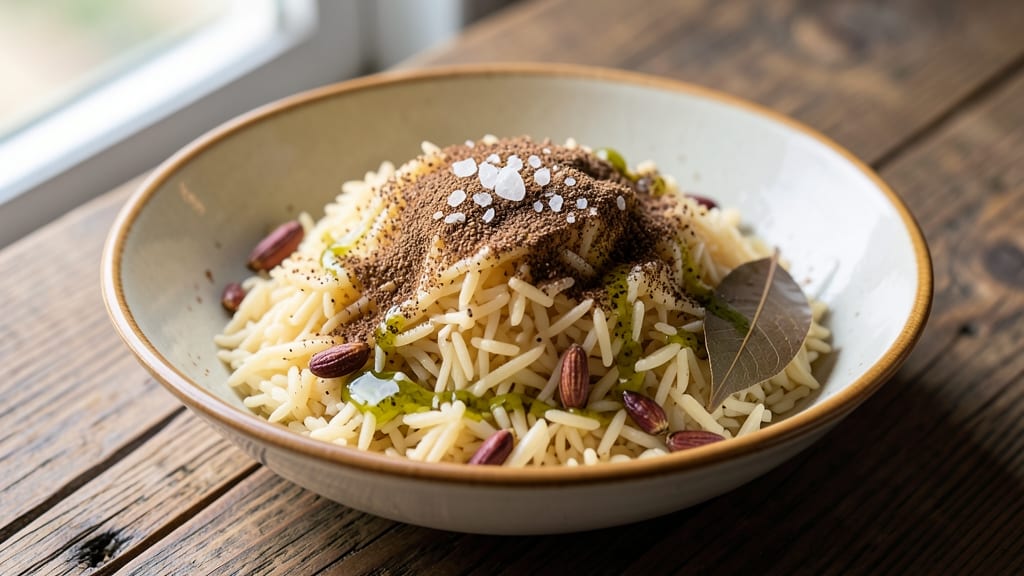
Perfecting boiled basmati rice transforms every meal—this recipe delivers fluffy grains with a subtle toasted depth that elevates curries, stir-fries, and salads. The secret lies in precise water ratios and gentle heat, ensuring each kernel stays distinct yet tender.
I've refined this method over years of testing, and it never fails to impress.
With just 1 part rice to 1.5 parts water and a 15-minute simmer, you'll achieve restaurant-quality results. The key is rinsing the rice thoroughly first to remove excess starch, which prevents gummy texture.
For extra depth, toast whole spices like cumin or cardamom in the pot before adding water—this infuses the grains with aromatic warmth.
Ingredients for boiled basmati rice
Eight essential ingredients for restaurant-quality basmati rice with aromatic depth.
| Ingredient | Amount | Notes |
|---|---|---|
| Long-Grain Basmati Rice 🍚 | 1 cup | Uncooked, rinsed thoroughly |
| Water 💧 | 1 ½ cups | Filtered or spring water preferred |
| Ground Cumin Seeds 🌿 | ¼ tsp | Toasted lightly for aroma |
| Cardamom Pods 🌿 | 2 whole | Lightly crushed, optional |
| Bay Leaf 🌿 | 1 whole | Fresh preferred, dried works |
| Salt 🧂 | ½ tsp | Kosher or sea salt |
| Extra-Virgin Olive Oil 🫒 | 1 tsp | For toasting spices |
| Lemon Juice 🍋 | 1 tbsp | Freshly squeezed, optional |
The rice is non-negotiable—Maharajah or Tilda brands are my go-to for that signature long-grain texture. Whole Foods or Indian grocery stores always carry the best quality. Rinsing until the water runs clear removes excess starch, which is critical for fluffy grains. For spices, Penzeys or Spicewalla offer the freshest whole spices, but the bulk section at Trader Joe's works too. Toast your spices in the olive oil for 30 seconds before adding water—this step unlocks the aromatic depth that sets this rice apart.
No cumin? Ground coriander at half the amount works in a pinch, though it lacks that earthy warmth. Cardamom pods can be skipped entirely if unavailable, but the flavor profile changes slightly. Fresh bay leaves add complexity, but dried bay leaves at one-third the quantity suffice. The lemon juice brightens the finished rice—skip it if you prefer neutral flavor. For extra richness, a pinch of turmeric or saffron can be added during toasting. If using pre-ground spices, toast them directly in the pot to preserve freshness.
Rice keeps best in an airtight container in the fridge for 4-5 days, though it reheats best when freshly cooked. For longer storage, freeze portions in 1-cup servings for up to 3 monthsjasmine rice if you prefer a slightly stickier texture, though basmati remains the ideal choice for distinct grains.
Why You'll Love This Recipe
- Five-Ingredient Magic: I swear by this—just rice, water, and three spices. That’s it. No fancy techniques, no last-minute grocery runs. Honestly, I’ve made it while waiting for dinner to cook, and it still tastes like I planned all day.
- Warm Spice Hug: The cumin, cardamom, and bay leaf turn plain rice into something aromatic and cozy. That first whiff of toasted spices while it simmers? Instantly feels like a home-cooked meal, even if you’re eating straight from the pot.
- Meal Prep MVP: Between us, this rice keeps perfectly for days. I make a big batch on Sundays, toss it into lunches, or pair it with curries all week. The grains stay separate, so reheating never gives you that sad, mushy mess.
- Budget Bright Spot: A pound of basmati rice costs less than takeout for two. Add the spices? Still cheaper than ordering in. I’ll be real: my wallet thanks me every time I make this instead of grabbing convenience store rice.
Step-by-step instructions for perfectly toasted basmati rice
Here's the method that delivers restaurant-quality basmati rice with aromatic spices and fluffy grains.
Toast the Spices in Olive Oil
Heat a medium saucepan over medium heat and add the 1 teaspoon extra-virgin olive oil. Once the oil shimmers lightly (about 30 seconds), add the 2 whole cardamom pods and 1 whole bay leaf. Let them sizzle gently for 1 minute until fragrant—you'll smell their warm, earthy aroma.
Then add the 0.25 teaspoon ground cumin seeds and stir constantly for 30 seconds until they darken slightly and release their nutty scent. This toasting step develops the spices' full flavor potential and prevents them from becoming bitter during cooking. Keep the heat at medium—too high will burn the spices instantly.
Rinse and Add the Rice
While the spices toast, rinse the 1 cup long-grain basmati rice under cold water in a fine-mesh strainer until the water runs clear. This removes excess starch that would make the rice gummy. Add the rinsed rice to the saucepan with the toasted spices and stir to coat the grains evenly with the oil.
Pour in the 1.5 cups water and add the 0.5 teaspoon salt. Bring to a boil over high heat, then immediately reduce to a gentle simmer. The moment you see bubbles form at the edges but the water isn't vigorously boiling, you're ready for the next step. This precise water-to-rice ratio ensures perfectly fluffy grains without excess moisture.
Simmer Covered for Even Cooking
Cover the saucepan tightly with a lid and reduce heat to low. Let the rice simmer undisturbed for 12 minutes. The steam will work its magic, cooking the grains evenly from the heat below and the condensation above. Don't peek or stir—this disrupts the even cooking process and can make the rice mushy.
After 12 minutes, check the rice by lifting a grain with a fork. It should be tender but still slightly firm in the center with a tiny bite of resistance. If grains are still firm, cover and cook for another 2-3 minutes. The rice is done when it's fully cooked but still maintains its shape—this is what gives basmati its signature fluffiness.
Rest and Finish with Lemon
Once the rice is perfectly cooked, remove it from heat and let it sit covered for 5 minutes. This resting period allows the steam to redistribute and the grains to plump fully. Don't skip this step—rushing to serve too soon results in dry, separate grains instead of cohesive, fluffy rice.
After resting, gently fluff the rice with a fork, then stir in the 1 tablespoon lemon juice. This brightens the spices and adds a subtle tang that cuts through the richness. The finished rice should be light, separate, and fragrant with warm cumin and cardamom notes. Serve immediately with your favorite curry or as a standalone side dish.
Pro Tips For Making Boiled Basmati Rice
- TOAST THE SPICES FIRST: Heat your cumin seeds and cardamom pods in a dry pot for 30 seconds until they sizzle—this wakes up their flavor. I used to skip this, and the rice tasted flat; now it’s got that warm, earthy depth right from the start.
- USE A 1:1.5 RATIO: Basmati rice absorbs water differently than other grains. For every cup of rice, use 1.5 cups of water—no more, no less. I learned this after making mushy rice one week and dry rice the next; this ratio works every time.
- DON’T PEAK TOO SOON: After boiling, cover the pot and let it sit for 10 full minutes before lifting the lid. Checking early releases steam, and you’ll end up with unevenly cooked grains. Yes, it’s tempting, but resist.
- ADD BAY LEAF LATE: Toss the bay leaf in with the rice just before covering the pot—it infuses the water without overpowering. I used to add it at the start, and the flavor got bitter. Late addition keeps it subtle and aromatic.
Regional styles of boiled basmati rice
Indian Subcontinent Style
In India, basmati rice is often cooked with whole spices like cardamom and cloves for a fragrant base. I love adding 1-inch cinnamon stick and 2 black cardamom pods during toasting for deeper warmth.
The rice is typically served with biryani or dal makhani, where the spices meld beautifully with the dish's richness. 🌿
Middle Eastern Toasted Rice
Middle Eastern cuisine often uses saffron-infused rice, where a pinch of saffron threads (soaked in 2 tbsp warm water) is added during the simmer.
For extra texture, toast ½ cup chopped pistachios in the same oil before adding rice. This style pairs perfectly with lamb kebabs or eggplant stews.
Persian Saffron Rice
Persian chelo rice uses ½ tsp saffron threads steeped in ¼ cup warm water and added during the final 5 minutes of cooking. I also include 1 bay leaf and 2 cloves for complexity.
The rice is often shaped into a cone (tajin) and served with fesenjan (pomegranate stew) or ghormeh sabzi. 🍚
African Spiced Rice
West African versions incorporate smoked paprika and dried thyme during toasting, creating a nutty, earthy profile. For extra depth, add 1 diced onion to the pot while cooking. This style works wonderfully with peanut stews or grilled meats. The rice absorbs flavors beautifully while maintaining its signature fluffiness.
Caribbean Coconut Rice
In Caribbean cuisine, basmati rice is often cooked with coconut milk instead of water—use 1.5 cups coconut milk for every 1 cup rice. Toast 1 tsp mustard seeds and 1 tsp curry powder for warmth.
This version pairs perfectly with jerk chicken or curried fish, adding a creamy, tropical twist. 🌴
Nutrition facts
Frequently asked questions
Why does my basmati rice turn out mushy instead of fluffy?
Mushy rice usually happens from overcooking or stirring too much. Always use 1.5 cups water per 1 cup rice and simmer covered on low heat for exactly 12 minutes. Never peek or stir during cooking—this releases starch and makes grains sticky. The 5-minute rest after cooking is critical too!
Can I use less water for firmer rice?
For firmer grains, reduce water to 1.25 cups per 1 cup rice and simmer 10-12 minutes. However, basmati's signature fluffiness comes from its starch content—using too little water risks undercooked centers. The 1.5:1 ratio in this recipe balances perfect texture every time.
What's the best way to store leftover basmati rice?
Let rice cool completely, then transfer to an airtight container and refrigerate for up to 4-5 days. For reheating, add 1 tablespoon water per cup of rice and cover with a damp paper towel before microwaving. This prevents dryness. Freeze portions in 1-cup servings for up to 3 months.
Can I substitute jasmine rice in this recipe?
Jasmine rice works but requires 1.75 cups water per 1 cup rice and simmers 15 minutes for similar texture. The grains will be slightly stickier. For true basmati fluffiness, stick to long-grain varieties like Maharajah or Tilda—their lower starch content maintains separation.
How do I make this rice more flavorful without extra spices?
Toast 1 tsp whole cumin seeds in the oil until fragrant, then add them whole with the rice. For brightness, stir in 1 tbsp lemon juice after cooking. Another trick: simmer with ½ cup coconut milk instead of water for a subtle creamy depth that pairs beautifully with curries.