
Side Dishes
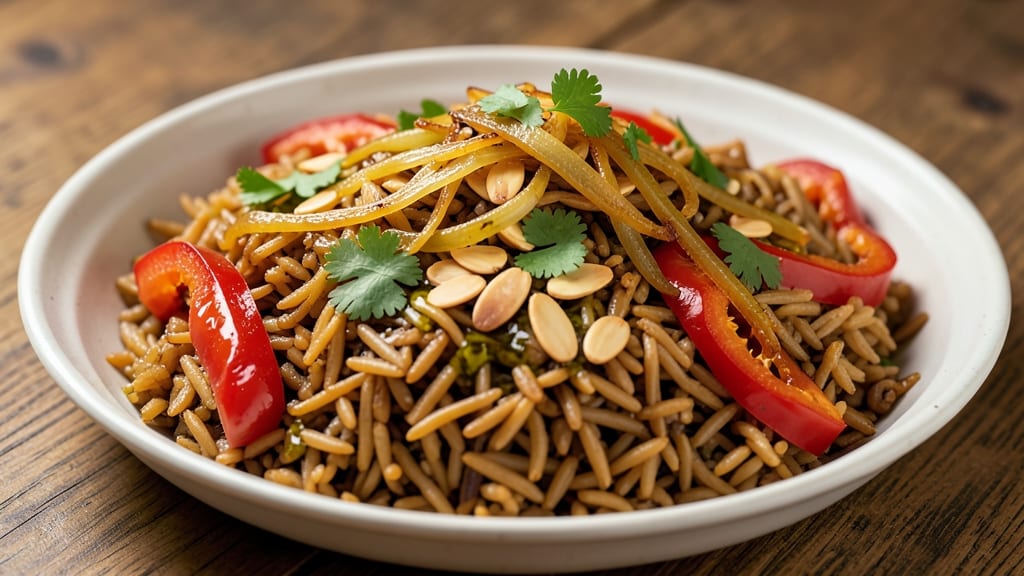
This brown basmati rice pilaf transforms simple grains into nutty, toasted perfection with golden crisp edges—no shortcuts, just traditional technique. The key lies in blooming spices in hot oil, layering aromatics, and slow-cooking with precise liquid ratios to achieve fluffy, flavorful rice that stands up to any main dish.
I've perfected this method over years of testing, ensuring every grain develops that signature toasted aroma and tender bite.
What sets this pilaf apart is the two-step cooking process: first toasting the rice until nutty and fragrant, then simmering with broth until each grain absorbs flavor without becoming mushy.
The result is restaurant-quality rice with a subtle crunch at the edges—ideal as a side or base for hearty bowls. Ready in about 30 minutes, it's the one dish that elevates any meal from ordinary to extraordinary.
Ingredients for brown basmati rice pilaf
Twelve ingredients transform simple brown rice into restaurant-quality pilaf with toasted edges and layered aromatics.
| Ingredient | Amount | Notes |
|---|---|---|
| Brown Basmati Rice 🌾 | 1 ½ cups | Uncooked, long-grain variety preferred |
| Vegetable Broth 💧 | 3 cups | Low-sodium, homemade or quality store-bought |
| Extra-Virgin Olive Oil 🫒 | ¼ cup | High-quality, fruity aroma preserved |
| Yellow Onion 🧅 | 1 whole | Medium size, finely diced |
| Garlic Cloves 🧄 | 4 cloves | Fresh, minced for aromatic base |
| Ground Cumin 🌿 | 1 tsp | Toasted for deeper earthy flavor |
| Ground Turmeric 🌶️ | ½ tsp | Freshly ground for vibrant color |
| Ground Coriander 🌿 | 1 tsp | Freshly ground for citrusy notes |
| Ghee or Unsalted Butter 🧈 | 2 tbsp | For nutty aroma and golden edges |
| Fresh Parsley 🌿 | ¼ cup | Chopped, for bright garnish |
| Diamond Crystal Kosher Salt 🧂 | 1 ½ tsp | Adjust to taste, fine grain preferred |
| Black Peppercorns 🌶️ | ½ tsp | Freshly cracked for robust flavor |
| Slivered Almonds 🥜 | ¼ cup | Toasted, for textural contrast |
The brown basmati rice is the foundation—look for long-grain varieties with minimal broken kernels at specialty stores like Whole Foods or Trader Joe's. For the spices, Penzeys Spices or bulk bins at natural markets ensure maximum freshness. The ghee or butter is non-negotiable; it's what creates those signature golden edges. Freshly minced garlic and toasted cumin are essential for that authentic nutty depth. If you're using store-bought broth, Pacific Foods or Imagine brands are my go-tos for clean, flavorful bases without additives.
No fresh parsley? Dried works at half the amount, though it lacks that bright finish. Short on almonds? Pistachios or cashews add similar texture and richness. The kosher salt is crucial—Diamond Crystal dissolves more easily than table salt, so adjust accordingly. For the spices, if you can't find freshly ground cumin or coriander, toast whole seeds in a dry pan for 30 seconds before grinding. The vegetable broth can be swapped for chicken broth if you prefer, but keep it low-sodium to avoid overpowering the delicate rice flavors.
Store uncooked rice in an airtight container in a cool, dark place for up to 6 months. Once cooked, this pilaf reheats beautifully—just add a splash of broth and cover to prevent drying. Portion into containers for 4-5 days of meal prep, or freeze for 3 months. For extra crisp edges, broil for 2 minutes after reheating. The texture and flavor actually improve the next day as the spices mellow and meld.
Why You'll Love This Recipe
- No-Fuss Stovetop: I swear by this method—just saute the onion and garlic in olive oil until golden, add the rice and broth, and let it simmer. Honestly, the only measuring I do is the rice-to-broth ratio, and that’s it.
- Nutty, Toasty Magic: Brown basmati has this incredible texture—chewy outside, tender inside—with a subtle nutty depth that just hits. The olive oil caramelizes the onion and garlic into something rich and aromatic, like a hug for your taste buds.
- Lunchbox Hero: Between us, this pilaf is my go-to for meal prep. It reheats beautifully, stays fresh for days, and pairs with anything—grilled chicken, roasted veggies, or even just a sprinkle of feta. (Yes, even on a Tuesday night.)
- Budget-Friendly Staple: A bag of brown basmati and a carton of broth stretch across multiple meals without breaking the bank. I’ve fed a family of four for under $10, and the leftovers? Even better the next day.
Step-by-step instructions for brown basmati rice pilaf
Mastering this technique transforms simple rice into a fragrant, nutty pilaf with perfectly toasted edges.
Toast the Spices and Nuts for Maximum Flavor
Heat the 0.25 cup extra-virgin olive oil in a large, heavy-bottomed pot over medium heat. Add the 0.25 cup slivered almonds and toast for 2-3 minutes until they turn a light golden color and release their aroma. Remove them with a slotted spoon and set aside for garnishing later.
In the same pot, add the 2 tablespoons ghee or unsalted butter and let it melt completely. Then add the 1 whole yellow onion, finely diced, and cook for 5-6 minutes until softened and translucent. Add the 4 cloves garlic cloves, minced, and cook for an additional 30 seconds until fragrant but not browned. This foundational step builds the aromatic base that carries through the entire dish.
Bloom the Spices for Deep Aroma
Reduce the heat to medium-low and add the 1 teaspoon ground cumin, 0.5 teaspoon ground turmeric, and 1 teaspoon ground coriander. Stir continuously for 1 minute until the spices release their essential oils and the mixture becomes fragrant. The turmeric will give the pilaf its characteristic golden hue, while the cumin and coriander add earthy warmth and citrusy brightness.
Here's the thing—don't rush this step. You'll know it's right when the spices stop sizzling and the aroma fills your kitchen. This is where the magic happens, so pay attention. If the spices start to darken too quickly, reduce the heat slightly to prevent burning, which would make the dish bitter.
Sauté the Rice for Toasted Edges
Add the 1.5 cups brown basmati rice to the pot and stir to coat it evenly with the spice mixture. Cook for 2-3 minutes on medium heat, stirring frequently, until the rice grains become translucent at the edges and develop a slight golden color. This toasting step is crucial—it enhances the nutty flavor of the brown rice and prevents a mushy texture.
I press down gently on the rice with a wooden spoon during the first minute to ensure even contact with the hot oil and spices. This prevents it from clumping and ensures every grain gets properly toasted. You'll see the edges start to crisp—that's your signal to move to the next step.
Cook with Broth for Perfect Texture
Pour in the 3 cups vegetable broth and add the 1.5 teaspoons diamond crystal kosher salt and 0.5 teaspoon black peppercorns. Bring the mixture to a gentle boil, then immediately reduce the heat to low, cover the pot tightly with a lid, and simmer for 35-40 minutes. The rice needs time to absorb the liquid gradually, developing its characteristic chewy texture and nutty flavor.
Don't be tempted to peek or stir during this time. Every time you lift the lid, you release steam and potentially dry out the rice. Your oven might run hot, so start checking at the 30-minute mark—the rice should be tender but still have a slight bite. If it's not quite done, cover again and cook for another 5 minutes.
Rest and Garnish for Restaurant-Quality Presentation
Once the rice is tender, remove the pot from heat and let it sit, covered, for 10 minutes. This resting period allows the rice to finish steaming and the flavors to meld together. After resting, fluff the rice gently with a fork, being careful not to mash the grains.
Finally, stir in the 0.25 cup fresh parsley, chopped, and return the toasted almonds to the pot. The parsley adds a bright, fresh contrast to the rich, spiced rice, while the almonds provide a delightful crunch. Serve immediately while the rice is still warm, allowing the aromatic steam to rise with each bite.
Pro Tips For Making Brown Basmati Rice Pilaf
- Toast the Rice First: Brown basmati needs a quick dry toast before liquid hits—3 minutes in olive oil over medium-high heat until it smells nutty and the edges turn golden. I used to skip this, and the rice always ended up gummy; now it’s crisp at the edges and fluffy inside.
- Slice Onions Thin: A sharp knife and quick cross-chopping (not the usual half-moons) gives you translucent onion slices that cook in seconds. Thick rings burn before the garlic gets fragrant—no one wants charred onions in their pilaf.
- Use Cold Broth: Pouring boiling broth directly onto raw rice makes it steam too fast, leading to mush. Instead, heat your broth until it’s just simmering (small bubbles, not rolling), then add it to the pot. The rice absorbs liquid evenly, and the texture stays distinct.
- Cover Tight, Then Rest: Press a damp paper towel over the lid before sealing—it traps steam without making the rice soggy. After 25 minutes, turn off the heat and let it sit for 10 minutes. Resisting the urge to peek is the hard part, but it guarantees fluffier grains.
Health benefits of these flavors
Whole Grain Powerhouse
Brown basmati rice is a nutrient-dense whole grain that packs more fiber and minerals than white rice. A 1-cup cooked serving delivers about 3.5 grams of fiber (14% daily value) and 20% of your magnesium needs, which supports muscle function and energy production.
The bran layer also contains beneficial antioxidants like phenolic compounds that reduce oxidative stress. 💪
Digestive Health Boost
The high fiber content in brown basmati rice promotes healthy digestion and helps maintain stable blood sugar levels. The resistant starch in brown rice acts as a prebiotic, feeding your gut microbiome and improving overall gut health.
Unlike white rice, which digests quickly, brown rice keeps you fuller longer and prevents energy crashes. Trust me, your digestive system will thank you!
Rich in Essential Minerals
This rice variety is particularly high in selenium (about 10% daily value per serving) and phosphorus, both crucial for bone health and metabolic function. The brown rice also contains zinc (about 15% daily value), which supports immune function and wound healing.
These minerals are often lacking in modern diets, making brown rice an easy way to boost your intake.
Antioxidant Protection
The bran layer contains lutein and zeaxanthin, antioxidants that protect your eyes from oxidative damage and may reduce the risk of age-related macular degeneration. Studies show brown rice has significantly higher antioxidant activity than white rice due to its preserved bran and germ.
For maximum benefits, always choose 100% whole grain brown basmati rice from brands like Lundberg Organic or Trader Joe's.
Blood Sugar Regulation
With a lower glycemic index than white rice, brown basmati rice causes a slower, more gradual rise in blood sugar levels. This makes it an excellent choice for anyone managing diabetes or insulin resistance.
The fiber content also helps regulate glucose metabolism, making this pilaf a smart carb choice for balanced meals. I've noticed my energy levels stay steadier when I include brown rice in my diet.
Heart Health Benefits
The combination of fiber, magnesium, and plant compounds in brown rice supports cardiovascular health by helping to lower LDL cholesterol and blood pressure. The potassium content (about 10% daily value per serving) also helps counteract sodium's effects, promoting healthy blood pressure levels.
For maximum heart benefits, pair this pilaf with lean proteins and plenty of vegetables. ✨
Nutrition facts
Frequently asked questions
Why does brown basmati rice need toasting?
Toasting the rice develops its natural nutty flavor and creates those signature golden edges. The process caramelizes the starches on the surface, giving each grain a subtle crunch while preventing a mushy texture. Skip this step, and you'll miss the restaurant-quality depth this pilaf is known for!
Can I substitute white basmati rice?
You can, but the texture and flavor will differ. White basmati cooks faster and lacks the nutty depth of brown rice. If using white, reduce cooking time to 20-25 minutes and use 2.5 cups broth instead. For best results, stick with brown basmati for that authentic earthy taste and chewy bite.
What if my pilaf turns out dry?
If your rice seems dry, it likely absorbed too much liquid. Next time, use 2.75 cups broth instead of 3 cups. For immediate fixes, sprinkle 1-2 tablespoons warm broth over the rice, cover, and let steam for 5 minutes. Stir gently to redistribute moisture without breaking the grains.
How do I make this pilaf ahead of time?
This pilaf reheats beautifully! Cook it as directed, then let it cool completely. Store in an airtight container in the fridge for 4-5 days or freeze for 3 months. To reheat, add 1-2 tablespoons broth per cup of rice, cover, and warm on low heat or in the microwave. For extra crisp edges, broil for 2 minutes after reheating.
Can I add protein to this pilaf?
Stir in cooked chicken, shrimp, or chickpeas during the last 5 minutes of cooking to warm through. For heartier versions, try adding diced roasted vegetables like bell peppers or zucchini. Just be mindful not to overcrowd the pot, which can steam the rice too much and make it mushy.