
Main Courses
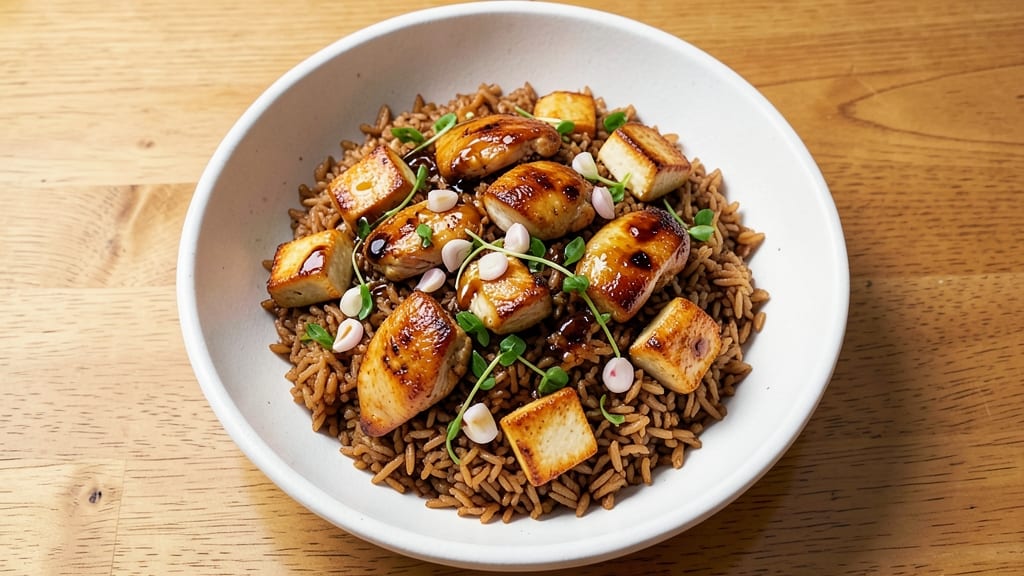
This healthy brown fried rice recipe delivers all the bold flavors of takeout without the guilt—packed with lean protein, fiber-rich veggies, and nutritious whole grains. The secret lies in using uncooked brown rice (cooked ahead) and stir-frying with minimal oil for a crisp-tender texture that still satisfies cravings.
I developed this version after realizing most fried rice recipes rely on white rice and excessive oil, so I swapped in nutrient-dense ingredients that keep it light yet filling.
What makes this dish truly balanced is the combination of high-fiber brown rice, which digests slowly for steady energy, and lean protein sources like chicken or tofu that keep you full longer.
The wok-tossed vegetables add crunch and vitamins without overpowering the meal, while a touch of low-sodium soy sauce and sesame oil brings authentic flavor without the sodium bomb. The result?
A restaurant-quality dish that's as good for your body as it is for your taste buds—ready in just 20 minutes once your rice is prepped.
Ingredients for brown fried rice recipe healthy
These nutrient-packed ingredients transform brown rice into a restaurant-quality, health-conscious meal.
| Ingredient | Amount | Notes |
|---|---|---|
| Long-Grain Brown Rice 🌾 | 1 ½ cups | Uncooked, cooked ahead |
| Boneless Chicken Breast 🍗 | 1 lb | Diced into small pieces |
| Firm Tofu 🥬 | ½ lb | Pressed and cubed |
| Low-Sodium Soy Sauce 🥢 | 2 tbsp | For authentic umami flavor |
| Sesame Oil 🫒 | 1 tbsp | Toasted sesame for aroma |
| Fresh Garlic Cloves 🧄 | 4 cloves | Minced for depth of flavor |
| Fresh Ginger 🌿 | 1 ½ tsp | Grated, for zing |
| Carrots 🥕 | 1 ½ cups | Julienned into matchsticks |
| Bell Peppers 🧅 | 1 ½ cups | Mixed colors, diced small |
| Green Onions 🧅 | ½ cup | Sliced into thin strips |
| Eggs 🥚 | 2 whole | Lightly beaten for texture |
| Avocado Oil 🫒 | 1 ½ tbsp | High smoke point for wok |
| Diamond Crystal Kosher Salt 🧂 | ½ tsp | Adjust to taste |
| Black Pepper 🌶️ | ¼ tsp | Freshly cracked |
| Sesame Seeds 🌱 | 1 tbsp | Toasted for garnish |
The brown rice is the foundation—Bob's Red Mill or Lundberg brands keep their texture best when cooked ahead. For the protein, I prefer chicken breast because it stays lean, but firm tofu works just as well (press it for 20 minutes first). The soy sauce is non-negotiable for that classic flavor, but low-sodium versions keep this dish heart-healthy. Fresh ginger and garlic are worth the extra minute to grate and mince—they make all the difference. If you're short on time, jarred minced garlic works in a pinch, but fresh is ideal.
No sesame oil? Toasted peanut oil gives a similar nutty depth. Swapping bell peppers for broccoli or snap peas adds more color and crunch. The eggs are optional but add that signature fried rice texture—omit if you prefer egg-free. For extra protein, I sometimes add edamame or shrimp, but keep it lean with the chicken or tofu. The carrots can be pre-shredded (the bagged kind), but julienning them yourself gives that restaurant-quality look. If you're using pre-cooked rice, make sure it's day-old—fresh rice turns mushy when stir-fried.
Cooked rice keeps 4-5 days in the fridge, but it's best used within 2 days for optimal texture. Store leftovers in airtight containers with a paper towel pressed on top to absorb any moisture. This reheats beautifully—just a quick stir in a dry pan over medium heat with a splash of water. Freeze portions for up to 3 months if you're prepping for meal prep. I like to portion mine into single-serving containers so I can grab and go.
Why You'll Love This Recipe
- One-Pan Magic: I swear by this—no chopping boards, no extra pans. Toss the pre-cooked brown rice, diced chicken, and crumbled tofu straight into the same skillet where you’ll stir-fry everything. Five minutes later, you’re done. (Yes, even on a Tuesday night.)
- Umami Bomb: That low-sodium soy sauce? It’s the secret weapon here. The chicken stays juicy, the tofu soaks up the flavor, and a drizzle of sesame oil at the end? Pure satisfaction. Honestly, my picky eaters ask for seconds.
- Meal Prep MVP: Brown rice cooks ahead like a champ, so I always have a base ready. Add fresh veggies (or skip them—no judgment) and reheat with a splash of water. Packs lunches for days, feeds a crowd, or becomes a quick dinner. Zero stress.
- Budget Win: Chicken breast and tofu stretch across meals, and brown rice is cheaper than white. Leftovers? Even better. The flavor deepens overnight, so lunch the next day tastes like you slaved over it. (Spoiler: You didn’t.)
Step-by-step instructions for wok-tossed veggies and lean protein
Here's how to transform simple ingredients into a vibrant, nutrient-packed dish that's packed with flavor and texture.
Prepare the Protein and Veggies for Maximum Flavor
Start by pressing the 0.5 lb firm tofu between paper towels for 15 minutes to remove excess moisture. Cut it into ½-inch cubes—this size ensures even cooking and better texture. In a separate bowl, lightly beat the 2 whole eggs with 0.5 tsp Diamond Crystal kosher salt and 0.25 tsp black pepper until just combined but still slightly thick. The eggs will add a silky texture to the fried rice, so don't overbeat them.
While the tofu presses, dice the 1 lb boneless chicken breast into small, even ¼-inch pieces. This size ensures quick cooking without drying out. For the vegetables, julienne the 1.5 cups carrots into matchsticks and dice the 1.5 cups bell peppers into small, even pieces—both should be roughly the same size for even cooking. Thinly slice the 0.5 cup green onions, keeping the whites and greens separate for garnish later. Mince the 4 cloves fresh garlic and grate the 1.5 tsp fresh ginger—these aromatics are the secret to deep, complex flavor.
Cook the Protein and Veggies Separately for Perfect Texture
Heat a large wok or skillet over medium-high heat and add 1 tbsp avocado oil. Once the oil shimmers, add the tofu cubes in a single layer, leaving space between each piece. Cook undisturbed for 3-4 minutes until golden brown on the bottom, then flip and cook another 3-4 minutes until evenly browned. Remove the tofu and set aside—it should be crispy on the outside but tender inside. If the tofu releases too much liquid, pat it dry with a paper towel before adding it back to the wok later.
In the same wok, add another ½ tbsp avocado oil and increase the heat to high. Add the chicken breast pieces in a single layer and cook for 3-4 minutes, stirring occasionally, until the chicken is no longer pink in the center. Remove the chicken and set aside with the tofu. The chicken should be fully cooked but still juicy—overcooking will make it dry. Next, add 1 tbsp sesame oil to the wok and stir in the minced garlic and grated ginger. Cook for 30 seconds until fragrant—this step builds the aromatic foundation of your dish.
Stir-Fry the Veggies Until Crisp-Tender
Add the julienned carrots and diced bell peppers to the wok, spreading them out evenly. Stir-fry for 3-4 minutes over high heat, stirring constantly, until the vegetables are crisp-tender—bright in color but still slightly firm with a slight bite. The goal is to retain their vibrant texture, not turn them mushy. If the vegetables release a lot of moisture, increase the heat slightly to evaporate the excess and prevent steaming.
Push the vegetables to one side of the wok and add the beaten eggs to the empty space. Let the eggs sit undisturbed for 10-15 seconds until they begin to set, then scramble them gently with a spatula, folding them into soft curds. Once the eggs are mostly cooked but still slightly runny, mix them into the vegetables. This step ensures the eggs coat the vegetables evenly and add creaminess to the dish. Remove the wok from heat for a moment if the eggs start to brown too quickly.
Combine Everything with the Cooked Rice
Return the wok to medium-high heat and add the 1.5 cups cooked long-grain brown rice, breaking up any clumps with your spatula. Drizzle in the 2 tbsp low-sodium soy sauce and toss everything together, mixing well to combine the rice with the protein, vegetables, and eggs. The rice should be hot and slightly sticky—if it's too dry, add 1-2 tablespoons of water to help everything cling together. Cook for 2-3 minutes, stirring constantly, until the rice is heated through and everything is evenly coated.
Taste and adjust the seasoning if needed—add a pinch more kosher salt or a splash of soy sauce if the dish needs more umami flavor. The fried rice should be vibrant, with a balance of textures: crispy tofu, tender chicken, crisp-tender vegetables, and creamy eggs. If the dish feels too heavy, you can add a splash of sesame oil for extra aroma and a light, nutty finish.
Garnish and Serve Immediately
Transfer the fried rice to a serving platter and garnish with the thinly sliced green onion whites and 1 tbsp toasted sesame seeds. The sesame seeds add a nutty crunch and visual appeal, while the green onions bring a fresh, bright contrast. Serve the fried rice immediately while it's hot—this dish is best enjoyed fresh out of the wok, with all the flavors and textures at their peak. Pair it with a simple cucumber salad or steamed bok choy for a complete, balanced meal.
Pro Tips For Making Brown Fried Rice Recipe Healthy
- STIR-FRY COLD RICE: Use day-old brown rice—it’s drier and absorbs flavors better. If cooking fresh, spread it on a tray and refrigerate 30 minutes first. I learned this the hard way after making mushy rice twice.
- CUT CHICKEN SMALL: Slice the chicken breast into ½-inch pieces—thin but not shredded. Thicker chunks stay chewy, and you’ll end up overcooking them while the tofu stays underdone. (Yes, even if you’re impatient like me.)
- PRESS TOFU DRY: Wrap firm tofu in a towel and press it under a heavy pan for 15 minutes. This removes excess water so it fries crispy instead of turning into a soggy block. Sounds weird, but it works.
- SAVE SESAME OIL: Add sesame oil at the very end—just a teaspoon—over the finished rice. Cooking it too early burns the flavor, and you’ll regret wasting that nutty aroma. (Your future self will thank you.)
Flavor customization for these flavors
Spicy Kick
For heat lovers, add 1 tbsp gochujang (Korean chili paste) or ½ tsp cayenne pepper when tossing the rice with soy sauce. I find 1 tsp sriracha works well too—just stir it in during the final 2 minutes of cooking.
If you want smoky heat, swap ½ tbsp smoked paprika for the black pepper in the egg mixture. 🌶️
Umami Boost
Elevate the savory depth with 1 tsp fish sauce (like Red Boat) or 1 tbsp miso paste (white or red) mixed into the soy sauce. For a vegetarian option, add 1 tbsp nutritional yeast—it adds a cheesy, umami richness without animal products.
I also love 1 tbsp hoisin sauce for a slightly sweet contrast.
Sweet-Tangy Twist
Balance the dish with 1 tsp honey or maple syrup stirred into the soy sauce mixture. For a tropical vibe, add ½ cup diced pineapple (cooked with the veggies) or 1 tbsp lime juice at the end. The acidity brightens the flavors beautifully. 🍯
Herbaceous Freshness
Swap green onions for cilantro or basil—both add a bright, herbal note. I like ½ cup chopped cilantro mixed into the final dish, or 4 fresh basil leaves torn into ribbons.
For a Mediterranean touch, add 1 tbsp chopped mint with the sesame seeds. These herbs keep the dish light while adding complexity.
Nutty Crunch
Toast 1 tbsp chopped peanuts or walnuts in the wok for 1 minute before adding the rice. The crunch contrasts perfectly with the soft textures. For extra protein, stir in ½ cup cooked quinoa with the rice—it adds a nutty earthiness.
I also love 1 tbsp crushed roasted peanuts on top for garnish. 🌰
Zesty Lime Finish
Squeeze 1 tbsp fresh lime juice over the finished dish right before serving. The acidity cuts through the richness and adds a refreshing zing. For a garnish, add lime zest along with the sesame seeds.
If you prefer lemon, use ½ tbsp juice instead—it’s slightly milder but still brightens the dish. ✨
Nutrition facts
Frequently asked questions
Why does brown rice work better than white rice for healthy fried rice?
Brown rice retains its fiber and nutrients (like magnesium and B vitamins) that white rice loses during processing. The extra fiber keeps you full longer and supports digestion, while the chewy texture holds up better to stir-frying. Plus, it has a lower glycemic index than white rice, helping stabilize blood sugar.
Can I make this recipe without a wok?
Use a large skillet or cast-iron pan with high sides—just make sure it's wide enough to stir-fry properly. A nonstick pan works too, but avoid overcrowding to prevent steaming. If your pan is shallow, cook in two batches for even browning. The key is maintaining high heat and quick cooking.
How do I keep the rice from getting mushy?
Use day-old rice (or cook it ahead) so it's dry enough to crisp up. Break up any clumps before adding to the wok, and stir-fry over medium-high heat for 2-3 minutes max. If the rice seems dry, add 1 tbsp water when tossing, but avoid over-moistening. Also, don't overcook the veggies—they release moisture that can turn rice soggy.
What's the best way to add extra protein without ruining the healthy balance?
Try shrimp (cook for 1-2 minutes only) or edamame (shelled, stir-fried for 2 minutes). For plant-based options, add extra tofu or tempeh (crumbled, pan-fried first). If using meat, stick to lean cuts like turkey breast or 93% lean ground beef—just reduce oil slightly to balance calories.
Can I meal prep this fried rice?
Yes, but store components separately to prevent sogginess. Cook the rice and proteins/veggies ahead, then refrigerate in airtight containers for up to 4 days. Reheat by stir-frying in a dry pan for 3-4 minutes with a splash of water. For freezing, portion into single servings and thaw overnight in the fridge before reheating.