
Sauces & Condiments
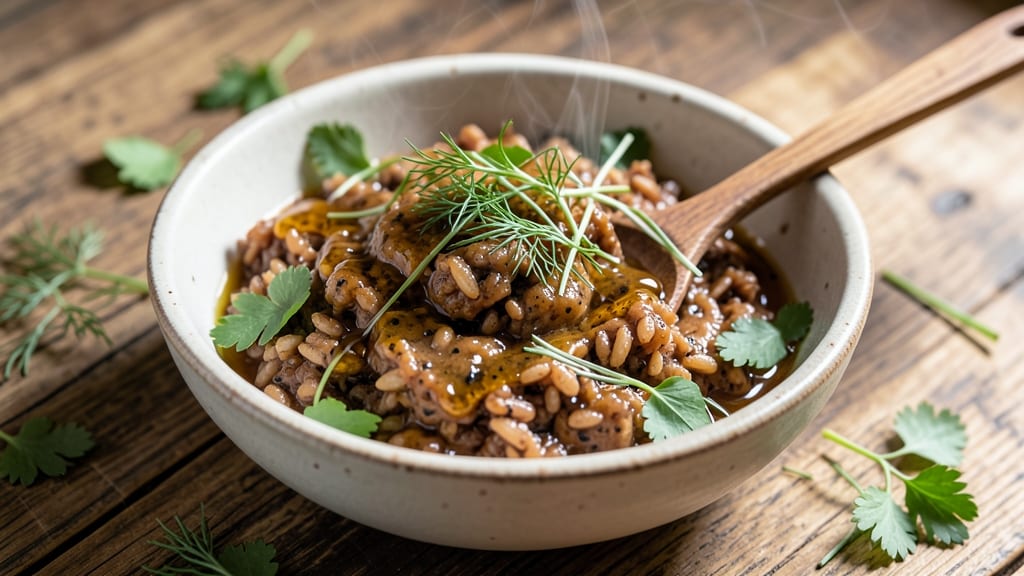
This brown rice dressing recipe transforms simple pantry staples into a nutty, herb-infused vinaigrette that elevates any dish. The key lies in blending cooked brown rice with tangy vinegar and aromatic herbs, creating a creamy yet light base that clings beautifully to salads, bowls, and roasted vegetables.
Unlike traditional dressings, this version delivers a subtle earthiness that enhances rather than overpowers other flavors.
The process is straightforward: cook the rice until tender, then blend it with vinegar, oil, and fresh herbs until smooth. The rice acts as a natural thickener, eliminating the need for flour or cornstarch while adding a satisfying texture.
This dressing keeps well in the refrigerator for up to a week, making it an ideal make-ahead solution for meal prep or last-minute gatherings.
Ingredients for brown rice dressing
Nine simple ingredients create this restaurant-quality dressing with nutty depth and herbal brightness.
| Ingredient | Amount | Notes |
|---|---|---|
| Long-Grain Brown Rice 🍚 | ¾ cup | Uncooked, rinsed thoroughly |
| Apple Cider Vinegar 🍎 | ½ cup | Raw, unfiltered preferred |
| Extra-Virgin Olive Oil 🫒 | ½ cup | High-quality, fruity aroma |
| Fresh Parsley Stems 🌿 | ¼ cup | Tough stems included for texture |
| Fresh Tarragon Leaves 🌿 | ¼ cup | Finely chopped, organic preferred |
| Fresh Dill Weeds 🌿 | ¼ cup | Chopped, stems included |
| Dijon Mustard 🌶️ | 1 tbsp | High-quality, whole-grain |
| Honey 🍯 | 1 tbsp | Raw, unprocessed preferred |
| Kosher Salt 🧂 | 1 ½ tsp | Diamond Crystal preferred |
| Freshly Ground Black Pepper 🌶️ | ½ tsp | Freshly cracked for aroma |
The brown rice is the foundation—short-grain varieties like Calrose or sushi rice work best for creaminess, but long-grain holds its shape better. Cook it until tender (about 40 minutes) before blending, and don't skip rinsing to remove excess starch. For sourcing, Trader Joe's carries pre-rinsed organic brown rice, or check the bulk section at Whole Foods for specialty varieties. The herbs should be bright green and fragrant—wilted stems mean lower quality. Tarragon is the most critical for that anise-like flavor; if unavailable, fennel fronds make a decent substitute.
No apple cider vinegar? White wine vinegar or lemon juice work in a pinch, though flavor will shift slightly. The honey can be swapped for maple syrup (same amount) or agave nectar for a neutral sweetness. Mustard is non-negotiable for emulsification—Dijon mustard provides the right balance of tang and creaminess. For extra richness, toasted sesame oil (1 tsp) can replace half the olive oil. The dressing thickens as it sits, so adjust with water or vinegar if needed—it should coat the back of a spoon but remain pourable. Fresh herbs are ideal, but dried will work at one-quarter the amount (e.g., 1 tsp dried dill instead of 0.25 cup fresh).
Store in an airtight glass jar in the refrigerator for up to 7 days—the flavors meld beautifully overnight. For longer storage, freeze in ice cube trays for single-serving portions, then transfer to a bag. The dressing thickens when chilled, so give it a quick whisk before using. It reheats well for warm dishes like grain bowls or roasted vegetables. Double the batch for meal prep—this keeps for 10 days refrigerated and makes an excellent gift in small jars.
Why You'll Love This Recipe
- No-Cook Magic: I swear, this dressing comes together with just a blender and zero heat. Toss in pre-cooked brown rice (or even leftover grains), a splash of apple cider vinegar, and a glug of olive oil—no chopping, no waiting. Honestly, I make it while I’m waiting for the chicken to roast.
- Herb-Packed Punch: That tarragon and parsley? They turn this from bland to ridiculously good in seconds. The vinegar brightens it up, the olive oil keeps it rich, and the nutty brown rice adds depth. It’s the kind of flavor that makes you go back for seconds without even trying.
- Salad Game-Changer: Between us, this dressing turns a basic salad into something special—no matter the occasion. Drizzle it over greens for lunch, toss it with roasted veggies for dinner, or even use it as a dip for crudités. (Yes, even on a Tuesday night.)
- Budget-Friendly Staple: Brown rice is cheap, vinegar lasts forever, and herbs stretch further than you’d think. I’ve made a big batch for the week, and it’s still here, keeping meals interesting without breaking the bank. Plus, it keeps in the fridge for days—no waste, all flavor.
Step-by-step instructions for brown rice dressing
Here's how to transform simple ingredients into a rich, nutty vinaigrette with perfect texture and depth.
Toast the Brown Rice for Nutty Depth
Heat a dry skillet over medium heat and add the 0.75 cup long-grain brown rice. Toast the rice for 3-4 minutes, stirring constantly until it turns a rich golden brown and emits a toasty aroma. This step develops the nutty flavor that will anchor your dressing.
Watch the rice closely—it should smell toasty and nutty, not burnt. Remove from heat immediately once it reaches this stage. Let it cool completely before processing, as warm rice will release excess moisture and dilute your final product.
Blend the Herb and Vinegar Base
In a high-speed blender, combine the toasted brown rice, 0.5 cup apple cider vinegar, 0.25 cup chopped fresh parsley stems, 0.25 cup chopped fresh tarragon leaves, 0.25 cup chopped fresh dill weeds, 1 tbsp Dijon mustard, and 1 tbsp honey. Blend on high speed for 30-45 seconds until completely smooth.
This initial blend creates the foundational texture. The vinegar and mustard emulsify the mixture while the herbs infuse their bright, fresh flavors. If the blend looks too thick, add 1-2 tablespoons of water to help the blender process it smoothly.
Emulsify with Olive Oil for Creamy Texture
With the blender running on low speed, slowly drizzle in the 0.5 cup extra-virgin olive oil through the feed tube. This gradual addition creates a stable emulsion. Once all the oil is incorporated, blend for another 1-2 minutes until completely smooth and creamy.
Here's the thing—don't rush this step. The emulsion is what gives this dressing its signature velvety texture. If the mixture starts to separate, simply blend again for 30 seconds to re-emulsify. The result should be a thick, pourable dressing with a glossy finish.
Season and Adjust Consistency
Transfer the dressing to a bowl and stir in the 1.5 tsp kosher salt and 0.5 tsp freshly ground black pepper. Taste and adjust seasoning—you may need a touch more salt to balance the acidity from the vinegar. For a sweeter profile, add another ½ teaspoon of honey.
If the dressing is too thick for your desired consistency, thin it with 1-2 teaspoons of water at a time until it reaches a smooth, pourable texture. Conversely, if it's too thin, let it sit at room temperature for 10-15 minutes to thicken naturally. The dressing will continue to develop flavor as it sits, so taste it again after 30 minutes before using.
Pro Tips For Making Brown Rice Dressing
- TOAST THE RICE FIRST: Brown rice has a tough exterior that soaks up liquid unevenly. Heat a dry skillet over medium and toast the rice for 3-4 minutes until it smells nutty—this cracks the hull and makes it absorb the vinegar-oil mix more evenly. (I learned this the hard way after making dressing that tasted like soggy oatmeal.)
- USE STALKY PARSELY STEMS: Don’t toss those tough parsley stems—they pack the most flavor. Roughly chop them along with the leaves, then bruise them slightly by pressing with the flat of your knife before adding to the dressing. (Yes, even if you’re impatient like me, this step makes a real difference.)
- DON’T SKIP THE REST: After cooking the rice, let the dressing sit for at least 15 minutes before blending. The starches need time to swell and thicken properly—blending too soon gives you a watery, grainy mess. (I know, I know, but trust the process.)
- SWAP VINEGAR FOR BALANCE: If the dressing tastes too sharp, replace 1 tablespoon of apple cider vinegar with a splash of Dijon mustard or a pinch of honey. The acidity mellows out, and the dressing clings better to greens or salads. (Sounds weird, but it works—especially with bitter greens.)
Essential equipment for this dish
Blender Essentials
You need a high-speed blender for this dressing—nothing less than 12,000 RPM will create that silky texture. I swear by the Ninja BN601 for its power and affordability, or the Vitamix E310 if you want premium performance.
The key is a tall, narrow container to help incorporate oil smoothly. Avoid cheap blenders—they struggle with emulsification and may leave oil pockets. 💫
Skillet Selection
A non-stick or stainless steel skillet is perfect for toasting the brown rice. I prefer 10-inch Lodge cast iron for even heat distribution and durability. If you don’t have cast iron, a well-seasoned carbon steel pan works too.
Avoid aluminum—it heats too quickly and can burn the rice before it toasts properly. Medium heat is crucial for even browning.
Measuring Tools
Precision matters with this recipe, so invest in a stainless steel measuring cup set like OXO Good Grips for accurate dry ingredients. For liquids, a glass liquid measuring cup with pour spouts makes vinegar and oil easier to handle.
A microplane for garlic or a sharp chef’s knife is essential for chopping herbs finely—this ensures a smooth blend without gritty bits.
Storage Containers
Transfer the finished dressing to an airtight glass jar with a screw-top lid for freshness. I love Le Parfait 16-ounce jars for their seal and durability. For meal prep, use smaller portion jars (like 4-ounce sizes) to avoid waste.
Mason jars work too, but their wide mouths make them less ideal for storing dressings long-term—they can dry out faster.
Optional Upgrades
For extra convenience, a small food processor (like the Cuisinart DLC-4BC) can handle the herbs if you prefer chopping them pre-blending. If you love experimenting, a mortar and pestle lets you crush fresh herbs directly into the dressing for even more vibrant flavor.
A fine-mesh sieve is handy if you want to strain out any herb stems for a smoother texture.
Nutrition facts
Frequently asked questions about brown rice dressing
Can I use white rice instead of brown rice?
While white rice will work, it won't provide the same nutty depth or texture. Brown rice's chewy texture and earthy flavor are key to this dressing's character. For a similar effect, try short-grain white rice (like sushi rice) and toast it for 2-3 minutes instead of 3-4 minutes—it'll be lighter but still add creaminess.
How can I make this dressing vegan?
This recipe is already vegan-friendly! Simply ensure your honey is replaced with maple syrup or agave nectar, and verify that your Dijon mustard contains no animal products. Most store-bought Dijon is vegan, but always check the label. The dressing's rich, herby flavor shines without any animal ingredients!
What are the best dishes to use this dressing with?
This versatile dressing works beautifully on salads (especially greens with nuts), grain bowls, roasted vegetables, and even as a dip for crudités or warm pita. Its nutty profile pairs well with Mediterranean flavors, but it also complements Asian-inspired dishes—try it with sesame seeds for a fusion twist.
Why did my dressing separate?
Separation usually happens when oil isn't emulsified properly. To fix it, simply blend again for 30-60 seconds on high speed. For prevention, always add oil slowly while blending on low speed, and ensure your ingredients are at room temperature. If it happens again, stir in 1 teaspoon of Dijon mustard or 1 tablespoon of vinegar to help re-emulsify.
Can I make this dressing gluten-free?
This recipe is naturally gluten-free as long as you use certified gluten-free Dijon mustard. Double-check labels, as some brands may contain trace amounts. The brown rice and other ingredients are inherently gluten-free, so no substitutions are needed—just verify your mustard and honey sources.