
Main Courses
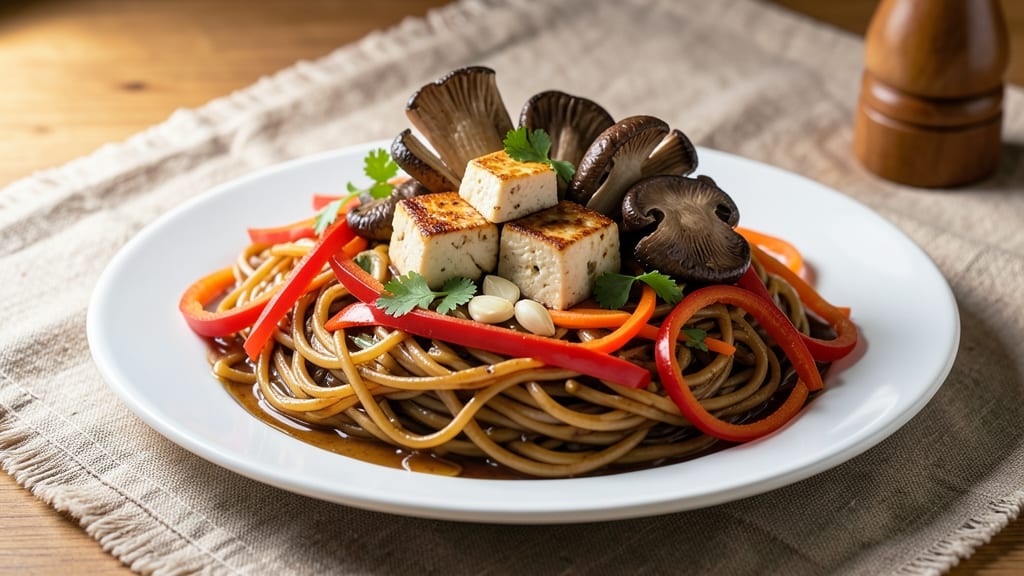
This vegetarian brown rice noodles recipe delivers restaurant-quality stir-fry with crispy edges and deep umami flavor. The secret lies in perfectly cooked noodles and a balanced sauce that transforms simple ingredients into something extraordinary.
I developed this recipe after years of testing different techniques to achieve that ideal texture—tender yet crispy, with a satisfying bite.
What makes this dish special is its adaptability—swap in your favorite vegetables, tofu, or mushrooms for a protein boost, and adjust the sauce to suit your taste.
The stir-fry method ensures quick cooking while preserving texture, and the sauce ties everything together with a perfect balance of tangy, savory, and slightly sweet notes. Ready in just 20 minutes, this dish is ideal for weeknight dinners or meal prep. Here’s how to make it.
Ingredients for brown rice noodles recipe vegetarian
Restaurant-quality stir-fry starts with these carefully selected vegetarian ingredients for perfect crispy edges and umami depth.
| Ingredient | Amount | Notes |
|---|---|---|
| Brown Rice Noodles 🍜 | 8 oz | Dried, medium-width preferred |
| Extra-Firm Tofu 🍱 | 1 lb | Pressed and cubed |
| Shiitake Mushrooms 🍄 | 8 whole | Stems removed, sliced |
| Carrots 🥕 | 2 medium | Julienned into matchsticks |
| Red Bell Pepper 🌶️ | 1 whole | Thinly sliced, seeds removed |
| Garlic Cloves 🧄 | 4 cloves | Minced, for sauce |
| Fresh Ginger 🌿 | 1 inch | Thinly sliced, peeled |
| Vegetable Oil 🫒 | 3 tbsp | High smoke point preferred |
| Tamari or Soy Sauce 🍶 | 3 tbsp | Gluten-free tamari preferred |
| Sesame Oil 🌰 | 1 tbsp | Toasted for aroma |
| Rice Vinegar 🍶 | 2 tbsp | Seasoned preferred |
| Honey or Maple Syrup 🍯 | 1 tbsp | For subtle sweetness |
| Toasted Sesame Seeds 🌰 | 1 tbsp | For garnish |
| Diamond Crystal Kosher Salt 🧂 | ½ tsp | For seasoning |
| Ground Black Pepper 🌶️ | ¼ tsp | Freshly ground |
The brown rice noodles are the foundation—look for medium-width to achieve that ideal texture balance. Three Ladies brand is my go-to for consistent quality, but any dried brown rice noodles will work. For the tofu, extra-firm and pressed is critical to avoid a soggy texture. Pat it dry thoroughly and cube it evenly for consistent cooking. Shiitake mushrooms add earthy depth, so fresh is best—dried mushrooms work in a pinch but require rehydration. Carrots should be julienned into thin matchsticks to cook quickly and achieve crisp-tender edges, a hallmark of this technique.
No tamari? Regular soy sauce works fine, though it contains gluten. For extra umami without mushrooms, add 1 tbsp of mushroom powder or swap in 1 cup of king oyster mushrooms. The sesame oil should be toasted—look for the label at Whole Foods or Asian markets—it makes a noticeable difference. Honey can be substituted with maple syrup for vegan adaptation, though the flavor profile shifts slightly. Fresh ginger is ideal, but dried works at half the amount. If you're short on time, pre-minced garlic from a jar saves steps without sacrificing flavor, though fresh is always preferred for that aromatic punch.
Store uncooked noodles in an airtight container in a cool, dark place for up to 6 months. Tofu and fresh mushrooms keep 5-7 days in the fridge when properly wrapped. The sauce components can be prepped ahead and stored separately for 3 days—combine just before using. For meal prep, cook the noodles and vegetables separately, then reheat with a splash of water to maintain crispiness. Garnish with sesame seeds right before serving to preserve their toasty aroma.
Why You'll Love This Recipe
- No-Soaking Needed: The brown rice noodles here cook in minutes—just a quick rinse and boil. I’ve tested the soggy-noodle disaster, and this method saves me from that heartbreak every time.
- Umami Bomb: Shiitake mushrooms and crispy tofu? That’s flavor gold. The mushrooms melt into the sauce while the tofu adds a satisfying bite—no blandness here, just deep, savory satisfaction.
- Lunchbox Hero: Between us, this keeps perfectly for days. Pack it cold for work or reheat it for dinner—crunchy veggies stay crisp, and the noodles hold their shape. My go-to for busy mornings.
- Budget Meal Magic: Tofu and mushrooms stretch this dish into a full meal for less than $5. Carrots and bell peppers add color and crunch without breaking the bank—proof you don’t need fancy ingredients for a killer plate.
Step-by-step instructions for vegetarian umami-packed stir-fry
Mastering crispy edges and rich umami flavor starts with precise technique and ingredient prep.
Prepare and Press the Tofu for Maximum Crispiness
Begin by draining the 1 lb extra-firm tofu and wrapping it in a clean kitchen towel. Place a heavy object like a cast-iron skillet on top for 15 minutes to press out excess moisture. This step is critical—wet tofu steams instead of crisps. After pressing, cut the tofu into 1-inch cubes using a sharp knife. Toss the cubes with 0.5 tsp Diamond Crystal kosher salt and let them sit for 10 minutes while you prep the remaining ingredients. The salt will draw out any remaining moisture, ensuring a perfect sear.
I like to arrange the tofu cubes on a wire rack over a plate during the resting time. This allows air to circulate around each piece, preventing them from sticking together. When you're ready to cook, you'll notice the surface will feel slightly dry to the touch—this is exactly what you want for that satisfying crunch.
Cook the Tofu in Stages for Even Browning
Heat 1 tbsp vegetable oil in a large skillet over medium-high heat until shimmering. Add half of the tofu cubes in a single layer, being careful not to overcrowd the pan. Cook undisturbed for 3-4 minutes until the bottoms develop a deep golden-brown crust. Flip carefully using a spatula and cook another 3-4 minutes until all sides are evenly browned. Transfer to a plate and repeat with the remaining tofu, adding more oil if needed.
This two-stage approach prevents the tofu from releasing too much moisture at once, which would steam the pan and prevent proper browning. You'll know the tofu is ready when it releases easily from the pan and has a paper-thin crispy shell. If any pieces seem undercooked, return them to the pan for another 30 seconds to finish. Keep the cooked tofu warm while you prepare the vegetables.
Stir-Fry Vegetables at High Heat for Crisp-Tender Results
In the same skillet (no need to clean it—the fond adds flavor), add the remaining 2 tbsp vegetable oil and heat over high heat until smoking slightly. Add the 2 medium carrots (julienned into matchsticks) and 1 whole red bell pepper (thinly sliced) first, as they take longer to cook. Stir-fry for 3-4 minutes until the carrots begin to soften but still retain a crisp texture. Add the 8 whole shiitake mushrooms (sliced) and cook for another 2 minutes until they release their moisture and develop a slight char on the edges.
Push the vegetables to one side of the pan and add 1 tbsp vegetable oil, then the 4 cloves minced garlic and 1 inch thinly sliced fresh ginger. Stir for 30 seconds until fragrant—this should take just a moment before the garlic begins to color. Add the cooked tofu back to the pan and toss everything together for 1-2 minutes to combine. The vegetables should be crisp-tender with just a hint of resistance when bitten, while the tofu maintains its crispy exterior.
Build the Umami-Packed Sauce and Finish the Dish
Reduce the heat to medium and add 3 tbsp tamari or soy sauce, 2 tbsp rice vinegar, and 1 tbsp honey or maple syrup to the pan. Stir well to coat the vegetables and tofu, letting the sauce simmer for 1-2 minutes until it thickens slightly and clings to the ingredients. The aroma should be rich and savory, with a balance of sweetness from the honey and tang from the vinegar. If the sauce appears too thick, add 1-2 tbsp hot water to reach your desired consistency.
Remove the pan from heat and stir in 1 tbsp sesame oil and 0.25 tsp freshly ground black pepper. The sesame oil will add a nutty aroma and help distribute the flavors evenly. Taste and adjust seasoning—you may need a touch more tamari for saltiness or a drizzle of honey for sweetness. The dish should be bold in umami with a bright, balanced finish. Here's where it gets fun—toss in the 8 oz brown rice noodles (cooked separately according to package instructions and drained) and gently fold everything together until the noodles absorb the sauce.
Plate and Garnish for Restaurant-Quality Presentation
Transfer the stir-fry to serving plates immediately, as the noodles will continue to absorb the sauce. Garnish each portion with 1 tbsp toasted sesame seeds and an additional sprinkle of freshly ground black pepper for visual contrast and extra flavor. The dish should look vibrant and inviting, with the crispy tofu, crisp-tender vegetables, and glossy noodles all working together. Serve while hot, as the textures and flavors are at their peak when the tofu is still crispy and the noodles are al dente.
This stir-fry delivers on the promise of crispy edges through careful tofu preparation and high-heat cooking, while the umami-packed sauce ties everything together. The key to success lies in the balance of textures—crispy tofu, crisp-tender vegetables, and chewy noodles—each contributing to the overall satisfaction of every bite. Don't be tempted to overcook the vegetables; they should hold their shape while still offering a pleasant resistance when bitten. Enjoy immediately for the best experience!
Pro Tips For Making Brown Rice Noodles Recipe Vegetarian
- SOAK NOODLES UNTIL THEY’RE SLICK: I learned this the hard way—dry brown rice noodles clump like glue when they hit the pan. Soak them in warm water (not boiling) for 10-15 minutes until they’re pliable and slippery to the touch. Drain just before cooking, or they’ll turn mushy. (Yes, even if you’re impatient like me.)
- PRESS TOFU LIKE IT’S YOUR JOB: Extra-firm tofu still holds water unless you work it. Wrap it in a towel, press it under a heavy pan for 15 minutes, then slice it thin—about ¼-inch. Thinner slices crisp faster and absorb sauce better. Skip this, and your tofu will taste like a soggy sponge.
- SEAR MUSHROOMS IN BATCHES: Shiitake mushrooms release a ton of water when cooked. Sear them in a dry pan over medium-high heat for 2-3 minutes per side, then remove them and let the pan cool slightly before adding more. This prevents steaming and keeps them caramelized, not limp. (Your future self will thank you.)
- CHAR THE BELL PEPPER FIRST: Cut the red bell pepper into thin strips, then toss them in the same pan you used for the tofu (no need to clean it—the fat helps). Sear them for 3-4 minutes until the edges blister slightly. This adds depth of flavor and takes almost no extra time. (Does it look weird? Yes. Does it work? Every single time.)
Common mistakes when making this dish
Overcooking Noodles
Brown rice noodles turn mushy when overcooked, ruining the dish's texture. Always follow package instructions—typically 3-5 minutes in boiling water—and drain immediately. I've learned the hard way that leaving them in even 30 seconds extra makes them gummy.
For extra insurance, rinse them briefly under cold water after draining to halt cooking. 💫
Skipping Tofu Pressing
Unpressed tofu releases too much moisture, steaming instead of browning. I once cooked tofu straight from the package and ended up with soggy, flavorless cubes. Always press for 15 minutes with a heavy weight, then pat dry before cooking.
The salt resting step afterward draws out any remaining moisture for perfect crispiness.
Low Heat Cooking
Using medium or low heat prevents that coveted crispy texture in both tofu and vegetables. I've ruined many batches by being too gentle—always use high heat until you see smoke, then adjust as needed.
The Maillard reaction needs proper heat to create those flavorful browned edges. Keep your pan hot and ready!
Sauce Over-Simultation
Letting the sauce reduce too long makes it cloying rather than balanced. I've seen people walk away from the pan, only to return with a thick, syrupy mess. Keep the sauce on medium heat for just 1-2 minutes—it should coat the ingredients lightly, not pool at the bottom.
Taste frequently and adjust with water if needed.
Crowding the Pan
Overcrowding the pan steams ingredients instead of searing them. I once tried cooking all the tofu at once and ended up with pale, waterlogged cubes. Cook in batches with space between pieces for proper browning.
The same goes for vegetables—give them room to develop those beautiful charred edges. A slightly crowded pan is better than no crispiness at all!
Ignoring Resting Time
Rushing the final assembly means soggy noodles and lukewarm tofu. I've served this dish straight from the pan only to have it lose all its appeal. Let everything rest for 2-3 minutes after combining, then garnish and serve immediately.
The textures and flavors will be at their peak during this brief window. 🔥
Nutrition facts
Frequently asked questions
Can I substitute regular rice noodles for brown rice noodles?
You can try, but the texture and flavor will differ significantly. Brown rice noodles have a nuttier taste and slightly chewier bite compared to white rice noodles. For the best results, stick with brown rice noodles—they're designed to hold up better to stir-frying and absorb flavors beautifully. If you're gluten-free, ensure your brown rice noodles are certified gluten-free.
How do I make this recipe vegan?
Swap honey for maple syrup or agave, and use gluten-free tamari instead of regular soy sauce. For extra protein, add chickpeas or edamame to the stir-fry. The dish will still be packed with flavor and texture—just ensure all ingredients are plant-based. The umami from mushrooms and tamari keeps it satisfying without animal products.
What if I don't have shiitake mushrooms?
No problem! Substitute with oyster mushrooms, cremini mushrooms, or even king oyster mushrooms for a meaty texture. If you're avoiding mushrooms entirely, add extra-firm tofu or crispy baked tempeh to boost protein. The dish will still be delicious—just adjust the cooking time slightly for different ingredients.
Can I make this ahead of time?
but with a few tweaks. Cook the noodles and vegetables separately, then store them in an airtight container in the fridge for up to 2 days. Reheat the noodles in a dry pan for 1-2 minutes to revive their texture, then stir-fry the vegetables and tofu fresh. The sauce can be prepped ahead and reheated separately. For best results, assemble and serve immediately after reheating.
Why does my tofu turn out soggy?
Soggy tofu usually means it wasn't pressed properly or cooked at too low a heat. Always press for 15 minutes with a heavy weight, then pat dry before cooking. Use high heat and avoid overcrowding the pan. If your tofu still seems wet, try tossing it in 1 tbsp cornstarch before cooking to create a crispy exterior. The key is moisture control!