
Main Courses
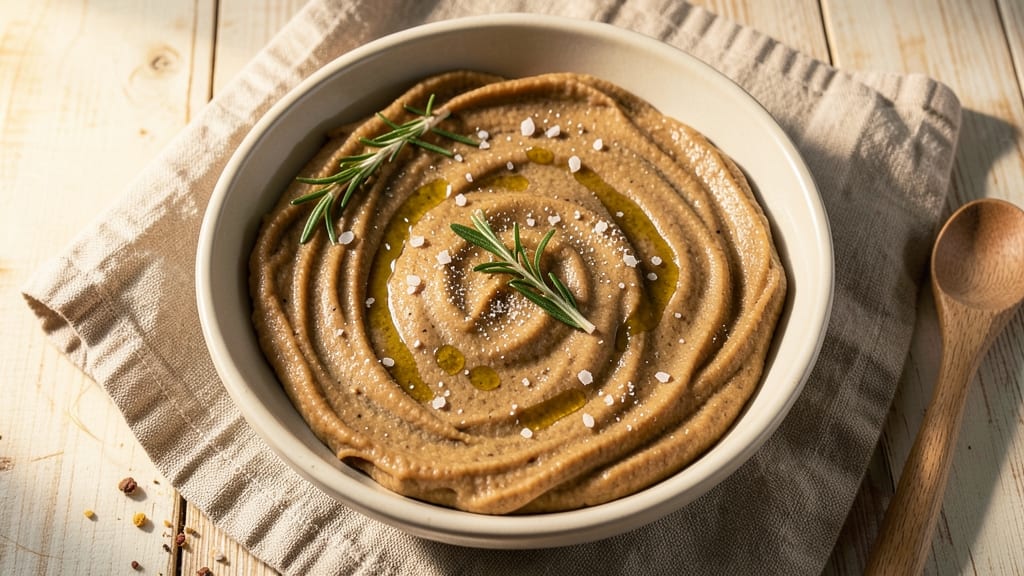
This brown rice pasta dough recipe transforms simple ingredients into al dente strands with a nutty, earthy depth you won’t find in store-bought noodles. The secret lies in blending brown rice flour with all-purpose flour, creating a dough that’s both sturdy and tender—perfect for vegan diets without eggs or dairy.
What makes this recipe stand out is how the brown rice flour adds natural sweetness and a satisfying chew, while keeping the pasta lighter than traditional wheat-based versions.
The process is straightforward: mix the dry ingredients, gradually add water until the dough comes together, then knead just enough to form a smooth, elastic texture.
Rolling it thin ensures perfectly al dente pasta every time, and the dough’s flexibility makes it ideal for hand-cutting ribbons or using a pasta machine.
Cooked in just 2-3 minutes, these noodles hold their shape while absorbing sauces beautifully—whether tossed with garlic oil, a rich vegan ragù, or a bright lemon-herb dressing.
Ingredients for brown rice pasta dough
Nine simple ingredients create al dente pasta with nutty depth—perfect for vegan diets without compromising texture.
| Ingredient | Amount | Notes |
|---|---|---|
| Brown Rice Flour 🌾 | 2 cups | Finely milled for smooth texture |
| All-Purpose Flour 🌾 | 1 cup | For structural balance |
| Water 💧 | 1 ¼ cups | Room temperature preferred |
| Extra-Virgin Olive Oil 🫒 | 1 tbsp | For dough elasticity |
| Salt 🧂 | ½ tsp | Diamond Crystal preferred |
| Nutritional Yeast 🧀 | 2 tbsp | For umami depth and cheesy flavor |
| Ground Flaxseed 🌱 | 1 tbsp | Acts as egg substitute |
| Sunflower Oil 🫒 | 1 tbsp | For rolling surface |
| Semolina Flour 🌾 | ¼ cup | Optional for dusting |
The brown rice flour is the star here—Bob's Red Mill or Anthony's Goods brands deliver the finest grind for that signature nutty flavor. If you can't find brown rice flour, white rice flour works in a pinch, though the earthy notes will be milder. The all-purpose flour adds structure, so King Arthur or Gold Medal brands ensure a smooth, elastic dough. Nutritional yeast isn't just for cheesy flavor; it also boosts the umami profile, making these noodles taste richer than traditional wheat pasta. For the flaxseed, ground it fresh—pre-ground loses potency quickly.
No nutritional yeast? White miso paste at half the amount adds depth, though the flavor profile shifts slightly. Short on flaxseed? Chia seeds work 1:1, but let them sit for 5 minutes before mixing. The olive oil and sunflower oil are non-negotiable for elasticity—extra-virgin olive oil adds subtle fruitiness, while sunflower oil prevents sticking during rolling. Semolina is optional but ideal for dusting; if unavailable, all-purpose flour works fine. For the water, room temperature is key—cold water makes the dough tough, while hot water can overactivate the gluten in the all-purpose flour.
Store the dough wrapped tightly in plastic for up to 3 days in the fridge, or freeze for 3 months by wrapping in parchment and plastic. For best texture, bring dough to room temperature before rolling. The cooked pasta reheats beautifully—toss with a splash of water and a pinch of salt to restore al dente texture. These noodles freeze well after cooking too, making them perfect for meal prep. Portion into single servings before freezing to avoid clumping.
Why You'll Love This Recipe
- Four-Ingredient Magic: I swear, the mix of brown rice flour and all-purpose gives that perfect chewy bite—no weird aftertaste, just rich, nutty depth that regular pasta can’t touch.
- No-Knead Wonder: Honestly, this dough comes together with just a fork and a bowl. No stand mixer, no fancy techniques—just fold, rest, and roll. Even my 10-year-old could handle it.
- Meal Prep MVP: Between us, this dough keeps for days in the fridge. I make a big batch on Sundays, portion it out, and freeze what I won’t use—ready for stir-fries, soups, or a quick pan-seared meal any night.
- Budget-Friendly Flex: Brown rice flour’s cheaper than specialty grains, and this blend stretches further than store-bought pasta. Plus, the olive oil adds richness without breaking the bank—just a splash for that golden, silky finish.
Step-by-step instructions for brown rice pasta dough
Here's the precise method to achieve perfectly balanced, nutty brown rice pasta dough.
Combine Dry Ingredients for Optimal Texture
In a large mixing bowl, whisk together the 2 cups brown rice flour and 1 cup all-purpose flour until completely homogeneous. This blend creates the ideal structural balance—brown rice flour provides the nutty earthiness while all-purpose flour contributes the necessary elasticity for proper dough formation.
Next, add the 2 tablespoons nutritional yeast, 0.5 teaspoon salt, and 1 tablespoon ground flaxseed to the flour mixture. The nutritional yeast not only enhances umami depth but also mimics the cheesy flavor profile often found in traditional pasta doughs. The flaxseed acts as a natural egg substitute, binding the ingredients together without compromising texture.
Create the Wet Ingredient Mixture
In a separate bowl, combine the 1.25 cups room-temperature water, 1 tablespoon extra-virgin olive oil, and 1 tablespoon sunflower oil. The olive oil contributes to the dough's elasticity while the sunflower oil adds a subtle neutral flavor that won't overpower the nutty base. Stir gently to emulsify the oils into the water before pouring the mixture into the dry ingredients.
I've found that using room-temperature water prevents the dough from becoming too sticky during mixing. If your water is cold, let it sit at room temperature for at least 10 minutes before using to ensure proper hydration of the flours.
Mix and Knead to Develop Gluten Structure
Gradually pour the wet mixture into the dry ingredients while stirring with a wooden spoon. Once combined, transfer the dough to a clean work surface lightly dusted with 0.25 cup semolina flour (if using). The semolina creates a non-stick surface that prevents the dough from sticking during kneading.
Knead the dough for 8-10 minutes using the palm-heel method, pressing down and folding the dough toward you with the heel of your hand. You're looking to develop gluten strands that will give your pasta its signature chewiness. The dough should become smooth and slightly tacky but not sticky—if it sticks excessively, add small amounts of semolina flour as needed.
Rest the Dough for Optimal Workability
Shape the dough into a rectangle and wrap it tightly in plastic wrap. Allow it to rest at room temperature for at least 30 minutes (up to 2 hours for best results). This resting period allows the gluten to fully relax, making the dough much easier to roll out without tearing.
I always find that properly rested dough produces pasta with better texture—less dense and more uniform. During this time, the flaxseed will also fully hydrate, ensuring it performs its binding function effectively when you're ready to roll.
Roll and Cut for Perfect Al Dente Pasta
After resting, divide the dough into 4 equal portions (about 4 ounces each) to make cutting easier. Using a pasta machine or rolling pin, roll each portion as thin as you prefer—typically 1/16-inch for tagliatelle or 1/8-inch for fettuccine. The thinner you roll, the faster the pasta will cook to al dente perfection.
Cut the rolled sheets into your desired pasta shape using a sharp knife or pasta cutter. Immediately cook in boiling salted water for 2-4 minutes (depending on thickness) until al dente. The brown rice flour will give your pasta a distinctive nutty flavor that pairs beautifully with rich tomato sauces or simple olive oil and garlic preparations.
Pro Tips For Making Brown Rice Pasta Dough
- Sift the Flours First: Brown rice flour is heavier than all-purpose, and clumps are your enemy here. Sift them together before mixing—yes, even if it feels like overkill—so the dough stays light and doesn’t turn into a dense brick. I learned this after kneading a lumpy mess that refused to roll out smoothly.
- Weigh Your Water: Eyeballing water with brown rice flour leads to disaster—it absorbs differently than wheat flour. Use a scale for precision: start with about 60% of the flour weight in water (e.g., 150g water for 250g flour mix), then adjust. Too much water now means gummy pasta later.
- Knead Until Silky: This dough fights back. Work it for 8–10 minutes by hand (or 5–6 in a stand mixer with a dough hook) until it’s smooth and slightly sticky but not wet. Stop when it springs back when pressed—over-kneading makes it tough, but under-kneading leaves it crumbly.
- Rest the Dough Twice: Wrap it in plastic and let it sit for 30 minutes before rolling, then another 20 minutes after shaping. The first rest relaxes the gluten (yes, even with brown rice flour), and the second prevents cracks when cutting. I skip this, and the pasta tears like dry paper.
Dietary considerations for this recipe
Gluten-Free Adaptations
This dough is naturally gluten-free friendly when using certified gluten-free brown rice flour and all-purpose flour blends. I recommend Bob’s Red Mill 1:1 Gluten-Free Baking Flour for the all-purpose portion—it mimics wheat flour’s structure better than rice flour alone.
For a fully gluten-free version, replace all-purpose flour with white rice flour or tapioca starch (use 1 cup total of the gluten-free blend). The texture will be slightly more delicate, so avoid overworking the dough. 🌾
Nut-Free Options
If nut allergies are a concern, skip the brown rice flour entirely and substitute with white rice flour or cornmeal (use 2 cups total). The flaxseed binding remains safe for nut-free diets.
For extra flavor, add 1 tablespoon miso paste or 1 teaspoon garlic powder to compensate for the lost nutty depth. Always check labels on nutritional yeast—some brands process in nut facilities.
Low-FODMAP Adjustments
For low-FODMAP diets, reduce the nutritional yeast to 1 tablespoon and omit the ground flaxseed (replace with 1 tablespoon chia seeds soaked in 3 tablespoons water for 5 minutes). Use gluten-free oats (certified) instead of all-purpose flour if needed.
The brown rice flour is naturally low-FODMAP, but always verify with your preferred brand’s specifications. These changes keep the dough bindable while minimizing digestive triggers. ✨
Protein Boost
To increase protein content, add 2 tablespoons vital wheat gluten (for non-gluten-free) or 2 tablespoons chickpea flour (for gluten-free). The chickpea flour also enhances the dough’s elasticity.
For a high-protein vegan option, blend ½ cup cooked lentils into the dough during mixing—this adds 10g protein per serving while keeping the texture workable. Just ensure the lentils are well-cooled before incorporating. 💪
Allergen-Free Storage
Store the dough in an airtight container with parchment paper between layers to prevent sticking. For nut-free kitchens, use separate rolling pins and utensils. Label containers clearly with "Contains: Gluten-Free Option" if substituting flours.
When freezing, wrap individual portions in plastic wrap and place in a ziplock bag—this prevents freezer burn and makes thawing easier. Thaw overnight in the fridge for best texture. ❄️
Nutrition facts
Frequently asked questions
Can I make this brown rice pasta dough without a pasta machine?
Use a rolling pin instead—start with the thickest setting and gradually roll thinner. For even thickness, fold the dough in half after each roll and dust with semolina between layers. A sharp knife works perfectly for cutting fettuccine or tagliatelle shapes by hand. The key is patience: roll slowly to avoid tearing the delicate dough.
Why does my dough turn out too crumbly?
Crumbly dough usually means one of two things: either you didn't knead long enough (8-10 minutes is ideal) or the water was too cold. Use room-temperature water and add 1 teaspoon more olive oil if needed during kneading. If the dough still crumbles, try wrapping it in a damp towel while resting to help hydrate it further.
How do I prevent my pasta from sticking while drying?
After cutting, immediately toss the pasta with 1 teaspoon semolina or cornmeal to create a protective barrier. For air-drying, lay pieces on a floured baking sheet with space between them. If using a dehydrator, set it to 135°F for 1-2 hours until completely dry. Never stack pieces—they'll stick together. For quick drying, spread on a wire rack over a pot of boiling water (steam helps remove moisture faster).
What's the best way to reheat cooked brown rice pasta?
Toss 1 tablespoon water and a pinch of salt with each portion in a pan over medium heat. Stir constantly for 1-2 minutes until heated through. The water prevents drying, while the salt restores seasoning. For baked pasta, cover with foil and bake at 350°F for 5-7 minutes with a splash of water. Avoid microwaving—it makes pasta mushy.
Can I add other flours to change the flavor?
Yes! Try replacing ½ cup brown rice flour with ½ cup buckwheat flour for an earthy taste, or ½ cup chickpea flour for a nutty, protein-rich twist. For a sweeter profile, add ¼ cup almond flour (if nut-free isn't required). Just reduce the water by 1 tablespoon for each flour swap—these alternatives absorb moisture differently. Always taste-test the dough before rolling!