
Main Courses
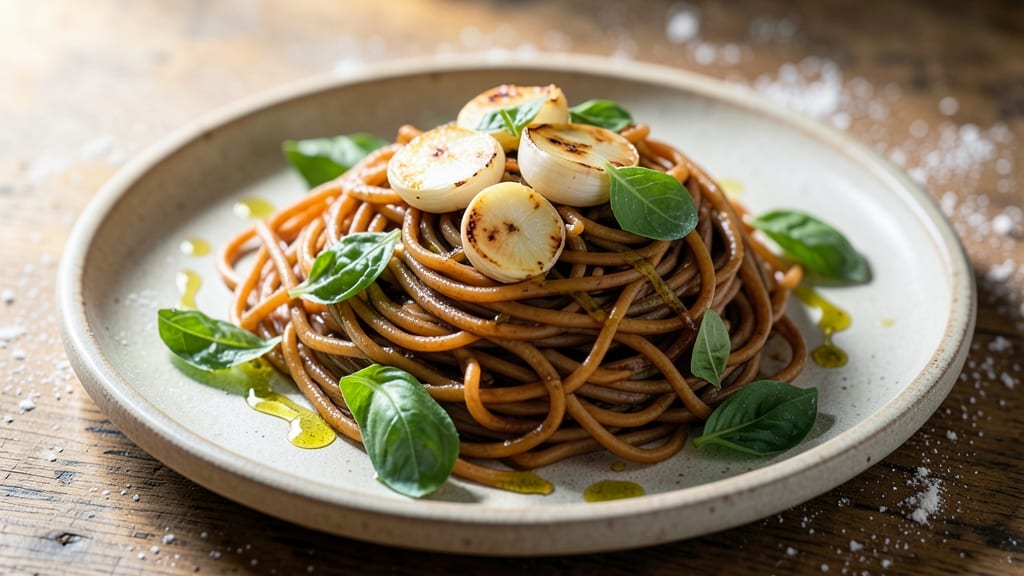
This brown rice spaghetti recipe transforms a simple noodle into a nutty, silky centerpiece that rivals traditional pasta—without compromising texture or flavor. 💛 The secret lies in proper soaking and cooking techniques that unlock its natural chewiness, making it perfect for vegan dishes where hearty, satisfying bites matter.
Pair it with a bold tomato-herb sauce or creamy pesto for a meal that’s both elegant and effortless. The nutty undertones of the brown rice spaghetti complement rich, tangy, or garlicky sauces beautifully, creating a dish that feels indulgent yet balanced.
Ready in just 20 minutes, this recipe proves plant-based pasta can be just as versatile—and delicious—as its wheat-based counterpart.
Ingredients for brown rice spaghetti
Nutty brown rice spaghetti meets vibrant tomato-herb sauce for a silky, satisfying vegan dish.
| Ingredient | Amount | Notes |
|---|---|---|
| Brown Rice Spaghetti 🍜 | 8 oz | Dry weight, uncooked |
| Extra-Firgin Olive Oil 🫒 | ½ cup | High-quality, fruity |
| Water 💧 | 4 cups | Filtered preferred |
| Salt 🧂 | 1 ½ tsp | Diamond Crystal kosher |
| Fresh Garlic Cloves 🧄 | 4 cloves | Peeled, minced |
| Fresh Basil Leaves 🌿 | ½ cup | Packed, stems removed |
| Lemon Juice 🍋 | 2 tbsp | Freshly squeezed |
| Nutritional Yeast 🍞 | 2 tbsp | For cheesy flavor |
| Red Bell Pepper 🌶️ | ½ cup | Diced, fresh |
| Sun-Dried Tomatoes 🍅 | ¼ cup | Chopped, oil-packed |
| Capers 🍆 | 1 tbsp | Rinsed, chopped |
| Black Peppercorns 🌶️ | ½ tsp | Freshly cracked |
| White Wine Vinegar 🍷 | 1 tbsp | For brightness |
| Himalayan Pink Salt 🧂 | ½ tsp | For finishing |
The brown rice spaghetti is the star—look for short-grain varieties at specialty stores like Whole Foods or Sprouts, where the texture holds up perfectly. Nutritional yeast is a game-changer for that umami depth, and Bob's Red Mill brand is my go-to. Fresh basil and sun-dried tomatoes should be vibrant; if your tomatoes are limp, soak them in warm water for 10 minutes to revive. For the olive oil, California brands like Corto or Lucini deliver the best fruity notes without overpowering the dish's natural flavors.
No fresh basil? Dried basil at one-third the amount works in a pinch, though texture suffers. Substitute sun-dried tomatoes with roasted cherry tomatoes (1/2 cup, chopped) if you prefer a sweeter profile. White wine vinegar can be swapped for apple cider vinegar (1 tbsp), but the acidity will differ slightly. For a gluten-free alternative, ensure your brown rice spaghetti is certified gluten-free—some brands process in shared facilities. If you're short on time, pre-chop the red bell pepper and sun-dried tomatoes; store them in airtight containers for up to 3 days.
This dish reheats beautifully—simmer gently in a splash of water to restore its silky texture. Store leftovers in an airtight container for 4-5 days in the fridge, or freeze for 3 months in portioned servings. For meal prep, cook the spaghetti al dente, toss with a light drizzle of olive oil to prevent sticking, and refrigerate. When reheating, add a splash of water and cover to steam. The nutty undertones intensify after chilling, making it even more satisfying the next day.
Why You'll Love This Recipe
- No-Fuss Alchemy: I swear, this takes less effort than boiling regular pasta. Just toss the brown rice noodles in boiling water, let them dance for 6-8 minutes, and—boom—no draining, no sticking, no stress. The texture? Chewy but light, like a hug for your taste buds.
- Garlic Magic: That first sizzle of olive oil and crushed garlic? My kitchen smells like an Italian bistro, but I’m still in my pajamas. The brown rice soaks up the flavor like a sponge, so every bite tastes like you slaved over it (even though you didn’t).
- Leftover Hero: Between us, this is my secret weapon for lazy lunches. Cook a big batch, and it reheats perfectly—no mushy noodles, no sad saucy bottoms. I’ve had it cold in salads, warm with a fried egg, even as a quick stir-fry base. It’s the chameleon of meals.
- Budget Win: Honestly, brown rice spaghetti is the adulting version of ramen. It’s cheaper than wheat pasta, packed with fiber, and still satisfies that carb craving. Plus, olive oil and garlic are pantry staples—no fancy ingredients, just pure flavor for pennies.
Step-by-step instructions for brown rice spaghetti with nutty depth
Transform simple brown rice spaghetti into a restaurant-worthy dish with this bold, flavor-packed method.
🍳 Step 1: Cook the Spaghetti Al Dente
Bring 4 cups water to a rolling boil in a large pot. Add the 8 oz brown rice spaghetti and 1.5 tsp salt, stirring immediately to prevent sticking. The water should taste like the sea—this ensures proper seasoning throughout the pasta.
Cook for 8-9 minutes (check package instructions for exact time) until the spaghetti is al dente—it should have a slight bite in the center with a firm exterior. Test by tasting a strand: it should feel tender but still offer resistance. Reserve ½ cup pasta water before draining—this starchy liquid is essential for emulsifying the sauce later.
👨🍳 Step 2: Sauté Aromatics in Olive Oil
While the pasta cooks, heat 0.5 cup extra-firgin olive oil in a large skillet over medium heat until shimmering but not smoking. Add the 4 cloves minced fresh garlic cloves and 0.5 cup diced red bell pepper, cooking for 2-3 minutes until the garlic is golden and fragrant—not browned.
Here's the thing—garlic burns in seconds, so keep your eye on the pan. When the garlic releases its aroma and the pepper softens slightly, remove the skillet from heat and stir in the 0.25 cup chopped sun-dried tomatoes and 1 tbsp chopped capers. Let them warm through for 30 seconds while you prepare the remaining ingredients.
🥘 Step 3: Build the Flavor Base
Return the skillet to low heat and add the 2 tbsp nutritional yeast, 0.5 tsp freshly cracked black peppercorns, and 1 tbsp white wine vinegar. Stir continuously for 1 minute until the nutritional yeast dissolves and the mixture becomes slightly thickened. This step develops the umami depth that makes this dish extraordinary.
Add the 2 tbsp freshly squeezed lemon juice and 0.5 cup packed fresh basil leaves, stirring gently to incorporate. The basil should wilt slightly but retain its vibrant color. Remove from heat and set aside—this sauce will marry perfectly with the cooked pasta.
🍽️ Step 4: Combine and Finish with Acid
Add the drained spaghetti to the skillet with the sauce, tossing vigorously to coat every strand. If the sauce seems too thick, add 2-3 tablespoons of reserved pasta water at a time until it reaches a silky, clinging consistency. The pasta water helps emulsify the olive oil, creating that luxurious, glossy finish.
For the final touch, sprinkle with 0.5 tsp Himalayan pink salt and toss once more. The salt should dissolve completely into the sauce, enhancing all the flavors. Serve immediately while the pasta is still hot—this dish is best enjoyed right from the skillet.
Pro Tips For Making Brown Rice Spaghetti
- Boil Water First: Fill your pot with water, salt it heavily (like you’re seasoning soup), then bring to a rolling boil before adding the brown rice spaghetti. I learned this the hard way—cold water in the pot makes the pasta absorb unevenly and stick like glue.
- Minimize Stirring: Let the brown rice spaghetti cook undisturbed for the first 3 minutes after adding it to the water. Stirring too soon releases starch and turns your noodles mushy. After that, stir gently—just enough to keep them moving.
- Toast the Garlic: Sauté your garlic cloves in olive oil until they’re just golden—about 30 seconds—before crushing them. Raw garlic burns easily and tastes harsh, while toasted garlic adds depth. (Yes, even if you’re impatient like me.)
- Reserve Some Water: Before draining, scoop out ½ cup of starchy pasta water into a small bowl. Toss your cooked spaghetti in olive oil, then add a splash of that water to help the sauce cling. It’s the difference between dry strands and a silky finish.
Storing and reheating this brown rice spaghetti
Fridge Storage Tips
Store your cooked brown rice spaghetti in an airtight container with a splash of extra-virgin olive oil to prevent drying. The nutty flavors actually deepen overnight, making leftovers even more satisfying.
Keep refrigerated for up to 4-5 days—just reheat gently with a splash of water to restore that silky texture. 💧
Freezer-Friendly Prep
Portion cooled spaghetti into freezer-safe bags or containers, leaving 1-inch headspace for expansion. Seal tightly and freeze for up to 3 months. When ready to eat, thaw overnight in the fridge, then reheat on the stovetop with 2 tbsp water to prevent sticking.
The texture remains surprisingly tender when done right!
Reheating Like a Pro
For best results, reheat in a skillet over medium-low heat with 1-2 tbsp water or reserved pasta water. Stir frequently to prevent drying—3-4 minutes should do it.
If using the microwave, cover with a damp paper towel and heat in 30-second bursts, stirring between each. The sauce will cling beautifully to each strand. ✨
Sauce Refresh Hacks
If your reheated dish feels flat, revive the sauce by adding 1 tsp lemon juice or a pinch of nutritional yeast. The acidity brightens flavors instantly. For extra richness, stir in 1 tbsp olive oil while reheating. This trick works wonders for restoring that restaurant-quality finish!
Meal Prep Strategy
Cook the spaghetti al dente (1 minute less than package instructions), then store separately from the sauce. When ready to eat, toss with freshly reheated sauce and a drizzle of olive oil.
This keeps the texture perfect and prevents sogginess. Pro tip: Store sauce in a separate container to maintain its vibrant color and freshness.
Texture Preservation
Avoid overcooking when reheating—brown rice spaghetti can turn mushy if exposed to high heat. Use low heat and minimal liquid, stirring constantly. For extra insurance, add a dry paper towel to the lid to absorb excess moisture during reheating. Your pasta will stay silky, not slimy! 🍜
Nutrition facts
Frequently asked questions
Can I use regular white rice spaghetti instead of brown?
While you can substitute white rice spaghetti, the texture and flavor will differ significantly. Brown rice spaghetti has a nutty depth and chewier bite that complements the tomato-herb sauce beautifully. White rice versions tend to be softer and less flavorful, though they work in a pinch for a milder taste. For the best experience, stick with brown rice for that authentic, hearty texture.
How do I prevent brown rice spaghetti from sticking together?
Stir immediately after adding the spaghetti to boiling water and keep the pot at a rolling boil. Adding a pinch of salt to the water helps too. After draining, toss the cooked spaghetti with a drizzle of olive oil right away—this creates a protective barrier. If storing, refrigerate in an airtight container with a thin layer of oil on top to maintain separation.
What if I don't have nutritional yeast?
No problem! You can substitute with 2 tbsp grated Parmesan cheese (for non-vegan versions) or 2 tbsp soy sauce + 1 tsp miso paste for a vegan alternative. The nutritional yeast adds that cheesy umami depth, but these substitutes will still bring richness. Just reduce the salt slightly if using soy sauce, as it's already salty.
Can I make this recipe gluten-free?
Absolutely—just ensure your brown rice spaghetti is certified gluten-free. Many brands process in shared facilities, so always check the label. The rest of the ingredients in this recipe are naturally gluten-free, making it perfect for those with celiac disease or gluten sensitivities. Look for packages labeled "gluten-free" to be safe.
What's the best way to add protein to this dish?
For extra protein, toss in ½ cup chickpeas (roasted or canned, drained) with the spaghetti or serve alongside grilled tofu or tempeh. You could also add white beans (½ cup, mashed slightly) directly to the sauce for creaminess. These options keep the dish vegan while adding satisfying substance and texture.